
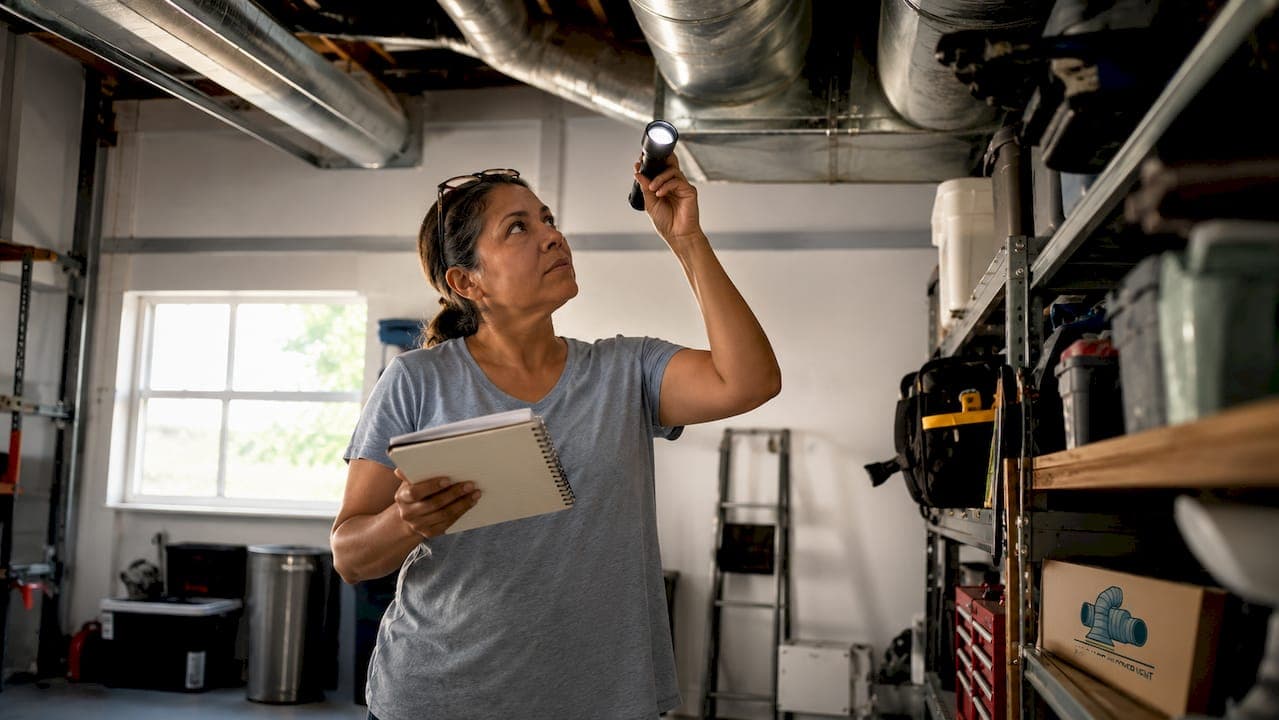
TL;DR:
- Air duct odors reveal specific problems like microbial growth, mechanical faults, or pest infestations. Addressing the root cause, such as mold, clogged drains, or gas leaks, is essential for improving indoor air quality and safety. Regular system inspection and maintenance are crucial to prevent persistent and hazardous odors.
Air duct odors and their causes are directly linked to specific problems inside your HVAC system, from biological growth to mechanical faults. Each type of smell tells a different story. A musty odor points to mold. A rotten egg smell signals a gas leak. A stale, dusty scent usually means your filter is overdue for replacement. The EPA advises against routine duct cleaning unless mold, pests, or heavy debris are confirmed present. That guidance matters because masking odors without fixing the root cause only delays the real problem and can make indoor air quality worse.
1. What a musty or earthy smell in air ducts indicates
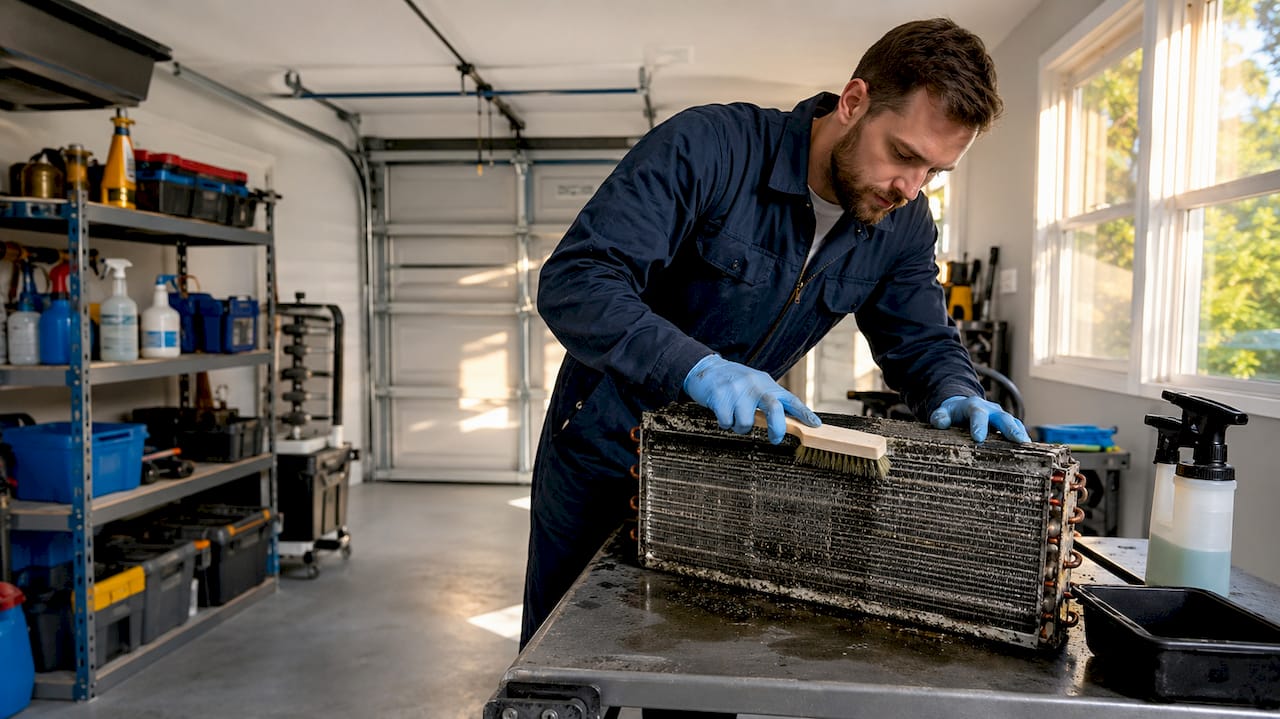
Musty or earthy odors are the most common air duct smell, and they almost always point to microbial growth. Mold and mildew thrive wherever moisture collects, and your HVAC system creates ideal conditions: cool surfaces, condensation, and limited airflow when the system is off. The odor is strongest the moment your system starts because mVOCs accumulate inside ducts while idle and release in a concentrated burst when the fan kicks on.
The most common locations for this growth include:
- Evaporator coils. These coils run cold and collect condensation constantly. Without regular cleaning, biofilm builds up fast.
- Drain pans. Sitting water in a drain pan is a direct breeding ground for mold and bacteria.
- Duct interiors. Any section of ductwork with a small leak or condensation point can develop mold colonies over time.
- Fiberglass-lined duct boards. These are a particular problem because porous duct materials absorb moisture and harbor biofilms that are nearly impossible to fully sanitize. Replacement is often the only real fix.
One specific condition worth knowing is Dirty Sock Syndrome. This is a bacterial buildup on evaporator coils caused by organisms like Alcaligenes that grow during humid seasonal cycling. It produces a smell that is exactly what the name suggests. Dirty Sock Syndrome requires professional coil sanitation and sometimes UV light treatment. Standard duct cleaning will not resolve it.
Pro Tip: Schedule a coil and drain pan inspection every spring before cooling season starts. Catching early biofilm growth prevents the smell from ever reaching your living space.
2. How clogged condensate drains cause sour or sewage-like odors
The condensate drain removes water that your air conditioner pulls from indoor air during cooling. In humid climates, HVAC systems can remove 5–20 gallons of water daily, making this drain one of the most critical components in the system. When it clogs, that water sits and stagnates.
Here is how the problem develops step by step:
- Algae and debris accumulate. The drain line runs through a warm, moist environment. Algae, dust, and mineral deposits build up over months.
- The drain pan fills. Once the line is blocked, water backs up into the pan and sits.
- Biofilm forms. Stagnant water develops a microbial layer within days. This biofilm produces the sour or sewage-like odor you smell at the vents.
- Odors travel through the system. The air handler pulls air across the standing water and distributes the smell throughout your home.
- Respiratory irritants spread. Beyond the odor, blocked drains promote odor-causing microbes that can worsen allergies and respiratory symptoms.
Clearing a condensate drain is straightforward when caught early. A diluted bleach flush every few months keeps algae from forming. If the clog is deep or the pan shows signs of rust or mold, professional cleaning is the right call. Airanddryerventcleaningavondale includes condensate system inspection as part of its full duct cleaning service for Avondale homeowners.
3. What odor clues indicate pest infestations inside air ducts
Animal-related odors are among the most unpleasant bad odors from air ducts, and they are also among the most urgent to address. Rodents, insects, and birds enter duct systems through gaps, damaged joints, or unsealed vent openings. Once inside, they nest, leave droppings, and sometimes die.
Common signs of a pest infestation in your ducts include:
- Ammonia or urine smell. Rodent droppings and urine produce a sharp, ammonia-like odor that intensifies when the system runs.
- Rotten egg or sulfur smell. A decomposing animal inside a duct creates this distinct, overwhelming odor. Decomposing animals create bio-contaminants that spread through the air handler.
- Scratching or rustling sounds. These often precede the smell and confirm active nesting.
- Visible droppings near vent covers. Check the grilles closest to exterior walls or attic access points.
Pest odors do not fade on their own. The source must be physically removed, and the affected duct section must be sanitized. Leaving a carcass in place allows bacteria and odor compounds to circulate through your home for weeks. A professional duct inspection can locate the entry point and the source at the same time.
Pro Tip: Inspect exterior vent covers and duct access points twice a year. A damaged or missing cover is the most common entry point for rodents in residential duct systems.
4. How dirty air filters and dust buildup generate bad odors
A clogged air filter is one of the most overlooked causes of air duct smells. Filters collect skin cells, pet dander, pollen, and fine dust every day. That organic material is harmless when dry. When it gets damp, it becomes a biological problem.
Filters not replaced every 60–90 days become saturated mats of organic matter that act as bacterial and fungal breeding grounds. The HVAC system then pulls air through this contaminated mat and distributes the resulting odor to every room. Homeowners often describe this smell as stale, dusty, or faintly musty. It is easy to confuse with mold in the ducts, but the fix is much simpler.
Key contributors to filter-related odors include:
- Pet dander. Homes with dogs or cats load filters significantly faster than average.
- High humidity. Moisture in the return air dampens the filter and accelerates microbial growth.
- Infrequent replacement. A filter left in place for six months or more becomes a source of contamination, not protection.
- Low-quality filters. Thin fiberglass filters capture less material but also clog and degrade faster than pleated MERV-rated options.
Replacing your filter on schedule is the single lowest-cost step you can take to improve indoor air quality. For homes with pets or allergy sufferers, every 45 days is a better target. You can find detailed guidance on filter replacement and HVAC efficiency specific to Avondale's climate conditions.
5. What burning, acrid, or chemical smells from air ducts reveal
Sharp or chemical odors from your vents are not just unpleasant. They are warning signs that require immediate attention. These smells fall into two categories: mechanical issues and chemical or gas leaks. Treating them as minor nuisances is a serious mistake.
Key odor types and what they signal:
- Burning plastic or rubber smell. This indicates an overheating motor, a failing capacitor, or an electrical wiring problem. Electrical malfunctions produce acrid burning smells that require urgent professional inspection.
- Rotten egg or sulfur smell. Natural gas is odorless on its own. Utility companies add a sulfur-based odorant so leaks are detectable. If you smell rotten eggs near a vent, leave the building immediately and call your gas utility from outside.
- Sweet or chemical smell. This can indicate a refrigerant leak. Refrigerant is not acutely toxic in small amounts, but it displaces oxygen in enclosed spaces and requires a licensed HVAC technician to address.
- Acrid or metallic smell on first use. When a furnace runs for the first time in fall, dust on the heat exchanger burns off. This smell fades within 30 minutes. If it persists, call a technician.
Pro Tip: Install a combination carbon monoxide and natural gas detector near your HVAC system. These devices detect leaks before the smell reaches a dangerous concentration.
For any burning or gas-related odor, do not attempt DIY repairs. The risk of fire, explosion, or carbon monoxide exposure is real. A full HVAC maintenance checklist can help you stay ahead of the mechanical issues that lead to these smells before they become emergencies.
6. How construction dust and new home materials create temporary odors
Newly built or recently renovated homes often produce chemical or dusty odors from vents that confuse homeowners. These smells are not always a sign of a system problem. They are a byproduct of construction materials off-gassing inside the duct system.
Drywall dust, adhesives, paint fumes, and insulation fibers all enter ductwork during construction. The HVAC system then circulates these particles and compounds throughout the home. The smell is often described as chemical, chalky, or faintly sweet. It typically fades over weeks but can linger for months if the ducts are not cleaned after construction is complete.
Post-construction duct cleaning removes the physical debris that carries these odors. Without cleaning, the particles continue to circulate and coat duct surfaces, filter media, and coil fins. Airanddryerventcleaningavondale specifically addresses post-construction cleanup as part of its residential service offering in Avondale, Arizona. If your home was recently renovated and you notice persistent chemical smells, a professional duct inspection is the right first step.
7. Why poor ventilation amplifies every type of duct odor
Poor ventilation does not create odors on its own, but it makes every other cause significantly worse. When a home lacks adequate fresh air exchange, odor compounds accumulate indoors instead of diluting. The result is that even minor sources, like a slightly damp filter or a small amount of dust on the coils, produce noticeable smells.
Homes in Avondale, Arizona face a specific challenge. The climate demands heavy air conditioning use for much of the year. That means windows stay closed, fresh air exchange is minimal, and the HVAC system recirculates the same indoor air repeatedly. Any biological or chemical odor source gets amplified under these conditions.
The fix involves two things working together: reducing the odor source and improving air exchange. Adding a whole-home ventilator or energy recovery ventilator (ERV) introduces controlled fresh air without wasting conditioned air. Pairing that with removing pollutants from your HVAC system addresses both sides of the problem at once. Ventilation upgrades are often overlooked in odor remediation, but they are one of the most effective long-term solutions available.
Key Takeaways
Eliminating air duct odors requires identifying the specific source first, because each cause demands a different fix.
| Point | Details |
|---|---|
| Musty odors mean microbial growth | Mold, mildew, and Dirty Sock Syndrome require coil sanitation, not just duct cleaning. |
| Clogged drains cause sour smells | Flush condensate lines every few months to prevent biofilm and stagnant water odors. |
| Replace filters every 60–90 days | Damp, overloaded filters become bacterial breeding grounds that spread odors home-wide. |
| Burning or sulfur smells need urgent action | Evacuate immediately for gas smells; call a technician for any burning or electrical odor. |
| Ventilation amplifies every odor source | Poor air exchange concentrates odor compounds indoors, making minor sources smell severe. |
What I've learned about air duct odors after years in the field
The single biggest mistake homeowners make is treating duct cleaning as a cure-all. I have seen it repeatedly. A homeowner calls because their home smells musty. They schedule a duct cleaning, the smell improves for a few weeks, and then it returns. The reason is almost always moisture. The ducts were cleaned, but the evaporator coil was not sanitized, the drain pan still had standing water, or the filter was not replaced. The source was never addressed.
Environmental remediation experts advise proper diagnostics before any cleaning, and I agree completely. You need to know whether you are dealing with a filtration problem, a drainage problem, or a structural duct problem before spending money on a solution. The biggest misconception is that duct cleaning alone vastly improves air quality. The real focus should be on filtration and moisture control in the breathing zone.
I also want to be direct about chemical fogs and deodorizing sprays. Masking odors with chemical fogs can worsen indoor air quality by reacting with mVOCs to form secondary irritants. If a technician recommends fogging as the primary solution without first identifying the source, that is a red flag. The right sequence is always: diagnose, remove the source, clean the system, then verify air quality.
The good news is that most odor problems are fixable. Filter replacement, coil cleaning, and drain maintenance handle the majority of cases. The ones that require more work, like fiberglass duct replacement or post-construction remediation, are still manageable with the right professional. Do not let a persistent smell go unaddressed. Your indoor air quality depends on acting on it.
— Shaun
Professional odor diagnosis in Avondale, AZ
Persistent odors from your vents are a signal worth taking seriously. Airanddryerventcleaningavondale provides professional inspection, cleaning, and remediation services for residential and commercial properties throughout Avondale, Arizona.
The team at Airanddryerventcleaningavondale handles the full range of odor causes, from mold and biofilm on coils to post-construction debris and condensate drain maintenance. If you have replaced your filter and the smell persists, a professional assessment is the logical next step. Schedule an air vent cleaning appointment or request indoor air quality testing to identify exactly what is circulating through your home. Flexible scheduling, including after-hours options, is available.
FAQ
What causes a musty smell from air vents?
Musty smells from air vents are caused by mold, mildew, or bacterial growth on evaporator coils, in drain pans, or inside duct walls. The odor is strongest when the system first starts because accumulated mVOCs release in a concentrated burst.
How often should air filters be replaced to prevent odors?
Air filters should be replaced every 60–90 days. Homes with pets or allergy sufferers benefit from replacement every 45 days, since damp, overloaded filters become bacterial breeding grounds that spread odors throughout the HVAC system.
Is a rotten egg smell from vents dangerous?
A rotten egg smell from vents is a serious warning sign of a natural gas leak. Leave the building immediately, avoid using any switches or electronics, and call your gas utility from outside. Do not return until the property is cleared.
Can dirty air ducts cause health problems?
Dirty air ducts that harbor mold, bacteria, or pest contaminants can worsen respiratory symptoms and allergies. The EPA advises professional remediation when visible mold, active pest activity, or heavy debris is confirmed in the duct system.
When should I call a professional for air duct odors?
Call a professional when odors persist after replacing the filter, when you detect burning, sulfur, or sewage smells, or when visible mold or pest evidence is present. These conditions require diagnosis and remediation beyond standard DIY maintenance.