
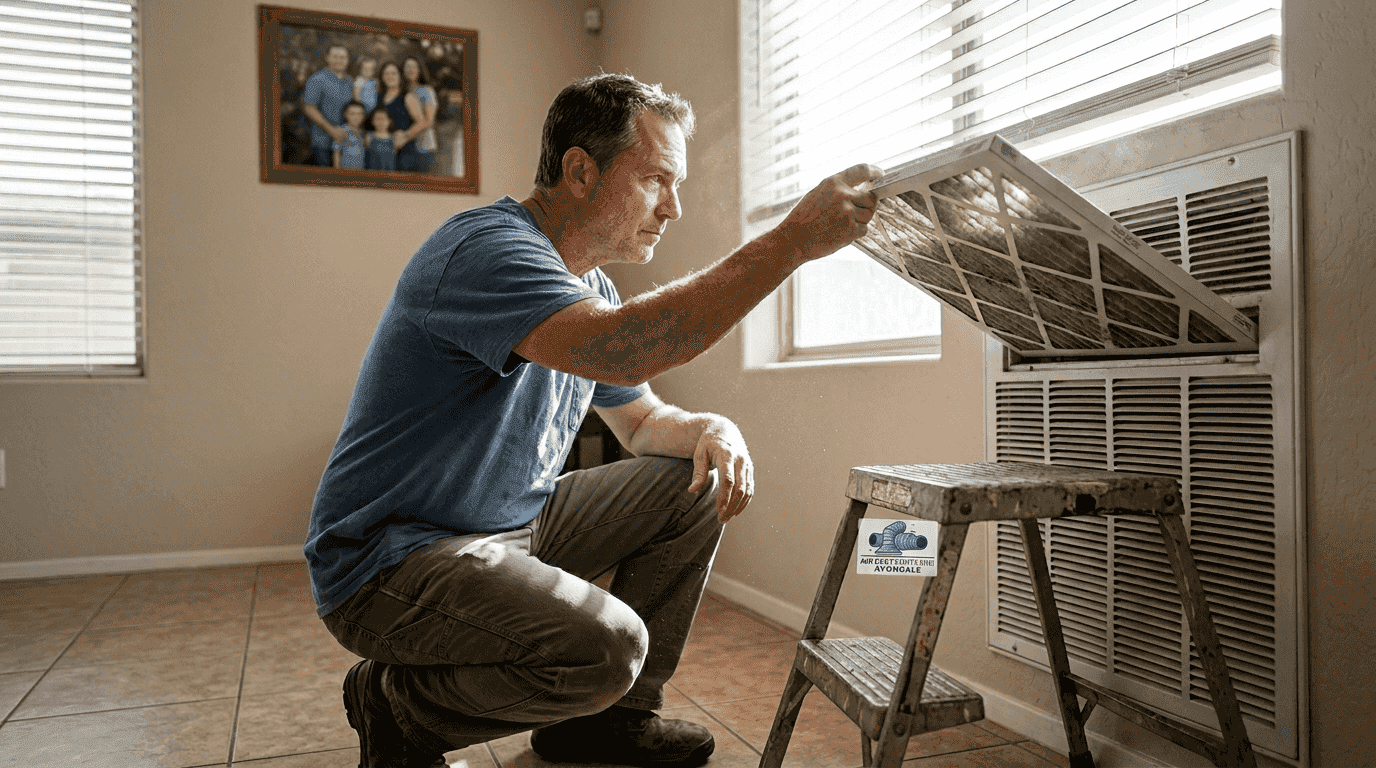
Homeowners and small business owners in Avondale face a common dilemma: when should you replace your HVAC air filter, and does it really make a difference? With Arizona's unique climate bringing dust storms, high pollen counts, and intense seasonal temperature swings, your air filter works harder than in most regions. Regular replacement isn't just routine maintenance. It directly impacts your energy bills, indoor air quality, system longevity, and repair costs. This guide reveals the concrete benefits of timely filter replacement tailored to Avondale's environment, helping you make informed decisions that protect your investment and health.
Table of Contents
- How To Evaluate Air Filter Replacement Benefits In Avondale, AZ
- Improve HVAC Efficiency And Reduce Energy Costs
- Enhance Indoor Air Quality And Reduce Allergens
- Protect Your HVAC System And Avoid Costly Repairs
- Choosing The Right Air Filter For Your Needs
- Enhance Your HVAC Performance With Professional Air Filter Services In Avondale
- How Often Should I Replace My Air Filter In Avondale?
- What MERV Rating Is Best For My Home Or Small Business In Avondale?
- Can I Install High Efficiency HEPA Filters In My HVAC System?
- What Are The Signs That My Air Filter Needs Replacement?
Key takeaways
| Point | Details |
|---|---|
| Energy savings | Clean filters improve HVAC efficiency and can reduce energy consumption by up to 15%. |
| Better air quality | Regular replacement removes up to 99% of airborne particles including dust, pollen, and allergens. |
| Avoid costly repairs | Timely filter changes prevent system damage and repair costs up to 30% of original equipment price. |
| Extended lifespan | Protecting HVAC components through clean filters extends system life and maximizes your investment. |
| Local climate matters | Avondale's dust and pollen require more frequent filter inspections and replacements than standard schedules. |
How to evaluate air filter replacement benefits in Avondale, AZ
Before diving into specific benefits, you need a framework for assessing how air filter replacement impacts your home or business. Several factors determine the value you'll gain from regular changes. Climate plays a huge role. Homeowners in Avondale should consider increased dust and pollen when determining replacement frequency. Dust storms and seasonal allergens accelerate filter clogging far faster than in cooler, less arid regions.
Filter type matters just as much. MERV ratings indicate how effectively a filter captures particles, but higher ratings also restrict airflow if your system isn't designed for them. Pet ownership, household size, and business foot traffic all contribute to how quickly filters accumulate debris. A small office with minimal occupancy differs dramatically from a busy retail space or a home with three dogs.
Local environmental challenges in Avondale compound these factors. Spring brings pollen surges from desert plants. Summer monsoons stir up dust. Winter heating cycles run constantly during cold snaps. Each season taxes your filter differently, making monthly inspections essential during peak use periods rather than relying on generic three month replacement schedules.
Consider these evaluation factors:
- Local dust and pollen levels specific to Avondale's desert climate
- Filter efficiency ratings and compatibility with your HVAC system
- Presence of pets or high occupancy increasing airborne particles
- Seasonal usage patterns and temperature extremes
- Current indoor air quality concerns or allergy symptoms
Pro Tip: Check your filter monthly by holding it up to light. If you can't see through it clearly, replace it immediately regardless of how long it's been installed. Condition matters more than calendar dates.
Understanding these criteria helps you recognize when air filter replacement delivers maximum value. Next, we'll explore the first major benefit: dramatically improved efficiency and lower energy costs.
Improve HVAC efficiency and reduce energy costs
Your HVAC system is likely one of the biggest energy consumers in your home or business. When filters get clogged with dust and debris, airflow restriction forces the system to work significantly harder to maintain desired temperatures. This increased effort translates directly into higher electricity bills. Replacing dirty filters improves efficiency by up to 15%, a substantial gain that accumulates month after month.
The energy savings are measurable and significant. Clean filters reduce energy consumption by 5% to 15% depending on system type and usage patterns. For a typical Avondale home spending $150 monthly on cooling and heating, that represents $7.50 to $22.50 in monthly savings. Over a year, you're looking at $90 to $270 back in your pocket simply from maintaining clean filters.
Avondale's climate intensifies these effects. Desert dust infiltrates homes and businesses faster than in humid or coastal regions. Spring pollen blankets everything. When monsoon winds kick up, airborne particles spike dramatically. Your filter clogs faster here, meaning the efficiency penalty from neglect hits harder and sooner than standard maintenance guides suggest.
Consequences of clogged filters extend beyond your wallet:
- Longer run times to reach temperature setpoints waste electricity
- Increased system strain accelerates wear on motors and compressors
- Higher carbon footprint from excessive energy consumption
- Reduced comfort as rooms heat or cool unevenly
- Potential for frozen evaporator coils in extreme cases
Regular air duct cleaning complements filter replacement by removing accumulated debris throughout your system, further optimizing airflow and efficiency. Together, these maintenance steps ensure your HVAC operates at peak performance. Many homeowners also explore ways to reduce your bills through comprehensive energy strategies, but filter replacement offers one of the fastest returns on investment.
Think of your air filter as the lungs of your HVAC system. Just as you can't breathe efficiently through a clogged nose, your system can't move air effectively through a dirty filter. The harder it struggles, the more energy it burns. Clean filters restore easy breathing, slashing energy waste while maintaining comfort.
Enhance indoor air quality and reduce allergens
Energy savings matter, but the health benefits of clean air filters often prove even more valuable to families and employees. Indoor air quality directly affects respiratory health, allergy symptoms, and overall comfort. Clean air filters remove up to 99% of airborne particles, capturing pollutants before they circulate through your living or working spaces.
The particles trapped by quality filters include common irritants that plague Avondale residents. Desert dust carries fine particulates that penetrate deep into lungs. Spring pollen from mesquite, olive trees, and grasses triggers allergic reactions. Pet dander becomes airborne with every movement. Mold spores flourish in HVAC systems when moisture and organic material combine. Each of these pollutants diminishes air quality and health.
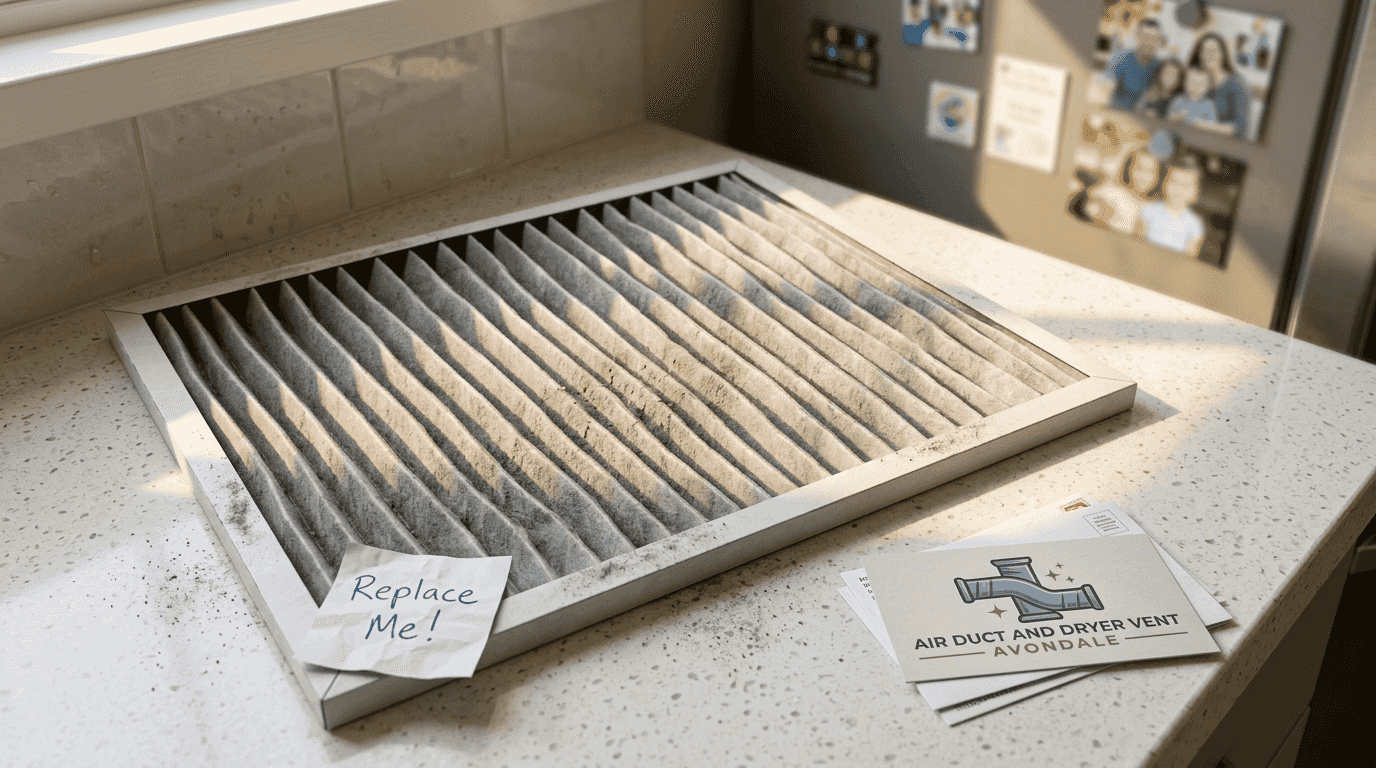
High efficiency filters rated MERV 8 through 13 provide substantial protection for typical homes and small businesses. MERV 13 filters capture up to 98% of particles including dust mites, pollen, and mold spores. This level of filtration dramatically reduces allergen exposure, offering relief to those with asthma, allergies, or respiratory sensitivities. The difference becomes noticeable within days of installation.
Common airborne irritants removed by clean filters:
- Dust mites and their waste products
- Pollen from trees, grasses, and desert plants
- Mold spores from damp areas or HVAC condensation
- Pet dander from cats, dogs, and other animals
- Bacteria and viruses carried on larger particles
Indoor air pollution often exceeds outdoor levels, especially during seasons when homes and businesses remain sealed for heating or cooling. Arizona's temperature extremes mean HVAC systems run constantly for months, recirculating the same air repeatedly. Without effective filtration, pollutants concentrate indoors to unhealthy levels. Winter heating and summer dust storms make clean filters especially critical for maintaining breathable air.
Regular indoor air quality testing can reveal specific pollutants affecting your space, allowing you to choose filters optimized for your situation. Combining professional testing with consistent filter replacement creates a comprehensive approach to healthy indoor environments. The investment protects your most valuable asset: your health and that of your family or employees.
Protect your HVAC system and avoid costly repairs
Beyond energy and health benefits, regular filter replacement serves as inexpensive insurance against expensive HVAC repairs. Dirt buildup from neglected filters doesn't just restrict airflow. It infiltrates sensitive components, causing mechanical damage that shortens equipment lifespan and triggers breakdowns. Neglecting maintenance leads to repair costs up to 30% of your system's original purchase price.
The damage progression follows a predictable pattern. Clogged filters cause short cycling, overheating, and furnace breakdowns through this sequence:
- Restricted airflow reduces heat exchange efficiency in the furnace or air handler
- Temperature sensors detect insufficient heating or cooling, triggering longer run times
- Overworked blower motors overheat from increased resistance and reduced cooling airflow
- Heat exchangers crack from thermal stress caused by inadequate air circulation
- Compressors fail prematurely from constant cycling and inadequate cooling
- Complete system failure requires emergency repair or full replacement
Avondale's climate accelerates this timeline. Winter brings extended furnace operation as temperatures drop into the 30s and 40s overnight. Constant heating cycles push more air through filters, clogging them faster with dust that never settles outdoors. The combination of heavy use and high particulate load creates perfect conditions for rapid filter degradation and subsequent system damage.
| Maintenance Approach | Annual Cost | System Efficiency | Expected Lifespan | Repair Frequency |
|---|---|---|---|---|
| Regular filter replacement | $60 to $120 | 95% to 100% optimal | 15 to 20 years | Minimal, preventive only |
| Neglected filter changes | $200+ in repairs | 70% to 85% reduced | 8 to 12 years | Frequent emergency calls |
Pro Tip: Schedule filter replacements in early November before heating season and early May before cooling season peaks. This proactive timing prevents clogged filters during your system's hardest working months.
Protecting your HVAC investment requires minimal effort and cost compared to repair or replacement expenses. Professional air duct repair replacement services can address damage when it occurs, but prevention through regular filter changes eliminates most problems before they start. A $15 filter replaced quarterly costs $60 annually. A new HVAC system costs $5,000 to $10,000. The math is compelling.
Choosing the right air filter for your needs
Understanding benefits is one thing. Selecting the optimal filter for your specific situation requires knowing how different types and ratings affect performance. MERV ratings provide a standardized measure of filtration efficiency, ranging from 1 to 16 for residential and light commercial use. MERV 8 to 13 filters suit most Avondale homes and small businesses, balancing particle capture with adequate airflow for standard HVAC systems.
Filter selection involves weighing multiple factors specific to your environment and equipment. Choosing the right MERV rating is crucial because overly restrictive filters increase energy costs and strain systems not designed for high resistance. The right filter balances air cleaning with smooth airflow for optimal efficiency.
Key factors influencing your filter choice:
- Local dust levels from Avondale's desert environment
- Pet ownership and number of animals in the space
- Allergy or asthma concerns among occupants
- HVAC system age and maximum recommended MERV rating
- Budget for initial purchase and replacement frequency
| Filter Type | Particle Capture | Airflow Impact | Typical Cost | Best For |
|---|---|---|---|---|
| Pleated MERV 8 to 11 | 80% to 90% of particles | Low to moderate restriction | $15 to $30 | General residential use, moderate allergen control |
| Pleated MERV 12 to 13 | 90% to 98% of particles | Moderate restriction | $25 to $45 | Allergy sufferers, pet owners, high air quality needs |
| Electrostatic | 85% to 95% of particles | Low restriction, washable | $50 to $100 initial | Long term savings, environmentally conscious users |
| HEPA rated | 99.97% of particles | High restriction, requires special system | $40 to $100+ | Medical grade air quality, severe allergies |
Pro Tip: Check your HVAC manual or the existing filter frame for maximum MERV rating recommendations. Installing filters rated too high for your system reduces airflow, increases energy use, and can damage equipment.
Avoid the temptation to buy the highest rated filter available. HEPA filters, while excellent for particle capture, require specialized systems with stronger blower motors to overcome their resistance. Installing HEPA filters in standard residential HVAC units often does more harm than good, starving the system of airflow and forcing it to work harder.
Local considerations matter significantly in Avondale. Dust storms and pollen seasons warrant more frequent inspections and potentially higher MERV ratings during peak months. Some homeowners switch between MERV 8 filters during mild seasons and MERV 11 or 13 during spring pollen surges or monsoon dust events. This adaptive approach optimizes both air quality and energy efficiency year round.
A comprehensive air filter selection guide helps you navigate options and match filters to your specific needs. Professional advice considers your system specifications, local environmental factors, and personal health requirements to recommend optimal solutions. The right filter protects your investment while delivering clean, healthy air efficiently.
Enhance your HVAC performance with professional air filter services in Avondale
You now understand how regular air filter replacement improves efficiency, air quality, and system longevity while preventing costly repairs. Putting this knowledge into practice ensures you capture these benefits consistently. Professional services take the guesswork out of maintenance, providing expert filter selection, timely replacement, and comprehensive system care tailored to Avondale's unique climate challenges.
Local expertise makes a measurable difference. Professionals familiar with Arizona's desert environment understand how dust storms, pollen seasons, and temperature extremes affect your HVAC system. They recommend appropriate filter types and replacement schedules based on your specific situation, not generic national guidelines that don't account for regional factors.
Regular professional maintenance gives me peace of mind knowing my system runs efficiently and my family breathes clean air. The energy savings alone pay for the service.
Scheduling professional air filter replacement ensures you never miss critical changes during peak seasons. Combining filter services with air duct cleaning services maximizes system performance and air quality. Adding indoor air quality testing services identifies specific pollutants and validates the effectiveness of your filtration strategy. This comprehensive approach protects your investment and health simultaneously.
How often should I replace my air filter in Avondale?
Replacement frequency depends on filter type, HVAC usage, and local conditions. Standard pleated filters typically need changing every one to three months. However, Avondale's dust and pollen often require more frequent replacement, especially during spring and monsoon seasons. Monthly inspections during heavy use periods like summer and winter help you catch clogged filters before they impact performance.
What MERV rating is best for my home or small business in Avondale?
MERV 8 to 13 filters work well for most Avondale properties, providing solid particle capture without excessive airflow restriction. Allergy sufferers benefit from MERV 11 to 13 ratings that trap smaller particles. Always verify your HVAC system's maximum recommended MERV rating before upgrading, as higher ratings increase resistance and can strain systems not designed for them.
Can I install high efficiency HEPA filters in my HVAC system?
Most residential HVAC systems cannot accommodate true HEPA filters without modification. HEPA filtration requires specialized bypass systems or dedicated air purifiers because the dense media restricts airflow too much for standard blower motors. Consult with HVAC professionals before attempting HEPA upgrades to avoid damaging your system or wasting money on incompatible filters.
What are the signs that my air filter needs replacement?
Several indicators signal it's time for a new filter. Reduced airflow from vents suggests restriction. Unusual musty or dusty odors point to accumulated debris. Increased allergy symptoms or respiratory irritation indicate poor air quality. Rising energy bills without explanation often trace back to clogged filters forcing your system to work harder. Visible dirt and dust coating the filter surface provides the clearest sign that replacement is overdue.
Recommended
- Air Filter Replacement | Air Duct and Dryer Vent Cleaning Avondale
- Expert Air Duct Replacement Services in Avondale, AZ
- Expert Indoor Air Quality Testing in Avondale | Safe & Healthy Home
- Ultimate Air Conditioning Installation and Maintenance in Avondale, AZ
- Trendy Gardener
- Schedule Annual HVAC Service: 25% Longer Life, 20% Savings