
TL;DR:
- Dirty filters increase energy bills and home dust, especially in desert climates like Avondale.
- Regularly check filters monthly and replace based on appearance and system capacity.
- Using the correct size and MERV rating prevents system strain and ensures optimal indoor air quality.
A clogged air filter quietly drives up your energy bill while pushing dust, pollen, and allergens through every room in your home or business. In Avondale, Arizona, where dust storms roll through and desert heat runs your HVAC hard for months, that problem hits faster than most homeowners expect. Dirty filters increase energy use by 5 to 15 percent, and the fix is simpler than you think. This guide walks you through exactly what you need, how to replace a filter step by step, what mistakes to avoid, and how to verify your results so you can breathe easier and spend less every month.
Table of Contents
- What you need to replace air filters
- Step-by-step: How to replace your air filter
- Troubleshooting and common mistakes
- How to verify results and maximize indoor air quality
- Our take: What most homeowners overlook about air filter replacement
- Local solutions for indoor air quality and filter replacement
- Frequently asked questions
Key Takeaways
| Point | Details |
|---|---|
| Monthly filter checks | Inspect your air filters every month and replace every three months for best performance. |
| Choose the right filter | Select a filter with the correct size and MERV rating for your system and climate conditions. |
| Avoid common errors | Improper sizing, installation, or using filters above system capacity can cause airflow and efficiency issues. |
| Respond to local events | Replace filters immediately after dust storms or other major events that increase airborne particles. |
| Professional help matters | For complex systems or persistent problems, professional duct and vent cleaning can boost air quality and efficiency. |
What you need to replace air filters
Having previewed the importance of regular air filter checks, let's start with what you'll need and how to choose the right filter for your system.
Before you touch your HVAC unit, gather your supplies. The good news is that most replacements require nothing more than the right filter, a pair of disposable gloves, and occasionally a flathead screwdriver to open a vent cover. A flashlight helps you inspect the duct opening for debris, and a permanent marker is useful for writing the replacement date directly on the filter frame.
The filter itself is where most homeowners get confused. Filters are sized by length, width, and thickness, and those numbers are usually printed on the frame of your current filter. Common sizes in Avondale homes include 16x20x1, 20x25x1, and 16x25x4. Measure before you buy, because even a half-inch difference means gaps where unfiltered air sneaks through.
Filters are also rated by MERV, which stands for Minimum Efficiency Reporting Value. Higher MERV means finer filtration. Understanding the types of air filters available helps you match the right product to your system and lifestyle. Here is a quick breakdown:
Filter type comparison
| Filter type | MERV rating | Best for | Lifespan |
|---|---|---|---|
| Fiberglass | 1 to 4 | Basic dust, budget use | 30 days |
| Pleated | 8 to 13 | Dust, pollen, pet dander | 60 to 90 days |
| High-MERV / HEPA-style | 13 to 16 | Allergens, fine particles | 90 days or less |
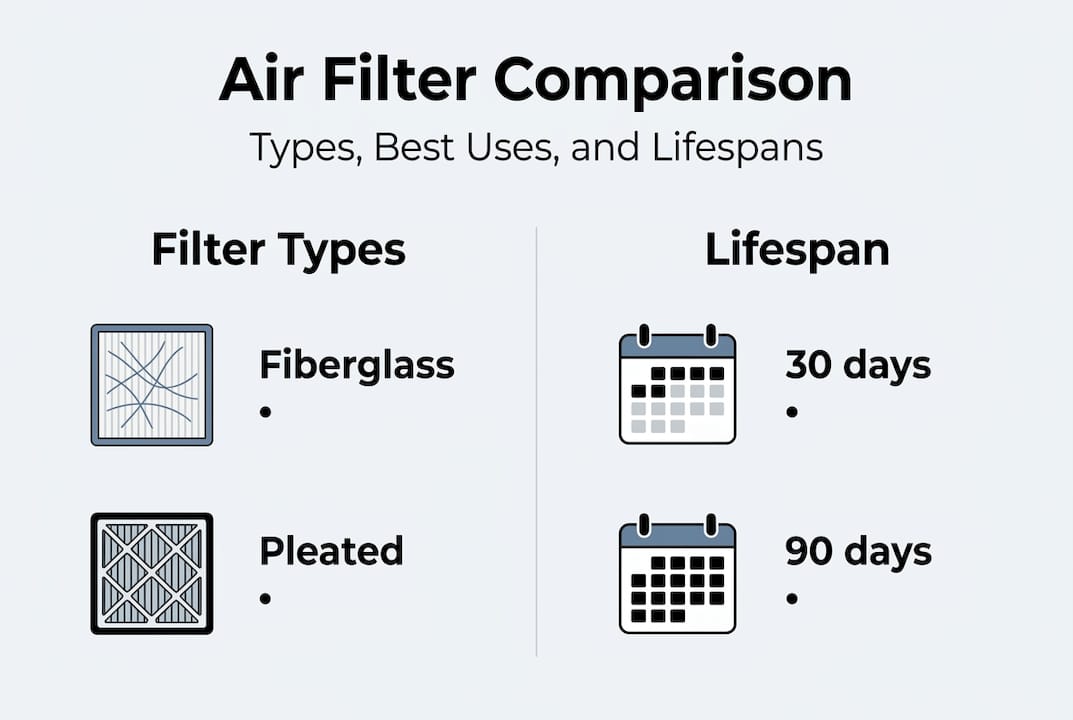
Clean filters extend HVAC life and improve indoor air quality by trapping dust, pollen, and pet dander before they circulate through your living space. For Avondale homeowners, pleated filters in the MERV 8 to 11 range offer a strong balance between filtration and airflow. After a haboob or dust storm, even a relatively new filter can look like it has been in place for months.
Avondale's climate creates specific challenges. Desert dust is fine and pervasive, pollen counts spike in spring and fall, and construction activity in growing neighborhoods adds extra particulates to the air. Reviewing the air filter benefits specific to this region helps you understand why local conditions demand more frequent attention than national averages suggest. Pairing filter replacement with the broader summer maintenance checklist for your home keeps your system ready before peak cooling season hits.
- Disposable gloves (avoid transferring dust to skin or surfaces)
- Replacement filter (correct size and MERV rating for your system)
- Flathead screwdriver (if your vent cover is screwed shut)
- Flashlight (to inspect the duct opening)
- Permanent marker (to date the new filter frame)
Pro Tip: If you want to upgrade to a higher MERV filter, do it gradually. Install a MERV 8, run it for a full cycle, then check whether your system is straining. A drop in airflow or a unit that runs longer than usual signals the filter is too restrictive for your current setup.
Step-by-step: How to replace your air filter
Once you've got the right filter and tools ready, follow these steps for safe and effective replacement.
- Turn off your HVAC system. Use your thermostat to switch the system completely off. Never replace a filter while the system is running because loose debris can get pulled into the blower.
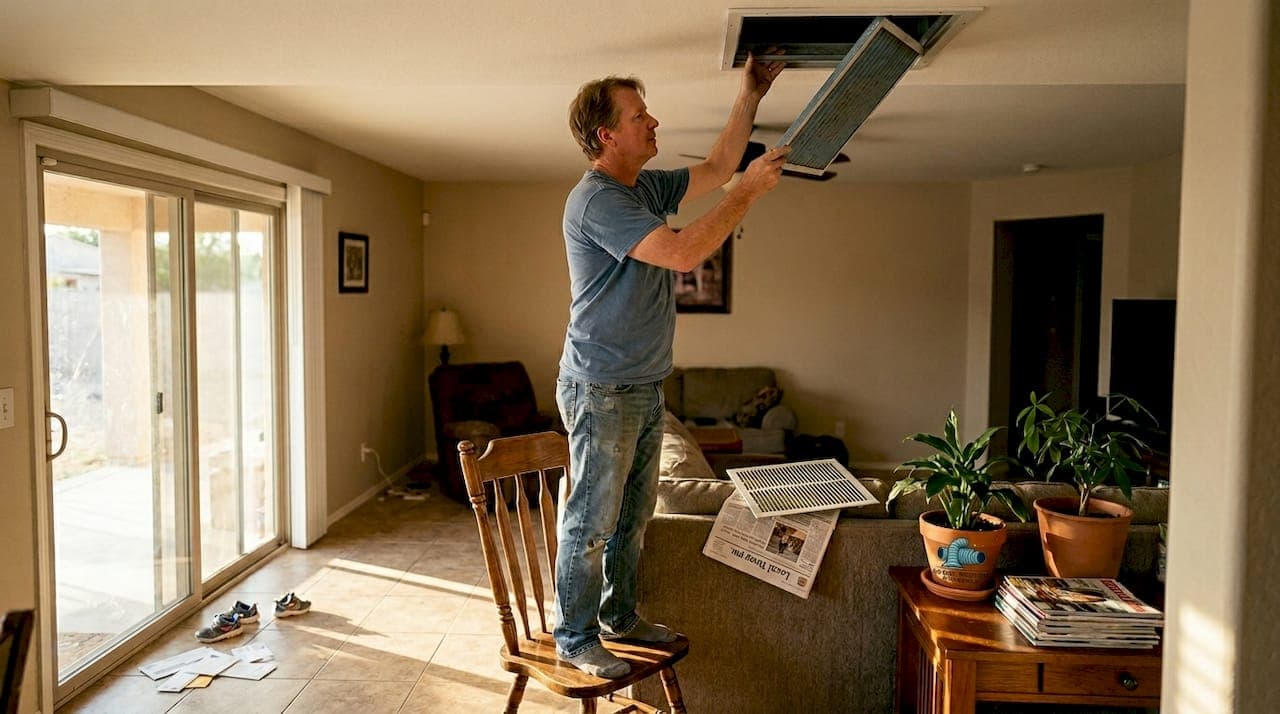
- Locate the filter compartment. In most Avondale homes, the filter sits in the return air vent on a wall or ceiling, or inside the air handler unit itself. Check both locations if you are unsure.
- Remove the old filter carefully. Slide it out slowly to avoid shaking dust loose into the room. Hold it away from your face. Seal it in a plastic bag immediately for disposal.
- Inspect the compartment. Use your flashlight to check for visible debris, mold, or damage inside the duct opening. If you see heavy buildup, that's a sign your ducts may need attention beyond just the filter.
- Insert the new filter. Look for the airflow arrow printed on the filter frame. That arrow must point toward the blower motor, which means it points away from the return air duct and into the unit. Installing it backward is one of the most common mistakes.
- Close and secure the cover. Replace any screws or clips. Make sure there are no gaps around the filter edges.
- Restart your system and observe. Turn the thermostat back on and listen for any unusual sounds during the first few minutes of operation.
Understanding efficient HVAC elements helps you see how the filter fits into the bigger picture of system performance. Reviewing HVAC filter examples from real systems can also help you confirm you have the right product before installation.
Safety reminder: Always turn off your HVAC unit completely before removing or inserting a filter. Running the system without a filter, even for a few seconds, pulls unfiltered air and debris directly into the blower and coil.
ENERGY STAR recommends monthly checks and at least a three-month replacement cycle for most residential filters. In Avondale, that timeline often shortens significantly.
Replacement timeline by filter type
| Filter type | Standard replacement | Avondale adjustment |
|---|---|---|
| Fiberglass | Every 30 days | Every 2 to 3 weeks |
| Pleated (MERV 8 to 11) | Every 60 to 90 days | Every 45 to 60 days |
| High-MERV (13+) | Every 90 days | Every 60 days or after storms |
Pro Tip: Write the replacement date on the filter frame with a permanent marker the moment you install it. Then snap a photo with your phone and set a calendar reminder. You will never have to guess when you last changed it.
Troubleshooting and common mistakes
After replacement, it's important to check for any issues and understand what mistakes to avoid.
Even a straightforward filter swap can go wrong if you rush through it. The most frequent mistake is buying the wrong size. A filter that is even slightly too small leaves a gap around the edges, and unfiltered air flows right past it. Always double-check the size printed on your old filter before heading to the store.
Installing the filter backward is the second most common error. The airflow arrow on the frame exists for a reason. A reversed filter restricts airflow and can cause the system to overheat or freeze the evaporator coil, leading to expensive repairs.
Choosing the wrong MERV rating is a subtler problem. Some push MERV 13+ for allergy relief, but the EPA and HVAC manufacturers warn about serious airflow risks unless your system is specifically designed to handle that resistance. A filter that is too dense for your blower motor forces it to work harder, shortening its lifespan and raising your energy costs. Learning more about health and efficiency trade-offs helps you make a smarter choice.
Important: High-MERV filters may block airflow. Do not upgrade your filter rating unless your HVAC system is rated to support it. Check your system's manual or call a technician before switching.
In Avondale, dust storms are a specific trigger for immediate filter checks. After a significant haboob, your filter may be completely clogged within hours, regardless of when you last replaced it. Understanding ductwork dust solutions gives you a broader strategy for managing desert dust in your system year-round.
Watch for these signs that something went wrong after your replacement:
- Reduced airflow from vents (filter may be backward or too restrictive)
- Unusual rattling or whistling sounds (filter is not seated properly)
- System short-cycling or shutting off early (airflow restriction causing overheating)
- Visible dust coming from vents shortly after replacement (filter gap or wrong size)
- Higher energy bills in the first billing cycle after replacement (filter too dense for the system)
Pro Tip: Small business owners with commercial HVAC units should check filters every week, not every month. High foot traffic, open doors, and commercial kitchen activity all accelerate filter loading. A clogged commercial filter affects both air quality and the comfort of your customers.
How to verify results and maximize indoor air quality
Now that you've replaced your filter and checked for issues, let's see how to verify improvements and stay ahead of local challenges.
A successful filter replacement should produce noticeable results within the first 24 to 48 hours. Stand near your return air vent and feel for steady, consistent airflow. If the airflow feels stronger than before, that is a good sign. Reduced dust settling on furniture over the following week is another reliable indicator.
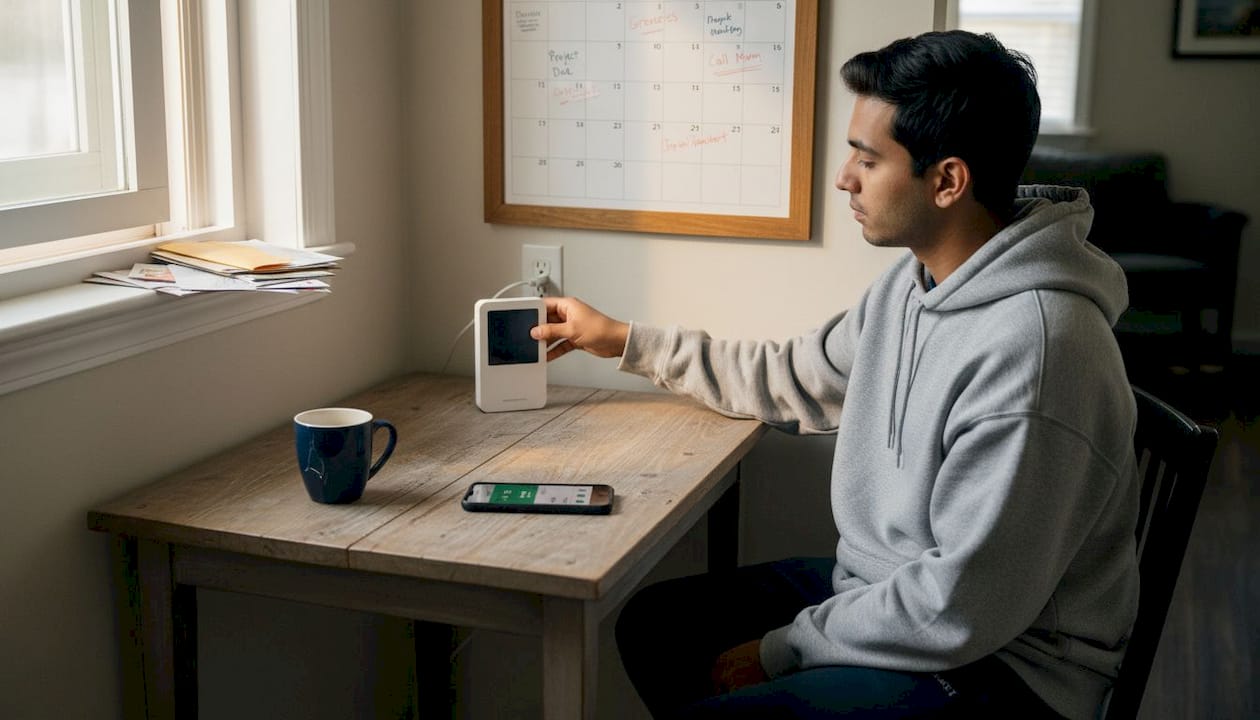
For a more precise check, consider a simple indoor air quality monitor. Affordable plug-in devices measure particulate matter, humidity, and sometimes VOCs. Running one for a few days before and after replacement gives you real data on whether your filter upgrade made a measurable difference.
Dirty filters increase energy use by up to 15 percent, which means a clean filter can trim a meaningful amount from your monthly utility bill. In Avondale, where summer cooling costs run high, that savings adds up fast. Reviewing how HVAC systems improve air quality over time helps you set realistic expectations for what consistent maintenance delivers.
Here are practical habits that keep your results lasting longer:
- Check your filter visually every 30 days, even if you are not replacing it
- After any Avondale dust storm, inspect the filter the same day
- Replace filters before summer and before the fall allergy season
- Keep a small stock of replacement filters at home so you are never caught without one
- Schedule a professional air quality test once a year, especially if anyone in your home has asthma or allergies
- Vacuum return air vent covers monthly to reduce surface dust buildup
For homes with pets, smokers, or recent renovation work, shorten your replacement interval by at least 30 percent. Construction dust is especially fine and loads filters quickly. If you want professional support for ongoing maintenance, the professional filter services available locally can take the guesswork out of scheduling and product selection.
Seasonal planning matters in Avondale. Replace your filter in late April before the summer heat peaks, again in September as the monsoon season winds down, and once more in December before winter heating begins. That three-times-a-year rhythm works well for most households and aligns with the natural shifts in dust and pollen levels across the Valley.
Our take: What most homeowners overlook about air filter replacement
Most guides on air filter replacement treat it like a universal task with a universal answer. Change it every 90 days, buy a MERV 8, done. That advice works fine in a mild climate with average dust levels. Avondale is neither of those things.
What we see consistently in homes and small businesses here is that people follow the calendar instead of the filter. They wait 90 days regardless of what the filter actually looks like. After a dust storm in July, a 30-day-old filter can be completely black. Waiting another two months is not maintenance. It is neglect dressed up as a schedule.
The other thing most guides miss is the marketing pressure around high-MERV filters. There is a real push to sell MERV 13 and MERV 16 products as the obvious upgrade for anyone with allergies. But if your system was built for a MERV 8, dropping in a MERV 13 is like forcing water through a much smaller pipe. The motor strains, efficiency drops, and you end up spending more to breathe slightly cleaner air while shortening the life of a system that costs thousands to replace.
The most effective approach we have seen in Avondale is simple and consistent. Check the filter every month. Replace it when it looks dirty, not when the calendar says to. Match the MERV rating to what your system actually supports. And pair filter replacement with periodic duct checks, because a clean filter in a dusty duct system is only solving half the problem. Explore replacement service options to find the right support level for your home or business.
Local solutions for indoor air quality and filter replacement
For those facing persistent issues or needing commercial solutions, here's how Avondale professionals can help.
Sometimes a filter swap is not enough. If you are replacing filters more frequently than expected, noticing musty odors, or managing a commercial space with complex HVAC needs, professional help makes a real difference. Air Duct and Dryer Vent Cleaning Avondale brings local expertise to every job, understanding exactly how desert conditions, monsoon season, and high-traffic commercial spaces affect your system.
Our team handles everything from residential filter replacement to full commercial duct cleaning for businesses across Avondale. We also provide vent cleaning services that remove the accumulated dust and debris filters cannot catch on their own. And if your laundry room needs attention, our dryer vent cleaning service reduces fire risk while improving dryer efficiency. Flexible scheduling, including after-hours options, means you do not have to rearrange your day to get professional service.
Frequently asked questions
How often should I replace air filters in Avondale, AZ?
Monthly checks are recommended with replacement at least every three months, but after a dust storm, you should inspect and likely replace your filter the same day to protect your system and indoor air quality.
Can I use high-MERV filters in any HVAC system?
No. High-MERV filters restrict airflow in systems not designed for them, which can damage the blower motor and reduce efficiency. Always check your system's specifications before upgrading.
What signs indicate my air filter needs immediate replacement?
Visible dust coating the vent grille, noticeably weaker airflow, and a spike in your energy bill are clear signals. Dirty filters raise energy costs by up to 15 percent, so acting quickly protects both your health and your wallet.
Should small businesses follow different filter maintenance routines?
Yes. Commercial units need weekly checks because higher foot traffic, open entry doors, and commercial activity load filters far faster than a typical home environment does.
Does professional duct cleaning enhance air filter performance?
Absolutely. Clean ducts and filters work together to trap dust and allergens more effectively, and removing duct debris means your new filter does not get overwhelmed within days of installation.
Recommended
- Air Filter Replacement | Air Duct and Dryer Vent Cleaning Avondale
- Why regular air filter replacement boosts health and efficiency
- Types of Air Filters for Clean Indoor Air in Avondale
- Air handler cleaning guide for Avondale homeowners 2026
- Top spring cleaning tips for a fresher home in Australia
- Practical energy efficiency tips to cut bills in 2026