
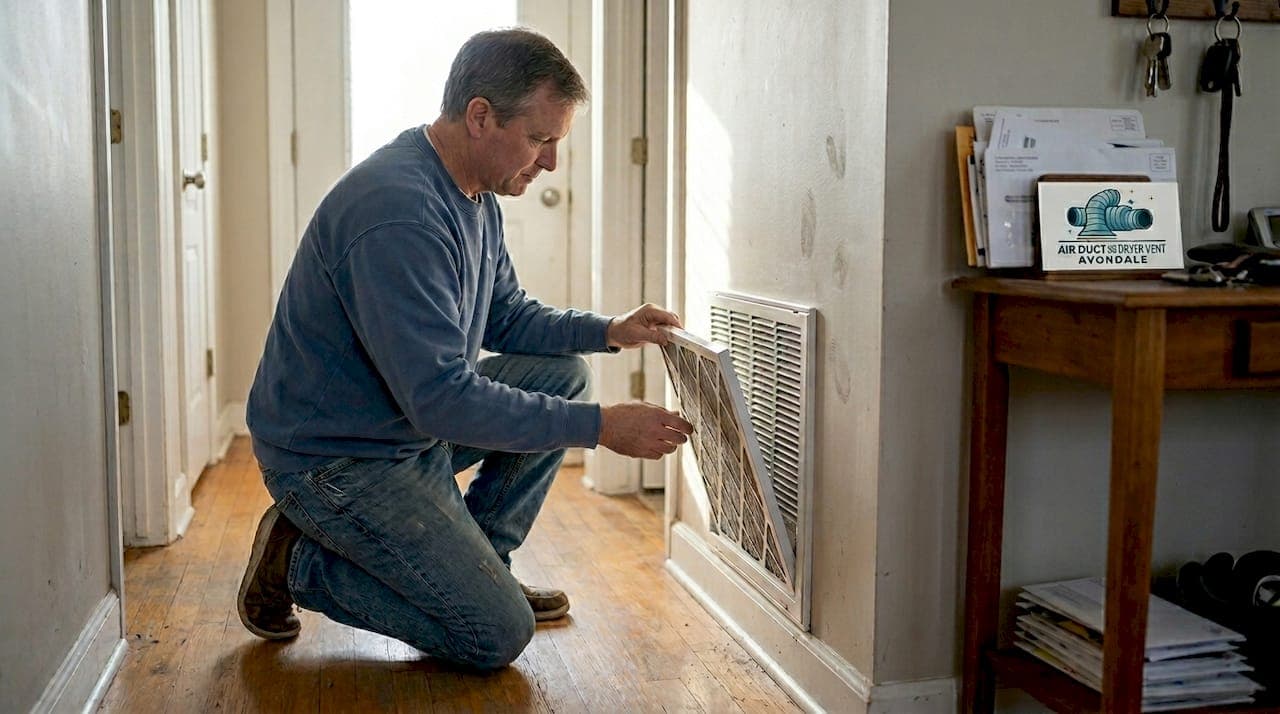
A clogged air filter does more than just look dirty. HVAC efficiency drops and energy bills climb by up to 15% when filters go too long without replacement. For Avondale homeowners, where desert dust and scorching summers push HVAC systems to their limits, this is not a small problem. This article walks you through how air filters affect your health, your wallet, and your home comfort, plus exactly what to do about it.
Table of Contents
- How air filters impact indoor air quality
- Energy efficiency and cost savings with regular replacement
- How often should Avondale homeowners replace air filters?
- DIY vs. professional air filter replacement and maintenance
- Keep your Avondale home healthy and efficient with expert services
- Frequently asked questions
Key Takeaways
| Point | Details |
|---|---|
| Cleaner air for families | Regular filter changes reduce allergens, dust, and pollutants for healthier Avondale homes. |
| Lower energy bills | Replacing clogged filters can cut monthly HVAC costs by up to 15 percent. |
| Easy maintenance schedule | Avondale homeowners should check filters every 1-3 months, more often for pets or allergies. |
| Professional help available | Local experts ensure thorough cleaning and trouble-free filter replacement. |
How air filters impact indoor air quality
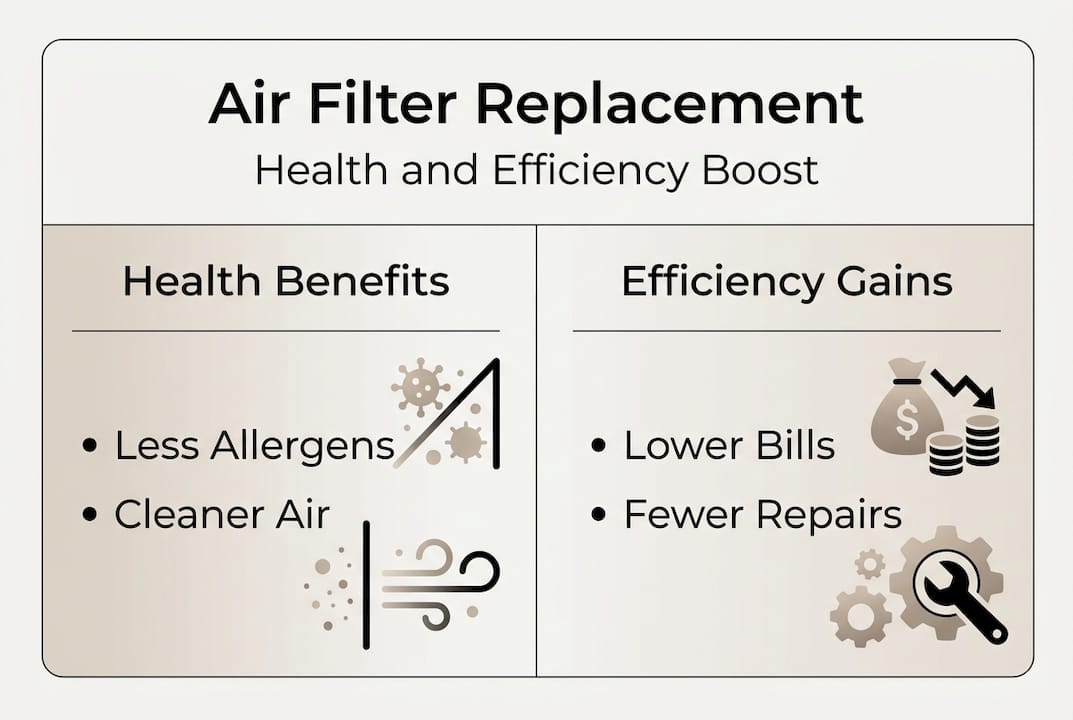
Your air filter is the first line of defense between your family and everything floating through your home's air. Filters trap dust, pet dander, pollen, mold spores, and microscopic particles before they cycle back through your living spaces. When a filter gets clogged, it stops doing its job. Clogged filters allow allergens and pollutants to circulate freely, which triggers respiratory issues and worsens allergy and asthma symptoms.
Avondale's desert climate adds a layer of complexity that homeowners in other parts of the country don't face. Dust storms, dry winds, and fine particulate matter from the surrounding landscape push through your home constantly. Your filter works overtime here compared to a home in a humid, green climate. That means what works for a homeowner in Ohio simply won't cut it for you.
Here's what a healthy air filter captures on a regular basis:
- Dust and dirt particles from daily foot traffic and outdoor air
- Pet dander from dogs, cats, and other animals
- Pollen from desert plants and seasonal blooms
- Mold spores that thrive in HVAC systems
- Bacteria and fine particulate matter that irritate lungs
Choosing the right air filter types for your home makes a real difference in what gets captured. Not all filters are created equal, and understanding HVAC filter examples helps you pick the right MERV rating (Minimum Efficiency Reporting Value, a scale that measures how well a filter captures particles) for your specific needs.
"The EPA recommends replacing air filters every 1 to 3 months for optimal indoor air quality."
Ignoring this recommendation in Avondale is a gamble with your family's health. Sneezing more often, waking up congested, or noticing more dust on your furniture are all signs your filter is losing the battle.
Energy efficiency and cost savings with regular replacement
Here's something most homeowners don't realize: your HVAC system doesn't know your filter is dirty. It just keeps trying to push air through. When the filter is clogged, the system strains harder, runs longer, and burns more energy to move the same amount of air. Replacing a clogged filter can immediately lower HVAC energy consumption by up to 15%.
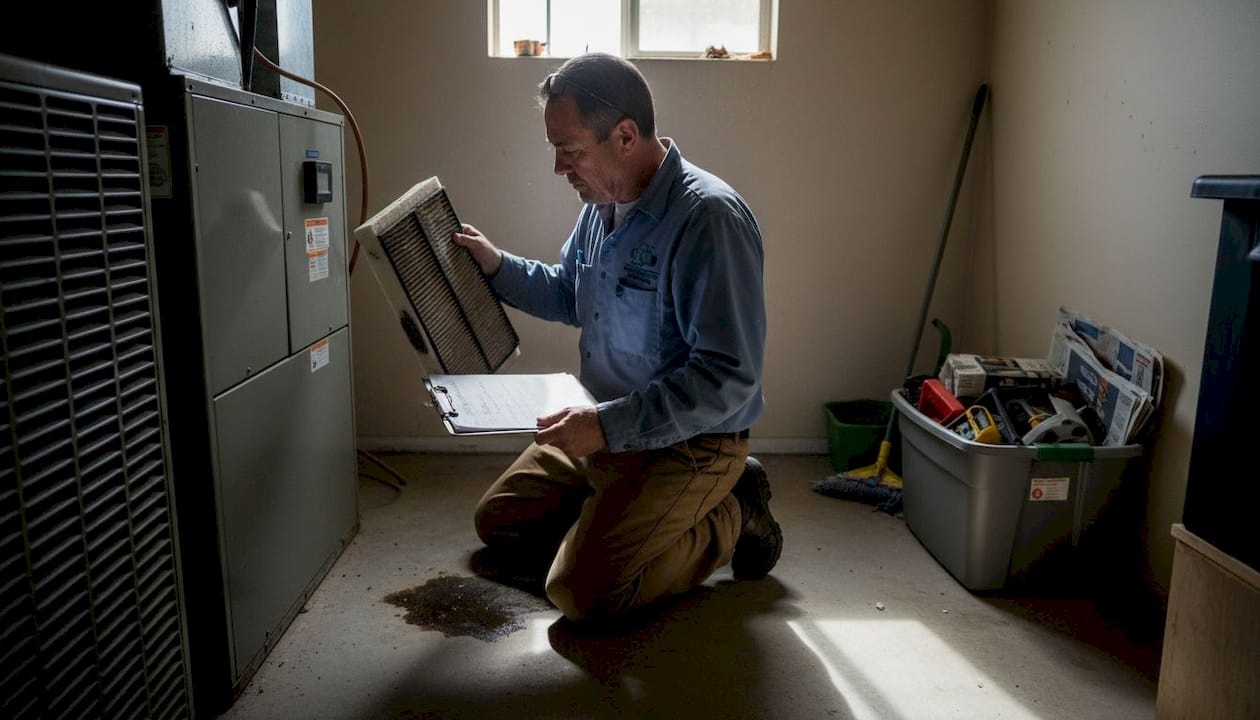
In Avondale, where summer cooling bills are already high, that 15% adds up fast. If your monthly energy bill runs $200 in peak summer, a dirty filter could be costing you an extra $30 every single month. Over a year, that's real money.
Energy cost comparison: clean vs. dirty filter in Avondale
| Scenario | Estimated monthly bill | Annual cost |
|---|---|---|
| Clean filter (replaced regularly) | $185 | $2,220 |
| Dirty filter (neglected 3+ months) | $213 | $2,556 |
| Potential savings | $28/month | $336/year |
Estimates based on average Avondale household energy use and a 15% efficiency loss from clogged filters.
Improving HVAC filter efficiency is one of the easiest wins available to any homeowner. It costs a few dollars and 10 minutes of your time. The return is immediate.
Pro Tip: Set a recurring phone reminder on the first of every month to check your filter. You don't have to replace it every time, but a quick visual check keeps you ahead of the problem.
Follow these steps to maximize your savings:
- Check your filter monthly. Hold it up to a light source. If you can't see light through it, replace it.
- Buy filters in bulk. Purchasing a 6-pack costs less per filter and removes the excuse of not having one on hand.
- Write the installation date on the filter frame with a marker so you always know how old it is.
- Match the filter to your system. Using the wrong size reduces efficiency even with a brand-new filter.
- Schedule a professional HVAC cleaning at least once a year to keep the whole system running clean. You can schedule HVAC cleaning to pair with your filter routine for best results.
How often should Avondale homeowners replace air filters?
The standard advice of every 1 to 3 months is a starting point, not a finish line. Your actual replacement schedule depends on your household. Homes with pets or allergies should replace filters every 1 to 2 months. In Avondale's dusty environment, even average households often need to replace filters closer to every 4 to 6 weeks during peak dust season.
Replacement frequency by household type
| Household type | Recommended frequency |
|---|---|
| Single person, no pets | Every 2 to 3 months |
| Average family, no pets | Every 1 to 2 months |
| Home with one pet | Every 1 to 2 months |
| Multiple pets or allergy sufferers | Every 3 to 4 weeks |
| Avondale home during dust season | Every 3 to 4 weeks |
Reviewing the air handler cleaning guide for Avondale homeowners gives you a fuller picture of how your entire system works together. And if your vents are aging or damaged, vent replacement services can prevent air leaks that make even a fresh filter less effective.
Pro Tip: Write the replacement date directly on the filter frame or on a sticky note inside the vent cover. It takes five seconds and saves you from guessing.
Watch for these signs that your filter needs replacing now, regardless of schedule:
- Visible gray or brown buildup on the filter surface
- Reduced airflow from your vents (rooms feel stuffy or warm)
- Allergy or asthma flare-ups that seem worse indoors
- Dust settling faster than usual on furniture and surfaces
- Your HVAC running longer cycles than it used to
Any one of these signs means it's time to swap the filter, even if it's only been a few weeks.
DIY vs. professional air filter replacement and maintenance
Replacing an air filter yourself is genuinely simple. Pull out the old one, slide in the new one, done. But there's more to HVAC maintenance than just the filter swap, and that's where the DIY vs. professional question gets interesting.
DIY vs. professional air filter replacement
| Factor | DIY | Professional service |
|---|---|---|
| Cost per visit | $5 to $30 (filter cost only) | $80 to $200+ |
| Time required | 10 to 15 minutes | 1 to 2 hours |
| Filter sizing accuracy | Risk of error | Guaranteed correct fit |
| HVAC system inspection | Not included | Included |
| Hidden issue detection | Unlikely | High probability |
| Frequency | Monthly | Annually or as needed |
Professionals provide thorough cleaning, inspect the entire HVAC system, and can spot hidden issues like duct leaks, mold growth, or failing components before they become expensive repairs. That's a level of protection a DIY filter swap simply can't match.
Here's an honest look at both sides:
Risks of DIY replacement:
- Buying the wrong filter size, which lets unfiltered air bypass the filter entirely
- Missing early signs of duct damage or mold
- Forgetting to replace on schedule without a professional reminder system
- Not knowing which MERV rating suits your system
Benefits of DIY replacement:
- Low cost per change
- Flexible timing, no appointment needed
- Builds awareness of your home's air system
The smart approach for most Avondale homeowners is a combination. Handle monthly filter checks yourself, and book a professional HVAC cleaning once or twice a year. You get the savings of DIY with the peace of mind of professional oversight. Exploring the filter replacement benefits in detail shows just how much a consistent routine protects your investment. For homeowners who want a hands-off solution, air filter replacement services handle everything from sizing to installation.
Keep your Avondale home healthy and efficient with expert services
You now know exactly how air filters affect your health, your energy bills, and your HVAC system's lifespan. Putting that knowledge into action is the next step, and you don't have to do it alone.
At Air Duct and Dryer Vent Cleaning Avondale, we make it easy for Avondale homeowners to stay on top of their indoor air quality. Our air filter replacement services ensure the right filter, the right fit, and a system that runs the way it should. Pair that with professional air duct cleaning to remove built-up debris from your entire system, and consider indoor air quality testing to get a clear picture of what's actually in your home's air. We offer flexible scheduling, including after-hours options, so maintenance fits your life, not the other way around.
Frequently asked questions
How often should I replace my air filter in Avondale?
Most Avondale homeowners should replace air filters every 1 to 2 months due to the desert climate's heavy dust load. If you have pets or allergies, aim for every 3 to 4 weeks.
Can dirty air filters affect my energy bill?
Yes. Clogged filters raise energy consumption by up to 15%, which means higher monthly bills simply because your HVAC is working harder than it needs to.
Is it better to replace air filters myself or hire a professional?
DIY works fine for routine monthly swaps, but professional HVAC cleaners ensure proper fit, deep system cleaning, and early detection of problems that a filter change alone won't reveal.
What signs show my air filter needs replacing?
Low airflow from vents, visible dust buildup on the filter, and worsened allergy symptoms indoors are the clearest signals that your filter needs to come out now.