
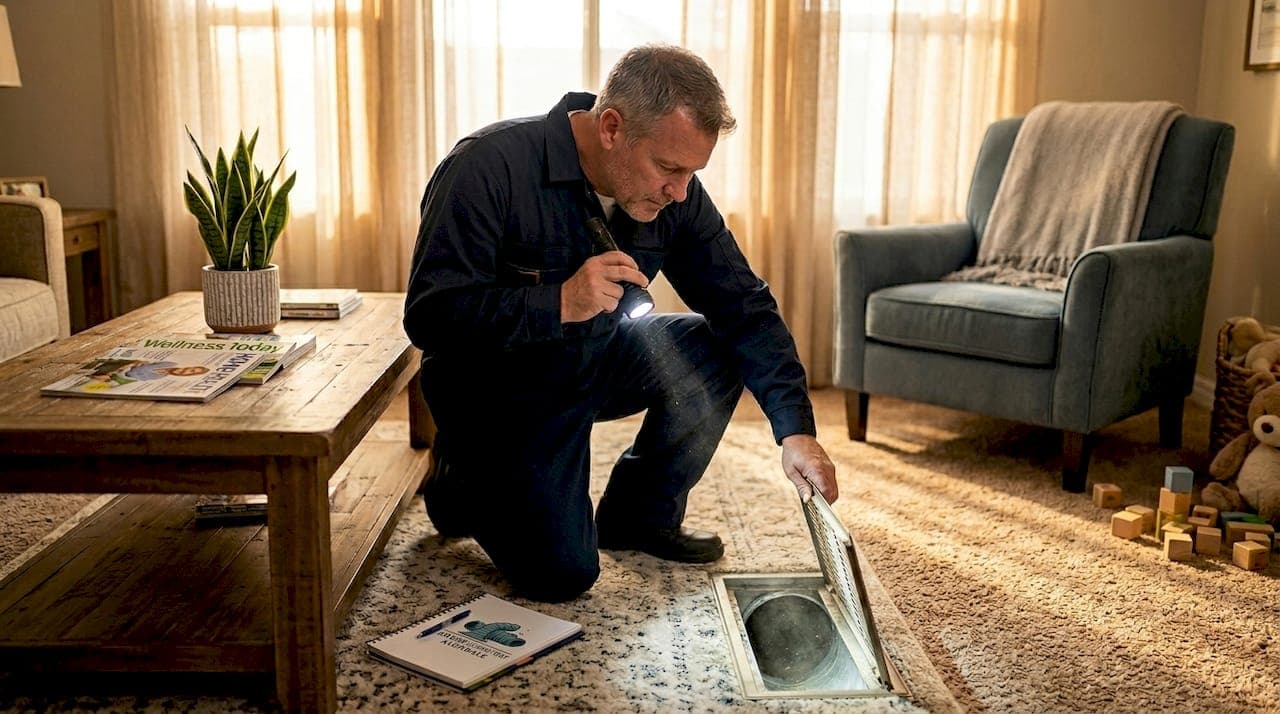
TL;DR:
- Many Avondale residents are misled by myths promoting annual duct cleaning, which is often unnecessary without specific signs of contamination. The EPA recommends cleaning only when there is visible mold, vermin infestation, or active dust release, rather than based on time schedules. Proper, source-removal cleaning methods and addressing underlying issues are essential for maintaining healthy indoor air quality and avoiding unnecessary costs.
Every spring and summer, Avondale homeowners get bombarded with flyers, ads, and neighbor advice all saying the same thing: "Get your ducts cleaned every year." But then you do a little research and find completely different guidance from health agencies, and suddenly you're not sure who to believe. The confusion is real, and it matters, because making the wrong call can cost you hundreds of dollars or, worse, leave a genuine air quality problem untreated. This article cuts through the noise with evidence-based answers, so you can make smarter decisions for your home or business right here in the Valley.
Table of Contents
- Common HVAC cleaning misconceptions in Avondale
- When HVAC cleaning is truly necessary: Evidence-based triggers
- Routine vs. as-needed: The real cost and risk of over-cleaning
- Proper HVAC cleaning methods: What works, what doesn't
- The uncomfortable truth about HVAC cleaning no one tells you
- Get expert HVAC cleaning and air quality help in Avondale
- Frequently asked questions
Key Takeaways
| Point | Details |
|---|---|
| Don’t clean on a schedule | Only clean HVAC ducts if you see mold, vermin, or heavy dust releasing from vents. |
| Proper methods matter | Containment-based, not cosmetic, cleaning preserves air quality and safety. |
| Beware add-on products | Most duct sanitizers and sprays are unproven and not EPA registered. |
| Address root causes | Fix moisture, leaks, or pests to avoid future contamination and need for cleaning. |
| Expert help is best | Rely on well-trained, trusted professionals using evidence-based practices for safer air. |
Common HVAC cleaning misconceptions in Avondale
With the confusion set, let's break down the most common myths people in Avondale face about duct cleaning.
Avondale sits in one of the dustiest metro areas in the country. That fact alone makes residents easy targets for aggressive HVAC cleaning marketing. When dust storms roll through and your vents look grimy, it feels logical that your ducts must be filthy and hazardous. Unfortunately, that feeling leads many people straight into the arms of companies pushing services they may not actually need. The professional HVAC cleaning myths that circulate locally often sound convincing because they are wrapped around just enough truth to seem credible.
Here are the five misconceptions we hear most often from Avondale residents and small business owners:
- Routine annual cleaning is always necessary. Many companies advertise yearly cleanings as standard practice. The reality? The EPA does not recommend routine, scheduled air-duct cleaning for most homes; instead, it says to consider cleaning only on an as-needed basis. A yearly schedule sounds safe, but it is often more about revenue than results.
- Cleaning your ducts prevents health problems. This is perhaps the most emotionally compelling pitch, especially for families with allergy sufferers. But duct cleaning alone has never been shown to actually prevent health problems. Cleaning removes visible debris, but the microscopic particles that trigger allergies move through filters, not just ducts.
- If your vents look dirty, your whole system is contaminated. Visible dust on vent covers is mostly surface-level buildup from everyday air movement. It does not automatically mean your entire duct system is compromised. Vent covers collect dust the same way your furniture does, and wiping them down is not the same situation as needing a full system cleaning.
- All cleaning methods are equally effective. A company using a shop vac and a leaf blower is not delivering the same result as a trained technician using negative-pressure equipment and source-removal techniques. The method matters enormously, and this is a detail most advertisements skip entirely.
- Add-ons like sanitizers and sealants always make things better. Chemical sprays and encapsulants are frequently upsold during cleaning appointments. Experts warn strongly against treating these as substitutes for actual physical removal of contaminants. You can read more about common HVAC issues that actually warrant professional attention versus those that do not.
Pro Tip: The EPA advises cleaning ducts only if you see specific signs: visible mold growth inside ducts, evidence of rodents or insects living in the system, or dust and debris actively blowing out of supply registers into your living space. Without those signs, cleaning may not be justified.
Understanding these misconceptions is the first step toward spending your money wisely and protecting the air you breathe.
When HVAC cleaning is truly necessary: Evidence-based triggers
Understanding the myths, let's look at when you should actually consider cleaning those ducts.
The EPA has established clear, evidence-based criteria for when duct cleaning moves from unnecessary to genuinely warranted. These are not vague guidelines. They are specific, observable conditions that any homeowner can look for. And knowing them protects you from both over-cleaning and from ignoring a real problem.
"Duct cleaning has never been shown to actually prevent health problems." — EPA
Here are the three primary triggers the EPA identifies when cleaning is justified for substantial contamination situations:
- Visible mold growth inside the duct system or on hard-surface components. This includes mold on the inside walls of sheet-metal ducts, on cooling coils, or on other accessible components. If a technician claims there is mold but cannot show it to you directly or verify it through testing, ask questions. Not every dark stain is mold, and genuine mold identification sometimes requires lab testing.
- Vermin infestation: rodents or insects confirmed living in the ducts. If mice, cockroaches, or other pests have set up residence inside your duct system, cleaning becomes necessary both for air quality and for system integrity. The droppings, dander, and nesting materials these animals leave behind are genuine health concerns.
- Excessive dust or debris actively releasing particles from supply registers. This means visible puffs of dust blowing into the room when your HVAC kicks on, not just dust sitting on a vent cover. If your system is actively redistributing heavy debris into your living space, that qualifies as a real problem worth addressing.
Knowing these key signs you need duct cleaning helps you have a much more productive conversation with any service provider. In Avondale's climate, dust accumulation is a daily reality, but that does not automatically push every home into the "needs cleaning" category. Vigilance matters. Check your vents seasonally, especially after a major dust storm, and look for the specific triggers above rather than reacting to general dustiness. For guidance on scheduling cleaning for better air at the right time, evidence-based thinking is always your best tool.
Understanding how dust impacts HVAC systems differently in desert climates also helps you set realistic expectations. Desert dust particles tend to be larger and settle faster than many other pollutants, which actually means they are easier to filter out before entering ducts when your filtration is working properly.
Routine vs. as-needed: The real cost and risk of over-cleaning
But what happens if you clean too often or on a rigid schedule? Let's examine the consequences.
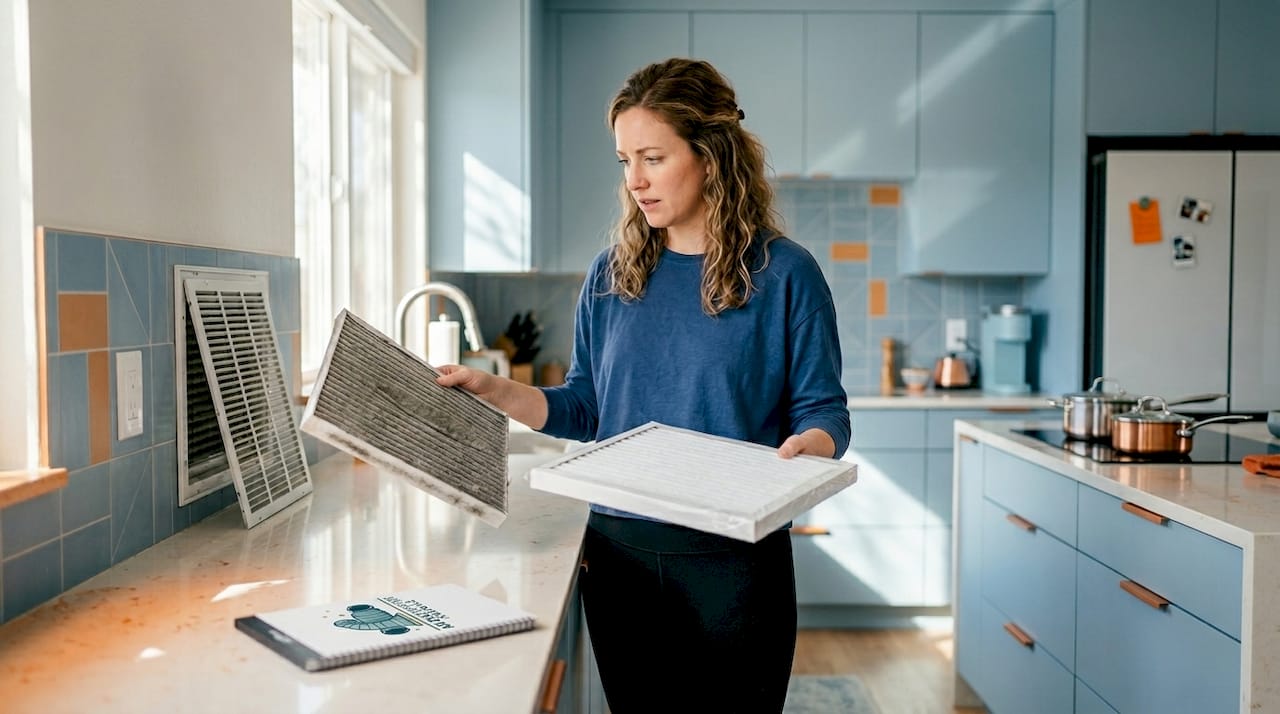
Over-cleaning is a real problem that rarely gets discussed. The cleaning industry has obvious financial incentives to promote frequent service visits, but unnecessary cleaning carries actual costs and risks that fall on you, not on them.
| Factor | Routine/scheduled cleaning | As-needed cleaning |
|---|---|---|
| Average cost per visit | $300 to $600 | $300 to $600 |
| Frequency | Annually or biannually | Only when triggered |
| System wear risk | Repeated duct disturbance | Minimal, targeted |
| Air quality benefit | Unproven without contamination | Directly addresses real issue |
| Local dust relevance | Does not reduce Avondale dust entry | Addresses specific buildup events |
| Filter strategy needed | Still required regardless | Required, often sufficient alone |
The table above makes clear that the cost per visit is identical whether you clean on schedule or on need. The real difference is how many times you pay for a service that may not be delivering measurable benefit. Over several years, routine cleaning in Avondale can add up to thousands of dollars without a single documented improvement in air quality.
Here are some hidden costs of unnecessary cleaning that Avondale homeowners and business owners often overlook:
- Physical damage to duct liners. Flexible ductwork, which is common in many Avondale homes built in the 1990s and 2000s, can be torn or punctured by aggressive cleaning equipment. A damaged duct liner means conditioned air leaking into unconditioned spaces, which spikes your energy bills.
- Disturbed settled dust becoming airborne. Ironically, a poorly performed cleaning can temporarily worsen indoor air quality by dislodging settled particles and sending them into your living space before they can be captured.
- Unnecessary chemical exposure. When sanitizing sprays are applied unnecessarily, you are adding chemical residue to a system that circulates air through your entire home. That is not a neutral outcome.
- False sense of security. Paying for a cleaning you did not need can make you feel like you have done your due diligence, even while an actual problem like a moisture leak or filter gap goes unaddressed.
The DIY duct cleaning risks are even more significant, since consumer-grade tools cannot create the negative pressure needed to safely contain and remove debris from a full system. And while smart duct cleaning scheduling is worth understanding, it is important to note that even sealed ducts and routine filter changes may not eliminate all contamination scenarios. As the EPA explains, dust, mold, and pest contamination can create a reservoir inside ducts that cleaning addresses when contamination is actually present, not before.
Pro Tip: Your first and most cost-effective line of defense is a high-quality air filter changed on a regular schedule, typically every 1 to 3 months in Avondale's dusty environment. A MERV 8 to MERV 11 rated filter captures the vast majority of airborne particles before they ever reach your duct system. This one habit alone can dramatically reduce the buildup that eventually triggers a legitimate need for cleaning.
Proper HVAC cleaning methods: What works, what doesn't
Now that you know when to clean and when not to, let's talk about how quality HVAC cleaning is actually performed, and which methods to avoid.
Not all duct cleaning services are created equal, and the difference between a good job and a bad one is not always obvious from the price tag or the sales pitch. Industry experts, including the American Industrial Hygiene Association (AIHA), emphasize that effective cleaning must focus on the entire system, not just the visible parts.
| Method | "Blow-and-go" cleaning | Containment-based source removal |
|---|---|---|
| Equipment | Basic vacuum, compressed air | Negative pressure unit, HEPA filtration |
| Scope | Visible vents and registers | Full system: coils, blower, ducts, registers |
| Containment | None, debris may spread | Contained and captured before removal |
| Verification | None provided | Visual inspection, sometimes air testing |
| Industry endorsement | Not recommended | Preferred method by AIHA and EPA |
| Risk to system | Can spread contamination | Minimizes cross-contamination |
The AIHA emphasizes assessment and system-wide, source-removal cleaning rather than only vacuuming visible vents, along with verification and avoiding certain practices that do more harm than good. A complete cleaning job includes the air handler, evaporator coil, blower motor, and all accessible duct surfaces, not just the grilles you can see from the floor.
Here are the specific practices you should avoid, and red flags to watch for when hiring a service provider:
- Unproven sanitizing sprays applied inside ducts. The EPA has not registered any chemical products for use as duct disinfectants or sanitizers. When a company tells you a spray will kill mold or bacteria in your ducts, ask them to show you the EPA registration number. You will not find one.
- Sealants or encapsulants used as a shortcut. Some companies spray a coating inside ducts claiming it seals in dust or kills mold. Experts flag this as a substitute for proper physical removal, not a supplement. Sealants can also crack over time and introduce new particles into your airstream.
- Vent-only jobs without system access. If a technician only cleans the vent covers and the visible inch or two of duct behind them, they have not done a real cleaning. This is the most common complaint in the industry and the reason "blow-and-go" operations have such a poor reputation.
- No negative pressure containment. A properly performed cleaning creates negative pressure inside the duct system so that when debris is dislodged, it is pulled into a HEPA-filtered collection unit rather than blown back into your home. If you do not see a large-diameter hose connected to your system and leading outside or to collection equipment, that is a warning sign.
Be cautious of add-ons like biocides, sealants, and sanitizing sprays as a substitute for proper source removal, as these products lack the evidence base to justify their cost or the risks they introduce. A detailed step-by-step cleaning guide can help you understand exactly what a legitimate job looks like from start to finish, so you know what to expect and what questions to ask before work begins.
The uncomfortable truth about HVAC cleaning no one tells you
Here is real talk: what hardly any ad or salesperson explains about ducts and your health.
After years of working with Avondale homeowners and business owners, we have noticed a pattern. The clients who spend the most on HVAC cleaning, and see the least improvement, are usually chasing dust. They want perfectly clean ducts, and they keep paying for repeated cleanings hoping to get there. Here is what no marketing campaign will ever tell you: a perfectly dust-free duct is not a realistic goal, and it is not even the right goal.
Dust gets into ducts through return air, through leaky connections, through gaps around registers, and through the natural movement of air in any occupied building. In Avondale, where outdoor dust concentrations are among the highest in the Southwest, some dust in your system is simply a fact of life. Chasing it with annual cleanings is like mopping your floor during a rainstorm without closing the windows.
The real threats to your indoor air quality are not the ones you can see on a vent cover. They are the ones hiding in plain sight: moisture intrusion from a slow condensate leak, pest entry points where your ductwork meets exterior walls, or a cracked duct connection pulling in attic air loaded with insulation fibers. These are the conditions that evidence suggests truly warrant action and that drive repeat contamination even after cleaning. A better approach than "clean ducts every year" is to clean when there is actual evidence of contamination and fix the underlying moisture, leak, or pest access issue that caused it.
We have seen homes where mold kept returning to ducts because the real problem was a slow drip from the air handler's condensate pan. Cleaning the ducts three times did not fix it. Fixing the pan did. That same principle applies to pest entry. Closing the gaps that let rodents access ductwork stops the problem at its source. Cleaning alone just delays the next contamination cycle.
The airflow benefits from proper cleaning are real when cleaning is done at the right time and for the right reasons. But they disappear quickly if the underlying cause is not addressed. Our honest advice: if you see recurring dustiness, notice musty odors from vents, or find yourself getting cleanings that seem to lose their effect within months, stop spending money on the symptom and have an HVAC professional evaluate the root cause. That investigation will almost always be the better investment.
Pro Tip: If you notice a musty smell coming from your vents after your HVAC runs, do not immediately book a duct cleaning. First, have a technician inspect the evaporator coil and condensate pan for moisture or mold growth at the source. Cleaning the coil is often more effective and less expensive than cleaning the entire duct system.
Get expert HVAC cleaning and air quality help in Avondale
Armed with the facts, here is how you can make safer, smarter decisions and where to turn for trusted local help.
Living in Avondale means accepting that dust is a constant companion outdoors. But your indoor air does not have to follow the same rules. The key is working with a service provider who applies evidence-based thinking rather than one-size-fits-all annual cleaning packages.
At Air Duct and Dryer Vent Cleaning Avondale, we start every job with an honest assessment. If your ducts do not meet the EPA's evidence-based triggers for cleaning, we will tell you that directly and help you identify what will actually improve your indoor air. Our air vent and duct cleaning services use source-removal methods with HEPA-filtered negative pressure equipment, following the industry standards the AIHA recommends. For homeowners and business owners who want to know what is actually in their air, our indoor air quality testing service gives you real data rather than guesswork. And for commercial properties, our commercial duct cleaning team handles systems of any size with the same evidence-based approach. Reach out today and get answers built on facts, not fear.
Frequently asked questions
Does HVAC duct cleaning improve indoor air quality?
Duct cleaning can help when there is visible mold, vermin, or excessive dust blowing from registers, but the EPA notes uncertainty about whether it improves air quality in most average homes. Without a confirmed contamination trigger, other strategies like better filtration typically deliver more consistent results.
How often should I clean my home's air ducts?
You should clean air ducts only when you see evidence of contamination such as mold, pests, or heavy dust releasing from vents, not based on a fixed annual or biannual schedule. Sticking to evidence-based triggers saves money and avoids unnecessary system disturbance.
Are chemical sprays or duct sanitizers recommended?
No. Expert guidance warns against unproven chemical sprays used inside ducts, and the EPA has not registered any chemical products specifically for duct disinfecting or sanitizing. Physical source removal by qualified technicians remains the only method supported by industry evidence.
What are the signs I actually need HVAC duct cleaning?
The three main signs are visible mold growth inside ducts, confirmed pest infestation, and dust actively releasing from supply registers during system operation. A dusty vent cover alone does not meet the threshold for a full cleaning.