
TL;DR:
- Regular professional dryer vent cleaning prevents apartment fires, reduces energy bills, and prolongs appliance life.
- Building-wide duct maintenance requires licensed professionals due to system complexity and shared exhaust stacks.
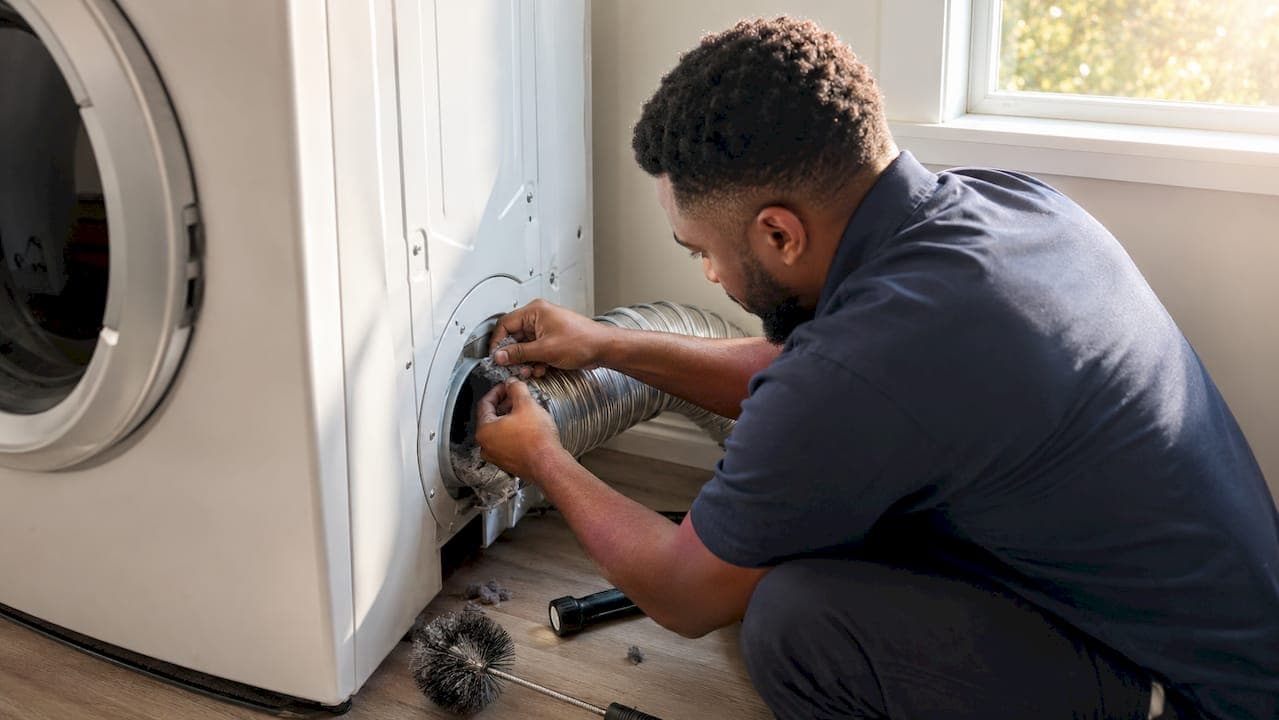
Dryer vent cleaning is defined as the removal of lint, debris, and blockages from the exhaust duct that carries hot, moist air out of your dryer. The role of dryer vent cleaning in apartments goes beyond simple appliance care. It directly prevents fires, cuts energy waste, and protects every resident in the building. Dryers and washing machines cause approximately 2,900 home structure fires each year, with failure to clean the vent listed as the leading cause. In a multi-unit building, one neglected vent puts an entire floor at risk.
What are the fire hazards caused by clogged dryer vents in apartments?
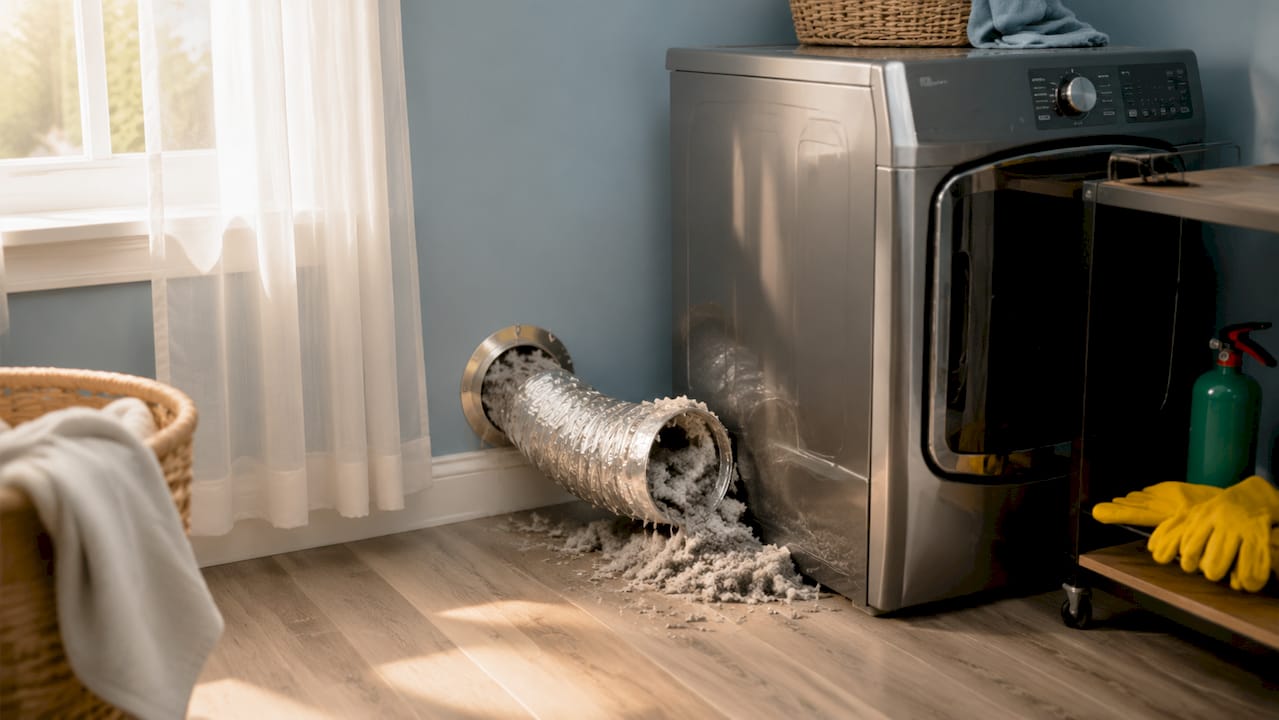
Lint is the most flammable material in your home. It ignites at low temperatures and burns fast. When lint builds up inside a dryer duct, even a small spark from the heating element is enough to start a fire.
The problem is worse in apartment buildings than in single-family homes. Most multi-unit buildings use shared vertical exhaust stacks where lint from multiple units collects in a single column of ductwork. That shared stack sits behind walls and above ceilings, completely out of reach for any resident. When no one services it, lint accumulates for years.
Shared vertical exhaust stacks in apartment buildings are the most common points for hazardous lint accumulation. Residents cannot access these ducts on their own, and property managers who skip routine service create a building-wide fire risk that affects every tenant.
A dryer fire in an apartment does not stay contained to one unit. Smoke and flames travel through shared walls, ceilings, and the exhaust stack itself. The consequences include property damage, displacement of multiple families, and serious injury. The role of dryer vent safety in multifamily buildings is therefore a collective responsibility, not just an individual one.
Restricted airflow also forces the dryer to run hotter than designed. That excess heat accelerates wear on the heating element and drum bearings. A dryer running too hot is both a fire hazard and an appliance headed for early failure.
How does dryer vent cleaning improve efficiency and reduce energy costs?
A clogged vent forces your dryer to work harder for every load. Clogged dryer vents use up to 30% more electricity or gas compared to a clean system. That difference shows up directly on your monthly utility bill.
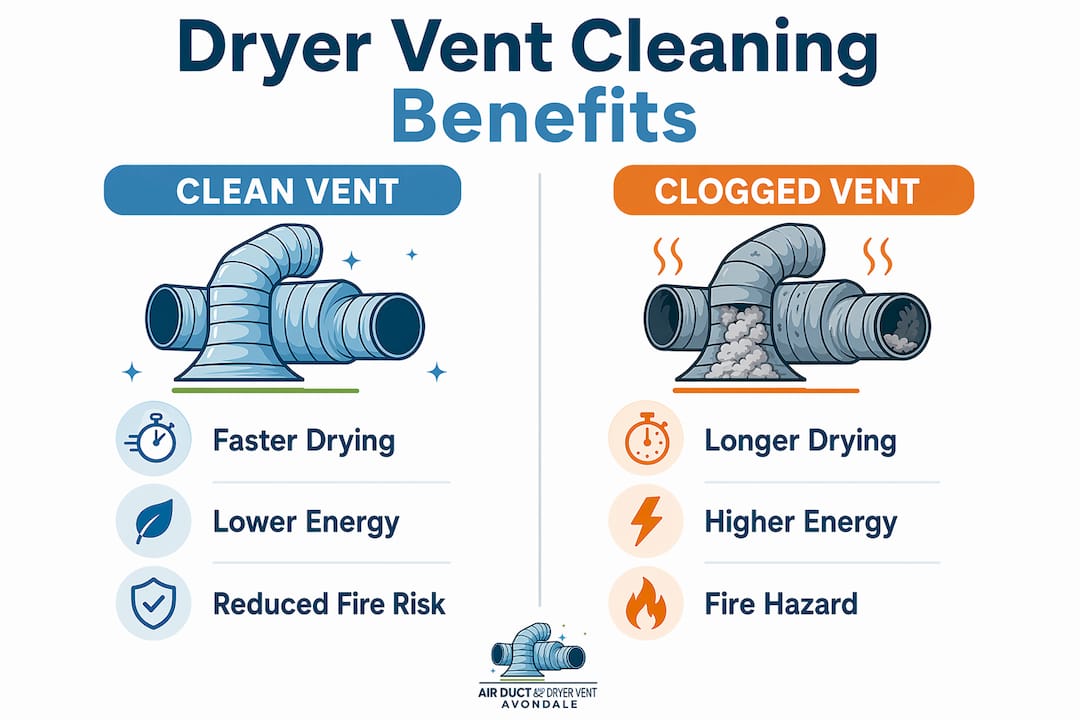
The table below shows how clean and clogged vents compare across key performance areas.
| Performance Factor | Clean vent | Clogged vent |
|---|---|---|
| Drying time per load | 45–60 minutes | 90+ minutes |
| Energy consumption | Standard | Up to 30% higher |
| Heating element wear | Normal | Accelerated |
| Moisture exhaust | Full | Partial or blocked |
| Mold risk | Low | High |
Moisture is the second major problem. When airflow is blocked, humid air from wet clothes has nowhere to go. It backs up into the dryer cabinet and the surrounding wall cavity. Moisture trapped behind the dryer leads to mold growth inside walls, which creates an air quality problem for the entire unit. Mold remediation costs far more than a routine vent cleaning.
The benefits of dryer vent cleaning extend to your appliance lifespan as well. A dryer running on a clear duct completes cycles at the correct temperature. That means less strain on the motor, heating element, and drum. Residents who clean their vents regularly get more years out of the same machine.
Pro Tip: Check your lint screen after every load. If lint is not collecting on the screen the way it used to, airflow may already be restricted inside the duct itself.
You can also find useful context on duct cleaning frequency for residential properties, which applies directly to dryer vent systems in apartments.
How often should dryer vents be cleaned in apartments?
Industry standards recommend that dryer vent systems be inspected and cleaned at least once a year. Buildings with high usage or long duct runs should schedule cleaning every six months. In apartment complexes where multiple residents share laundry facilities or stacked units share exhaust columns, the six-month schedule is the safer choice.
Responsibility for cleaning is split between residents and property management. Here is how that division typically works:
- Residents clean the lint screen before every load, wipe down the flexible hose behind the dryer, and report warning signs to management promptly.
- Property managers arrange professional cleaning of the main duct runs, shared stacks, and exterior vent caps on a scheduled basis.
- Both parties benefit from documented cleaning records, which protect residents from unsafe conditions and protect managers from liability.
The signs of clogged dryer vents worth reporting immediately include clothes that are still damp after a full cycle, a burning smell during operation, the dryer exterior feeling unusually hot to the touch, and visible lint around the exterior vent cap.
Waiting for these warning signs before scheduling a cleaning is unsafe. By the time symptoms appear, lint buildup is already significant. Early, scheduled maintenance prevents the problem rather than reacting to it.
Coordinating cleaning across multiple units takes planning. Property managers who schedule building-wide service days, notify residents in advance, and keep written records of each unit serviced create a system that works. Residents who respond promptly to scheduling notices make that system possible.
Pro Tip: Ask your property manager for a copy of the last dryer vent cleaning record. If one does not exist, request that a professional inspection be scheduled. You have every right to know when your building's vents were last serviced.
Why is professional dryer vent cleaning necessary in apartments?
DIY cleaning kits sold at hardware stores work adequately for short, straight duct runs in single-family homes. They do not work for apartment buildings. The duct runs in multi-unit buildings are longer, include multiple bends, and connect to shared exhaust stacks that extend several stories. A standard brush kit cannot reach those sections.
Tenants can only safely clean the flexible hose directly behind the dryer and the lint screen. Building-wide ductwork requires licensed professionals due to system complexity and safety regulations. Attempting to clean shared ductwork without the right tools can dislodge blockages into other units or damage the duct lining.
A professional cleaning service for an apartment building typically follows this sequence:
- Pre-inspection. Technicians map the duct layout, identify shared stack connections, and locate exterior vent caps.
- Lint screen and flexible hose removal. Each unit's accessible section is cleared first.
- Rotary brush cleaning. Rotary brushes and high-powered vacuums clear lint from complex duct runs that DIY tools cannot reach.
- Shared stack service. Technicians access and clean the vertical exhaust column serving multiple units.
- Airflow testing. Airflow is measured at the exterior cap to confirm the system is fully clear.
- Documentation. A written report is produced for each unit and the shared system.
The documentation step matters more than most residents realize. Annual cleaning records give property managers a defensible position if a fire-related liability claim is ever filed. Lack of maintenance records is treated as evidence of negligence in many cases. Residents benefit because documented service means their building is actually being maintained, not just promised to be.
One physical detail that professionals always check is dryer clearance. A minimum 4–6 inches of clearance behind the dryer is required to prevent sharp bends in the flexible hose. A kinked hose traps lint immediately after cleaning and negates the entire service. Professionals correct this during every visit.
| Professional service step | What it addresses |
|---|---|
| Pre-inspection and mapping | Identifies full duct layout and access points |
| Rotary brush and vacuum | Removes lint from long and complex runs |
| Shared stack cleaning | Clears building-wide accumulation points |
| Airflow measurement | Confirms system is fully functional |
| Written documentation | Supports liability protection and compliance |
Key Takeaways
Regular professional dryer vent cleaning is the single most effective action apartment residents and property managers can take to prevent dryer fires, cut energy costs, and extend appliance life.
| Point | Details |
|---|---|
| Fire risk is real and shared | Dryers cause approximately 2,900 home fires per year, and shared apartment stacks multiply that risk. |
| Clogged vents cost money | Blocked vents use up to 30% more energy per load, raising utility bills for residents. |
| Annual cleaning is the standard | Industry standards call for cleaning every 12 months, or every 6 months for high-use buildings. |
| DIY is not enough | Residents can only clean the lint screen and flexible hose; shared ductwork requires licensed professionals. |
| Documentation protects everyone | Written cleaning records protect property managers from liability and confirm residents are safe. |
What I've learned after years of apartment vent calls
Most apartment residents I talk to assume their property manager handles everything. That assumption is dangerous. In practice, building-wide dryer vent cleaning often falls through the cracks because no single person feels fully responsible for it.
The calls that concern me most are from residents who noticed their clothes taking two cycles to dry and ignored it for months. By the time they called, the duct was packed solid. One resident told me she thought the dryer was just "getting old." It was not. The machine was fine. The duct had not been touched in three years.
The other mistake I see constantly is residents pushing the dryer flush against the wall to save space. That single habit creates a sharp bend in the flexible hose that traps lint within weeks of a professional cleaning. Keeping that 4–6 inch gap is not optional. It is what makes every cleaning last.
My honest advice: do not wait for your property manager to act. Ask directly when the last service was done. If the answer is vague or unavailable, request a professional inspection in writing. You are not being difficult. You are protecting yourself and your neighbors. Coordinating vent cleaning for multi-unit properties is straightforward when residents and managers work together from the start.
— Shaun
Airanddryerventcleaningavondale: professional apartment vent cleaning in Avondale
Airanddryerventcleaningavondale serves apartment residents and property managers across Avondale, Arizona with professional dryer vent cleaning services built for multi-unit buildings. The team uses rotary brush systems, high-powered vacuums, and airflow testing equipment to clear both individual unit ducts and shared exhaust stacks completely.
Every service includes written documentation, which gives property managers the records they need and gives residents confidence that the job was done right. Scheduling is flexible, including after-hours appointments that work around tenant availability. If your building is overdue for service, or if you have never seen a cleaning record for your unit, contact Airanddryerventcleaningavondale to schedule an inspection. Safer air and lower energy bills are the direct result.
FAQ
How often should apartment dryer vents be cleaned?
Industry standards recommend cleaning at least once a year. Buildings with high usage or long duct runs should schedule service every six months.
Can I clean my apartment dryer vent myself?
Residents can safely clean the lint screen and the flexible hose behind the dryer. The main duct runs and shared building stacks require licensed professionals with specialized equipment.
What are the signs of a clogged dryer vent?
The clearest signs include clothes still damp after a full cycle, a burning smell during operation, the dryer exterior feeling unusually hot, and lint visible around the exterior vent cap.
Does a clogged dryer vent really increase my energy bill?
Yes. Clogged vents force the dryer to run longer and hotter, using up to 30% more electricity or gas per load compared to a clean system.
Who is responsible for dryer vent cleaning in an apartment building?
Residents handle the lint screen and flexible hose. Property managers are responsible for the main duct runs, shared exhaust stacks, and exterior vent caps, typically through scheduled professional service.