
TL;DR:
- A dryer vent lint trap is a removable fine-mesh screen that captures lint before it reaches the vent system. Proper maintenance, including frequent cleaning of the lint trap, housing, and ductwork, prevents fire hazards and ensures dryer efficiency. Neglecting these steps causes lint buildup, which can lead to overheating, longer drying times, and potentially deadly fires.
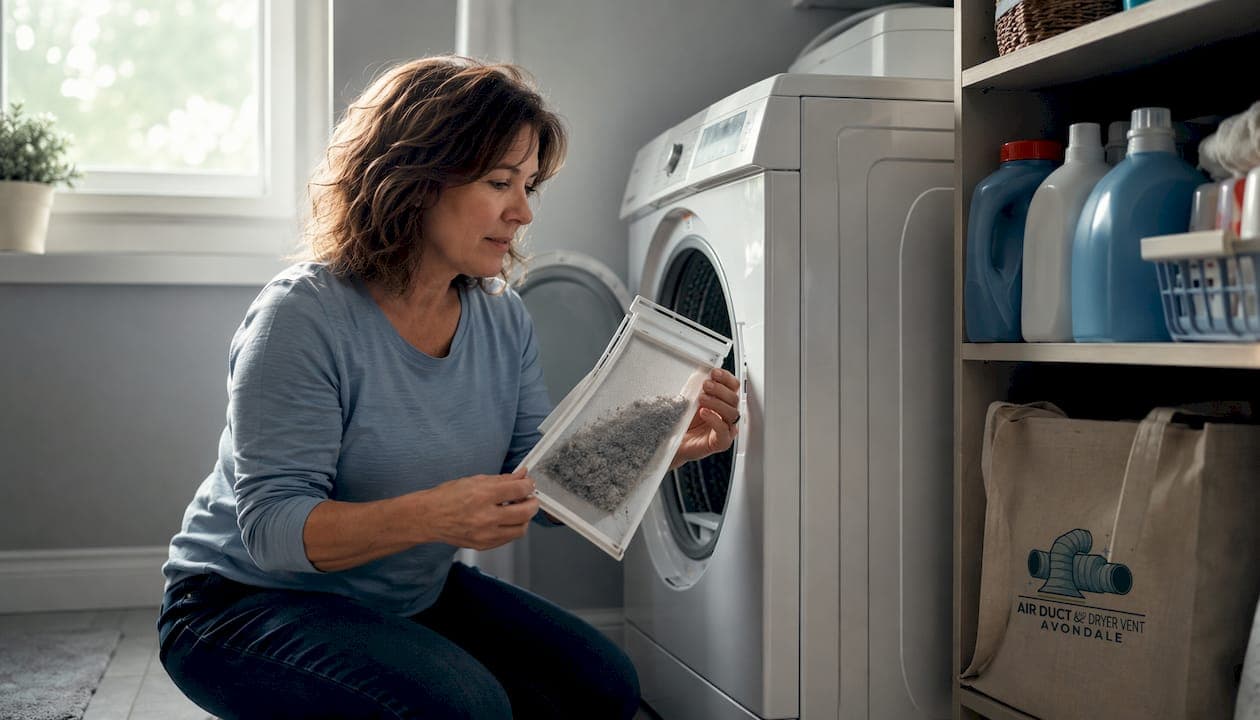
A dryer vent lint trap is the removable fine-mesh screen inside your dryer that captures lint, fibers, and debris from clothes before they reach the vent system. Industry guidance defines it as the first line of defense in any dryer venting setup, distinct from the dryer vent itself, which carries hot, humid air outside your home. Most homeowners clean the screen but skip the housing, the duct, and the deeper components where lint quietly accumulates. That oversight is where real safety and efficiency problems begin. Understanding what a dryer vent lint trap does, and how to maintain the full system, is one of the highest-value safety tasks you can do as a homeowner.
What is a dryer vent lint trap and how does it work?
The lint trap, also called a lint screen or lint filter, sits inside the dryer door opening or on top of the machine depending on the model. Every time you run a drying cycle, hot air pulls moisture and loose fibers off your clothes. The fine-mesh screen intercepts those fibers before the airflow carries them into the dryer vent ductwork.
The dryer vent and the lint trap serve two different functions. The lint trap catches solid debris inside the machine. The dryer vent is the external duct that exhausts hot, moist air to the outside. When the lint trap is clean, air moves freely through the system. When it is clogged, restricted airflow causes moisture buildup, longer drying times, and higher energy costs.
Lint that bypasses the screen does not disappear. It collects inside the lint trap housing, the cavity where the screen sits, and further down the ductwork. That hidden accumulation is the part most homeowners never see and rarely address.
Pro Tip: Hold your cleaned lint screen up to a light source. If you cannot see light through the mesh, dryer sheet residue is blocking airflow even though the screen looks clean.
How often should you clean a dryer vent lint trap?
Cleaning frequency depends on which part of the system you are addressing. Each component has a different schedule, and skipping any one of them creates a gap in your maintenance routine.
- After every load: Remove the lint screen and peel off the accumulated lint. This takes about 10 seconds and directly prevents airflow restriction during the next cycle.
- Once a month: Wash the lint screen with warm soapy water. Dryer sheets leave waxy residue on the mesh that restricts airflow even after you remove visible lint. Washing restores full breathability.
- Every 3 to 6 months: Vacuum the lint trap housing, the slot where the screen slides in. Lint bypasses the filter and collects in this cavity, creating a fire hazard that the screen alone cannot address. Households with pets or large families should do this every 3 months.
- Once a year: Clean the full dryer vent duct from the back of the dryer to the exterior wall cap. This is the deep cleaning that removes lint from the entire exhaust pathway.
The monthly washing step surprises most homeowners. Dryer sheet residue is invisible to the naked eye, yet it coats the mesh and steadily reduces airflow over time. Restoring that breathability improves drying performance without any other changes to the machine.
Pro Tip: Use a flexible lint brush before vacuuming the lint trap slot. Loosening lint first prevents the vacuum from pushing debris deeper into the dryer components instead of pulling it out.
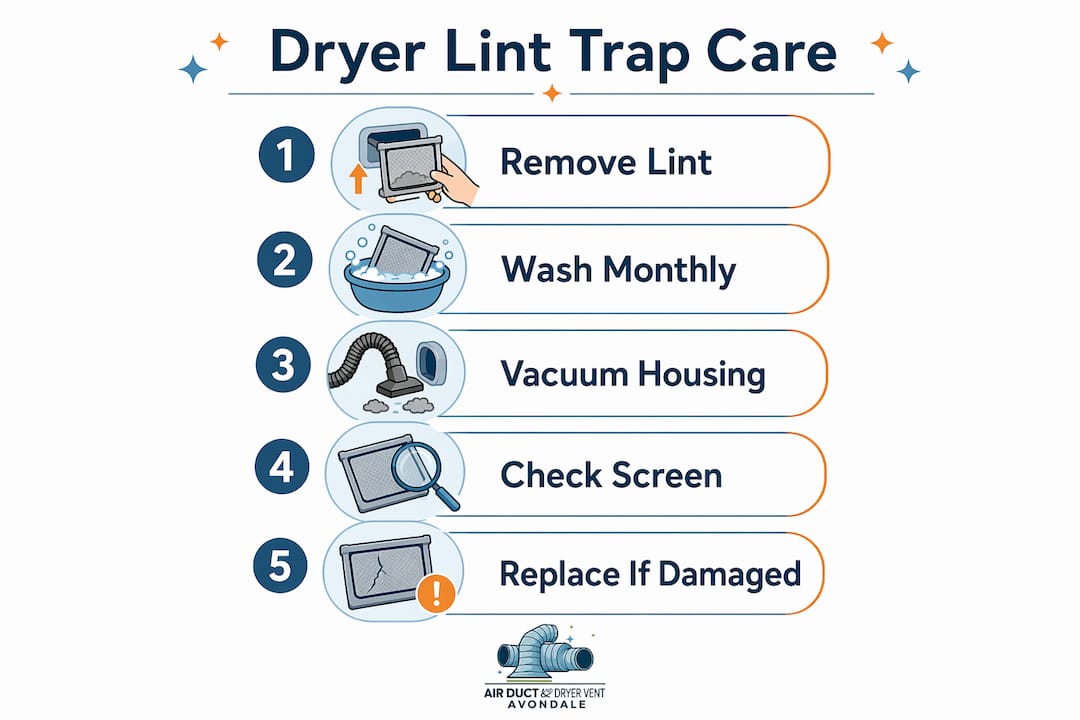
Staying on top of a home maintenance checklist that includes dryer care reduces repair costs and keeps appliances running at full capacity year after year.
What risks come from neglecting your lint trap?
Lint buildup is not just an efficiency problem. It is a documented fire hazard. Approximately 2,900 home dryer fires occur annually in the United States, and lint buildup is the leading cause. That number represents real homes, real damage, and entirely preventable events.
The risks extend beyond fire. Here is what lint neglect actually does to your dryer system:
- Reduced airflow causes the dryer to overheat, which stresses the heating element and motor, shortening the appliance's lifespan.
- Moisture condensation forms inside the duct when hot, humid air cannot escape freely, creating conditions for mold growth inside the vent system.
- Longer drying cycles mean your dryer runs more often and longer, directly increasing your electricity bill.
- Burning smells during a cycle signal that lint near the heating element is getting hot enough to scorch, a warning sign that should not be ignored.
- Hidden lint near the blower wheel is a deeper hazard. Lint accumulates inside the dryer near the blower wheel in certain models, causing musty smells, thumping sounds, and extended drying times that no amount of screen cleaning will fix.
Out-of-sight dryer vent components are the most dangerous. Homeowners who clean the screen diligently but never address the housing or ductwork are still operating a fire risk. The lint you cannot see is the lint that causes fires.
The signs of a clogged lint trap or blocked vent are easy to spot once you know what to look for. Clothes that are still damp after a full cycle, a dryer that feels hot to the touch on the outside, or a laundry room that smells musty after running the machine all point to airflow problems that need immediate attention.
How can you clean the entire dryer vent system?
Cleaning the full dryer vent system goes beyond the lint screen. The duct that runs from the back of your dryer to the exterior wall cap collects lint over time, and that buildup requires its own cleaning process.
DIY cleaning vs. professional service
| Task | DIY approach | When to call a pro |
|---|---|---|
| Lint screen cleaning | Remove and wash monthly | Not needed |
| Lint trap housing | Flexible brush and vacuum every 3–6 months | If lint is compacted or inaccessible |
| Dryer vent duct | Vent brush kit and vacuum annually | Long or complex duct runs |
| Interior blower area | Not recommended without training | Musty smells, thumping, or long cycles |
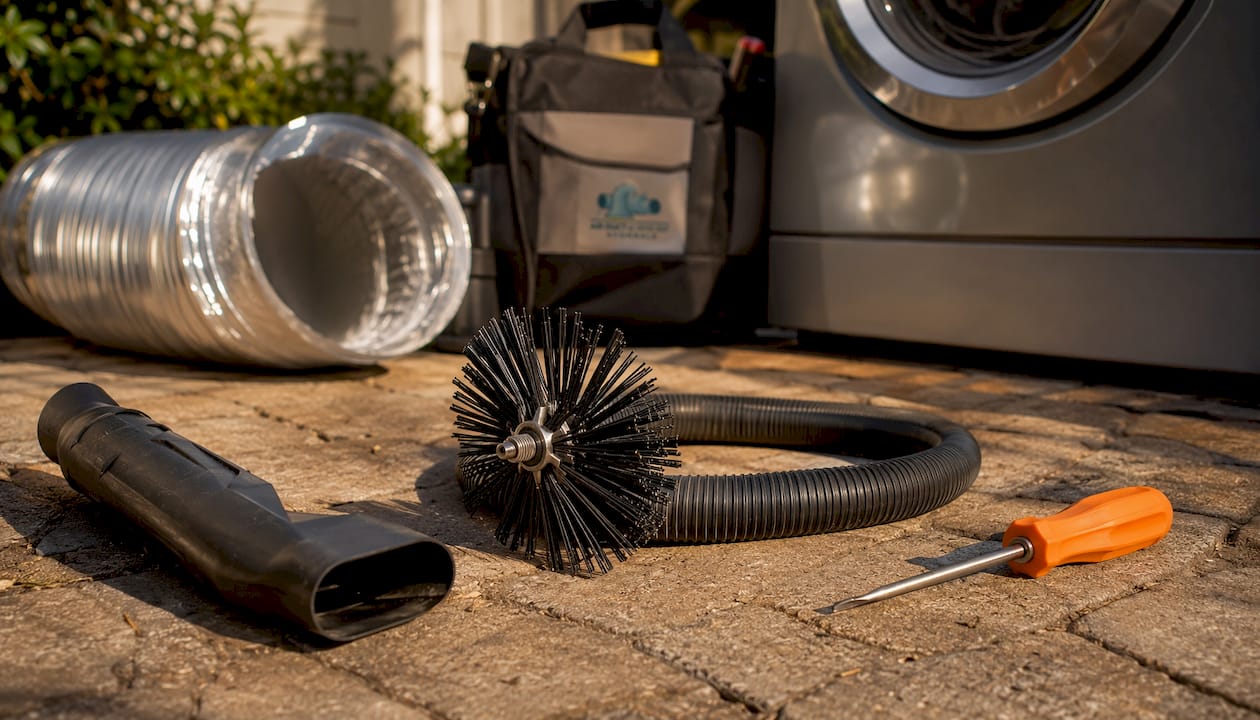
DIY dryer vent cleaning takes 30 to 60 minutes and requires a vacuum, a screwdriver, and a vent cleaning brush that costs about $15 to $25. That covers most straight duct runs in standard homes. Complex duct runs with multiple bends, long distances, or vertical sections are harder to clean thoroughly without professional equipment.
Professional cleaning is the right call when your duct run is longer than 10 feet, when it has multiple 90-degree turns, or when you notice any of the warning signs listed above. A professional service uses rotary brush systems and high-powered vacuums that reach areas a homeowner's kit cannot.
Renters in apartments face additional considerations. Dryer vent maintenance in apartments often involves shared ductwork or landlord coordination, which makes professional inspection more practical than DIY attempts.
Pro Tip: Always disconnect the dryer from power before cleaning the vent duct. Pull the dryer away from the wall, disconnect the duct at the back, and clean from both ends for the most complete removal of lint.
The dryer vent cleaning guide from Airanddryerventcleaningavondale covers the full safety and performance case for regular vent maintenance, including the fire hazard data and efficiency losses tied to neglect.
Key Takeaways
A clean lint trap and a clear dryer vent duct are the two most direct actions a homeowner can take to prevent dryer fires and maintain appliance efficiency.
| Point | Details |
|---|---|
| Lint trap vs. dryer vent | The lint trap catches debris inside the dryer; the vent exhausts air outside. Both need separate maintenance. |
| Clean the screen after every load | Removing lint after each cycle takes seconds and prevents the most common cause of airflow restriction. |
| Wash the screen monthly | Dryer sheet residue clogs mesh invisibly; warm soapy water restores full airflow. |
| Vacuum the housing every 3–6 months | Lint bypasses the screen and collects in the housing cavity, creating a hidden fire hazard. |
| Call a pro for complex systems | Long duct runs, multiple bends, or interior lint near the blower wheel require professional equipment. |
Why I think most homeowners underestimate their lint trap
Most people treat the lint trap like a minor chore. Peel off the lint, slide the screen back in, done. After years of working with dryer vent systems, I can tell you that attitude is exactly what leads to the calls we get after a dryer fire or a machine that stops working after 8 years instead of 15.
The part that genuinely surprises homeowners is the housing. The slot where the screen sits collects lint continuously, and nobody talks about it. You can clean the screen every single day and still have a fire hazard sitting an inch below it. That lint in the housing does not go anywhere on its own.
The waxy residue from dryer sheets is the other thing I wish more people understood. A screen that looks clean can still be blocking airflow significantly. I have seen dryers running 20 to 30 minutes longer per cycle simply because the mesh was coated in invisible residue. That is not a minor inefficiency. Over a year, it adds up to real money on your energy bill and real wear on your machine.
My honest recommendation is to treat dryer vent maintenance the same way you treat changing your furnace filter. Put it on a calendar. Do the screen after every load, wash it monthly, vacuum the housing every few months, and get the full duct cleaned once a year. That routine costs almost nothing and prevents the two outcomes nobody wants: a fire or a dead appliance.
— Shaun
Professional dryer vent cleaning in Avondale, AZ
Airanddryerventcleaningavondale provides professional dryer vent cleaning for homeowners and renters throughout Avondale, Arizona. The service covers the full vent system, from the lint trap housing to the exterior wall cap, using professional-grade rotary brushes and vacuum equipment that reach areas DIY kits cannot.
Scheduling a professional cleaning once a year reduces fire risk, cuts drying times, and extends the life of your dryer. Airanddryerventcleaningavondale offers flexible scheduling, including after-hours appointments, and backs its work with a service warranty. If your dryer is running longer than usual, smelling musty, or has not had a vent cleaning in over a year, a professional inspection is the right next step.
FAQ
What is the difference between a lint trap and a dryer vent?
The lint trap is the removable mesh screen inside the dryer that catches fiber debris during a cycle. The dryer vent is the external duct that carries hot, moist air from the dryer to the outside of your home.
How often should I clean my dryer lint trap?
Clean the lint screen after every load, wash it with warm soapy water once a month, and vacuum the lint trap housing every 3 to 6 months to remove debris that bypasses the screen.
Can a clogged lint trap cause a fire?
Yes. Lint is highly flammable, and accumulated lint near the dryer's heating element is a direct fire hazard. Approximately 2,900 home dryer fires occur annually in the United States, with lint buildup as the primary cause.
What are the signs of a clogged lint trap or dryer vent?
Common signs include clothes that are still damp after a full cycle, a dryer that feels unusually hot on the outside, a burning or musty smell during operation, and drying times that are noticeably longer than usual.
When should I hire a professional to clean my dryer vent?
Hire a professional when your vent duct is long or has multiple bends, when DIY cleaning does not resolve the symptoms, or when you notice musty odors or thumping sounds that suggest lint buildup near the blower wheel inside the dryer.