

TL;DR:
- Ducts are concealed pathways that transport conditioned air, while vents are visible accessories controlling airflow into rooms. Proper maintenance and understanding of their functions prevent inefficiencies, reduce energy waste, and avoid costly repairs. Addressing duct leaks and balancing airflow are essential for optimal HVAC performance and homeowner comfort.
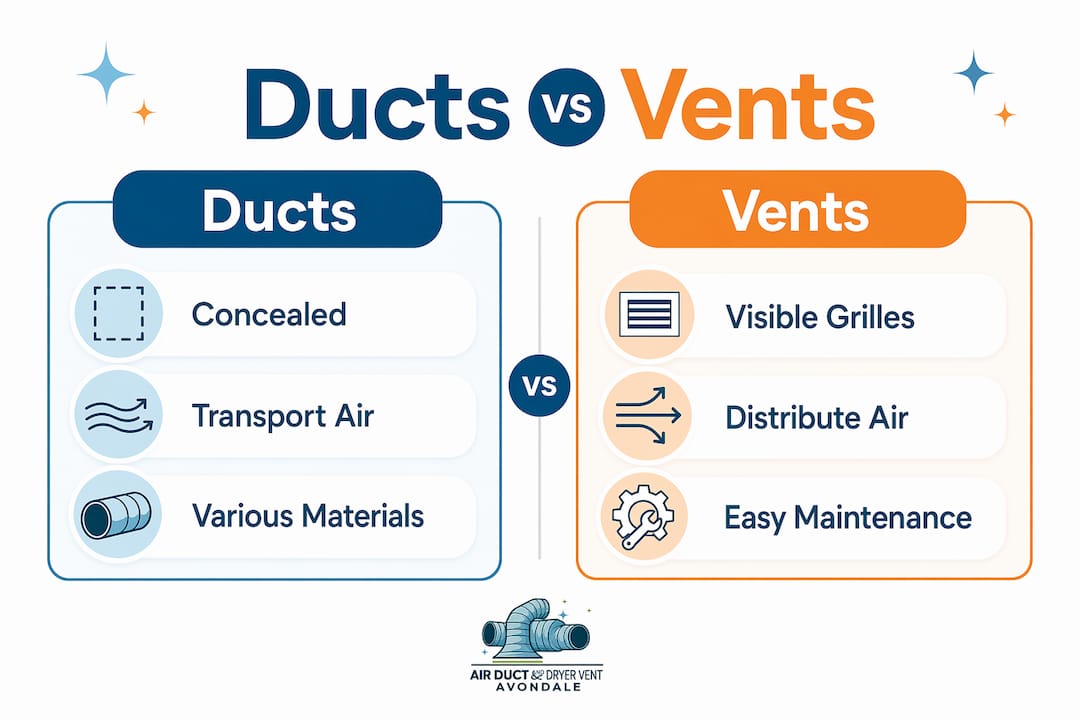
Air ducts are concealed passages that transport conditioned air through your home, while air vents are the visible grilles and registers that control where that air enters or exits a room. Understanding the difference between ducts and vents is not just trivia. It determines how you troubleshoot comfort problems, where you spend maintenance dollars, and how much energy your HVAC system wastes every month. Most homeowners focus only on what they can see, which means the real culprits behind poor airflow and high utility bills stay hidden inside the walls.
What is the difference between ducts and vents?
Air ducts are concealed passages made of metal, plastic, or fiberboard that move conditioned air from your HVAC unit to every room in the building. Air vents are the visible endpoints, the grilles, registers, and diffusers mounted on walls, floors, or ceilings, that serve as the interface between the duct system and your living space. Think of ducts as the plumbing pipes and vents as the faucets. The pipes do the heavy lifting; the faucets control what you experience.
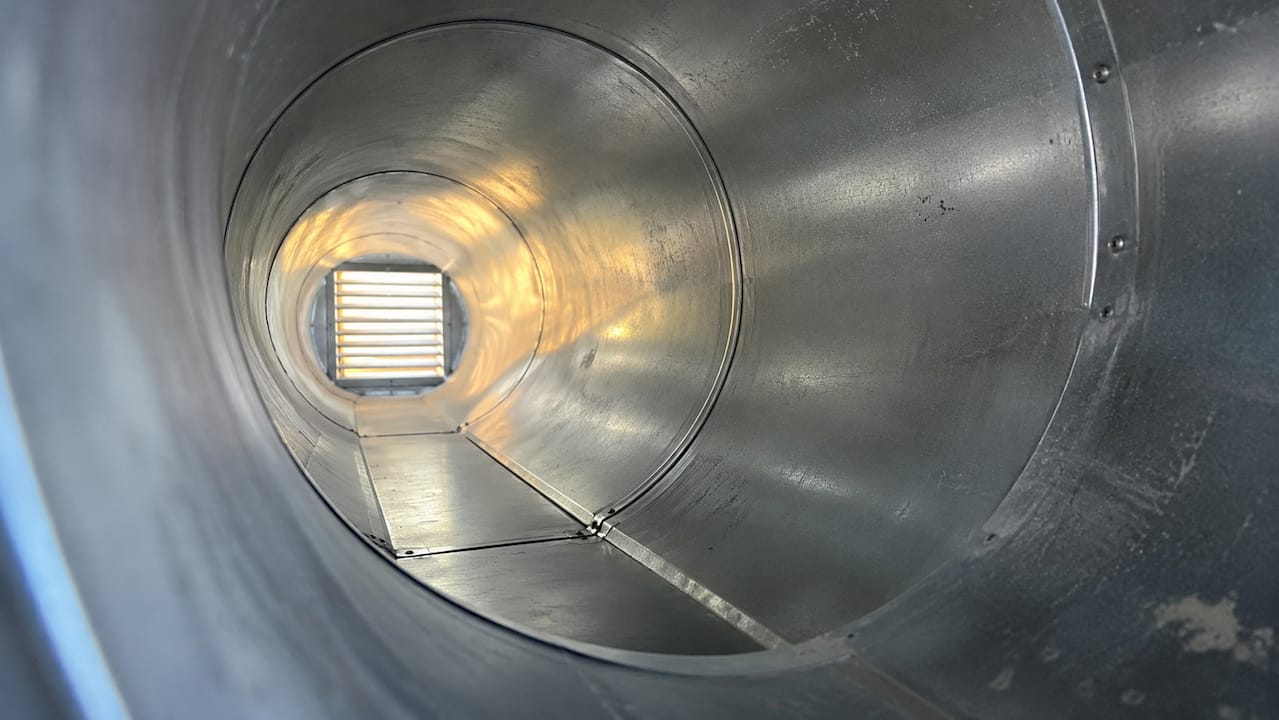
This distinction matters because the two components fail in completely different ways. A duct problem shows up as uneven temperatures, high energy bills, or strange noises inside the walls. A vent problem shows up as visible damage, restricted airflow at a single outlet, or dust buildup on the grille. Confusing the two leads to ineffective fixes and wasted money on repairs that never address the root cause.
The ductwork and ventilation system in your home operates as a closed loop. Supply ducts push conditioned air out; return ducts pull stale air back to the air handler. Vents sit at both ends of that loop, but they do not generate airflow on their own. They simply regulate it.
How do air ducts function in a home HVAC system?
Air ducts serve as the circulatory infrastructure of your HVAC system. They carry conditioned air under pressure from the air handling unit (AHU) to every room, then return that air back for reconditioning. Without properly designed and sealed ductwork, even the most efficient furnace or air conditioner cannot do its job.
Supply ducts vs. return ducts
The duct system splits into two networks with opposite jobs.
- Supply ducts operate under positive static pressure and push conditioned air outward to rooms through supply vents.
- Return ducts operate under negative static pressure and must be built to resist collapse as they pull air back to the AHU. Improper fabrication here leads to premature system failures.
- Trunk-and-branch layouts use a central main duct with smaller branches feeding individual rooms, making them common in larger homes.
- Radial (plenum) layouts run individual ducts directly from a central plenum box, which suits smaller homes and simpler installations.
Typical residential duct layouts include both radial and trunk-and-branch systems, and the choice affects pressure loss, installation cost, and long-term efficiency. A trunk-and-branch system in a two-story home, for example, requires careful sizing at each branch to prevent the rooms farthest from the AHU from receiving weak airflow.
The real cost of duct leaks
Leaking or poorly insulated duct systems can cause a 20–30% loss of conditioned air before it ever reaches a room. That means your HVAC unit is working harder and longer to compensate for air that escapes into unconditioned attic or crawl space. Sealing and insulating ducts improves HVAC efficiency by up to 20%, which translates directly to lower monthly utility bills.
Duct leaks are also invisible. You will not see them the way you see a dripping faucet. The signs are indirect: rooms that never reach the set temperature, a system that runs constantly, or utility bills that spike without explanation. Understanding common HVAC issues rooted in ductwork helps you catch these problems before they compound.
Pro Tip: Seal duct joints with mastic sealant rather than standard duct tape. Duct tape dries out and fails within a few years; mastic creates a permanent, airtight bond that holds up in attic heat.
Duct materials at a glance
| Material | Common Use | Key Advantage |
|---|---|---|
| Sheet metal (galvanized steel) | Main trunk lines | Durable, smooth airflow |
| Flexible duct (mylar/plastic) | Branch runs to vents | Easy to install in tight spaces |
| Fiberboard | Older residential systems | Low cost, some insulation value |
| Insulated flex duct | Attic and crawl space runs | Reduces heat gain and loss |
What are air vents and what do they actually do?
Air vents are the visible hardware that connects your duct system to the rooms you live in. They come in three main types: registers, grilles, and diffusers. Each serves a specific purpose, and knowing which type you have tells you a lot about how your system is designed to move air.
- Registers have adjustable louvers that let you partially open or close airflow to a room. They are the most common supply vent type in residential homes.
- Grilles are fixed, non-adjustable covers used primarily on return vents. They allow air to pass through without directing it.
- Diffusers spread air in multiple directions and are common in commercial buildings and ceiling-mounted residential systems.
Air vents generally last 15 or more years with regular cleaning, but homeowners often replace them sooner for aesthetic reasons. A builder-grade white plastic register in a renovated room with hardwood floors and new trim looks out of place. Upgrading to a wood or brushed nickel register is a cosmetic fix, not a performance fix, and that distinction matters.
Supply vents vs. return vents
Supply vents push conditioned air into a room. Return vents pull air back out. You can tell them apart by holding a piece of tissue near the vent: supply vents push the tissue away, return vents pull it toward the grille.
Return vents are typically larger than supply vents because they need to move a higher volume of air without creating excessive resistance. They are also usually located low on walls or in floors, while supply vents are often positioned near windows or on ceilings to maximize air distribution. Blocking a return vent with furniture is one of the most common homeowner mistakes, and it puts real strain on the entire system.
Pro Tip: Check your return vents first when a room feels stuffy. A couch or bookshelf placed against a return grille restricts the entire system, not just that one room.
Vent cleaning is simpler than duct cleaning. You can remove most registers and grilles, wash them with warm soapy water, and vacuum the visible duct opening behind them. For a deeper look at what to check during a routine walkthrough, the DIY vent inspection guide covers the key steps for homeowners. Duct cleaning, by contrast, requires professional equipment to reach deep into the system and remove accumulated debris.
How do ducts and vents work together, and what goes wrong?
The duct system and the vent system are interdependent. Neither works correctly without the other performing its role. When homeowners treat them as separate problems, they end up replacing vents that look bad while the real issue, a kinked flex duct or a leaking joint, stays hidden.
Here is how the airflow cycle works in a properly functioning system:
- The air handler conditions air (heating or cooling it) and pushes it into the supply duct network under positive pressure.
- Supply ducts carry that air through the building, branching out to individual supply vents in each room.
- Supply vents release conditioned air into the room, where it mixes with the existing air.
- Return vents pull room air back through return ducts toward the AHU for reconditioning.
- The cycle repeats continuously while the system runs.
The balancing problem most homeowners miss
Without balancing dampers in duct branches, air favors the shortest path through the system. Rooms close to the AHU get oversupplied; rooms at the far end of the duct run get undersupplied. The result is a home where one bedroom is freezing and another is stuffy, even though the thermostat reads a comfortable temperature. Dampers are adjustable plates inside the duct branches that restrict or open airflow to specific zones. System balancing through dampers is not optional. It is a core requirement for even temperature distribution.
The biggest misconception: closing vents saves energy
Closing supply vents in unused rooms is one of the most persistent myths in home HVAC. Closing vents creates excessive duct pressure that forces the blower motor and coils to work against resistance they were not designed to handle. Over time, this damages the coils and blower motor and shortens system life. It does not save energy. The system still runs the same amount; it just does so under harmful stress.
"Replacing vent hardware alone often fails to improve airflow if duct issues like leaks or kinks exist behind the walls." — HVAC Vents, practicetestgeeks.com
Blocking return vents compounds this problem. Restricted return airflow reduces system efficiency and increases the risk of mechanical failure. The fix is almost never the vent itself. It is the duct behind it.
What maintenance keeps ducts and vents performing well?
Proper upkeep of both ducts and vents is the most direct way to protect your HVAC investment and keep energy bills in check. The maintenance tasks for each are different, and mixing them up leads to incomplete care.
Signs your ducts need attention
Watch for these indicators that your ductwork needs inspection or repair:
- Uneven room temperatures across the home, especially in rooms far from the AHU
- Visible dust blowing from supply vents when the system starts, which signals debris buildup inside the ducts
- A musty or stale smell from vents, which can indicate mold growth inside the duct lining
- Higher-than-normal utility bills without a change in usage habits
- Rattling or whistling sounds from inside walls or ceilings when the system runs
Any of these signs warrants a professional inspection. Understanding why duct sizing matters for system performance helps you ask the right questions when a technician visits.
Routine vent maintenance you can do yourself
Vent maintenance is genuinely DIY-friendly. Remove registers and grilles every three to six months, wash them, and vacuum the visible duct opening. Check that no furniture, rugs, or curtains are blocking return grilles. Inspect the louvers on supply registers to confirm they open and close smoothly.
Vent replacement becomes necessary when registers are cracked, corroded, or no longer seal properly against the wall or floor. A damaged register allows conditioned air to leak around the frame rather than into the room, which wastes energy and reduces comfort. Replacing a register takes about five minutes and costs very little, but it only helps if the duct behind it is in good shape.
Pro Tip: When inspecting vents, check the paint or drywall around the grille frame. Dark staining or discoloration around the edges often signals air leaking around the duct connection, not just dust on the grille surface.
When to call a professional
Professional duct cleaning removes accumulated dust, allergens, and debris that routine vent cleaning cannot reach. The National Air Duct Cleaners Association (NADCA) recommends professional duct cleaning every three to five years for most homes, and more frequently after construction, renovation, or if household members have respiratory conditions. Professional duct sealing, using mastic or aerosol-based products like Aeroseal, addresses leaks that no amount of vent cleaning can fix. If your home is in the Phoenix metro area, the desert climate accelerates dust accumulation inside duct systems, making regular professional service especially worthwhile.
Key takeaways
Ducts move air through your home invisibly, while vents control where that air goes. Maintaining both correctly is the only way to get full performance from your HVAC system.
| Point | Details |
|---|---|
| Ducts are the infrastructure | They transport conditioned air under pressure and are hidden inside walls, floors, and ceilings. |
| Vents are the interface | Registers, grilles, and diffusers regulate airflow at room level and last 15 or more years with care. |
| Duct leaks cost real money | Leaking ducts waste 20–30% of conditioned air; sealing them can improve efficiency by up to 20%. |
| Closing vents causes damage | Shut supply vents increase duct pressure and stress coils and blower motors without saving energy. |
| Fix the duct before the vent | Replacing vent hardware rarely solves airflow problems if the connected ductwork is leaking or kinked. |
Why this distinction changed how i advise homeowners
I have walked through hundreds of homes in the Avondale area where the homeowner replaced every register in the house and still had the same hot bedroom in August. The vents looked great. The problem was a collapsed flex duct run in the attic that had been pinched for years. New registers did nothing because the air was never making it that far.
The ventilation system differences between ducts and vents are not just technical details. They determine where you look when something goes wrong. Homeowners who understand that vents are the last inch of a much longer journey stop wasting money on cosmetic fixes and start asking better questions: Is the duct sealed? Is the return path clear? Is the system balanced?
The other thing I see constantly is the closed-vent myth. People close off rooms they do not use, thinking they are saving energy. They are actually pressurizing the duct system and slowly grinding down the blower motor. I have seen systems fail years ahead of schedule because of this habit. Open your vents. Balance your dampers. Let the system breathe the way it was designed to.
The homeowners who get the best performance from their HVAC systems are not the ones who spend the most. They are the ones who understand what each component does and maintain it accordingly. Knowing the duct vs. vent purpose distinction is the starting point for that kind of informed ownership.
— Shaun
Professional duct and vent services in avondale, AZ
Understanding the difference between your ducts and vents is the first step. Acting on it is what actually improves your home's comfort and air quality.
Airanddryerventcleaningavondale provides professional air duct and vent cleaning for residential and commercial properties throughout Avondale, Arizona. The team removes dust, allergens, mold, and debris from deep inside duct systems that routine vent cleaning cannot reach. For properties with heavier use or post-construction buildup, commercial duct cleaning services address the full system with professional-grade equipment. Flexible scheduling, including after-hours options, makes it easy to fit service around your routine. If your home has rooms that never feel right or utility bills that do not match your usage, the problem is almost certainly inside the ducts.
FAQ
What is the main difference between a duct and a vent?
A duct is a concealed passage that transports conditioned air through a building, while a vent is the visible grille or register where that air enters or exits a room. Ducts are the infrastructure; vents are the endpoints.
Can closing vents in unused rooms lower my energy bill?
Closing supply vents does not save energy. It creates excess pressure in the duct system that forces the blower motor and coils to work harder, which can cause mechanical damage over time.
How often should air ducts be professionally cleaned?
Most homes benefit from professional duct cleaning every three to five years. Homes with pets, recent renovations, or residents with allergies may need service more frequently.
Why does replacing my vents not fix my airflow problem?
Vent replacement alone rarely resolves airflow issues if the connected ductwork has leaks, kinks, or blockages. The duct condition determines how much air reaches the vent in the first place.
What are the signs that my ducts are leaking?
Uneven room temperatures, unexplained increases in utility bills, dust blowing from supply vents, and musty odors from the system are the most common signs of duct leakage or damage.