
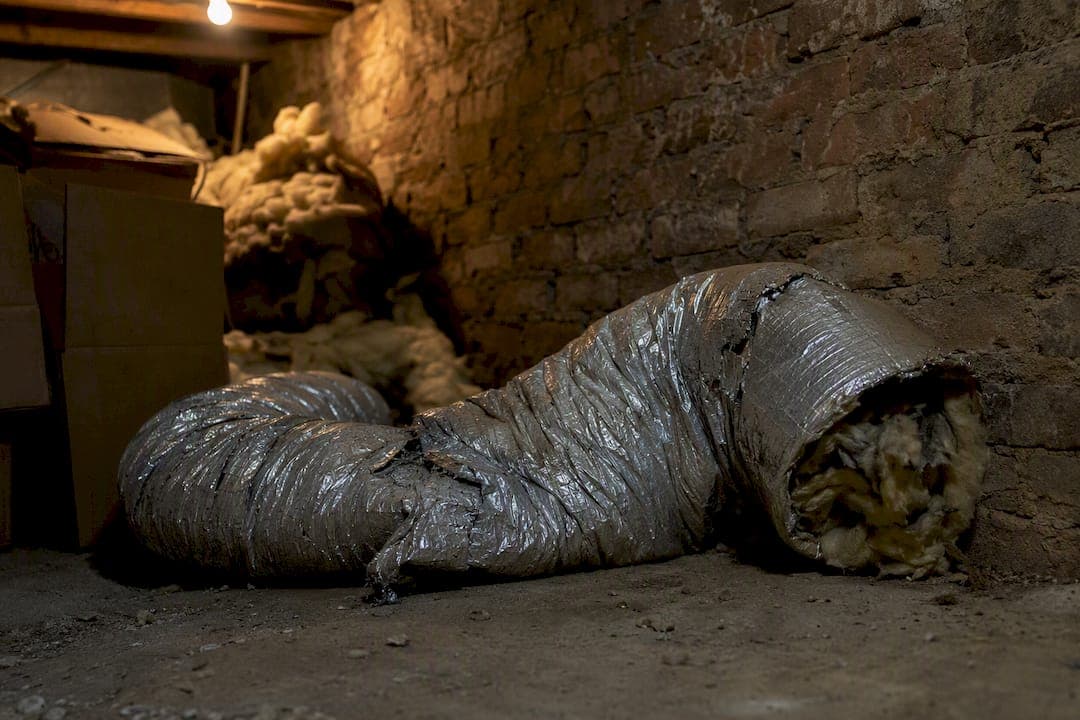
The most common physical vent damage falls into eight categories: blockages, crushed or kinked ducts, disconnected duct joints, corrosion and rust, water damage, torn fiberglass liners, missing insulation, and pest nests. Any of these can cut airflow, spike your energy bill, or create a real fire hazard.
Start with a quick visual and airflow check at every register in the house. If you smell burning, see scorch marks, or suspect carbon monoxide near a gas dryer or furnace, stop using the appliance and call a professional immediately.
- Crushed, disconnected, or rusted ducts are the top three physical failures found in homes
- ENERGY STAR reports that a typical HVAC system loses a significant portion of conditioned air through duct gaps and disconnections
- Camera-guided inspection is the industry standard for finding hidden damage
- Aeroseal and ACCA Manual D-compliant repairs are the professional benchmarks worth asking about
Key Takeaways
Most vent and duct damage falls into eight visible categories, and pairing a homeowner visual check with a professional camera inspection catches nearly everything a flashlight alone would miss.
| Point | Details |
|---|---|
| Know the eight damage types | Blockages, crushed ducts, disconnections, rust, water damage, torn liners, missing insulation, and pest nests cover almost every case. |
| Watch for energy loss | Duct gaps can waste 20–30% of conditioned air, according to ENERGY STAR, driving up utility bills. |
| Use the right materials | Seal gaps with mastic or foil-backed tape; standard duct tape fails within a year or two. |
| Escalate hidden damage | Camera-guided inspection finds collapses and mold that visual checks cannot reach. |
| Call in a pro for hazards | Airanddryerventcleaningavondale offers camera inspection, Aeroseal, and warrantied repairs for rust, mold, and collapsed runs. |
Table of Contents
- Common Examples of Vent and Duct Damage
- Signs and Risks You Should Not Ignore
- How to Inspect Your Ducts and Vents Safely
- Safe DIY Fixes You Can Handle Today
- When to Call a Licensed HVAC Contractor
- Prevention and Maintenance Checklist
- Real Vent Damage Cases and How They Were Fixed
- Why Diagnosis Matters More Than the Quick Fix
- Get a Professional Diagnosis Instead of Guessing
- Sources
- FAQ
Common Examples of Vent and Duct Damage
Crushed or kinked flex ducts top the list. Walk through an attic and you'll often find a run flattened where an installer or another tradesperson stepped on it, or where it got compressed under stored boxes. A pinched section can choke airflow to a single room while the rest of the house heats or cools fine.
Disconnected dryer vent pipes are next, usually found right behind the machine where a flimsy clamp worked loose. Lint builds up in the wall cavity or laundry room instead of venting outside, which raises both moisture and fire risk.
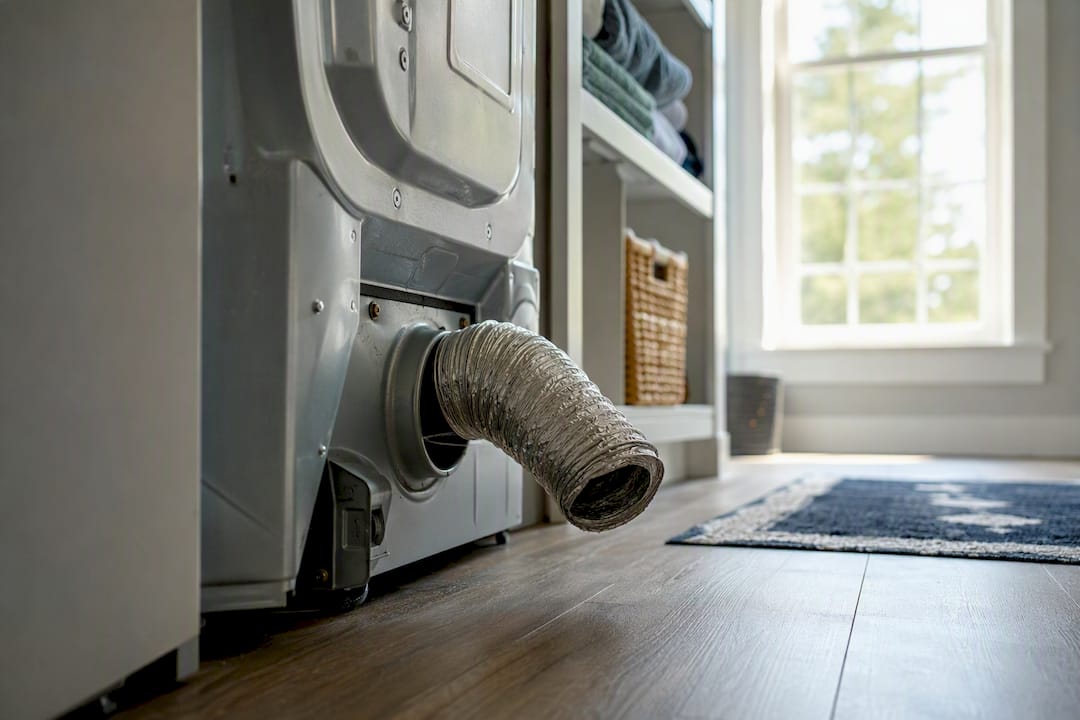
Torn fiberglass liners and rusted metal ducts show up most often in older homes or units near humid areas like laundry rooms and garages. Mechanical damage from crushing, rust, or standing water is one of the leading causes of major duct leakage and sometimes forces full section replacement.
Water-damaged ducts trace back to roof leaks, condensation, or a burst pipe overhead. Missing or fallen insulation happens when attic work disturbs duct wrap, or when age just breaks it down. Blocked registers and clogged outside vent caps are often self-inflicted, furniture pushed against a supply, or a screen packed with leaves and debris.
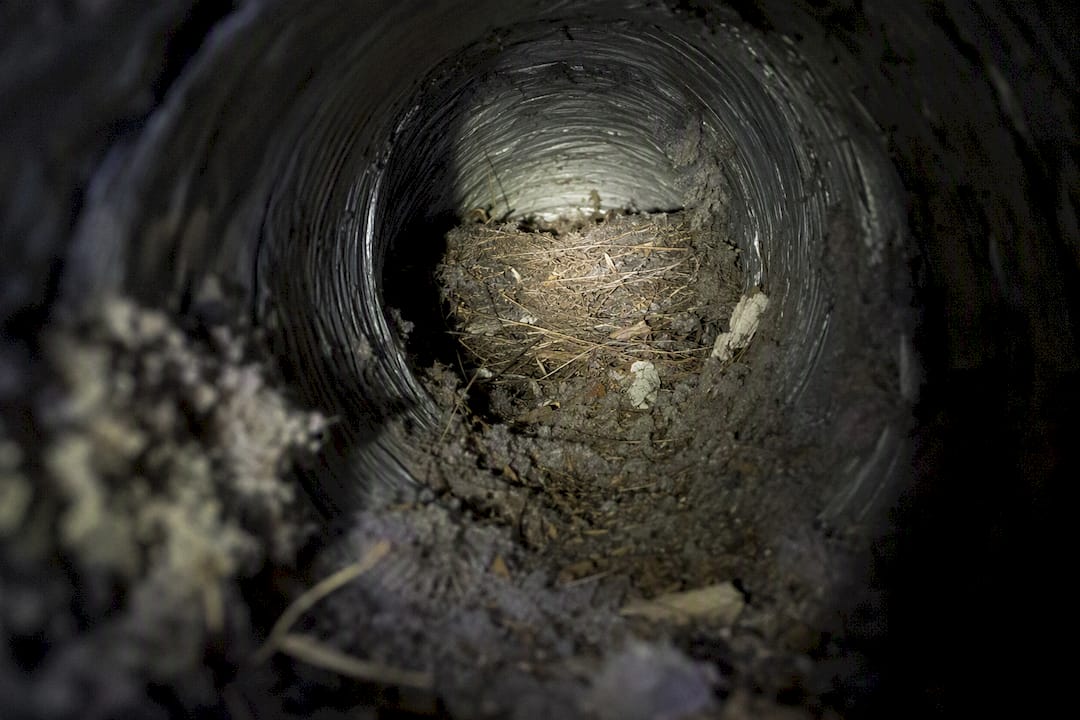
Pest nests round out the list. Rodents and birds love the warm, dark inside of a duct run, and their chewing can tear holes straight through flex material.
Pro Tip: Photograph any damage you find with a tape measure in frame. It helps a contractor quote accurately without a second site visit.
Signs and Risks You Should Not Ignore
Uneven room temperatures, weak airflow at the vents, excess dust, and longer dryer cycles are the four symptoms homeowners report most. Whistling sounds at duct joints usually mean a small hole is pulling air where it shouldn't.
- Uneven room temperatures from room to room
- Weak or no airflow at one or more registers
- Excess dust settling faster than usual
- Longer drying times, with lint collecting around the dryer or outside vent
- Condensation or musty smells near ductwork
- Debris blowing out of a register when the system kicks on
The real risk isn't just comfort. Leaky return ducts can pull dusty, unconditioned air straight from the attic or crawl space into your living room, and a blocked or disconnected gas dryer vent creates a genuine carbon monoxide pathway. ENERGY STAR's 20 to 30% conditioned-air loss figure isn't abstract. It shows up as a higher utility bill every single month the leak goes unfixed.
How to Inspect Your Ducts and Vents Safely
Start where you can see. Walk the attic, basement, and crawl space and look at every exposed duct run for tears, disconnections, or crushed sections. Feel each register with your hand for weak airflow, check the outside dryer vent cap for lint buildup, and inspect the dryer hose connection for loose clamps.
- Visually inspect exposed ductwork in attics, basements, and crawl spaces
- Feel for airflow strength at each supply register
- Check the outside vent cap and dryer hose connection
- Look for tears, holes, or loose clamps on flexible sections
Some damage hides where a flashlight can't reach. Camera-guided duct inspection is the industry standard for finding collapses, mold pockets, and failures buried in a slab or wall cavity. If you notice persistent uneven temperatures or musty smells with no visible cause, that's your cue to request one. For a step-by-step homeowner walkthrough, see this DIY air vent inspection guide.
Pro Tip: Stop immediately and call a professional if you smell burning, see scorch marks, or find water damage anywhere near electrical connections.
Safe DIY Fixes You Can Handle Today
Plenty of vent problems are simple enough to fix yourself. Clearing lint from the dryer trap and the accessible sections of the vent hose takes ten minutes and solves the most common cause of slow drying. Reattaching a loose clamp on a dryer hose, clearing debris from an outside vent cap, and re-securing a rattling vent grille are all reasonable weekend jobs.
- Clear lint from the dryer trap and accessible duct sections
- Reattach or replace loose dryer hose clamps with metal ones, not plastic
- Clear leaves and debris from the outside vent cap
- Reposition furniture blocking a supply register
- Re-secure a loose or rattling vent grille
For sealing small gaps, use mastic sealant or foil-backed HVAC tape, never standard cloth-backed duct tape, which dries out and peels within a year or two despite the name. A badly crushed flex section should be replaced outright rather than reshaped by hand; flex duct that's been flattened for months often has internal tears you can't see.
Leave rust holes, collapsed runs, and in-duct mold to a professional. So is anything requiring you to work around gas connections or electrical wiring. If a gas dryer's venting looks compromised in any way, do not run it until it's fixed.
Pro Tip: Keep a spare metal dryer clamp on hand. It's a two-dollar part that prevents one of the most common repair calls Airanddryerventcleaningavondale gets.
When to Call a Licensed HVAC Contractor
Some damage is beyond a homeowner fix, full stop. Structural collapse, rusted-through ducts with actual holes, mold contamination inside the ductwork, and anything buried in a slab or concealed wall cavity all call for a licensed HVAC contractor.
- Structural collapse or crushed sections beyond repair
- Rusted-through metal ducts with visible holes
- Mold growth inside ductwork
- Slab or concealed duct failures
- Suspected carbon monoxide pathway from a gas appliance
A contractor's toolkit typically includes camera inspection, mastic or Aeroseal aerosol sealing for hidden leaks, section replacement, re-insulation, and full duct replacement when degradation is severe. Aeroseal works from inside the duct system and can hold up for decades when installed correctly.
Pro Tip: Always ask a contractor whether the repair meets ACCA Manual D sizing standards. A duct that's too small or too large for the space undoes the benefit of any repair.
Prevention and Maintenance Checklist
A little routine maintenance beats a big repair bill every time. Clean the dryer lint screen after every load and check the outside vent cap each season for buildup. Do a visual duct check in the attic or crawl space once a year, and keep stored boxes and holiday decorations away from any duct run.
- Clean the dryer lint trap after every load
- Check the outside dryer vent cap seasonally
- Do an annual visual duct inspection
- Keep attics and crawl spaces clear of items resting on ductwork
- Support flex duct runs at proper intervals to prevent sagging or crushing
- Use R-6 or better insulation on ducts in unconditioned spaces
- Use metal clamps and mastic or foil tape, never cloth duct tape
Schedule a professional inspection and cleaning annually, and request a camera inspection whenever you move into a new property or after any flooding or major remodeling work.
Real Vent Damage Cases and How They Were Fixed
A collapsed attic flex run, found during a routine inspection, had choked one bedroom's airflow to almost nothing. Replacing the section restored full comfort within a day.
- Disconnected dryer vent: lint piling up behind the machine, fixed with a new metal hose and clamp, fire risk removed
- Rusted return duct near a garage: sealed and replaced in sections, with a mechanical closet sealed off to stop contaminated air from entering the system
Each case followed the same pattern: identify the cause, weigh the immediate risk, then act.
Why Diagnosis Matters More Than the Quick Fix
Most people want to patch what they can see and move on, and for small gaps or a loose clamp, that's the right call. But the damage that actually costs you money and health is usually the kind you can't see: a collapsed run behind drywall, mold building inside a return duct, a crack near a gas connection.
Safety issues come first, always. Fire risk, carbon monoxide, and mold don't wait for a convenient repair season. Comfort and efficiency problems come second. A visible gap gets sealed in an afternoon; a concealed failure needs a camera and a contractor who can show you what Manual D compliance actually looks like on your system. Get more than one bid, and ask directly whether Aeroseal is an option before agreeing to a full section tear-out.
Get a Professional Diagnosis Instead of Guessing
Airanddryerventcleaningavondale gives Avondale homeowners something a flashlight and a stepladder can't: a camera-guided look inside the ductwork you can't reach. That matters most for the damage this article keeps circling back to, collapsed runs, rust holes, and hidden mold, all of which need eyes inside the duct, not just at the register.

The team handles camera-guided inspections, dryer vent cleaning and repair, duct sealing including Aeroseal where it makes sense, full duct replacement, and air quality testing when contamination is a concern. Every repair uses proper materials, mastic, foil tape, metal clamps, and comes with a warranty instead of a guess.
If you run a business in the area, the commercial air duct cleaning service covers the larger systems and tighter compliance needs that come with a commercial property. Request a diagnostic visit, get a written estimate, and ask about Manual D compliance before any work begins.
Sources
- Duct sealing | ENERGY STAR
- Air Duct Inspections: NADCA guide for new technicians
- Duct Damage: Mechanically-damaged HVAC ducts (InspectApedia)
- HVAC Ductwork: Signs of Damage & Repair Guide - TRIO
FAQ
What Is the Most Common Type of Vent Damage?
Crushed or kinked flex ducts and disconnected dryer vent joints are the most frequently found physical damage, usually caused by foot traffic in attics or a loose clamp behind the dryer.
Can I Fix a Disconnected Dryer Vent Myself?
Yes, reattaching a dryer vent hose with a proper metal clamp is a safe DIY task, but replace any crushed or torn sections rather than patching them with regular duct tape.
How Do I Know If My Ducts Need a Camera Inspection?
If you have persistent uneven temperatures, musty smells, or suspected damage in a slab or concealed wall, a camera-guided inspection is the standard way to confirm what's actually wrong.
How Much Does Duct Repair Typically Cost?
A single section replacement often runs $200 to $400, while full system replacement costs scale with home size, so always get a written bid before committing.
Is Vent Damage a Fire or Health Risk?
Yes. Lint buildup in a disconnected dryer vent is a fire hazard, mold in ductwork affects indoor air quality, and a blocked gas dryer vent can create a carbon monoxide risk.