
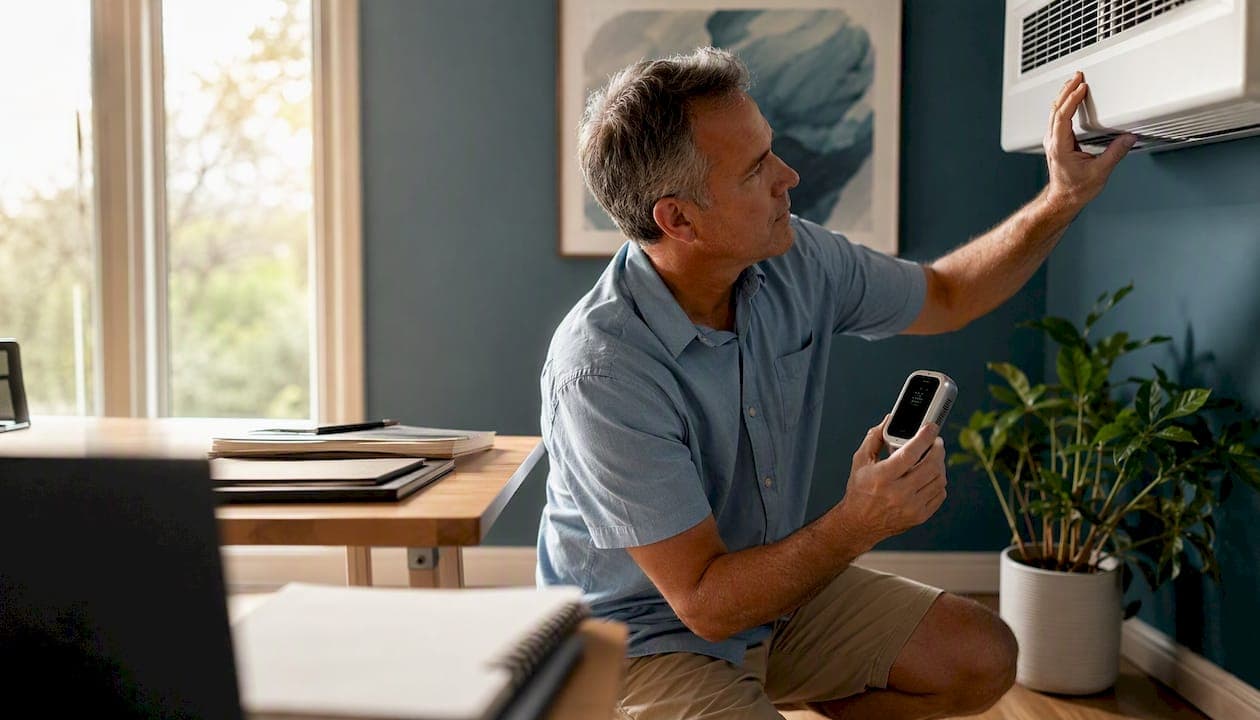
Six factor groups drive indoor air quality in any home or building: pollutant sources (particulates, VOCs, combustion gases, radon, and biologicals), ventilation and air exchange rate, filtration and HVAC system condition, humidity and moisture, occupant behaviors, and building materials or recent renovations. The EPA recommends tackling them in exactly that order: source control first, improved ventilation second, air cleaners and filtration third. Buying an air purifier before fixing a combustion appliance or sealing a moisture leak is like mopping the floor while the faucet is still running.
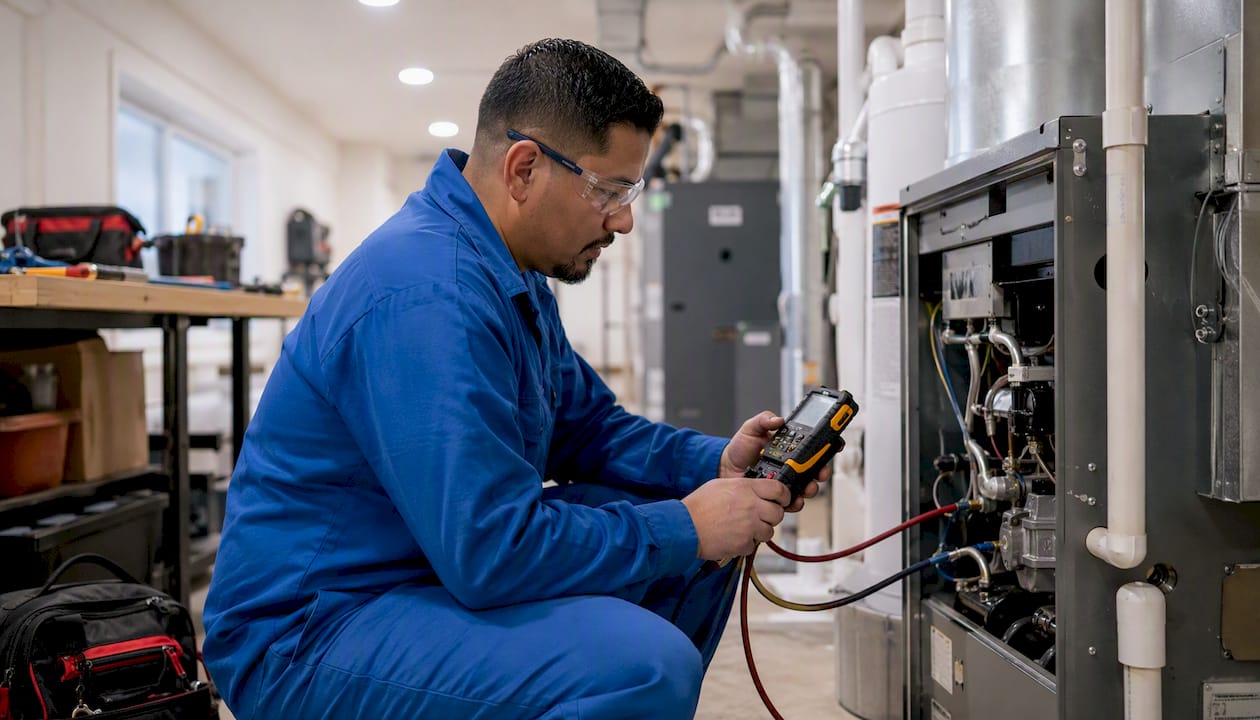
Americans spend roughly 90% of their time indoors, and indoor pollutant concentrations are often 2–5 times higher than outdoor levels. That gap matters most for children, older adults, and anyone with asthma or cardiovascular disease, who tend to spend even more time indoors.
The primary factor groups at a glance:
- Pollutant sources: combustion appliances, tobacco smoke, building materials, cleaning products, soil gas (radon)
- Ventilation/air exchange: infiltration, natural ventilation, mechanical systems
- Filtration and HVAC condition: filter rating, maintenance frequency, duct cleanliness
- Humidity and moisture: mold growth, dust mite proliferation, condensation
- Occupant behaviors: cooking, cleaning, smoking, hobby work
- Building materials and renovations: off-gassing from pressed wood, paints, adhesives
- Biological and chemical hazards: mold spores, pet dander, CO, radon
Pro Tip: Before spending anything on air cleaners, check every combustion appliance (furnace, water heater, gas range) for proper venting, and confirm your CO detectors are working. Carbon monoxide is odorless, invisible, and immediately dangerous — no air purifier touches it.
Table of Contents
- What's actually in your indoor air — pollutant types and sources
- How ventilation and air exchange shape what you breathe
- Does your HVAC system help or hurt your air quality?
- Why humidity is one of the most overlooked factors affecting indoor comfort
- How outdoor air and Avondale's climate affect what comes inside
- Everyday behaviors that raise pollutant levels more than you'd expect
- Building materials and renovations as persistent pollutant sources
- Biological contaminants: mold, allergens, and pests
- Chemical hazards you can't smell or see: VOCs, radon, and carbon monoxide
- How to tell if your indoor air quality is poor
- DIY sensors vs. professional testing: which do you actually need?
- How to improve indoor air quality: a prioritized action plan
- When should you call a professional?
- Why perception alone fails — the HVAC maintenance connection
- Key Takeaways
- What the field actually shows about indoor air
- Professional IAQ services for Avondale homeowners and businesses
- Authoritative sources and further reading
- FAQ
What's actually in your indoor air — pollutant types and sources
Indoor pollution sources that release gases or particles are the primary cause of indoor air quality problems. Understanding the categories helps you identify what's likely in your home before you test or treat anything.
| Pollutant Category | Common Indoor Sources | Typical Health Concerns |
|---|---|---|
| Particulate matter (PM2.5/PM10) | Cooking, candles, tobacco smoke, outdoor infiltration | Respiratory irritation, cardiovascular effects |
| Volatile organic compounds (VOCs) | Paints, adhesives, cleaning products, new furnishings | Eye/throat irritation, headaches, some carcinogenic |
| Combustion products (CO, NO₂) | Gas stoves, furnaces, fireplaces, attached garages | CO poisoning, respiratory disease |
| Radon | Soil gas entering through foundation cracks | Lung cancer (second leading cause in the U.S.) |
| Biological contaminants | Mold, bacteria, pollen, dust mites, pet dander | Allergies, asthma, infections |
| Formaldehyde | Pressed wood furniture, flooring, carpets, adhesives | Carcinogen; eye and airway irritation |
| Asbestos/lead | Older insulation, paint, floor tiles | Cancer, neurological damage |
A few points worth knowing about specific sources:
- Cooking, especially frying at high heat, generates PM2.5 spikes that can rival outdoor traffic pollution
- Radon enters through foundation cracks and is responsible for about 21,000 U.S. lung cancer deaths annually, according to EPA estimates
- Allergens from dust mites and pets can remain airborne and embedded in carpets and furniture for months
- New pressed wood products and carpets off-gas formaldehyde most heavily in the first weeks after installation
The EPA's technical guidance frames IAQ problems around four elements: contaminant sources, HVAC capability, pollutant pathways, and occupants. The HVAC system often acts as the main pollutant pathway, carrying particles and gases from one room to distant areas through ducts, stairwells, and utility chases. A source in the basement can affect a bedroom two floors up.
How ventilation and air exchange shape what you breathe
Air exchange rate (ACH) measures how many times per hour the air in a space is replaced with outdoor air. Low ACH means indoor emissions accumulate. High ACH from the right source dilutes them. The challenge is that "more outdoor air" isn't always better.

Tight, energy-efficient building envelopes reduce natural infiltration, which used to dilute indoor pollutants passively. Without mechanical ventilation to compensate, those homes can have worse air quality than older, leakier ones. Heat-recovery ventilators (HRVs) and energy-recovery ventilators (ERVs) solve this by bringing in fresh air without throwing away conditioned air.
When outdoor air helps:
- Low outdoor pollution days (check AirNow.gov before opening windows)
- Mild temperatures that don't force you to run the AC or heat
- During and after pollutant-generating activities like painting or cleaning
When outdoor air hurts:
- Wildfire smoke events (common in the Southwest, including Avondale)
- High-pollen days for allergy sufferers
- Heavy traffic corridors or nearby industrial activity
Low ventilation rates have been associated with adverse health outcomes and reduced work and academic performance, according to research cited by the European Commission's scientific committee on indoor air.
Practical decision tips: run bathroom and kitchen exhaust fans during any pollutant-generating activity and for at least 15 minutes after. If your home was built or tightened after 2000 and lacks mechanical ventilation, an HRV or ERV is worth evaluating with an HVAC professional.
Does your HVAC system help or hurt your air quality?
Your HVAC system is simultaneously your best tool for controlling indoor air and a potential pollutant distributor when neglected. Air cleaners and filtration vary widely in effectiveness: most portable units handle particles reasonably well but cannot remove gaseous pollutants like CO, radon, or most VOCs. Effectiveness depends on both the filter's capture efficiency and the volume of air actually moving through it.
Filter ratings in plain terms:
- MERV 1–4: Basic fiberglass filters; catch large debris, miss fine particles
- MERV 8–11: Mid-range pleated filters; good balance of particle capture and airflow for most residential systems
- MERV 13–16: High-efficiency filters; excellent particle capture, but can restrict airflow in systems not designed for them
- HEPA (True HEPA): Captures 99.97% of particles ≥0.3 microns; standard in portable air cleaners and some commercial systems
Pro Tip: Check your HVAC manufacturer's specifications before upgrading to a MERV 13+ filter. A filter that's too restrictive for your system reduces airflow, strains the blower motor, and can actually worsen air distribution throughout the home.
Maintenance priorities that genuinely move the needle:
- Replace filters on schedule (every 1–3 months depending on filter type and household conditions)
- Schedule professional duct inspection and cleaning when you notice visible dust at registers, after renovation work, or if occupants have persistent allergy symptoms
- Keep all supply and return vents clear of furniture and obstructions
- Annual HVAC tune-ups catch refrigerant issues, dirty coils, and drainage problems that contribute to moisture and mold
Learning how HVAC improves indoor air quality helps homeowners understand what maintenance tasks actually matter versus what's optional.
Why humidity is one of the most overlooked factors affecting indoor comfort
Maintaining relative humidity within an optimal range is important for indoor comfort; low humidity can cause dry skin and irritation, while higher humidity favors mold growth and dust mite proliferation.
High indoor humidity favors dust mite growth and mold development; excessive humidity can cause water to condense on cold surfaces, leading to water damage and mold problems, according to the European Commission's scientific committee on indoor air quality.
Common moisture sources that push humidity above the safe range:
- Plumbing leaks, even slow ones behind walls
- Condensation on cold surfaces (windows, pipes, exterior walls)
- Humid outdoor air infiltrating in climates with high ambient moisture
- Inadequate exhaust ventilation in kitchens and bathrooms
Concrete actions:
- Run the bathroom exhaust fan during every shower and for 20 minutes after
- Use a range hood vented to the outside (not recirculating) while cooking
- Fix plumbing leaks within 24–48 hours; wet materials that aren't dried quickly become mold substrates
- Use a hygrometer (a $15–$25 device at any hardware store) to monitor actual humidity levels
- In Avondale's hot, dry summers, low humidity is often the bigger concern; during monsoon season, the opposite applies
How outdoor air and Avondale's climate affect what comes inside
Outdoor air is not a neutral resource. In Avondale and the broader Phoenix metro area, several outdoor conditions directly affect indoor air quality choices.
Wildfire smoke: Arizona's fire season pushes fine particulate matter (PM2.5) to levels that exceed EPA health standards. During smoke events, keeping windows closed and running your HVAC on recirculate with a quality filter is the right call.
Dust events (haboobs): Avondale experiences seasonal dust storms that carry PM10 and PM2.5 into homes through gaps around doors, windows, and HVAC intake points. Sealing those gaps and checking your filter after a major dust event is practical maintenance.
Pollen season: Spring brings high pollen counts from desert plants. Keeping windows closed on high-pollen days and using MERV 8+ filters reduces indoor pollen load.
Hot, dry summers: Avondale's summer heat means most residents run AC continuously for months, which reduces natural ventilation. That's actually good for keeping outdoor pollutants out, but it also means any indoor source accumulates without dilution. Improving indoor air quality in Avondale homes requires accounting for this seasonal pattern specifically.
The key principle: check AirNow.gov before deciding to ventilate. On days with an Air Quality Index above 100, keep the building closed and rely on filtration.
Everyday behaviors that raise pollutant levels more than you'd expect
Occupant activities are among the most controllable factors affecting indoor air, and also among the most underestimated. A single frying session without a range hood can push PM2.5 to levels that would trigger health alerts outdoors.
High-impact activities and what to do about them:
- Cooking (especially frying or broiling): Always run a range hood vented to the outside. If yours recirculates, it filters grease but not fine particles or combustion gases.
- Smoking or vaping indoors: There is no safe level of indoor tobacco smoke. Smoke outdoors, away from open windows and doors.
- Candles and incense: Both produce fine particles and VOCs. Use sparingly, ventilate well, and avoid synthetic-fragrance candles.
- Cleaning products: Many conventional cleaners release VOCs. Switch to fragrance-free, lower-VOC products or open windows while cleaning.
- Hobby work (painting, soldering, woodworking): Do these outdoors or in a well-ventilated garage with local exhaust pointed outside.
- Indoor combustion heating: Unvented kerosene or propane heaters release CO and NO₂ directly into living spaces. Avoid them.
One underappreciated detail: a loud exhaust fan you actually use beats a quiet one you ignore. If your kitchen exhaust fan is too noisy to run during cooking, replacing it with a quieter model is a worthwhile investment.
Building materials and renovations as persistent pollutant sources
New construction and renovation work introduce some of the highest short-term pollutant loads a home will ever see. But the effects aren't always short-term. Pressed wood products like particleboard and MDF continue off-gassing formaldehyde for months or years after installation.
Common material sources to know:
- Pressed wood (particleboard, MDF, plywood): Primary indoor source of formaldehyde; found in cabinets, flooring, and furniture
- Paints, stains, and solvents: High VOC content during application; levels drop after curing but some off-gassing continues
- New carpets and adhesives: Off-gas VOCs and can trap allergens long-term
- Older homes (pre-1978): Lead paint and asbestos-containing insulation, floor tiles, or pipe wrap are real hazards if disturbed during renovation
Practical steps:
- Choose low-VOC or zero-VOC paints and finishes; the performance gap versus conventional products has largely closed
- Allow new furniture or flooring to off-gas in a garage or well-ventilated space before bringing it indoors
- During renovation, seal off the work area from living spaces, run local exhaust, and don't occupy freshly renovated rooms for at least 48–72 hours after work ends
- Never sand or disturb materials in pre-1978 homes without testing for lead and asbestos first
Biological contaminants: mold, allergens, and pests
Biological pollutants are the category most likely to cause symptoms that homeowners notice and correctly attribute to their home. Visible mold, musty odors, humidity consistently above 50%, and respiratory symptoms that improve when you leave the building are the American Lung Association's key indicators of unhealthy indoor air.
The main biological contaminants:
- Mold spores (from any damp surface: walls, HVAC coils, duct interiors, crawl spaces)
- Bacteria (from standing water, humidifiers, and cooling towers)
- Pollen (infiltrating from outdoors)
- Dust mites (thrive in bedding, carpets, and upholstered furniture above 50% humidity)
- Pet dander (airborne and surface-deposited; persists for months)
- Pest allergens (rodent droppings, cockroach proteins — significant in urban and older housing)
Pests, house dust mites, and cockroaches are important sources of indoor allergens; exposure to these aeroallergens can promote the development of allergic airway diseases including rhinitis and asthma.
Immediate action steps:
- Fix any water leak within 24–48 hours; materials that stay wet longer than that are at high risk for mold growth
- Clean or replace contaminated materials; surface-cleaning visible mold with bleach is a temporary fix, not remediation
- For mold covering more than 10 square feet, call a certified mold remediation professional
- Wash bedding weekly in hot water to reduce dust mite populations
- Use HEPA-filtered vacuums on carpets and upholstered furniture
Chemical hazards you can't smell or see: VOCs, radon, and carbon monoxide
Some of the most dangerous indoor air hazards give no sensory warning. Carbon monoxide is odorless and colorless. Radon is the same. Many VOCs have no detectable smell at concentrations that still cause long-term harm.
The three highest-priority chemical hazards:
- Carbon monoxide (CO): Produced by any combustion appliance. Symptoms (headache, dizziness, nausea) mimic flu. At high concentrations, CO is fatal within minutes. Every home needs working CO alarms on each floor.
- Radon: A naturally occurring radioactive gas that enters through foundation cracks. The EPA recommends testing every home and mitigating when levels reach or exceed 4 picocuries per liter (pCi/L). Short-term test kits are available at hardware stores for under $30.
- VOCs: A broad category ranging from mildly irritating to carcinogenic. Benzene (from tobacco smoke and attached garages), formaldehyde, and trichloroethylene are the highest-concern compounds in residential settings.
Detection and response:
- Install CO alarms per manufacturer instructions; replace them every 5–7 years
- Test for radon with an EPA-approved test kit; if results are at or above 4 pCi/L, hire a certified radon mitigation contractor
- For VOC concerns after renovation or with new furnishings, a professional VOC panel test identifies specific compounds and concentrations
- If a CO alarm sounds or anyone shows CO poisoning symptoms: evacuate immediately, call 911, and do not re-enter until emergency services clear the building
Common indoor air pollutants in Avondale homes include several of these chemical hazards, particularly in homes with attached garages or older HVAC systems.
How to tell if your indoor air quality is poor
Symptoms and smell are unreliable indicators. Many of the most dangerous pollutants are invisible and odorless, and occupants adapt to persistent low-level exposures without realizing it.
Common indicators worth taking seriously:
- Frequent headaches, fatigue, or difficulty concentrating that improve when you leave home
- Eye, nose, or throat irritation that multiple occupants share
- Worsening asthma or allergy symptoms specifically at home
- Visible mold growth or persistent musty odors
- Unusual dust buildup at supply registers or on surfaces
- Condensation on windows or walls
"People who are often most susceptible to the adverse effects of pollution tend to spend even more time indoors." — U.S. EPA
The perception problem: Research shows that occupants consistently prioritize thermal comfort over air quality when evaluating their environment. This means IAQ problems go unnoticed until symptoms appear. CO and radon produce no sensory signal at all. Objective measurement is the only reliable way to know.
When to escalate to testing:
- Symptoms are persistent and linked to time spent at home
- Multiple occupants report similar complaints
- Visible signs of contamination (mold, unusual dust)
- After any renovation, new flooring, or major HVAC work
- In any home that hasn't been tested for radon
DIY sensors vs. professional testing: which do you actually need?
| Testing Method | What It Measures | Best For | Limitations |
|---|---|---|---|
| CO alarm/monitor | Carbon monoxide | Every home, always | Not a quantitative IAQ tool |
| Radon test kit (short-term) | Radon (pCi/L) | Initial screening | Needs follow-up long-term test if elevated |
| PM2.5 consumer monitor | Fine particles | Identifying cooking/activity spikes | Doesn't identify source or type |
| Basic VOC sensor | Total VOC index | Detecting off-gassing events | Can't identify specific compounds |
| Professional VOC panel | Specific VOC compounds | Post-renovation, persistent symptoms | Requires lab analysis; higher cost |
| Mold spore trap | Airborne mold spores | Suspected mold, musty odors | Requires certified lab interpretation |
| Professional radon test | Radon (long-term average) | Confirmation after elevated short-term result | Takes 90 days |
EPA action levels to know: radon at or above 4 pCi/L warrants mitigation. For PM2.5, the EPA's 24-hour standard is 35 micrograms per cubic meter. CO alarms are required to sound before concentrations reach dangerous levels per UL 2034 standards.
Pro Tip: Start with CO and smoke alarms (non-negotiable), then add a combination PM2.5/CO monitor for around $50–$100. That covers the two most immediate risks. Escalate to professional testing for radon, specific VOCs, or mold only when symptoms persist or visible signs appear. See the indoor pollutant detection guide for a full sensor comparison.
How to improve indoor air quality: a prioritized action plan
The EPA's three-strategy framework is the right starting point: source control, improved ventilation, then air cleaners and filtration. Here's how to apply it practically.
Step-by-step priority order:
- Eliminate or reduce sources. Stop indoor smoking. Fix leaks within 48 hours. Switch to lower-VOC cleaning products. Check combustion appliances for proper venting. Test for radon.
- Improve ventilation appropriately. Use exhaust fans during cooking and showering. Open windows on good air quality days. Consider an HRV or ERV if your home is tightly sealed.
- Upgrade and maintain air cleaning and filtration. Install the highest MERV filter your system supports. Replace filters on schedule. Schedule annual HVAC tune-ups.
- Monitor and retest. Use a PM2.5 monitor to verify improvements. Retest radon after mitigation. Track humidity with a hygrometer.
Seasonal maintenance timeline:
- Every 1–3 months: Replace HVAC filter (more frequently with pets or after dust events)
- Every 6 months: Check CO detector batteries; inspect bathroom and kitchen exhaust fans
- Annually: Professional HVAC tune-up; inspect dryer vent for lint blockage; check for visible mold in crawl spaces and attics
- Every 2 years: Professional duct inspection, especially after renovation or if symptoms persist
- Every 2–5 years: Long-term radon retest (or after any major foundation work)
Scenario-specific notes:
- Small apartment without central HVAC: Portable HEPA air cleaner plus consistent exhaust fan use is your primary tool. Radon testing still applies.
- Single-family home with central HVAC: Filter upgrades and annual tune-ups deliver the most consistent improvement. Duct cleaning is warranted after renovation or visible contamination.
- Older, tight home: Prioritize combustion appliance inspection and radon testing before anything else.
When should you call a professional?
Some IAQ problems are beyond what sensors and behavioral changes can fix. Knowing when to call a pro saves time, money, and health risk.
Red flags that warrant a professional call:
- CO alarm activation or CO symptoms in occupants (evacuate first, then call)
- Radon test result at or above 4 pCi/L
- Visible mold covering more than 10 square feet
- Strong, unexplained chemical or musty odors that persist after cleaning
- HVAC system producing visible dust clouds from registers or emitting burning smells
- Persistent symptoms in multiple occupants with no identifiable cause
Questions to ask any IAQ or HVAC professional:
- What certifications do you hold? (Look for NADCA certification for duct cleaning, NRPP or NRSB for radon, IICRC for mold remediation)
- What does your scope of work include, and what does it exclude?
- Do you provide a written estimate and a written scope before starting?
- Will you include follow-up testing to confirm the problem is resolved?
- Are you licensed and insured in Arizona?
For commercial duct and vent cleaning in Avondale, the same vetting principles apply: written scope, documented results, and post-service verification.
Why perception alone fails — the HVAC maintenance connection
The gap between what occupants perceive and what's actually in their air is one of the most consistent findings in IAQ research. Occupants prioritize thermal comfort over air quality when judging their environment, which means invisible hazards like radon, CO, and VOCs go undetected until symptoms appear or a test reveals them.
"Occupants often prioritize thermal comfort (temperature and humidity) over indoor air quality when judging space satisfaction; perception alone can miss invisible hazards." — Environmental comfort research, MDPI
The HVAC system sits at the center of this problem. A well-maintained system distributes filtered, conditioned air and controls humidity. A neglected one circulates accumulated dust, mold spores, and allergens through every room. Research on HVAC impacts in hot climates shows that improper system sizing or poor maintenance commonly leads to moisture accumulation and mold growth, particularly in climates like Avondale's where systems run under heavy load for months.
Pro Tip: Schedule a professional HVAC assessment as part of any IAQ improvement plan, not as a last resort. An assessment catches sizing problems, dirty coils, and drainage issues that no air cleaner or sensor can fix. The allergen removal benefits of duct cleaning are well-documented for homes with persistent allergy symptoms.
Key Takeaways
The most effective approach to indoor air quality is source control first, followed by improved ventilation, then air cleaning and filtration — in that order, every time.
| Point | Details |
|---|---|
| Source control comes first | Fixing combustion appliances, leaks, and smoking habits outperforms any air cleaner. |
| Test for the invisible hazards | CO alarms and a radon test kit cover the two most dangerous, undetectable threats. |
| Humidity target: 30–50% | Staying in this range prevents mold growth and limits dust mite populations. |
| HVAC maintenance is IAQ maintenance | Annual tune-ups, regular filter changes, and duct inspections keep the system from distributing pollutants. |
| Airanddryerventcleaningavondale | Provides professional duct cleaning, dryer vent cleaning, and air quality testing for Avondale homes and businesses. |
What the field actually shows about indoor air
Most homeowners I talk to in Avondale are surprised by the same thing: their air quality problem isn't what they thought it was. They've bought an air purifier, maybe two. But the real issue is a dryer vent clogged with lint pushing humid air back into the laundry room, or an HVAC system that hasn't been serviced in three years and is distributing dust and mold spores through every register in the house.
The research backs this up. Targeted source control — fixing a combustion appliance, sealing a moisture entry point, cleaning contaminated ductwork — consistently delivers larger IAQ improvements than adding filtration on top of an unaddressed source. That's not a knock on air purifiers; they have a role. But they're the third tool, not the first.
In Avondale specifically, the combination of heavy AC use, occasional dust storms, and monsoon-season humidity swings creates a specific set of risks that generic national advice doesn't fully address. Homes here run their HVAC systems hard for six or more months a year. That means filters load faster, coils accumulate more debris, and dryer vents need more frequent inspection than the national average suggests. A professional inspection every year or two isn't overcautious here. It's appropriate maintenance for the climate.
If your home has never had a duct inspection, or if you've noticed more dust than usual at your registers, that's where to start — not with a new air purifier.
Professional IAQ services for Avondale homeowners and businesses
Airanddryerventcleaningavondale is Avondale's local specialist for the services that actually move the needle on indoor air quality: professional air duct cleaning, dryer vent cleaning, vent replacement, HVAC inspection, and certified indoor air quality testing. Unlike a generic HVAC company, the focus here is specifically on the duct and vent systems that determine how clean your air actually is after it leaves the filter.
Avondale's climate makes this more than routine maintenance. Dust storms load filters and infiltrate duct systems. Heavy AC use through the summer means your system runs under sustained load, accumulating debris on coils and in ducts faster than in milder climates. Monsoon humidity spikes create short windows where moisture can enter and stay.
The team serves both residential and commercial clients throughout Avondale with flexible scheduling, written scopes of work, and follow-up verification. If you want to know what's actually in your air before deciding what to fix, start with a professional air quality test. If you already know the ducts need attention, schedule a duct and vent cleaning and get a written estimate before any work begins.
Authoritative sources and further reading
These U.S.-focused primary sources back the claims in this article and are worth bookmarking for ongoing reference:
- Introduction to Indoor Air Quality (U.S. EPA): The EPA's foundational overview of pollutant sources, ventilation, and why source control is the priority strategy.
- Improving Indoor Air Quality (U.S. EPA): Practical guidance on the three-strategy framework: source control, ventilation, and filtration. Includes guidance on air cleaner limitations.
- Indoor Air Quality Report (U.S. EPA): Data on indoor vs. outdoor pollutant concentrations and the 90% time-indoors figure.
- Indoor Air Quality (NIEHS): National Institute of Environmental Health Sciences overview covering radon, formaldehyde, asbestos, CO, and biological contaminants with health effect summaries.
- Signs of Unhealthy Indoor Air (American Lung Association): Practical checklist of indicators including visible mold, odors, humidity, and symptom patterns.
- Indoor Air Quality (OSHA): Workplace-focused IAQ guidance; useful for commercial property owners and employers.
- EPA Factors Affecting IAQ (Technical Document): The four-element IAQ framework (sources, HVAC, pathways, occupants) in detail.
Follow U.S. EPA and your local Maricopa County public health guidance for current safety thresholds, radon action levels, and remediation standards specific to Arizona.
FAQ
What are five common indoor air pollutants?
The five most common indoor air pollutants are particulate matter (PM2.5/PM10), volatile organic compounds (VOCs), carbon monoxide, radon, and biological contaminants such as mold spores and dust mite allergens. Each has distinct sources and health effects, ranging from immediate CO poisoning risk to long-term lung cancer risk from radon.
How do you tell if you have poor indoor air quality?
Common signs include persistent headaches, eye or throat irritation, worsening allergy or asthma symptoms at home, visible mold, musty odors, and unusual dust buildup at registers. Because CO and radon produce no sensory warning, working CO alarms and a radon test kit are the only reliable way to detect those specific hazards.
How do you fix poor indoor air quality?
The EPA recommends three strategies in order: source control (fix leaks, stop indoor smoking, service combustion appliances), improved ventilation (exhaust fans, open windows on clean-air days, mechanical ventilation for tight homes), and air cleaning and filtration. Airanddryerventcleaningavondale offers professional duct cleaning, vent cleaning, and air quality testing for Avondale homeowners who need help beyond DIY steps.
Can poor indoor air quality make you sick?
Yes. Short-term effects include headaches, fatigue, and respiratory irritation; long-term exposure to radon, asbestos, or formaldehyde is linked to lung cancer. People with asthma, allergies, or cardiovascular disease are most vulnerable, and they also tend to spend the most time indoors.