
TL;DR:
- Leaking air ducts can waste up to 40% of conditioned air, increasing energy costs. Sealing and insulating ducts in unconditioned spaces improves efficiency and indoor air quality. Most energy savings come from sealing leaks, not from duct cleaning or new HVAC systems.
Your HVAC system might be brand new and perfectly sized, but if your air ducts are leaking, you could be throwing away nearly half your cooling before it ever reaches a room. 25-40% of heating or cooling energy disappears through leaks and poor insulation in typical duct systems. For homeowners and small business owners in Avondale, where summer temperatures regularly push past 110°F, that waste hits your wallet fast. This guide walks you through how air ducts actually work, what happens when they fail, and the practical steps that lead to real savings and cleaner air inside your home or building.
Table of Contents
- Why air ducts matter for energy efficiency
- How duct leaks, poor sealing, and insulation cause energy waste
- Air ducts and indoor air quality: The hidden connection
- Best practices for duct maintenance and maximizing energy savings
- What most people get wrong about saving energy with air ducts
- Need help maximizing your energy savings and air quality?
- Frequently asked questions
Key Takeaways
| Point | Details |
|---|---|
| Leaky ducts waste energy | Up to 40 percent of cooled or heated air can escape through duct leaks, increasing utility costs. |
| Sealing improves efficiency | Proper duct sealing and insulation can reduce energy loss and save homeowners hundreds of dollars each year. |
| Ducts influence air quality | Leaks in ductwork can draw in dust, allergens, and pollutants, negatively affecting your indoor air quality. |
| Best practices for savings | Use mastic or foil tape, add insulation, and consider professional help for maximum savings and comfort. |
Why air ducts matter for energy efficiency
Most people think of their HVAC unit (the big box that heats and cools air) as the main driver of comfort and energy costs. The truth is, your duct system is equally important. Air ducts are the network of metal, fiberglass, or flexible tubes that carry conditioned air (air that has been heated or cooled) from your HVAC unit to every room in your building. If that network has holes, gaps, or poor insulation, your system works overtime for underwhelming results.
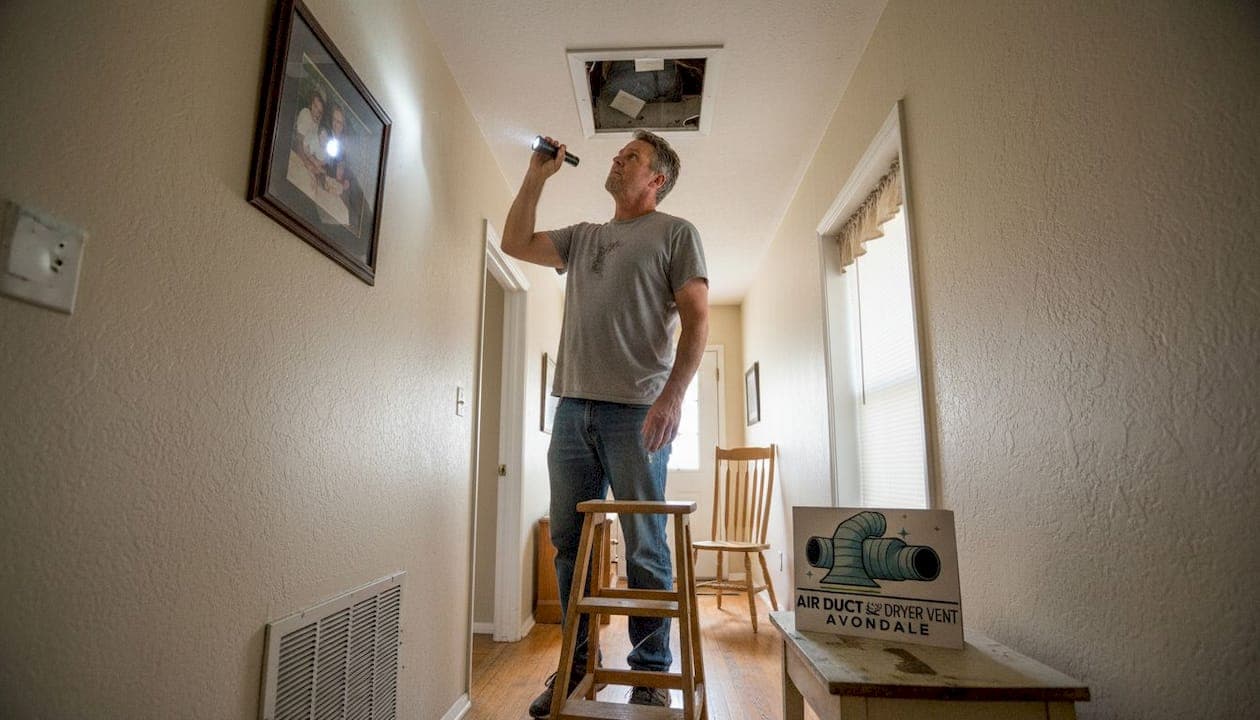
In Avondale, the layout of most homes makes this problem worse. A large share of duct systems here run through unconditioned attic spaces, where summer temperatures can exceed 150°F. That scorching environment is where energy loss happens fastest, and it happens quietly without any obvious warning signs.
Here is how energy escapes through your ducts:
- Supply duct leaks push cooled air into the attic or wall cavities instead of into your living rooms, meaning your rooms never reach the set temperature.
- Return duct leaks pull hot, dusty attic air back into the system, forcing your HVAC to cool air that should never have entered in the first place.
- Poor insulation on attic ducts allows conducted heat to warm up your cooled air before it even arrives.
- Disconnected sections from normal wear or poor installation create gaps that are essentially open holes in your system.
- Undersized or poorly designed layouts create pressure imbalances that reduce airflow to certain rooms.
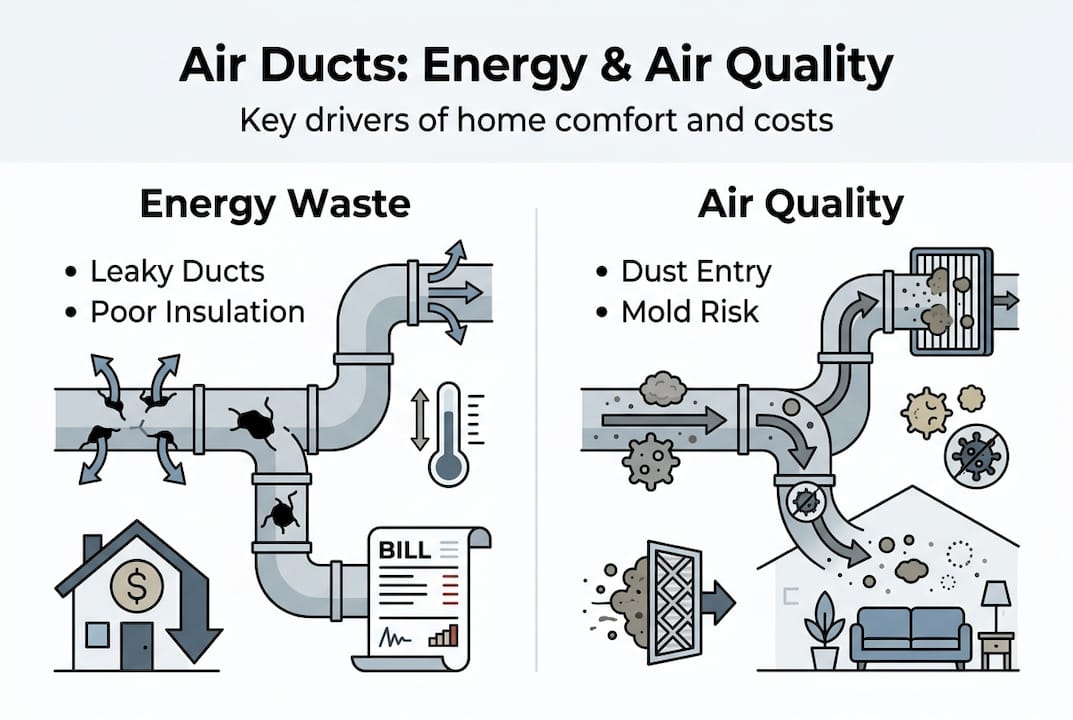
Every one of these issues hurts indoor air quality (IAQ) in addition to efficiency. IAQ refers to the cleanliness and health of the air circulating through your building. When ducts pull in unfiltered attic air, everyone inside breathes whatever that air carries, including dust, fiberglass particles, and mold spores.
"A duct system leaking 20% of conditioned air causes the HVAC system to work 50% harder, dramatically shortening equipment life and increasing energy bills."
Think of your duct system like the plumbing in your home. You would not tolerate pipes that leak 20% of your water before it reaches the faucet. The same logic applies to your air ducts. Learning more about improving HVAC efficiency and the types of air ducts used in Arizona homes can help you figure out where your system is most vulnerable.
How duct leaks, poor sealing, and insulation cause energy waste
Understanding the basic role of ducts sets the stage, but let's see what happens to energy and costs when things go wrong.
Duct leaks do not appear all at once. They develop gradually at joints where two sections connect, at seams where sheet metal meets flexible duct material, and at connection points around registers and air handlers. Over years of use, vibration, thermal expansion, and simple age cause these connection points to loosen or separate. In Arizona's extreme heat, this process happens faster than in milder climates.
Poor insulation is an equally serious problem for Avondale buildings. When cooled air travels through a duct sitting in a 150°F attic, it absorbs heat through the duct walls the entire way. By the time that air reaches your bedroom, it may be several degrees warmer than when it left the unit. Your HVAC then runs longer to compensate, driving up electricity costs every single cycle.
Estimated savings from sealing duct leaks:
| Leak severity | Estimated energy loss | Potential annual savings after sealing |
|---|---|---|
| Minor (less than 10%) | 10-15% of HVAC energy | $80 to $150 |
| Moderate (10-20%) | 20-30% of HVAC energy | $150 to $350 |
| Severe (20%+) | 30-50% of HVAC energy | $350 to $600+ |
Typical duct systems lose 25-40% of heating or cooling energy, and sealing leaks can save hundreds each year. That return makes sealing one of the highest-value home improvements available to Avondale residents.
Pro Tip: Focus sealing efforts on ducts in unconditioned spaces first. Every foot of leaky attic duct costs more than leaks in conditioned areas because the temperature difference between the duct interior and the surrounding space is enormous in summer.
Here is how to do a basic visual check on your own ducts:
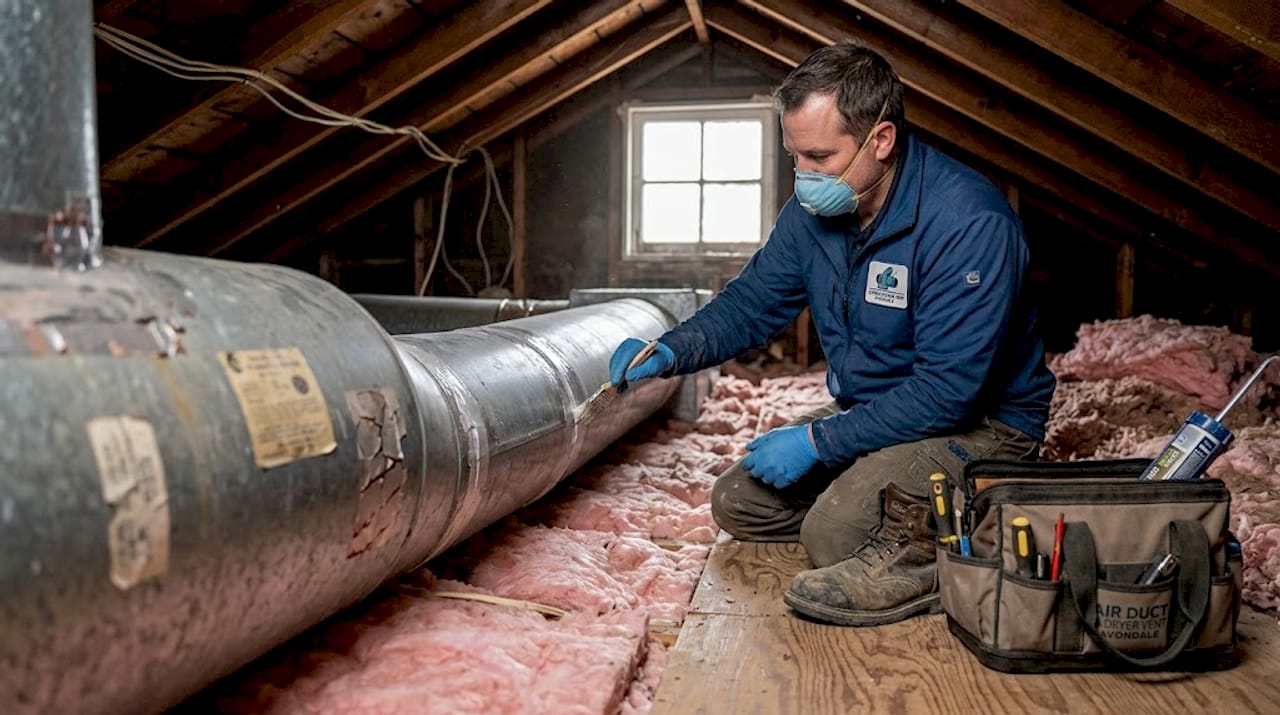
- Turn your system on and go to any accessible attic or crawlspace where ducts are visible.
- Run your hand near duct joints and seams while the system is running. Feel for escaping air.
- Look for disconnected sections, visible gaps, or duct tape that has dried out and peeled away.
- Check the condition of insulation wrapping around attic ducts. It should be intact with no missing sections.
- Note any rooms that never reach the right temperature, which can indicate a nearby supply leak.
Knowing when to replace ducts versus when to seal and repair is an important decision that depends on the age, material, and overall condition of your system.
Air ducts and indoor air quality: The hidden connection
Beyond energy costs, your air ducts play an outsized role in what you breathe indoors.
When return ducts develop leaks in the attic or crawlspace, they do not simply lose air. They actively pull in whatever surrounds them. In Avondale attics, that can include insulation fibers, rodent droppings, mold spores, and extremely fine dust that your HVAC filter was never designed to handle. This contaminated air then circulates through your entire building, affecting everyone inside.
Here is how sealing and cleaning compare when it comes to IAQ and energy performance:
| Action | Energy savings | IAQ improvement | Best use case |
|---|---|---|---|
| Duct sealing | High (up to 20%) | High (blocks new pollutants) | Leaky ducts, older systems |
| Duct cleaning | Low to moderate | Moderate (removes existing buildup) | Heavy dust, post-renovation |
| Both together | Highest | Best overall | Neglected systems, new homes |
The key difference is that sealing with mastic or foil tape improves efficiency by 20% and stops pollutants from entering the system at all. Cleaning only removes what has already built up. If your ducts leak, cleaning buys you cleaner air for a while, but the source of contamination keeps working against you.
That said, cleaning still matters. Dust, debris, and allergens that accumulate inside ducts over years can trigger asthma, worsen allergies, and reduce airflow. After major home renovations, cleaning is especially important because construction dust is some of the worst material you can circulate through your HVAC.
Benefits of combining sealing and cleaning:
- Permanently blocks entry points for attic and crawlspace pollutants
- Removes existing buildup that reduces airflow and IAQ
- Reduces allergen load for sensitive family members or employees
- Lowers the frequency of filter replacements needed
- Supports a more consistent temperature in every room
If you want to start with a hands-on approach, reviewing DIY duct cleaning options can help you handle surface-level buildup between professional visits. For a longer-term plan, it helps to schedule regular cleaning so that buildup never reaches a point where it impacts your system performance.
Best practices for duct maintenance and maximizing energy savings
With the connection between energy, air quality, and duct health clear, here is how to make meaningful improvements.
Maintaining your duct system does not require specialized skills for the basics, though complex repairs and sealing deep inside walls or the attic benefit from professional help. Start with what you can see and access.
Step-by-step duct maintenance for Avondale homeowners and business owners:
- Inspect accessible ducts twice a year, ideally before summer and before winter. Look for visible gaps, loose connections, and deteriorating insulation.
- Seal visible leaks with mastic sealant (a paste applied with a brush) or foil-backed tape, not standard cloth duct tape, which fails quickly in Arizona heat.
- Wrap attic ducts with R-6 or higher insulation, as R-6 minimum insulation is the recommended threshold for ducts in unconditioned spaces in Arizona's climate.
- Replace any cloth duct tape you find on existing connections. It dries out and peels away within a few years, leaving gaps open.
- Check and replace air filters monthly during peak summer and winter usage, since a clogged filter forces the system to work harder and can accelerate duct pressure problems.
- Clean accessible vents and registers to prevent surface-level dust from being pushed into the duct system during operation.
- Call a professional if you find disconnected duct sections in the attic, visible mold growth near registers, or if your utility bills jump unexpectedly with no clear cause.
Pro Tip: In Avondale, the single most impactful thing you can do is move your ducts into conditioned space if a major renovation is planned. Ducts inside the thermal envelope (inside the insulated portion of your home) lose far less energy than those running through the attic. This is a design change, but it pays for itself over time.
For professional HVAC cleaning, look for a service provider that uses negative pressure equipment and can access all duct branches, not just the main trunk. Understanding how to choose a professional duct service helps you avoid providers who offer cheap inspections but upsell unnecessary treatments.
What most people get wrong about saving energy with air ducts
After all these facts and how-tos, it is worth questioning common approaches to air duct efficiency.
The most widespread mistake we see is treating duct cleaning as the primary solution to high energy bills. Cleaning is valuable, and we do it every day, but it does not fix leaks. A clean duct that still loses 25% of its conditioned air is just a cleaner version of an expensive problem.
The second mistake is assuming a new HVAC unit will fix the issue. We have seen customers replace $6,000 systems only to find their utility bills barely change, because the ducts distributing that new system's air were still losing a third of it to the attic. Equipment is only as effective as the delivery system behind it.
The often-overlooked insight is this: the design and location of your ducts matter more than almost any other single factor. Arizona homes built with attic duct runs are already starting at a disadvantage. Before spending money on premium filters, smart thermostats, or high-efficiency equipment, invest in sealing and insulating what you already have. The return on that investment in an Avondale summer is almost always faster than you expect. More on the ROI of this approach is covered in our breakdown of energy loss and ductwork.
Need help maximizing your energy savings and air quality?
Now that you know how much your duct system affects both comfort and cost, putting that knowledge into action is easier with the right support.
At Air Duct and Dryer Vent Cleaning Avondale, we help homeowners and business owners across Avondale get real results from their duct systems. Whether you need air duct cleaning in Avondale, a full indoor air quality testing assessment, or duct repair and replacement services, our team brings the local expertise to identify what is actually costing you money and comfort. We offer flexible scheduling, including after-hours appointments, and stand behind our work with warranties. Contact us today to schedule your professional assessment and start saving on your next utility bill.
Frequently asked questions
How much energy can I save by sealing my air ducts?
Sealing ducts improves efficiency by up to 20% and can save hundreds of dollars annually, with the biggest gains going to homes that currently have severe leaks or heavily used attic duct runs.
Should I clean or seal my air ducts to improve air quality and savings?
Sealing gives you more energy and air quality benefits because it stops pollutants from entering, but sealing is most impactful when combined with cleaning if there is visible dust buildup or your system has not been maintained recently.
What is the best way to seal duct leaks in my Arizona home?
Use mastic sealant or foil-backed tape rather than cloth duct tape, which fails in heat, and prioritize any ducts running through your attic since mastic or foil tape holds up far better in Arizona's temperature extremes.
How do leaky air ducts affect indoor air quality?
Leaky return ducts pull in unfiltered attic air loaded with dust, allergens, and mold spores, and sealed ducts enhance IAQ by cutting off those entry points before contaminated air ever reaches your living or working spaces.