

TL;DR:
- Debris acts as a active indoor contaminant reservoir, continually releasing particles that degrade air quality.
- Controlling debris sources through moisture management, cleaning techniques, and ventilation is more effective than relying solely on filters or purifiers.
Debris is defined as any accumulation of solid particles, fibers, biological material, and microplastics that act as a continuous source of airborne contaminants inside your home or building. Indoor air quality problems occur when indoor sources release gases or particles and ventilation is too low to dilute or remove them. That means how debris impacts indoor air is not a passive concern. Every layer of dust on a shelf, every fiber shed from a carpet, and every fragment tracked in from outside is actively degrading the air you breathe. Understanding the mechanisms behind debris pollution indoors gives you the tools to do something about it.
How debris impacts indoor air: the core mechanism
Debris functions as a reservoir. It sits on surfaces, inside ductwork, and embedded in fabrics until something disturbs it. At that point, particles become airborne and enter your respiratory system. The EPA's framework for indoor air quality identifies three factors that determine how bad the problem gets: the strength of the source, the rate of ventilation, and the efficiency of any filtration in place.
What makes debris particularly problematic is that it does not stay inert. Indoor dust acts as a reservoir for biological contaminants including pathogens and antimicrobial-resistant bacteria, making debris control directly relevant to infection and allergy risk. A dusty room is not just aesthetically unpleasant. It is a biologically active environment.
The effects of debris on air quality also compound over time. Without regular source control and adequate air exchange, particle concentrations build. Homes in Avondale, Arizona face an additional challenge: the desert climate drives fine particulate matter and outdoor dust indoors through gaps, open windows, and HVAC intake systems, accelerating accumulation faster than in more temperate climates.
What types of debris affect indoor air the most?
Not all debris carries the same risk. The composition, size, and biological load of particles determine how deeply they penetrate your airways and how long they remain suspended.
The most common categories of indoor debris include:
- Settled dust particles: A mixture of skin cells, textile fibers, soil tracked indoors, and combustion byproducts. Coarse particles above 10 microns settle quickly but resuspend easily with foot traffic or air movement.
- Microplastic fibers: Fibers are the dominant morphology of airborne microplastics indoors, accounting for up to 95.7% of indoor microplastic particles. They shed from synthetic textiles, upholstery, and carpeting continuously.
- Biological contaminants: Mold spores, dust mite allergens, pet dander, and pollen all attach to or travel with debris particles. Biological contaminants linked to moisture can harm indoor air quality and occupant health significantly.
- Fine and ultrafine particles: Particles below 2.5 microns (PM2.5) bypass the nose and throat entirely and deposit in the lungs. These come from cooking, candles, outdoor infiltration, and combustion sources.
- Bacterial loads in airborne dust: Mean bacterial concentrations of over 1,000 CFU/m³ have been measured in some indoor spaces. That level of biological activity in settled dust means disturbing it without proper precautions introduces pathogens directly into the breathing zone.
Particle size is the single most important variable for health risk. Coarse particles irritate the upper respiratory tract. Fine particles reach the lungs. Ultrafine particles can cross into the bloodstream. Understanding common HVAC contaminants in your home helps you identify which debris types are most present in your specific environment.
How does debris become airborne and damage your health?
Debris does not stay on the floor. Every time someone walks across a room, opens a door, runs a vacuum, or turns on an HVAC system, particles lift off surfaces and re-enter the air. This process is called resuspension, and it is the primary mechanism by which surface debris becomes an inhalation hazard.
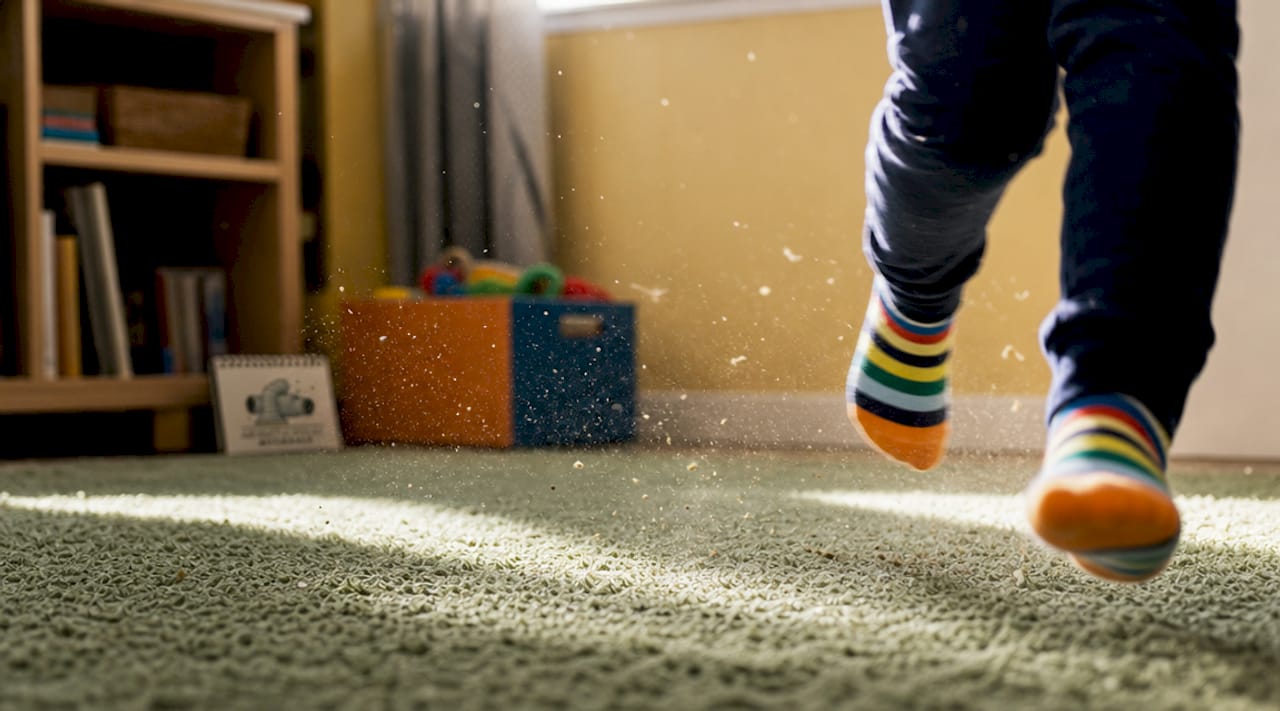
Vacuuming is a clear example of the paradox. HEPA vacuums capture 99.97% of particles at 0.3 microns, but the mechanical agitation of vacuuming still temporarily raises airborne particle counts. You are removing debris from the surface while simultaneously launching some of it into the air. This does not mean vacuuming is counterproductive. It means technique and equipment quality matter enormously.
HVAC systems add another layer of complexity. HVAC operation and room mixing affect exposure to large particles, and good mixing lowers exposure for some occupants while increasing it for others. A system that circulates air aggressively can redistribute settled debris from one zone to another rather than removing it. This is why how dust impacts your HVAC system matters beyond just air quality. Debris-laden ductwork recirculates contaminants every time the system runs.
The health consequences of chronic debris inhalation include respiratory irritation, worsening of asthma and allergies, and potential systemic effects from microplastic accumulation. Research on microplastics is still developing, but daily inhalation exposure indoors is estimated at 0.5 to 3.2 particles per day, with fibers dominating the intake. The long-term implications of that exposure are not yet fully quantified, which is reason enough to reduce it now.
Pro Tip: After vacuuming, wait 20 to 30 minutes before using the room. This allows resuspended particles to settle or be captured by your air filtration system before you re-enter the breathing zone.
Ventilation, filtration, and cleaning: what actually works?
The EPA's recommended hierarchy for controlling indoor air quality places source control first, ventilation second, and filtration third. Most people do this in reverse. They buy an air purifier, skip the source control, and wonder why their air quality readings do not improve.
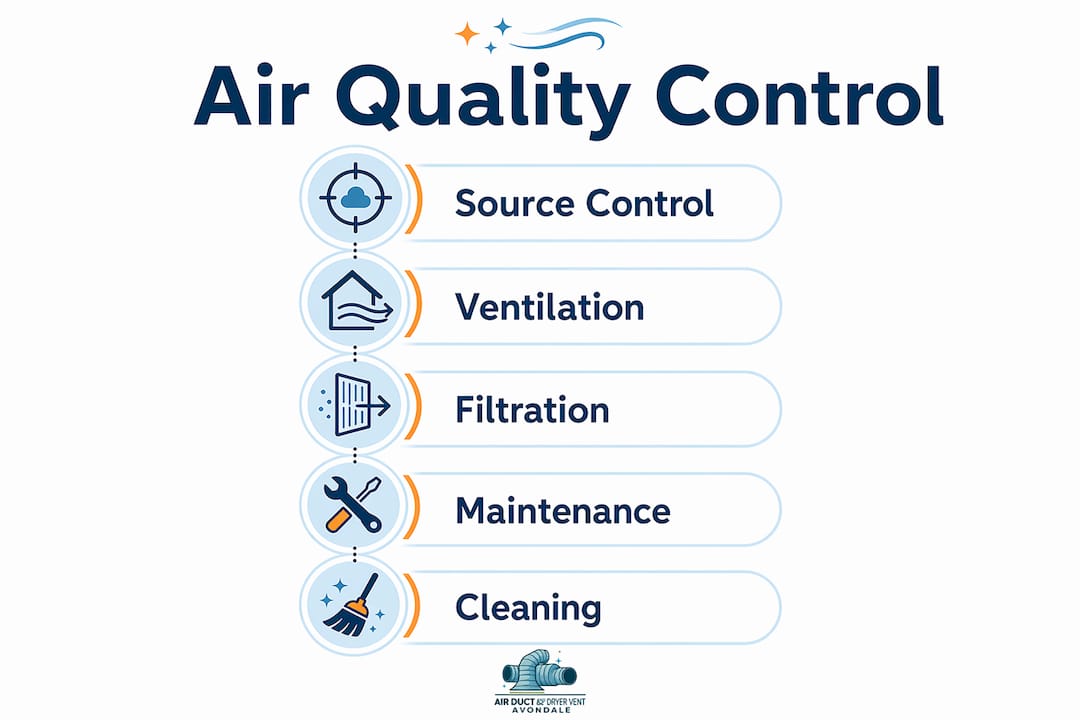
Here is how the three strategies compare in practice:
| Strategy | Mechanism | Real-world limitation |
|---|---|---|
| Source control | Eliminates or reduces the debris-generating source | Requires behavioral change and material choices |
| Ventilation | Dilutes indoor pollutants with outdoor air | Ineffective if outdoor air is heavily particulate-laden |
| HEPA filtration | Captures particles passing through the filter | Does not address resuspension or particles that bypass the filter |
| Portable air cleaners | Reduces fine particle-bound pollutants in the room | Performance depends on placement and room mixing dynamics |
| HVAC duct cleaning | Removes accumulated debris from the distribution system | Requires professional service; benefits depend on contamination level |
Portable air cleaners show real but limited results. One office study found a 19 to 37% decrease of high-molecular-weight PAHs in fine particles on days when purifiers were running. That is meaningful, but it is not a complete solution. Filtration preferentially reduces particle-bound pollutants in fine fractions and has variable effects on resuspended or semi-volatile contaminants.
HEPA filtration technology theoretically captures 99.97% of airborne particles at 0.3 microns, but real-world performance depends on filter quality, placement, and how consistently the unit is maintained. A HEPA filter that has not been replaced in 18 months is not performing at rated efficiency.
HVAC maintenance sits at the intersection of all three strategies. Regular HVAC cleaning reduces contaminants in ductwork and supports better air filtration throughout the system. When debris accumulates in ducts, every heating or cooling cycle redistributes it. Cleaning the source eliminates that cycle entirely.
Pro Tip: Place portable air cleaners near the primary debris source in a room, not in a corner. A unit sitting 6 feet from a high-traffic area captures far more particles than one placed against a wall across the room.
Practical strategies to reduce debris pollution indoors
Reducing the effects of debris on air quality requires a layered approach. No single action solves the problem. The following steps, applied consistently, produce measurable improvements.
-
Control moisture at the source. Moisture feeds mold growth and makes dust stickier and heavier, which increases resuspension potential. Fix leaks immediately, run bathroom exhaust fans during and after showers, and keep indoor humidity between 30% and 50%. The EPA identifies moisture control as the primary strategy before any other intervention for biological contaminants.
-
Switch from dry dusting to wet cleaning. Dry dusting with a cloth or feather duster launches particles into the air. Wet microfiber cloths trap debris on contact. Wet cleaning reduces resuspension compared to dry dusting and is the recommended method for surfaces where debris accumulates.
-
Vacuum with a HEPA-rated machine on a consistent schedule. Vacuuming frequency matters more than vacuuming intensity. Weekly vacuuming of carpets, rugs, and upholstered furniture prevents debris from compacting into layers that are harder to remove and more likely to resuspend during normal activity.
-
Reduce synthetic fiber sources where possible. Since fibers account for up to 95.7% of indoor microplastics, choosing natural fiber textiles for rugs, curtains, and upholstery reduces the ongoing shedding load. This is a source control decision with long-term air quality benefits.
-
Optimize ventilation without importing outdoor debris. Open windows during low-pollution periods, typically early morning in urban areas, and use window screens rated for fine particles. In Avondale, avoid opening windows during dust storm advisories. Consult household air quality indicators to understand when outdoor air exchange helps versus harms your indoor environment.
-
Schedule professional air duct and vent cleaning. Ductwork accumulates debris that no amount of surface cleaning addresses. Removing allergens from ducts directly improves the air quality of every room the system serves. For homes with pets, recent construction, or visible dust at vents, professional cleaning is not optional maintenance. It is a direct health intervention.
-
Replace HVAC filters on schedule. A clogged filter does not just fail to capture new debris. It restricts airflow, which reduces the system's ability to dilute and circulate air throughout the space. Check manufacturer recommendations and replace filters every 60 to 90 days in high-debris environments. You can also review dust reduction methods for additional strategies tailored to specific home conditions.
Key takeaways
Debris controls indoor air quality by acting as a continuous source of particles and biological contaminants that resuspend with every disturbance, making source control the single most effective long-term strategy.
| Point | Details |
|---|---|
| Debris is an active contaminant source | Settled dust carries bacteria, allergens, and microplastics that re-enter the air with any movement. |
| Source control outperforms filtration alone | Eliminating or reducing debris sources produces more sustained air quality gains than air purifiers alone. |
| Cleaning technique changes outcomes | Wet cleaning and HEPA vacuuming reduce resuspension; dry dusting and standard vacuums can worsen it temporarily. |
| HVAC systems redistribute debris | Dirty ductwork recirculates contaminants every cycle; professional cleaning breaks that loop. |
| Particle size determines health risk | Fine particles below 2.5 microns reach the lungs; coarse particles irritate the upper airway. |
What I've learned after years of watching people fight their own air
Most homeowners I talk to have already bought an air purifier. Some have two. What they have not done is look inside their air ducts, change their cleaning habits, or address the materials in their home that shed fibers and particles continuously. That gap between what people invest in and what actually moves the needle is the most consistent pattern I see.
The research backs this up. The EPA does not lead with filtration for a reason. Source control is the foundation. Everything else is supplemental. A HEPA purifier running in a room with a debris-filled duct system is like mopping the floor while the ceiling leaks. You are working against yourself.
I also want to push back on the idea that more filtration is always better. Real-world air cleaner performance is inconsistent due to room dynamics, resuspension, and where the emission source is located. I have seen offices with three air purifiers running and air quality readings that were no better than a room with one well-placed unit. Placement, room mixing, and the underlying debris load all matter more than the number of devices.
The other thing I consistently see underestimated is the role of HVAC ductwork. People clean their visible surfaces religiously and never think about the debris that has been accumulating in their ducts for years. Every time the system kicks on, that material gets a fresh opportunity to circulate. Scheduling HVAC cleaning regularly is not a luxury service. For homes with pets, allergies, or recent renovation work, it is the single highest-impact step available.
The balanced approach works: reduce sources, clean correctly, ventilate strategically, and maintain your HVAC system. None of these steps alone is sufficient. Together, they produce air quality that no purifier purchase can match on its own.
— Shaun
Take control of your indoor air with professional duct cleaning
Debris buildup inside air ducts and dryer vents is one of the most overlooked contributors to poor indoor air quality in Avondale homes and businesses. Once debris accumulates in your ductwork, every cycle of your HVAC system redistributes it throughout every room.
Airanddryerventcleaningavondale provides professional air vent and duct cleaning services for residential and commercial clients in Avondale, Arizona, removing accumulated dust, allergens, mold, and biological debris from your system. The team also handles dryer vent cleaning to prevent lint-based debris buildup that restricts airflow and creates fire risk. If you are ready to stop recirculating debris and start breathing cleaner air, contact Airanddryerventcleaningavondale to schedule an inspection or cleaning service today.
FAQ
What is debris in the context of indoor air quality?
Indoor debris refers to any accumulation of solid particles, fibers, biological material, and microplastics that act as sources of airborne contaminants. This includes household dust, mold spores, pet dander, textile fibers, and fine particles tracked in from outdoors.
How does dust affect indoor air quality specifically?
Dust contains biological contaminants including bacteria, allergens, and microplastic fibers that become airborne when disturbed. Studies have measured bacterial concentrations exceeding 1,000 CFU/m³ in high-dust indoor environments, making settled dust a direct health concern beyond simple aesthetics.
Does a HEPA air purifier remove all indoor debris?
HEPA filters capture 99.97% of particles at 0.3 microns under rated conditions, but they do not address resuspension from surfaces or debris inside ductwork. Filtration works best as a supplement to source control and regular cleaning, not as a standalone solution.
How often should air ducts be cleaned to reduce debris pollution?
The frequency depends on your home's specific conditions. Homes with pets, recent construction, visible dust at vents, or occupants with allergies benefit from professional duct cleaning every three to five years. High-debris environments may require more frequent service.
Can outdoor debris significantly worsen indoor air quality?
Outdoor particles enter through gaps, open windows, and HVAC intake systems and contribute meaningfully to indoor debris levels. In desert climates like Avondale, Arizona, fine particulate matter from dust storms can rapidly elevate indoor particle concentrations, making HVAC filter maintenance and source control especially important.