
TL;DR:
- Indoor air in Avondale is typically 2-5 times more polluted than outdoor air.
- Testing for pollutants like PM2.5, radon, VOCs, CO2, and mold helps identify indoor air risks.
- Professional testing and regular maintenance are essential for accurate assessment and health safety.
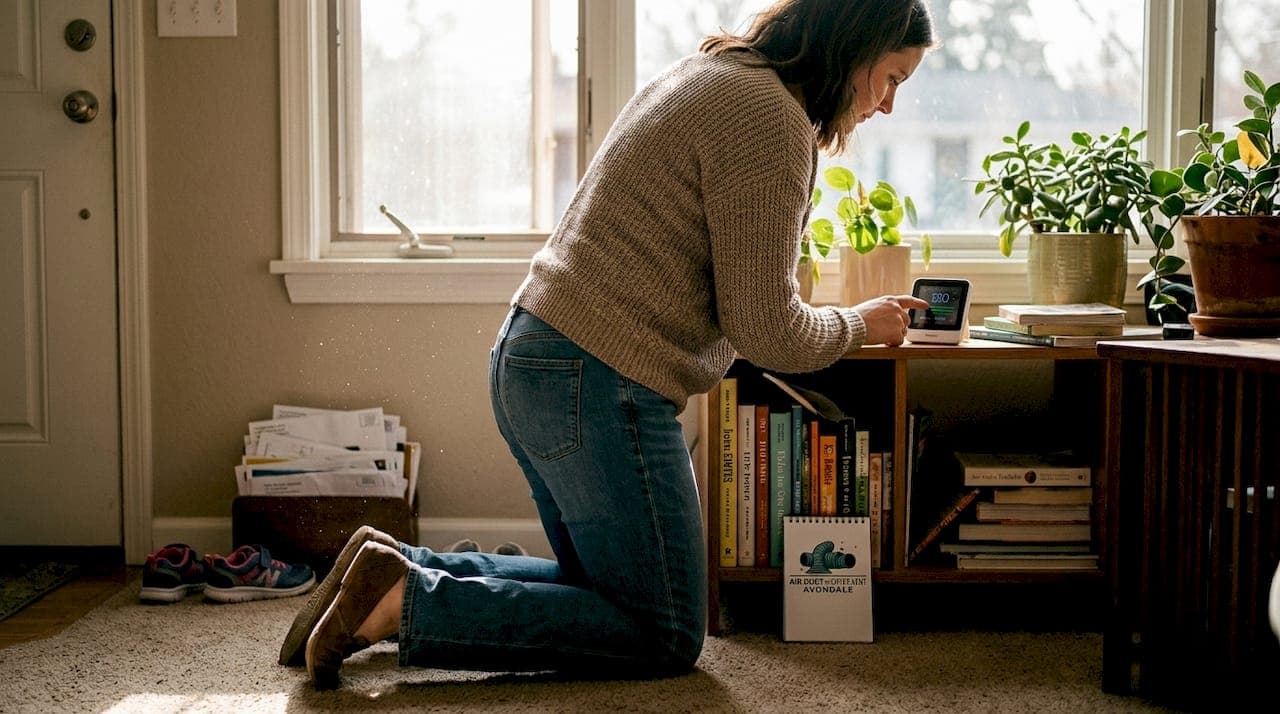
The air inside your Avondale home or business is likely more polluted than the air outside, and most people have no idea. Indoor pollutants run 2-5x higher than outdoor levels, and Americans spend roughly 90% of their time indoors. In a desert climate like Avondale, dust storms push fine particles through every gap in your building envelope, AC systems can breed mold, and radon seeps up from the soil without any warning signs. The good news is that testing your indoor air quality is more accessible than ever, and this guide walks you through exactly what to measure, what tools to use, and when to call in a professional.
Table of Contents
- Understanding what affects indoor air quality
- Essential tools and kits for DIY air quality testing
- Step-by-step guide to testing indoor air quality
- When and why to hire a professional for air quality testing
- The hidden pitfalls of air quality monitoring most guides miss
- Next steps: reliable air quality services in Avondale
- Frequently asked questions
Key Takeaways
| Point | Details |
|---|---|
| Know your pollutants | Identify and monitor key indoor air contaminants like PM2.5, VOCs, radon, and CO. |
| Choose the right tools | Use consumer-grade monitors, radon kits, and CO detectors for practical indoor air testing. |
| Follow benchmarks | Compare readings to EPA and ASHRAE benchmarks for PM2.5, CO2, and radon levels. |
| DIY vs pro testing | DIY kits handle trends; professionals provide lab-validated results for critical situations. |
| Act quickly after events | Always retest air quality after dust storms, renovations, or noticeable health symptoms. |
Understanding what affects indoor air quality
Not all indoor air problems look the same, and knowing which pollutants matter most helps you focus your testing where it counts. The main culprits fall into a few clear categories, each with its own health risks and measurement benchmarks.
The pollutants you need to watch in Avondale homes and businesses include:
- PM2.5 and PM10 (fine and coarse particulate matter): Tiny particles that enter your lungs, especially dangerous after a haboob rolls through.
- VOCs (volatile organic compounds): Gases released by paint, cleaning products, furniture, and building materials.
- CO2 (carbon dioxide): A ventilation indicator. High levels mean stale, recirculated air.
- Radon: A naturally occurring radioactive gas that seeps from soil, particularly relevant in parts of Arizona.
- Mold spores: Uncommon in dry Avondale air, but AC drain pans and flooded areas create real risk.
- CO (carbon monoxide): An odorless, colorless gas from combustion appliances that can be deadly.
The EPA sets clear benchmarks for safe indoor air, and ASHRAE provides ventilation guidance to keep CO2 and particle levels in check. Here's a quick reference:
| Pollutant | Safe benchmark | Action threshold |
|---|---|---|
| PM2.5 | <12 µg/m³ (annual avg) | >35 µg/m³ (24-hr avg) |
| CO2 | <1000 ppm above outdoor | >1000 ppm differential |
| Radon | <2 pCi/L ideal | >4 pCi/L: mitigate |
| Humidity | 30-50% | <30% or >50%: act |
| CO | 0 ppm | >9 ppm: investigate |
ASHRAE ventilation standards also recommend keeping CO2 differentials below 1000 ppm to ensure adequate fresh air exchange in occupied spaces.
"No single pollutant tells the whole story. A multi-pollutant approach gives you the clearest picture of what's actually happening in your space."
Avondale's desert environment creates specific challenges. Dust storms deposit PM10 and PM2.5 indoors rapidly, while low outdoor humidity can mask AC drain pan moisture problems that quietly grow mold. Checking air quality basics before you buy any equipment helps you prioritize. Choosing the right HVAC filter options is one of the simplest ways to reduce particle loads, and understanding the benefits of air filter replacement shows why regular swaps matter more here than in most climates. With these dangers in mind, let's see what you'll need to measure.
Essential tools and kits for DIY air quality testing
Now that you know what matters, here's what you'll need to get started with testing. The market for consumer air quality monitors has improved dramatically, and you don't need a lab budget to get useful data.
Here's a comparison of the most practical options for Avondale homeowners and small businesses:
| Device / Kit | Pollutants covered | Approx. cost | Ease of use |
|---|---|---|---|
| Aranet4 | CO2, temp, humidity | $200-$250 | Very easy |
| Temtop M2000C | PM2.5, PM10, CO2, VOCs | $120-$160 | Easy |
| Airthings Wave Plus | Radon, CO2, VOCs, humidity | $200-$230 | Easy |
| Short-term radon kit | Radon | Free to $30 | Very easy |
| Mold surface test kit | Mold species | $30-$50 | Moderate |
| CO detector (plug-in) | Carbon monoxide | $20-$40 | Very easy |
Primary testing methods include monitors, radon kits, mold kits, CO detectors, and professional lab services. Each fills a different gap, which is why layering them makes sense. A CO detector alone is not enough, but it's also non-negotiable for any home with gas appliances.
For radon specifically, Arizona residents can often get free short-term kits through local health programs. Place the kit in the lowest livable level of your home, leave it for the recommended period (usually 2 to 7 days), and mail it to the certified lab included in the package. DIY monitors track trends reliably and flag when conditions change, making them genuinely useful for ongoing awareness.
Key items to have on hand:
- A multi-pollutant monitor covering at least PM2.5, CO2, and VOCs
- A dedicated radon test kit (used seasonally)
- A plug-in CO detector in every sleeping area and near fuel-burning appliances
- A mold surface kit for areas near your AC drain pan or any water-damaged spots
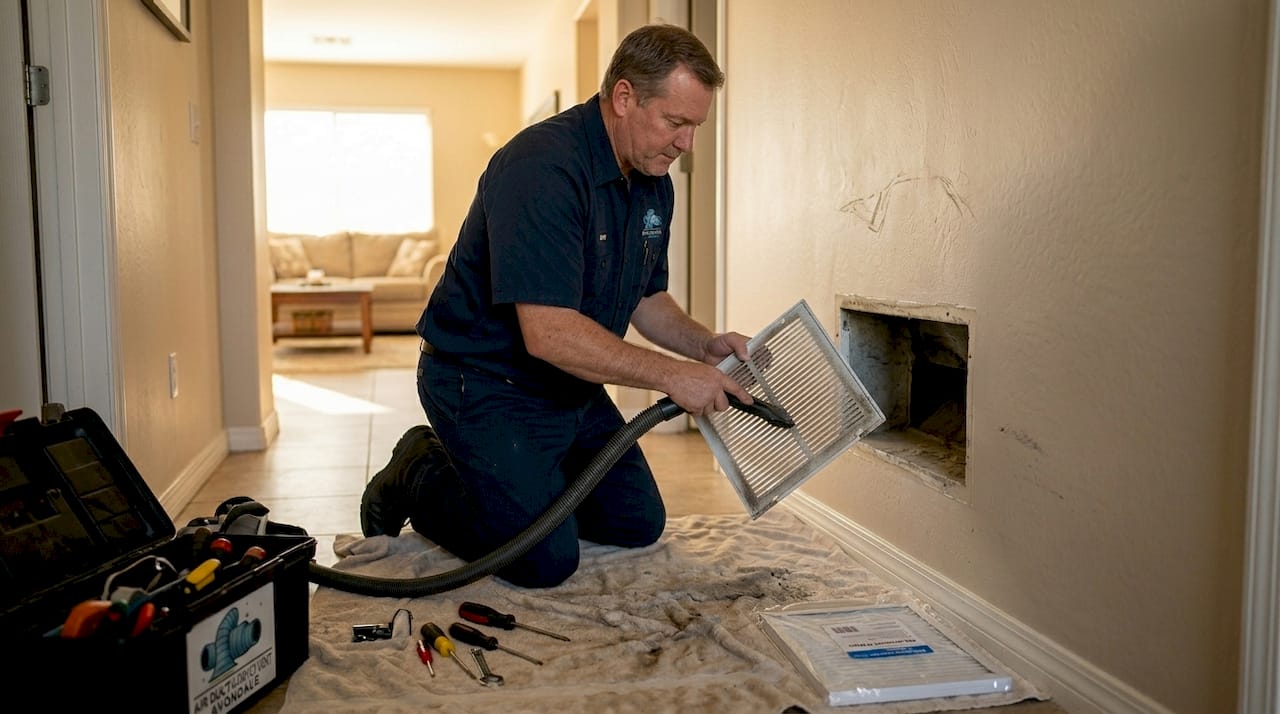
Understanding HVAC cleaning benefits puts your monitor readings in context. If your PM2.5 numbers stay elevated even on calm days, dirty ducts are often the reason. Scheduling HVAC cleaning at the right intervals keeps those baseline numbers lower.
Pro Tip: Calibrate your monitor against a known reference at least once a year. For radon kits, winter testing captures worst-case exposure because homes are sealed tighter and radon accumulates more.
Step-by-step guide to testing indoor air quality
With the right tools ready, let's walk through the exact process step-by-step.
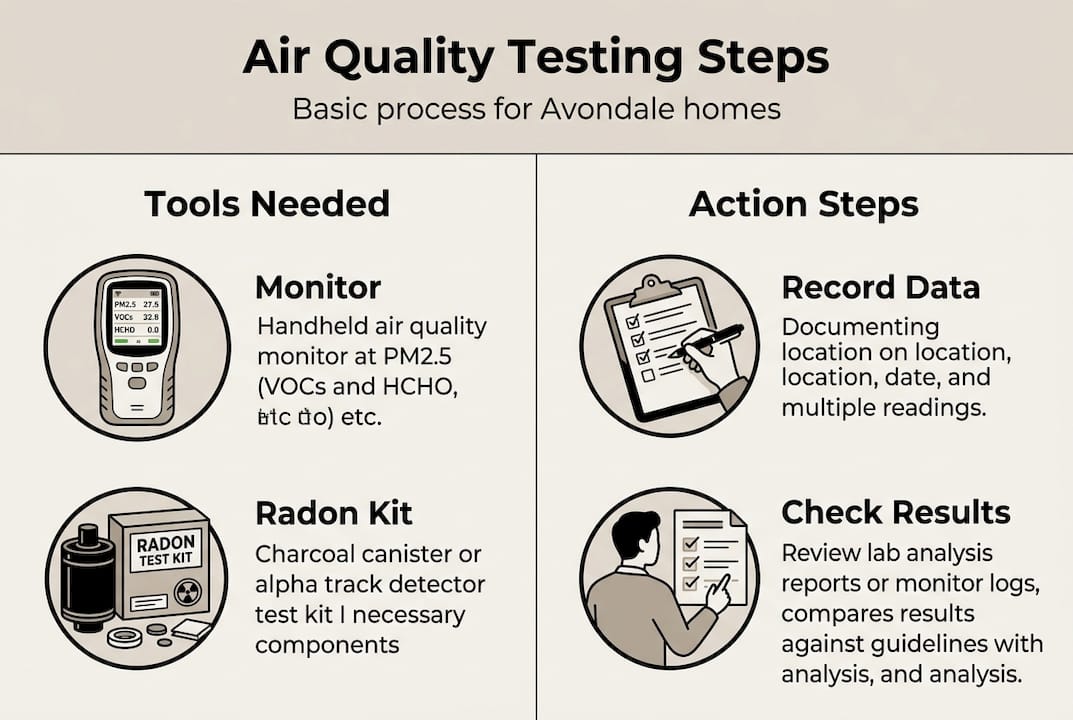
- Choose your test locations. Place monitors in high-use rooms: living areas, bedrooms, and any workspace where people spend several hours a day. Keep monitors away from windows, exterior doors, and vents to avoid skewed readings.
- Set up your multi-pollutant monitor. Power it on and let it stabilize for at least 30 minutes before recording data. Most monitors display real-time readings and log averages over time.
- Deploy your radon kit. Place it in the lowest livable level, close windows and doors as much as practical, and leave it undisturbed for the full test period. Follow the lab instructions exactly.
- Record your baseline readings. Note PM2.5, CO2, VOC index, humidity, and CO levels at the same time each day for at least three days. This gives you a trend, not just a snapshot.
- Interpret what you see. EPA guidance recommends ventilating immediately if CO2 climbs more than 1000 ppm above outdoor levels. PM2.5 above 35 µg/m³ over 24 hours signals a particle problem worth investigating.
- Retest after events. After a dust storm, construction work, or any flooding, run your monitor for another 48 to 72 hours and compare to your baseline.
- Send your radon kit to the lab. Radon kits require lab analysis for accurate results. A home monitor gives estimates, but certified lab results are what you need if you're considering mitigation.
Indoor air is 2-5x more polluted than outdoor air on average. That number gets worse in tightly sealed homes during Avondale's hottest months when windows stay shut and AC runs constantly.
For deeper guidance on interpreting your results, air quality testing advice specific to Avondale conditions is worth reviewing before you start.
Pro Tip: Save every reading in a simple spreadsheet. Patterns over weeks reveal far more than any single data point, and that history is invaluable if you ever need professional remediation.
When and why to hire a professional for air quality testing
There are situations when DIY testing may not be enough. Here's when professional expertise matters most.
Hire a professional if any of these apply to your situation:
- Unexplained health symptoms: Persistent headaches, fatigue, respiratory issues, or eye irritation that improve when you leave the building.
- Pre or post-remediation verification: Before and after mold or asbestos remediation, you need certified results, not consumer monitor estimates.
- Business compliance: Commercial properties in Arizona may need documented air quality reports for liability or regulatory reasons.
- New construction or major renovation: Off-gassing from new materials spikes VOC levels for months. Lab testing quantifies the actual risk.
- Post-wildfire or severe dust event: Smoke particles and heavy metal contamination require lab analysis to identify correctly.
Professionals use lab-validated sampling for VOCs using gas chromatography-mass spectrometry (GC-MS), precise mold spore counts, and certified radon measurements. These methods deliver results you can act on legally and medically. Consumer monitors track trends but cannot match lab accuracy for sensitive or high-stakes situations.
Here's a quick comparison to help you decide:
| Factor | DIY testing | Professional testing |
|---|---|---|
| Cost | $20-$250 | $200-$1,000+ |
| Accuracy | Trend-level | Lab-certified |
| Best for | Ongoing monitoring | Symptoms, compliance, remediation |
| Results turnaround | Instant to 2 weeks | 3-10 business days |
| Certification | None | Yes, where required |
"Professional testing is not a luxury for extreme situations. It's the only way to get results you can legally and medically rely on."
When you're ready to move forward, Avondale air quality testing services connect you with local professionals who understand the specific conditions of the Sonoran Desert environment. Always verify credentials and ask for sample reports before booking. For additional professional testing tips, reviewing what a proper site assessment includes helps you ask the right questions.
The hidden pitfalls of air quality monitoring most guides miss
Most guides stop at telling you what to buy and where to place it. Here's what they leave out, and what we've seen matter most for Avondale properties.
Consumer monitors are awareness tools, not diagnostic instruments. A CO2 monitor tells you about ventilation, but CO2 alone is only a ventilation proxy, not a full picture of air quality. Plenty of homeowners buy a monitor, see acceptable numbers, and assume everything is fine while VOCs from new flooring or a slow AC drain issue go undetected.
The bigger mistake is treating monitoring as the solution instead of the starting point. Ventilation, source control, and filtration always deliver more impact than any reading on a screen. Fix the source first. Monitor to confirm the fix worked.
In Avondale specifically, the AC drain pan is the most commonly overlooked indoor air problem we see. Low outdoor humidity fools people into thinking mold is impossible here. It isn't. A slow drain or a clogged condensate line creates a persistent moisture source that feeds mold growth inside your air handler, and that mold gets distributed through every vent in your home.
"No single test can guarantee safe air. Layer your strategies: source control, filtration, ventilation, and monitoring work together."
For a professional HVAC cleaning perspective on why cleaning matters as much as monitoring, that resource breaks down what gets missed when people focus only on readings.
Next steps: reliable air quality services in Avondale
Ready to take action? Here's how Avondale services make it easy.
Testing tells you what's in your air. Cleaning and maintenance are what actually fix it. At Air Duct and Dryer Vent Cleaning Avondale, we make it straightforward to go from data to results.
Book a schedule air quality test to get a certified baseline for your home or business. If your ducts are circulating dust, allergens, or mold spores, our commercial air duct cleaning and residential air vent cleaning services address the source directly. We offer flexible scheduling, including after-hours appointments, and back our work with a service warranty. Annual testing combined with regular cleaning keeps your benchmarks in check and your family or employees breathing easier year-round.
Frequently asked questions
What are the most important pollutants to test for in Avondale homes?
PM2.5, CO2, VOCs, radon, and CO are the top priorities for Avondale homes; add humidity checks and occasional mold tests near your AC unit for a complete picture.
Can DIY air quality kits give reliable results or should I hire a professional?
DIY monitors track trends and flag risk factors effectively, but hire a professional if you have health symptoms, need certified results, or are dealing with post-remediation verification.
How often should I test indoor air quality?
Test seasonally and always after major events like dust storms, wildfires, or renovations; repeat radon checks at least once a year for the most accurate exposure picture.
What benchmarks should I use to interpret my air quality readings?
Target PM2.5 under 35 µg/m³, CO2 no more than 1000 ppm above outdoor levels, radon under 4 pCi/L, and indoor humidity between 30 and 50 percent.
Are there free or low-cost radon kits in Arizona?
Yes, most Arizona homeowners can request free radon kits through local county health departments or the Arizona state radon program at little to no cost.