
TL;DR:
- Following the correct HVAC filter change sequence protects blower parts and maintains indoor air quality. Regularly replacing filters every 30 to 90 days, based on household conditions, prevents costly damage and improves system efficiency. Proper preparation, including shutting off the system and verifying filter size, ensures a safe, effective maintenance routine.
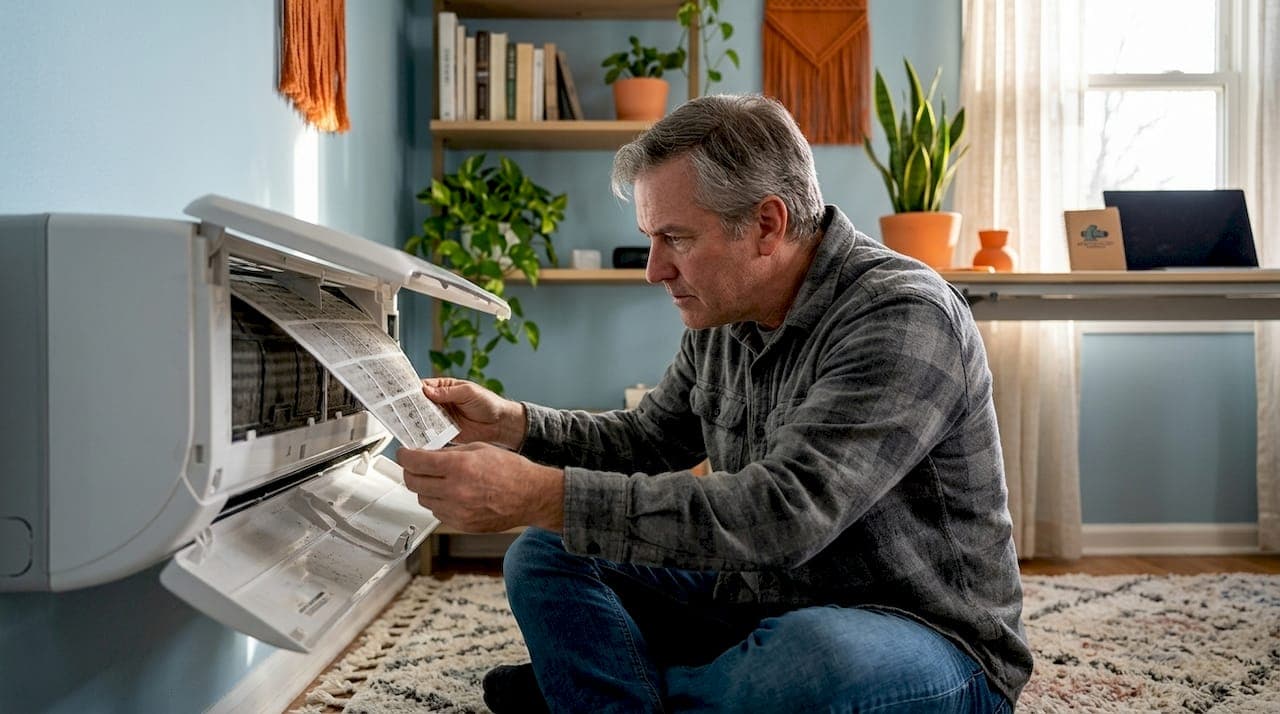
The HVAC filter change sequence is defined as the ordered set of steps required to safely remove a dirty filter and install a clean one without damaging your system or releasing dust into your home. Industry standards set replacement intervals at 30 to 90 days depending on household conditions. Following the correct sequence protects your blower motor, maintains indoor air quality, and keeps energy bills from climbing. Skipping even one step, like checking airflow arrow direction, can collapse a filter into your blower and cost hundreds in repairs.
What is the correct HVAC filter change sequence?
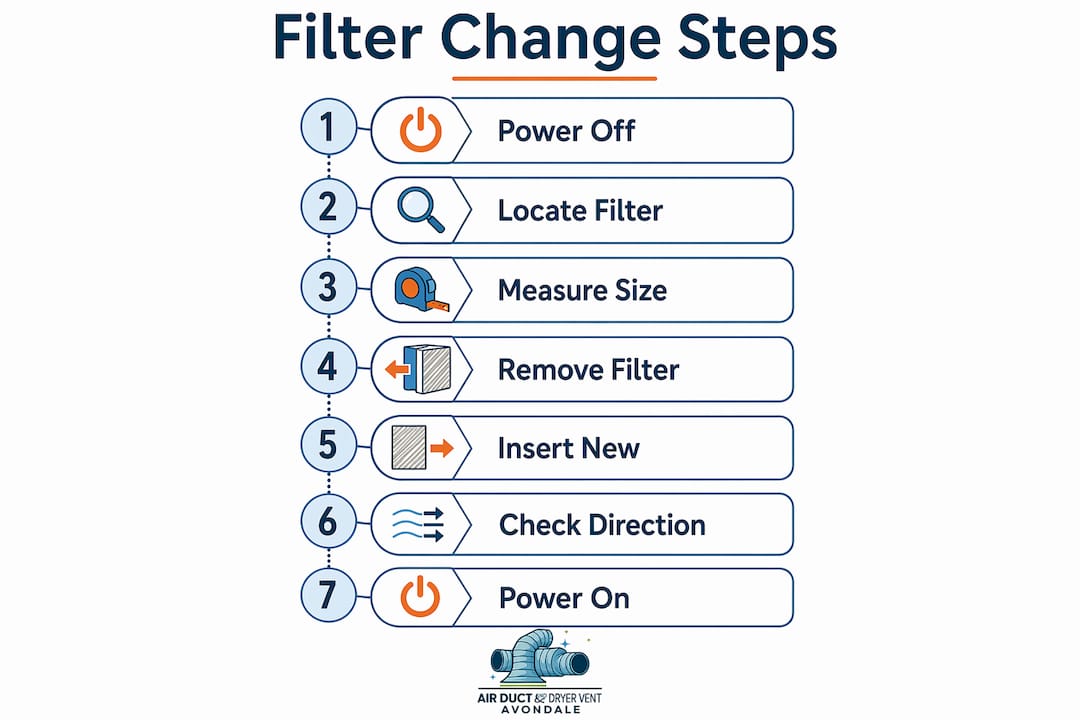
The industry-standard sequence for changing an HVAC filter runs seven steps: power off at the thermostat, locate the filter slot, note the airflow arrow on the old filter, remove the old filter, install the new filter with the arrow pointing toward the blower, confirm a snug fit, then restore power and log the date. Each step exists for a reason. Skipping step three, for example, means you may install the new filter backward, which risks sucking it into the blower motor. The full sequence takes under 5 minutes and costs under $20 for a standard filter.
Preparing for your filter change: tools and safety checks
Getting the right materials together before you touch the filter slot saves time and prevents mess. You need three things at minimum: a replacement filter in the correct size, a trash bag, and a marker to write the installation date on the new filter frame.
What to gather before you start
- Replacement filter: Check the printed dimensions on your current filter frame before buying. Custom filter racks differ from standard store sizes, and an ill-fitting filter is as bad as no filter at all.
- Trash bag: Open it and set it next to the filter slot before removal. You will slide the dirty filter directly into the bag.
- Marker: Write the installation date on the new filter's cardboard frame the moment you open the package.
- Flashlight: Useful for checking the filter slot for debris or gaps after installation.
Safety first: power down your system
Turn the HVAC system off at the thermostat before touching anything. Do not just switch it to "fan only." A running blower can pull a loose filter out of your hands and into the ductwork. Powering down fully takes two seconds and prevents a costly mistake.

Pro Tip: Walk your home and locate every filter slot before you buy replacement filters. Some homes have return vents in multiple rooms plus a filter at the air handler. Buying one filter when you need three wastes a trip to the hardware store.
Verify filter size before removal
The size is printed on the cardboard frame of your current filter. Read it before pulling the filter out. Always confirm exact dimensions from the old filter frame rather than relying on memory or a previous purchase receipt, since HVAC racks are not always standard.
Step-by-step guide to changing your HVAC filter
Follow these seven steps in order. Do not skip ahead.
-
Turn off the HVAC system at the thermostat. Set it to "off," not just "fan." This stops the blower from pulling air and creating suction at the filter slot.
-
Locate the filter slot. Common locations include the return air vent on the wall or ceiling, the furnace cabinet, or the air handler closet. If you are unsure, follow the large ductwork back to the unit.
-
Note the airflow arrow on the old filter. The arrow shows which direction air flows through the filter. Arrow direction indicates structural support as well as airflow. A reversed filter can collapse and get sucked into the blower motor, causing expensive damage.
-
Open your trash bag and slide the old filter directly into it. Sliding the dirty filter into a bag prevents dust and allergens from dispersing into your home. Seal the bag immediately and set it aside.
-
Unwrap the new filter and write today's date on the frame. Check the arrow printed on the new filter's edge. It must point in the same direction as the old one did, toward the blower or furnace.
-
Slide the new filter into the slot and confirm a snug, gap-free fit. A gap-free filter fit prevents unfiltered air from bypassing the filter and reaching your blower components. If the filter shifts or wobbles, it is the wrong size.
-
Restore power at the thermostat and log the installation date. Set a phone reminder for your next change based on your household type. A busy home with pets needs a new filter in 30 days. A single-occupant home can go up to 90 days.
Pro Tip: Take a photo of the installed filter with your phone. The date stamp on the photo gives you an automatic record without needing a separate log.
Common mistakes that damage your system
- Reversed installation: The filter arrow must point toward the blower, not away from it. A backward filter loses structural support and can collapse.
- Wrong size: A filter that is too small leaves gaps. Unfiltered air bypasses the media and coats your blower wheel with dust.
- Forcing a filter in: If it does not slide in smoothly, it is the wrong size. Forcing it bends the frame and creates gaps.
- Skipping the power-off step: Running the blower during a filter change creates suction that can pull the filter out of your hands.
Best practices for ongoing HVAC filter maintenance
Replacement intervals are a starting point, not a guarantee. Actual dust accumulation varies with household activity, pet dander, nearby construction, and local air quality. A schedule alone is not enough.
How often should you change your HVAC filter?
- Every 30 days: Homes with pets, allergy sufferers, or high foot traffic.
- Every 60 days: Average households with two or more occupants and no pets.
- Every 90 days: Single-occupant homes with no pets and minimal dust sources.
Use the monthly light test to check between scheduled changes. Hold the filter up to a light source. If little light passes through, replace it immediately regardless of how recently you installed it.
Choosing the right MERV rating
MERV stands for Minimum Efficiency Reporting Value. Higher MERV ratings capture finer particles, but MERV 13 or higher can restrict airflow and stress the blower motor if your system was not designed for dense media. Most residential systems perform well with MERV 8 to 11. Check your HVAC manufacturer's documentation for the maximum recommended rating before upgrading. For guidance on filter MERV selection, matching the filter to your system's design is the single most important factor.
Pro Tip: If your energy bill spikes after installing a higher-MERV filter, the filter is likely restricting airflow. Drop down one MERV level and recheck your bill the following month.
Warning signs of a filter problem
- Reduced airflow from supply vents
- Visible dust buildup on vent covers within days of a filter change
- Unusual odors when the system runs
- System short-cycling (turning on and off rapidly)
Any of these signs points to either a clogged filter, a bypass gap, or a reversed installation. Check the filter first. If the problem persists after a correct reinstall, schedule a professional inspection.
How to handle multiple filter locations and system types
Most homes have filter slots in the return air duct, the air handler cabinet, or the furnace compartment. Some homes have all three. Missing one location means part of your air supply runs unfiltered.
Checking all filter positions
- Return air vents: Usually on walls or ceilings in hallways or main living areas. Larger homes often have two or more.
- Air handler cabinet: Located in a closet, attic, or utility room. The filter typically slides into a slot on the intake side.
- Furnace compartment: In homes with gas or electric furnaces, the filter sits at the blower compartment door.
Change all filters at the same time. Leaving one dirty filter while replacing others forces the clean filters to compensate, which shortens their effective life and stresses the blower.
Standard versus thicker media filters
Standard 1-inch filters fit most return vent grilles and furnace slots. Thicker media filters, typically 4 to 5 inches deep, fit dedicated filter cabinets and last longer between changes. Do not substitute a 1-inch filter in a slot designed for a 4-inch filter. The gap left by a thinner filter allows unfiltered air to pass around the media entirely. For homes with dual heating and cooling systems, each system has its own filter location and its own replacement schedule.
Key Takeaways
The correct HVAC filter change sequence, followed in full every time, is the single most effective action a homeowner can take to protect system components and maintain clean indoor air.
| Point | Details |
|---|---|
| Follow all seven steps in order | Skipping steps like noting arrow direction risks filter collapse and blower damage. |
| Match filter size exactly | Check printed dimensions on the old filter frame before every purchase. |
| Replace on a schedule tied to your household | Pets and allergies require every 30 days; single occupants can go up to 90 days. |
| Use the light test monthly | If little light passes through the filter, replace it immediately. |
| Change all filter locations at once | Leaving one dirty filter forces others to overwork and shortens their life. |
What I have learned from years of watching homeowners get this wrong
Shaun here. The filter change process looks simple on paper, and it is, but the mistakes I see most often are not about effort. They are about sequence.
The most common error is skipping the power-off step. Homeowners pull a dirty filter out with the blower running and watch it get yanked sideways. The second most common error is buying the wrong size because they trusted memory instead of reading the old filter frame. I have seen a 16x20 filter crammed into a 16x25 slot with the gap taped over with duct tape. That is not maintenance. That is a future repair bill.
What actually works is treating the filter change like a short checklist, not a casual task. Write the date on the frame. Take a photo. Set a reminder. The air filter replacement benefits go well beyond clean air. A properly maintained filter keeps your blower motor from working harder than it needs to, which directly extends system life.
My honest opinion: most homeowners underestimate how much a single dirty or misinstalled filter costs them over a year in energy waste and wear. The fix takes five minutes. The neglect costs far more.
— Shaun
Professional HVAC care for Avondale homes and businesses
Filter changes handle the first line of defense, but the ductwork behind your vents collects years of dust, allergens, and debris that no filter swap can address.
Airanddryerventcleaningavondale provides residential and commercial air vent cleaning and full air duct cleaning for homes and businesses throughout Avondale, Arizona. The team also offers indoor air quality testing to identify allergens and pollutants that routine filter changes do not catch. If your system has not had a professional cleaning in the past few years, or if you have recently completed a renovation, scheduling a duct inspection is the logical next step after getting your filter routine right. Flexible scheduling, including after-hours appointments, makes it easy to fit service around your calendar.
FAQ
How often should I change my HVAC filter?
Change your filter every 30 days if you have pets or allergy sufferers in the home, every 60 days for average households, and every 90 days for single-occupant homes with no pets.
What happens if I install the HVAC filter backward?
A backward filter can collapse and get pulled into the blower motor, causing expensive damage. Always install with the arrow pointing toward the blower or furnace.
How do I know what size filter to buy?
Read the dimensions printed on the cardboard frame of your current filter before purchasing a replacement. Never rely on memory, since many HVAC racks use non-standard sizes.
Can a high-MERV filter hurt my HVAC system?
Yes. Filters rated MERV 13 or higher can restrict airflow and shorten blower motor life if your system was not designed for dense media. Check your manufacturer's specifications before upgrading.
Do I need to change filters in multiple locations?
Many homes have filter slots in return vents, the air handler, and the furnace cabinet. Change all of them at the same time to prevent unfiltered air from bypassing clean filters.