
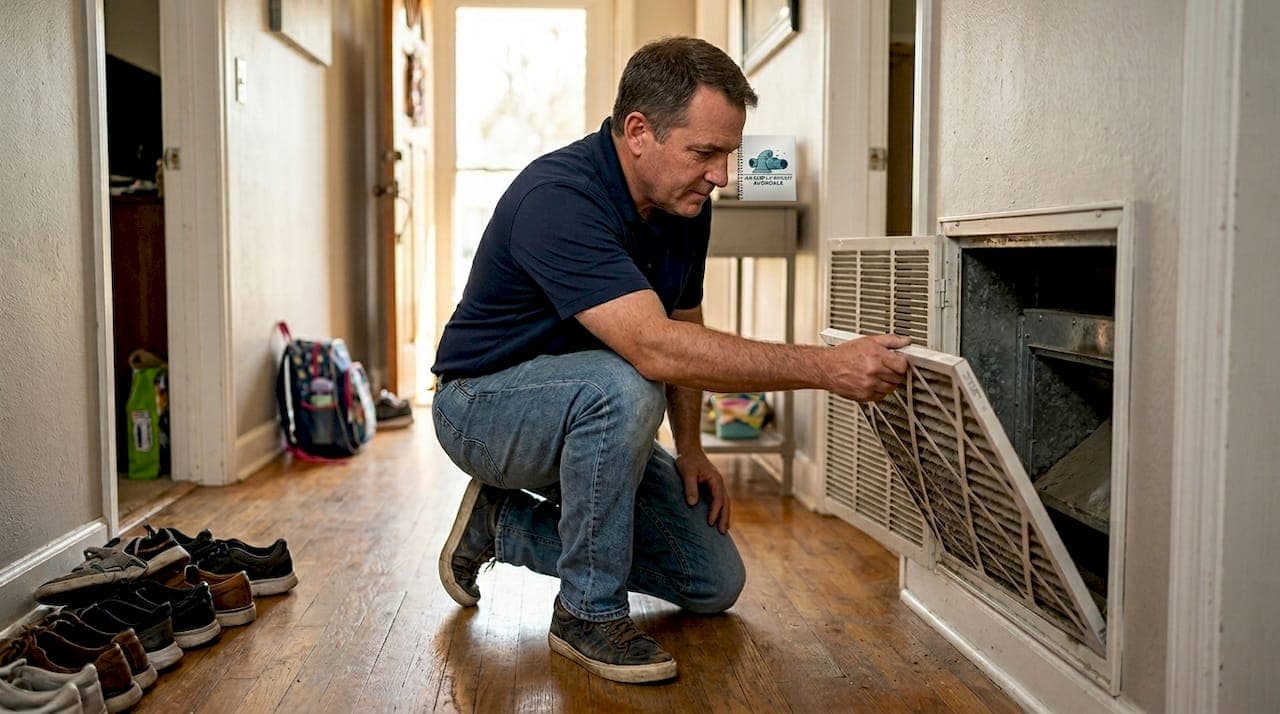
Choosing the right HVAC filter can feel overwhelming when you're standing in the store aisle surrounded by options. The filter you select directly impacts your indoor air quality, energy bills, and how hard your HVAC system works. Many homeowners and small business owners in Avondale struggle to understand which filter type matches their specific needs. This article breaks down real filter examples, explains selection criteria, and shows you how to compare options so you can make an informed decision that protects your air quality and your investment.
Table of Contents
- Key Takeaways
- Understanding HVAC filter selection criteria
- Examples of common HVAC filters and their features
- Comparing HVAC filter options: efficiency, cost, and maintenance
- Choosing the right HVAC filter for your Avondale home or business
- Protect your indoor air with expert HVAC services in Avondale
- FAQ
Key Takeaways
| Point | Details |
|---|---|
| MERV rating importance | MERV ratings indicate how well a filter captures particles from large debris to fine particles and should guide your choice. |
| Filter types overview | Fiberglass, pleated, and electrostatic filters each offer different performance, cost, and maintenance considerations. |
| Sizing matters | Installing the wrong size creates gaps that bypass the filter. |
| Indoor air needs | Your indoor air concerns and budget should guide your filter choice and replacement frequency. |
| System compatibility | Check your HVAC manual or system age to ensure the chosen filter will not overburden the system. |
Understanding HVAC filter selection criteria
Before you can choose the right filter, you need to understand what separates one option from another. The most important measurement is the MERV rating, which stands for Minimum Efficiency Reporting Value. MERV ratings range from 1 to 20 indicating filter particle capture levels, with higher numbers trapping smaller particles. A MERV 1 filter catches large debris like dust and pollen, while MERV 13 and above can capture bacteria and smoke particles.
Filter material determines both performance and lifespan. Fiberglass filters use spun glass fibers in a cardboard frame, making them disposable and inexpensive. Pleated filters feature folded synthetic material that creates more surface area for trapping particles. Electrostatic filters generate a static charge that attracts particles like a magnet, and many are washable and reusable.
Size matters more than most people realize. Installing the wrong size creates gaps that let unfiltered air bypass the filter completely, defeating the purpose. Measure your current filter or check your HVAC manual for the exact dimensions. Airflow resistance increases with higher MERV ratings, which can strain older systems not designed for dense filters.
When selecting a filter, consider these essential factors:
- Your indoor air quality concerns such as allergies, asthma, pet dander, or smoke
- Your HVAC system's age and specifications for maximum filter density
- How often you're willing to check and replace filters
- Your budget for both initial purchase and ongoing replacements
- Local environmental factors like Avondale's dust and seasonal pollen
Pro Tip: Check your HVAC system manual before upgrading to a high MERV filter. Systems designed for basic filters may struggle with the airflow restriction of premium options, leading to higher energy bills and potential equipment damage.
Understanding air filter benefits helps you prioritize which features matter most for your situation. A family with severe allergies needs different filtration than a small office with minimal occupancy.
Examples of common HVAC filters and their features
Let's examine the specific filter types you'll encounter and what makes each one unique. Understanding real examples helps you recognize what you're looking at in stores or online.
Fiberglass filters represent the most basic option. Fiberglass filters are the most economical but least efficient, typically rated MERV 1 to 4. These disposable filters cost between $1 and $5 and last about 30 days. They catch large particles like lint and dust but allow smaller allergens to pass through. Many builders install these as default options because they're cheap, not because they're effective.
Pleated filters offer a significant upgrade in performance. The accordion style design creates more surface area within the same frame size, capturing particles down to 3 microns. These filters typically rate between MERV 5 and 13, with prices ranging from $10 to $30. You'll find pleated filters made from polyester, cotton, or synthetic blends. They last 60 to 90 days depending on your air quality and usage patterns.
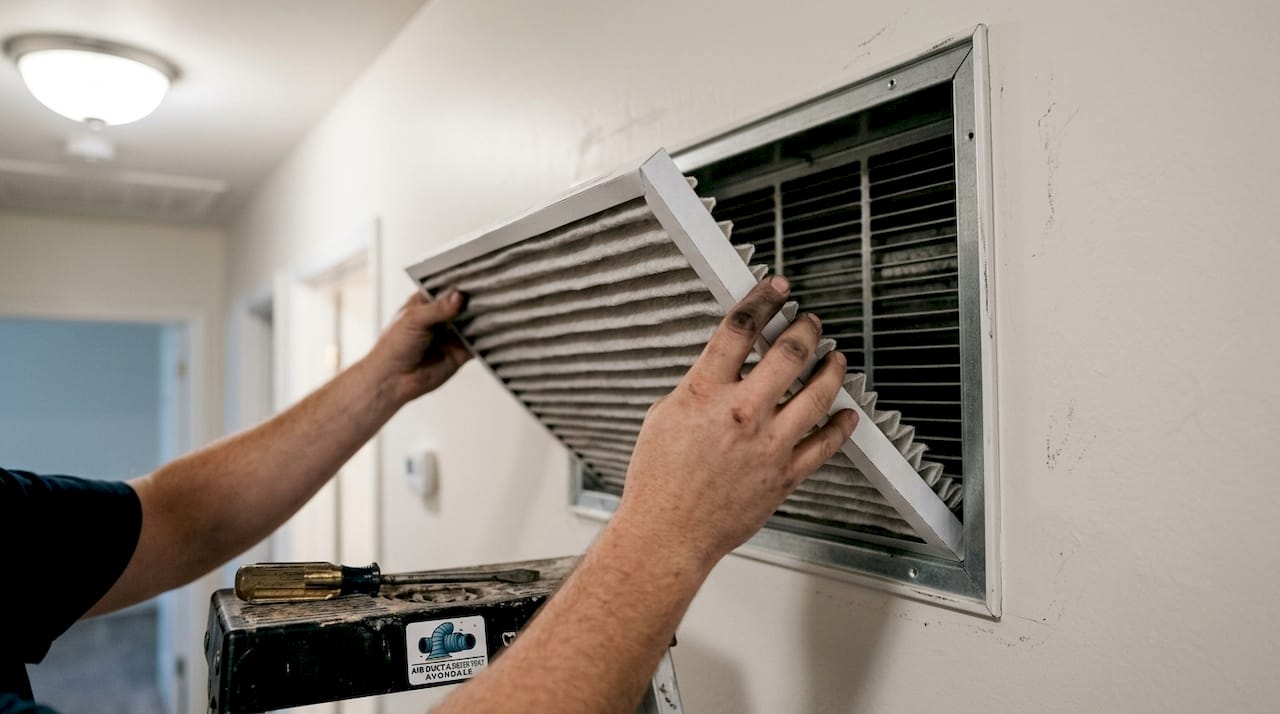
Electrostatic filters use self charging fibers that attract particles through static electricity. Available in both disposable and washable versions, these filters rate between MERV 8 and 10. Washable electrostatic filters cost $50 to $100 upfront but last for years with proper cleaning every month. The reusable nature appeals to environmentally conscious homeowners, though you must commit to regular maintenance.
HEPA filters provide the highest level of filtration available for residential use. True HEPA filters capture 99.97% of particles as small as 0.3 microns, including bacteria, mold spores, and fine dust. These filters typically require specialized HVAC systems or standalone air purifiers because standard systems can't handle the airflow restriction. Expect to pay $50 to $200 for HEPA filters designed for whole home systems.
Carbon filters add an extra layer of protection by removing odors, chemicals, and volatile organic compounds. These filters combine activated carbon with standard pleated material. They're particularly useful in homes with smokers, pets, or near industrial areas. Carbon filters need replacement every 3 to 6 months as the carbon becomes saturated and loses effectiveness.
Here's a quick reference for filter applications:
- Basic dust control: Fiberglass filters work for minimal needs
- General residential use: Pleated filters rated MERV 8 to 11
- Allergy and asthma relief: Pleated filters rated MERV 11 to 13
- Pet owners: Electrostatic or pleated MERV 10+
- Chemical sensitivity: Carbon activated filters
Professional air filter replacement services can help you identify which filter type matches your system specifications and air quality goals.
Comparing HVAC filter options: efficiency, cost, and maintenance
Seeing filters compared side by side reveals the tradeoffs between different options. This comparison helps you balance your budget against your air quality needs.
| Filter Type | MERV Rating | Cost Range | Replacement Frequency | Airflow Impact | Best For |
|---|---|---|---|---|---|
| Fiberglass | 1-4 | $1-5 | 30 days | Minimal | Basic dust control only |
| Pleated Standard | 5-8 | $10-15 | 60-90 days | Low | General residential use |
| Pleated Premium | 9-12 | $15-30 | 60-90 days | Moderate | Allergy sufferers, pet owners |
| Electrostatic Disposable | 8-10 | $15-25 | 60-90 days | Moderate | Balanced performance |
| Electrostatic Washable | 8-10 | $50-100 | Clean monthly, lasts years | Moderate | Eco conscious users |
| HEPA | 13-16 | $50-200 | 6-12 months | High | Medical needs, severe allergies |
Higher MERV rated filters can improve indoor air quality but may impact HVAC airflow if not compatible with your system. The denser material that traps smaller particles also creates more resistance to air movement. Your HVAC system must work harder to pull air through a MERV 13 filter compared to a MERV 6, which increases energy consumption and wear on the blower motor.
Upgrading to higher efficiency filters brings clear benefits for people with respiratory conditions, allergies, or compromised immune systems. The improved particle capture reduces triggers and creates genuinely cleaner air. However, you must verify your system can handle the increased resistance. Many systems built before 2010 were designed for basic filters and struggle with modern high efficiency options.
Pro Tip: If you want better filtration but worry about airflow restriction, consider upgrading to a larger filter housing. A 4 inch or 5 inch thick filter provides more surface area than standard 1 inch filters, delivering better filtration with less airflow resistance.
The relationship between cost and performance isn't always linear. A $25 pleated filter rated MERV 11 often performs better than a $75 electrostatic filter for allergy sufferers. Focus on the MERV rating and your specific needs rather than assuming higher price equals better results.
"The best HVAC filter is the one that matches your system's capabilities while meeting your indoor air quality goals. Overfiltration can damage your equipment, while underfiltration leaves you breathing polluted air."
Maintenance requirements vary dramatically between filter types. Disposable filters offer convenience but create ongoing costs and waste. Washable filters save money long term but require monthly cleaning commitment. Consider your lifestyle honestly before choosing a high maintenance option. Professional HVAC services in Avondale can establish a maintenance schedule that keeps your system running efficiently without overwhelming your routine.
System compatibility extends beyond just airflow. Some filters contain materials that outgas chemicals, some create noise as air passes through, and some require specific installation orientations. Reading reviews from users with similar systems helps identify potential compatibility issues before you buy. Understanding air handler cleaning helps you maintain the entire system, not just the filter.
Choosing the right HVAC filter for your Avondale home or business
Applying filter knowledge to your specific situation requires honest assessment of your priorities and constraints. Start by identifying your primary air quality concerns. Do you struggle with seasonal allergies every spring? Does pet dander trigger asthma symptoms? Are you sensitive to chemical odors or smoke? Your answers determine the minimum MERV rating you should consider.
Avondale's desert climate creates unique challenges. Dust storms and constant wind driven particles mean filters here work harder than in many other regions. You might need to replace filters more frequently than manufacturer recommendations suggest. Check your filter monthly during peak dust season rather than assuming a 90 day filter will last that long in Arizona conditions.
System compatibility checking prevents expensive mistakes. Locate your HVAC system's model number and search for the manufacturer's filter recommendations. Most manufacturers specify a maximum MERV rating their systems can handle. Exceeding this recommendation voids warranties and risks damaging the blower motor. If you can't find specifications, consult with a local HVAC professional who can assess your system's capabilities.
Budget considerations should account for total cost of ownership, not just initial purchase price. Calculate annual filter costs by multiplying the per filter price by replacement frequency:
- $5 fiberglass filter × 12 replacements = $60 per year
- $20 pleated filter × 4 replacements = $80 per year
- $80 washable filter ÷ 5 year lifespan = $16 per year
The washable filter costs more upfront but saves money over time if you maintain it properly. Regular filter replacement improves indoor air quality and prolongs HVAC equipment lifespan, making it an investment rather than an expense.
Establish a replacement schedule that fits your life. Set phone reminders, mark your calendar, or subscribe to automatic filter delivery services. Consistency matters more than perfection. A MERV 8 filter changed every 60 days outperforms a MERV 13 filter left in place for 6 months. The best filter is worthless if you don't replace it on schedule.
For small businesses, consider occupancy patterns and business activities. A retail store with constant foot traffic needs more frequent changes than a small office with five employees. Restaurants and salons generate more airborne particles than accounting firms. Match your filter choice and replacement schedule to your actual usage patterns.
Professional filter replacement benefits include expert assessment of your system's condition and recommendations tailored to your specific equipment. Technicians can spot developing problems before they become expensive repairs. Regular air vent cleaning complements filter replacement by removing buildup that filters can't address.
Protect your indoor air with expert HVAC services in Avondale
Understanding filter options empowers better decisions, but partnering with local professionals ensures optimal results. Your HVAC system works as a complete unit, and filters represent just one component of healthy indoor air. Combining the right filter choice with regular professional maintenance maximizes both air quality and system efficiency.
Scheduled professional air filter replacement takes the guesswork out of maintenance timing and ensures proper installation every time. Technicians catch potential issues during routine visits, preventing small problems from becoming system failures. Comprehensive air vent cleaning services remove accumulated dust and debris that filters alone can't eliminate, creating cleaner air throughout your space.
For business owners, commercial air duct cleaning protects employee health and creates a more professional environment for customers. Clean ducts combined with appropriate filters deliver the indoor air quality your business deserves. Expert services customized for Avondale's unique climate conditions help you breathe easier year round.
FAQ
What is the best HVAC filter for allergy sufferers?
HEPA filters or pleated filters rated MERV 11 to 13 provide the most effective particle removal for allergy relief. These filters capture pollen, mold spores, pet dander, and dust mites that trigger allergic reactions. Verify your HVAC system can handle the airflow restriction before upgrading to ensure the filter doesn't strain your equipment.
How often should I replace my HVAC filter in Avondale?
Replace standard fiberglass filters every 30 days and pleated filters every 60 to 90 days under normal conditions. Avondale's dusty desert environment often requires more frequent changes, especially during windy seasons and dust storms. Check your filter monthly and replace it when you see visible dirt buildup or reduced airflow, regardless of how long it's been installed.
Can I use a HEPA filter with my existing HVAC system?
Most residential HVAC systems aren't designed to accommodate true HEPA filters due to the significant airflow restriction they create. HEPA filtration typically requires specialized systems with more powerful blower motors and larger filter housings. Consult an HVAC professional to assess whether your system can handle HEPA filtration or if you need standalone air purifiers instead.
What MERV rating is best for a small business HVAC system?
Filters rated MERV 8 to 11 typically provide the right balance of effective filtration and system compatibility for most small businesses. This range captures common indoor pollutants without creating excessive airflow restriction. Higher MERV ratings may benefit medical offices, daycare centers, or businesses serving sensitive populations, but require professional assessment to ensure your system can handle the denser filtration.