
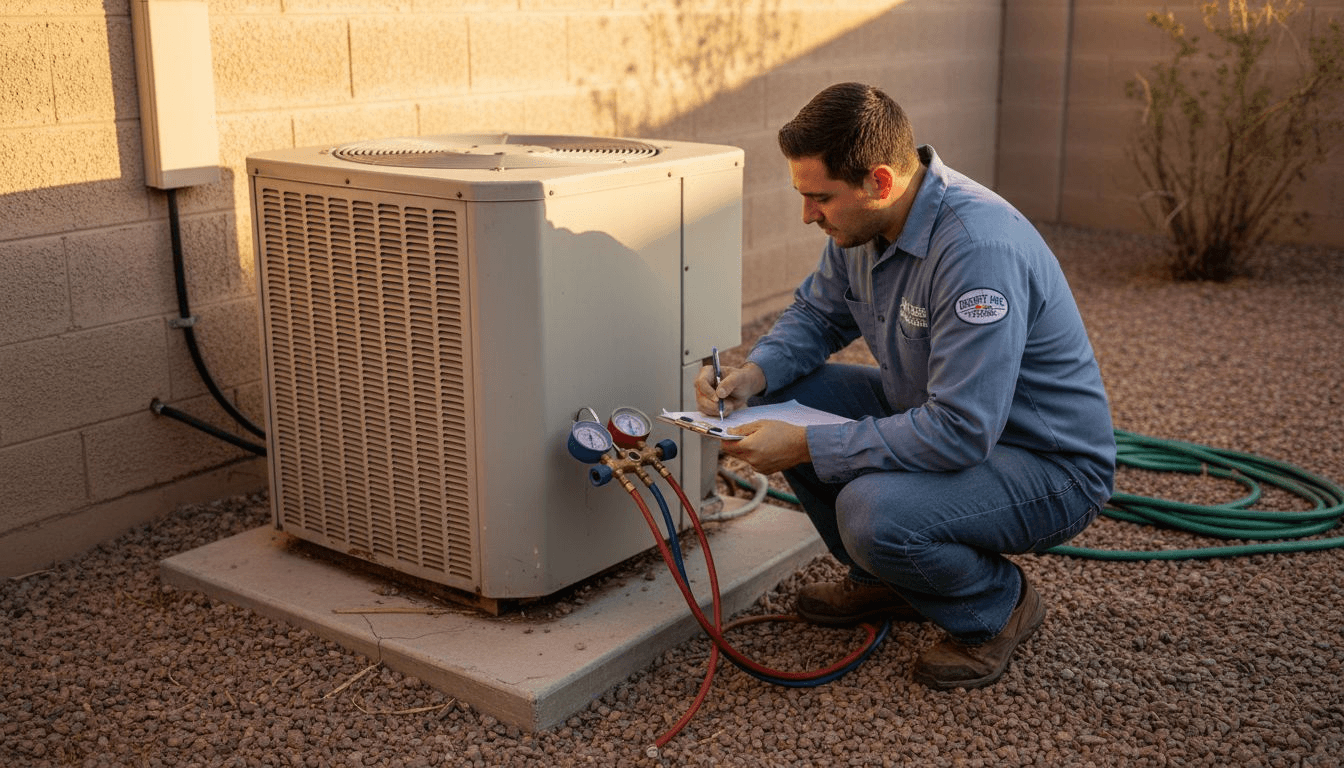
Did you know that ignoring minor HVAC issues can slash your system’s efficiency by up to 30%? Many Avondale homeowners assume their heating and cooling systems just need occasional filter changes, but the reality is far more complex. When your HVAC underperforms, you’re not just wasting energy, you’re breathing compromised air. This guide breaks down what HVAC system repair actually involves, why it matters for your wallet and health, and how to make smart decisions about maintaining your home’s comfort systems.
Table of Contents
-
Why HVAC repair matters: energy savings and indoor air quality
-
Improve your home’s indoor air quality and HVAC efficiency with local experts
Key takeaways
| Point | Details |
| Regular HVAC repair boosts energy efficiency and indoor air quality | Timely fixes prevent up to 30% efficiency loss and reduce allergens by 60%. |
| Professional diagnosis prevents costly mistakes | Structured troubleshooting cuts diagnostic time by 60% and avoids unnecessary repairs. |
| Common repairs address refrigerant leaks, airflow, and ductwork issues | These fixes restore optimal performance and lower utility bills. |
| Proactive maintenance can prevent 70% of system failures | Scheduled service catches problems early, extending system lifespan. |
| System age and repair costs determine replacement timing | Systems over 15 years old often benefit more from replacement than continued repairs. |
Understanding HVAC system repair: what it involves
HVAC system repair involves diagnosing and fixing issues in heating, ventilation, and air conditioning systems to restore optimal performance, improve indoor air quality, and enhance energy efficiency. When technicians repair your HVAC, they’re working with three interconnected components: your furnace or heat pump, your air conditioner, and the ventilation network that distributes conditioned air throughout your home.
Most repairs target specific failures within these systems. Your air conditioner might suffer from refrigerant leaks that reduce cooling capacity, forcing the compressor to work harder and spike your electric bill. Ventilation problems often stem from blocked return vents, dirty filters, or damaged ductwork that restricts airflow. Heating issues commonly involve faulty thermostats, worn blower motors, or cracked heat exchangers that compromise both comfort and safety.
Electrical faults represent another major repair category. Capacitors fail, contactors stick, and control boards malfunction, leaving you with a system that won’t start or cycles erratically. These electrical issues affect system efficiency because they prevent components from operating at designed specifications.
Common HVAC repair needs include:
-
Refrigerant leak detection and recharge for cooling systems
-
Blower motor replacement when airflow weakens
-
Thermostat calibration or replacement for accurate temperature control
-
Ductwork sealing to stop conditioned air from escaping
-
Capacitor and contactor replacement for reliable startups
Proper diagnosis matters more than quick fixes. A technician who rushes to conclusions might replace a perfectly good compressor when the real culprit is a failed capacitor. That misdiagnosis costs you hundreds of unnecessary dollars. Quality HVAC repair services start with systematic testing to identify root causes before attempting repairs.
When repairs restore proper refrigerant levels, seal duct leaks, and ensure components cycle correctly, your system delivers the comfort you expect while consuming less energy. That efficiency translates directly into lower monthly utility bills and cleaner indoor air.
Why HVAC repair matters: energy savings and indoor air quality
Well maintained HVAC systems operate more efficiently, reducing energy consumption and lowering utility costs. When your system runs with optimal refrigerant levels, clean coils, and unrestricted airflow, it reaches your desired temperature faster and cycles less frequently. Each repair that eliminates energy waste puts money back in your pocket every month.
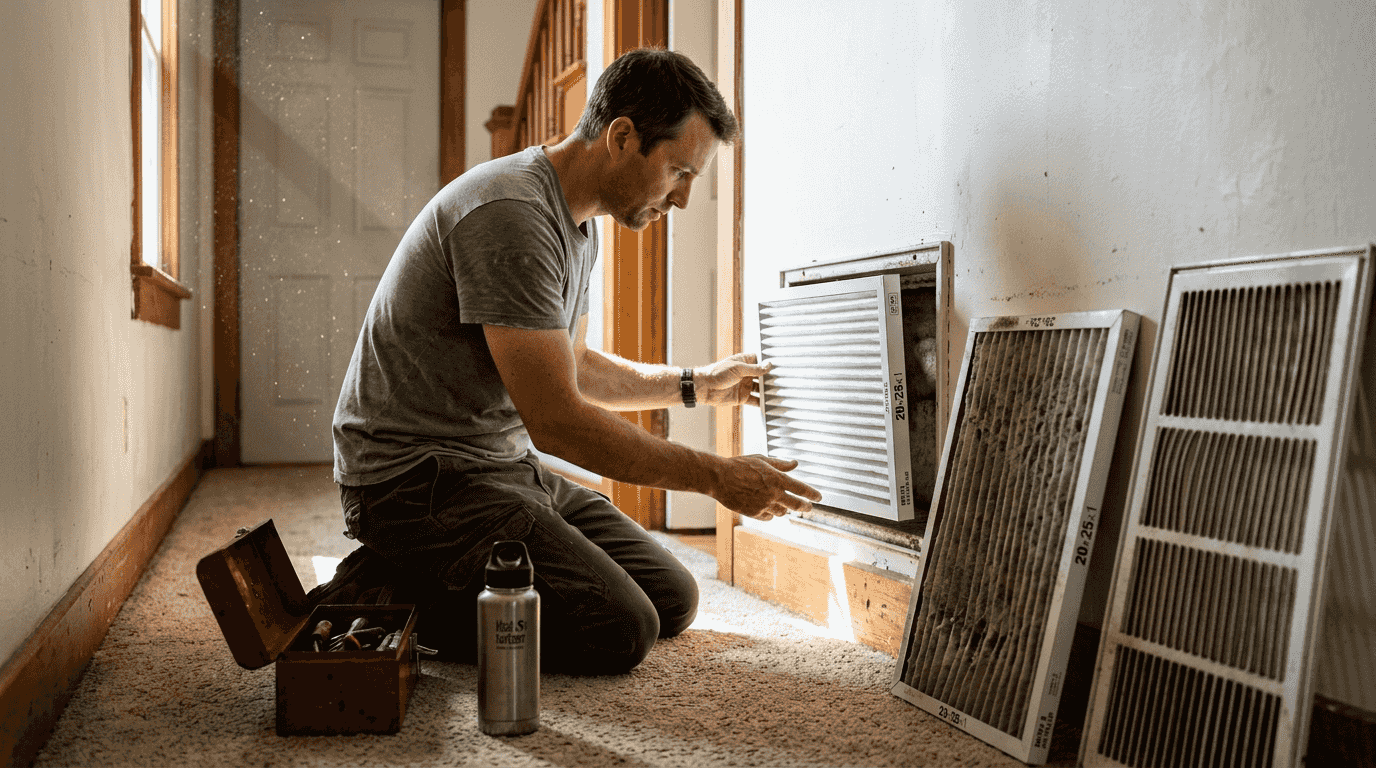
Consider what happens when you fix a refrigerant leak. Your compressor no longer struggles to cool inadequate refrigerant, cutting runtime by 20% or more. Sealing ductwork stops conditioned air from pouring into your attic or crawlspace, ensuring nearly all the air you paid to heat or cool actually reaches your living spaces.
Beyond energy savings, repairs dramatically improve what you breathe. Dirty evaporator coils harbor mold spores that circulate through your home. Cracked heat exchangers can leak carbon monoxide into your air supply. Failed blower motors reduce ventilation, allowing humidity and pollutants to accumulate. Regular filter replacement and duct cleaning reduce indoor particulate matter by up to 60%, making your home healthier for everyone, especially family members with asthma or allergies.
| Repair Type | Energy Impact | Air Quality Benefit |
| Refrigerant recharge | 15 to 25% efficiency gain | Prevents humid conditions that encourage mold |
| Duct sealing | 20 to 30% less energy waste | Stops attic dust and allergens from entering supply air |
| Filter replacement | 5 to 15% improved airflow | Captures 60% more airborne particles |
| Coil cleaning | 10 to 20% better heat transfer | Eliminates mold and bacteria growth sites |
Scheduling professional air filter replacement every 60 to 90 days keeps your system breathing easily. Pairing that with annual air duct cleaning removes the accumulated dust, pet dander, and construction debris that no filter can catch. Together, these services create an indoor environment that supports respiratory health while keeping your HVAC running efficiently.
Pro Tip: Install a programmable thermostat and set it back 7 to 10 degrees when you’re away. This simple practice reduces wear on your system, extends its lifespan, and cuts cooling costs by 10% annually without sacrificing comfort when you’re home.
The return on investment for timely repairs becomes clear when you calculate both immediate energy savings and avoided future costs. A $300 repair today prevents a $3,000 emergency replacement next summer when your system fails during a heatwave.
Common pitfalls and best practices in HVAC repair
Misdiagnosis can lead to unnecessary repairs and inflated costs. Too many homeowners pay for new compressors when the actual problem was a $20 run capacitor. This waste happens when technicians skip systematic troubleshooting and jump to conclusions based on symptoms alone. A system that won’t start might have a tripped breaker, a failed thermostat, or a bad compressor, but only methodical testing reveals which.
Improper refrigerant handling ranks among the most serious mistakes. Some technicians simply add refrigerant without finding the leak, which means you’re paying repeatedly for the same temporary fix. Worse, using the wrong refrigerant type or incorrect charge amounts damages your compressor and voids warranties. EPA regulations require proper recovery and recycling, so any technician who skips these steps is breaking the law and compromising your system.
Ignoring ductwork during repairs creates a missed opportunity. Your technician might fix your air handler perfectly, but if 30% of your conditioned air escapes through duct leaks, you’ll never see the efficiency gains you deserve. Comprehensive repairs address the entire system, not just the obvious failing component.
Common repair mistakes include:
-
Adding refrigerant without leak detection and repair
-
Replacing components without verifying electrical supply and controls
-
Overlooking duct leaks that waste conditioned air
-
Skipping filter replacement during service calls
-
Failing to test system performance after repairs
Best practices start with structured troubleshooting that cuts diagnostic time by up to 60%. Professional technicians follow manufacturer service procedures, test voltage at multiple points, measure refrigerant pressures, and verify airflow before declaring a diagnosis. This methodical approach costs slightly more in labor but saves dramatically on parts and callbacks.
Quality professional HVAC repair includes performance testing after completing work. Your technician should measure supply and return temperatures, verify proper airflow at registers, and confirm the system cycles correctly. These final checks catch installation errors before they become your problem.
Pro Tip: When hiring a technician, ask them to explain their diagnostic process before they start work. A professional who describes systematic testing and shows you readings from their meters is far more trustworthy than one who glances at your unit and immediately recommends expensive replacements.
Document every repair with photos and written descriptions. This record helps future technicians understand your system’s history and prevents duplicate diagnostics. It also protects you if warranty disputes arise about when problems first appeared or what work was previously completed.
When to repair vs. replace your HVAC system in Avondale
The average lifespan of most HVAC systems ranges between 10 to 15 years, but Arizona’s extreme heat accelerates wear. Your Avondale system works harder than units in milder climates, running longer cooling seasons that stress compressors and fans. When repair costs approach 50% of replacement cost, and your system is over 12 years old, replacement usually makes better financial sense.
Energy efficiency improvements offer another compelling reason to replace. Replacing an older, inefficient AC unit with a new, high SEER model can reduce energy consumption by 20 to 50%. If your current system has a SEER rating below 13, upgrading to a 16 SEER or higher unit cuts your cooling costs substantially. Over a 10 year lifespan, those savings often exceed the replacement cost.
Evaluate these factors when deciding:
-
Calculate the total repair cost as a percentage of replacement cost
-
Consider your system’s age and remaining expected lifespan
-
Assess current energy bills compared to what efficient systems would cost
-
Review repair frequency over the past three years
-
Factor in improved comfort and air quality from new technology
-
Examine available rebates and tax credits for high efficiency upgrades
| Scenario | System Age | Repair Cost | Recommendation |
| Minor repair | 5 to 8 years | Under $500 | Repair |
| Major component failure | 10 to 12 years | $1,000 to $2,000 | Consider replacement |
| Compressor failure | 12+ years | $2,000+ | Replace |
| Frequent small repairs | Any age | $500+ annually | Replace if system over 10 years |
| Low efficiency system | 8+ years | Any cost | Replace to gain energy savings |
Replacement becomes urgent when your system uses R22 refrigerant, which is no longer produced. R22 prices have skyrocketed, making even small leak repairs extremely expensive. Converting to modern refrigerants requires replacing most components anyway, so full system replacement makes more sense.
Your ductwork condition matters too. If you need extensive air duct repair and replacement, coordinating that work with AC installation and maintenance creates an opportunity to right size your new system. Many older homes have oversized units that cycle too frequently and dehumidify poorly. Professional load calculations ensure your replacement system matches your actual cooling needs.
Financing options and seasonal promotions can swing the economics toward replacement. Many contractors offer zero interest financing during off peak seasons, making a $5,000 replacement system cost less per month than continuing to repair an aging unit while paying inflated energy bills.
Improve your home’s indoor air quality and HVAC efficiency with local experts
Your HVAC system only performs as well as the air it moves and the ducts that deliver it. Even perfectly repaired heating and cooling equipment struggles when ductwork leaks or vents stay clogged with years of accumulated debris. Professional air duct cleaning removes the dust, pollen, and construction residue that restricts airflow and circulates through your living spaces every time your system runs.
Avondale homeowners benefit from local experts who understand desert conditions and how airborne dust affects indoor air quality. Comprehensive air vent cleaning tackles both supply and return registers, ensuring nothing blocks the carefully balanced airflow your system needs to operate efficiently. When cleaning reveals damaged sections, professional air duct repair and replacement services seal leaks and replace deteriorated sections that waste energy and introduce unconditioned air into your duct system. Contact experienced technicians who combine duct services with HVAC expertise to keep your entire comfort system running at peak performance.
What is HVAC system repair?
What does HVAC system repair include?
HVAC system repair covers diagnosing and fixing problems in your heating, ventilation, and air conditioning equipment. Technicians address refrigerant leaks, electrical failures, airflow restrictions, thermostat malfunctions, and mechanical component wear. The goal is restoring efficient operation and reliable comfort control.
How do I know my HVAC system needs repair?
Watch for weak airflow from vents, unusual noises like grinding or squealing, inconsistent temperatures between rooms, and unexpectedly high energy bills. Frequent cycling, moisture around the indoor unit, and unpleasant odors when the system runs all signal problems requiring professional attention. Don’t ignore these warnings, as small issues become expensive failures when neglected.
Can regular maintenance prevent most HVAC repairs?
Yes, scheduled maintenance catches developing problems before they cause breakdowns. Annual service includes cleaning coils, checking refrigerant levels, testing electrical connections, and replacing worn components. This proactive approach prevents approximately 70% of system failures and extends equipment lifespan by several years. Combining professional maintenance with diligent air filter replacement tips gives you the best reliability.
What do HVAC repairs typically cost in Avondale?
Simple repairs like thermostat replacement or capacitor changes run $150 to $400. Refrigerant recharges with leak repair cost $300 to $800. Major component replacements like blower motors or compressors range from $800 to $2,500. Complex repairs involving multiple systems or extensive ductwork can exceed $3,000. Get detailed written estimates before authorizing work.
When should I call a professional HVAC technician?
Call immediately if your system won’t start, produces strange smells, leaks water, or makes loud unusual noises. Schedule service within a few days for reduced airflow, inconsistent temperatures, or noticeably higher energy bills. Never attempt refrigerant work or electrical repairs yourself, as these require specialized training and licensing. Professional diagnosis prevents safety hazards and ensures repairs actually fix the underlying problem rather than just treating symptoms.