
TL;DR:
- Indoor pollutant detection combines digital monitoring and lab tests to identify harmful substances inside homes. Homeowners should regularly test for radon, VOCs, and particulate matter to ensure indoor air quality and reduce health risks. Acting on results with source control and proper filtration leads to safer, cleaner indoor environments.
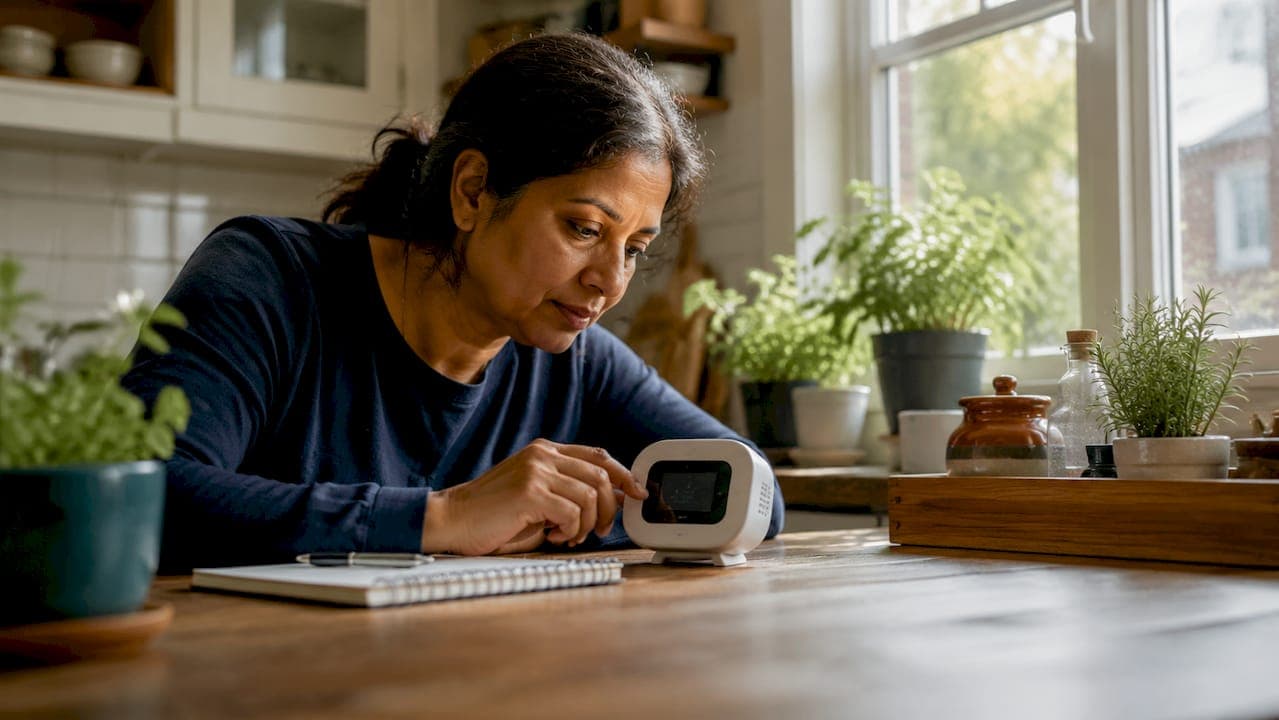
Indoor pollutant detection is the process of identifying harmful substances in your home's air through specialized monitoring devices and scientific testing. The EPA and WHO both recognize that indoor air can be two to five times more polluted than outdoor air, making air quality assessment a genuine health priority for homeowners and tenants. This indoor pollutant detection guide covers the most common pollutants, the right tools to find them, how to set up your monitoring correctly, and what to do once you have results. Airanddryerventcleaningavondale works with Avondale homeowners every day who are surprised by what their air actually contains.
What common indoor pollutants should you detect and why?
Knowing what you are looking for is the first step in any effective home air quality testing plan. Indoor pollutants fall into several categories, and each one affects your health differently.
- Particulate matter (PM2.5 and PM10). These tiny particles come from cooking smoke, candles, and dust. PM2.5 particles are small enough to reach deep into your lungs and trigger respiratory problems.
- Carbon dioxide (CO2). High CO2 levels signal poor ventilation, not a direct toxin at typical home levels, but a reliable indicator that other pollutants are building up too.
- Volatile organic compounds (VOCs). Paints, cleaning products, furniture, and adhesives all off-gas VOCs. Long-term exposure is linked to headaches, liver damage, and some cancers.
- Radon. This colorless, odorless gas seeps up from soil and rock. Radon is the second leading cause of lung cancer in the United States. That single fact makes radon testing non-negotiable for ground-floor and basement spaces.
- Humidity. Relative humidity above 50% creates ideal conditions for mold growth and dust mite proliferation. Keeping humidity between 30–50% is the standard control target.
- Lead and asbestos. Both are found in older homes built before 1980. Neither is detectable by a digital monitor. Lab tests are the only reliable method.
New WHO Air Quality Index guidelines now reflect combined risks from multiple pollutants rather than single-pollutant thresholds. That shift matters because your home rarely has just one problem at a time.
Which tools and methods work best for detecting indoor pollutants?
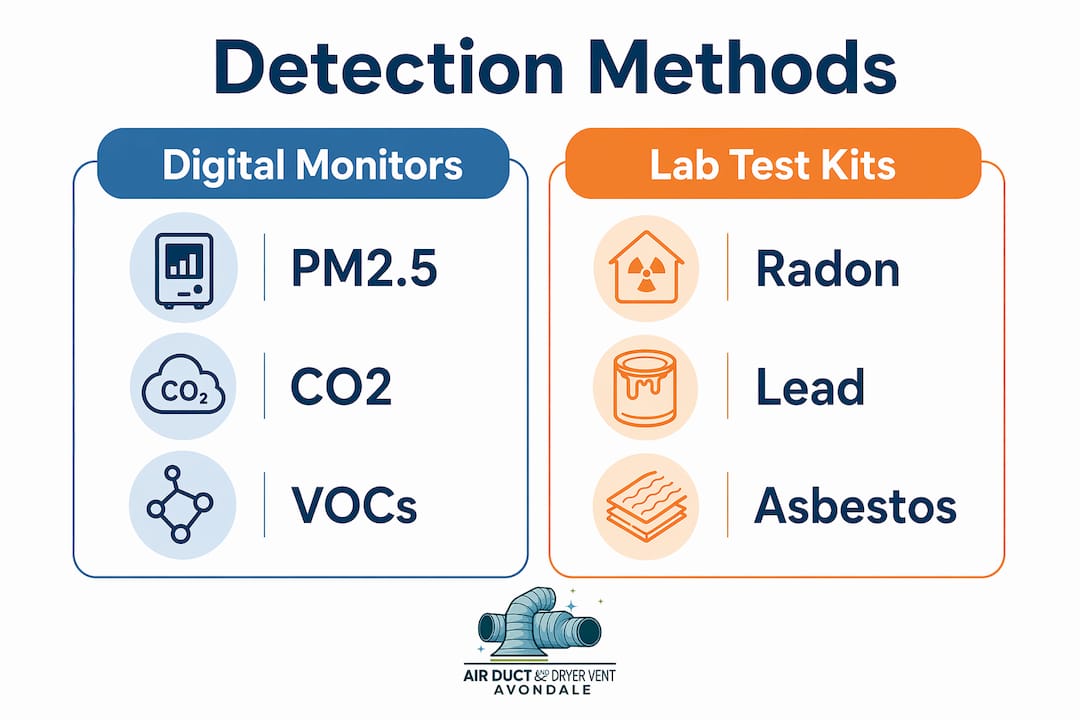
No single device can test all indoor pollutants. The right approach combines continuous digital monitoring with targeted lab testing.
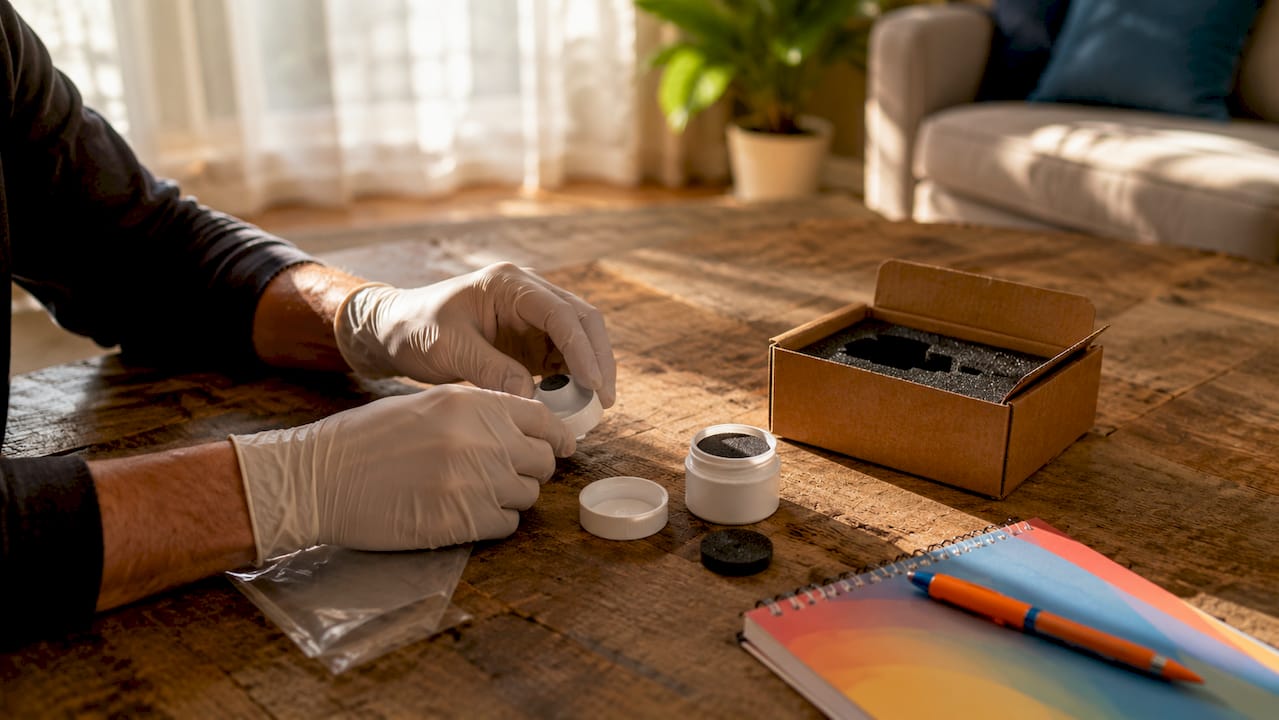
Digital air quality monitors
High-quality digital monitors track PM2.5, CO2, humidity, and VOCs in real time. For accuracy, look for models with NDIR sensors for CO2 and laser particle counters for PM2.5. These monitors give you a live picture of your air and help you spot patterns, like CO2 spikes every time you cook or humidity climbing after a shower.
Digital monitors have real limits, though. They cannot detect radon, lead, or asbestos. VOC sensors typically report total VOC levels rather than identifying specific compounds. Relying solely on digital monitors means missing hazardous substances that require lab analysis.
Lab test kits
Radon test kits are inexpensive and widely available. Short-term kits run for 48–96 hours, while long-term kits run for 90 days or more and give a more accurate seasonal average. Lead test kits check surfaces like paint and pipes. Asbestos testing requires a professional to collect a sample safely and send it to a certified lab.
Detection methods compared
| Method | Pollutants detected | Pros | Cons |
|---|---|---|---|
| Digital air monitor | PM2.5, CO2, humidity, VOCs | Real-time data, reusable | Cannot detect radon, lead, or asbestos |
| Short-term radon kit | Radon | Low cost, easy to use | Less accurate than long-term kits |
| Long-term radon kit | Radon | Most accurate seasonal reading | Takes 90+ days |
| Lead surface test kit | Lead in paint or dust | Fast results | Does not test airborne lead |
| Professional lab sample | Asbestos, lead, mold | Definitive results | Requires professional collection |
Pro Tip: Check the HVAC air quality devices list before buying a monitor. Matching the device to your specific home profile saves money and gives you more useful data.
How do you set up indoor air monitoring devices correctly?
Placement and routine matter as much as the device itself. A monitor sitting next to an open window or on top of a refrigerator will give you misleading readings.
- Choose the right rooms first. Place monitors in the rooms where you spend the most time, typically the bedroom and living room. Basements need separate radon testing because radon concentrates at lower levels.
- Position monitors at breathing height. Mount or place monitors at 3–5 feet off the floor. This matches the air you actually breathe, not the air near the ceiling or floor.
- Keep monitors away from direct airflow. Avoid placing them directly in front of vents, fans, or open windows. Airflow distorts readings and makes patterns harder to interpret.
- Run monitors continuously for at least one week before drawing conclusions. A single reading tells you very little. Patterns across days and times reveal the real sources.
- Follow kit instructions exactly for radon and lab tests. Close windows and exterior doors for 12 hours before starting a short-term radon test. Disturbing the air changes the result.
- Log your activities alongside the data. Note when you cook, clean, or run the HVAC. Air monitors identify patterns like CO2 spikes during cooking, but only if you connect the data to what was happening in the room.
- Replace or calibrate sensors on schedule. Most digital monitors need sensor replacement or factory recalibration every 1–2 years. An out-of-spec sensor gives you false confidence.
Pro Tip: Pair your monitor data with a home air audit once a year. The audit catches what continuous monitoring misses, especially in ductwork and crawlspaces.
A common mistake is treating the first week of data as a baseline without accounting for seasonal changes. Arizona summers, for example, push homeowners to seal homes tightly, which traps pollutants. Avondale homes monitored in july often show very different CO2 and humidity patterns than the same homes in december.
What should you do after detecting indoor pollutants?
Detection without action is just data collection. Once you have readings, the next step is interpreting them against established standards and taking targeted action.
- Compare readings to EPA and WHO thresholds. The EPA recommends keeping PM2.5 below 12 micrograms per cubic meter as an annual average. WHO guidelines set even stricter targets. If your readings consistently exceed these levels, the source needs to be addressed, not just filtered.
- Prioritize source control above all else. Air filtration works only when paired with source control. Running an air purifier without fixing a moisture leak or sealing a radon entry point is ineffective long term.
- Match your filtration to the pollutant. HEPA filters capture particles like PM2.5 effectively, but they do nothing for VOCs. VOC reduction requires activated carbon filters. Using the wrong filter type wastes money and leaves the problem unsolved.
- Improve ventilation carefully. Opening windows can introduce outdoor allergens, so balance fresh air intake with targeted cleaning. Use exhaust fans during cooking and bathing to remove pollutants at the source before they spread.
- Replace HVAC filters on schedule. Standard HVAC filters need replacement every 30–90 days. A clogged filter recirculates the particles it was meant to capture. Review the air filter replacement benefits specific to Avondale homes for guidance on timing.
- Call a professional when readings are high or sources are unclear. Radon above 4 picocuries per liter, visible mold, or suspected asbestos all require professional remediation. A professional indoor air quality test gives you lab-grade accuracy and a clear remediation plan.
A useful resource for understanding filter replacement timing covers how filter type and home conditions affect the right replacement schedule.
Key Takeaways
Effective indoor pollutant detection requires combining continuous digital monitoring with targeted lab testing, then acting on results through source control and matched filtration.
| Point | Details |
|---|---|
| No single device covers all pollutants | Use digital monitors for CO2, PM2.5, and VOCs, and lab kits for radon, lead, and asbestos. |
| Source control beats filtration alone | Fix moisture leaks, seal radon entry points, and eliminate pollution sources before adding filters. |
| Match filter type to pollutant | HEPA filters capture particles; activated carbon filters address VOCs. Using the wrong type wastes money. |
| Monitor placement affects accuracy | Place monitors at breathing height, away from vents and windows, and run them for at least one week. |
| HVAC filter replacement is non-negotiable | Replace standard filters every 30–90 days to prevent recirculation of captured particles. |
Why most homeowners get indoor air quality wrong
Most homeowners I talk to have one of two problems. They either buy a digital monitor, see a green light, and assume everything is fine. Or they open windows every morning thinking fresh air solves the problem.
Neither approach is wrong exactly. Both are just incomplete. A digital monitor showing good PM2.5 levels tells you nothing about radon seeping through your foundation. And opening windows in a city with high pollen counts can make allergy symptoms worse, not better. The Cleveland Clinic notes that discomfort and odors are often the first real indicators of poor air quality, long before any monitor reading spikes. Trust your nose and your body as early warning signals.
The habit that actually works is layered vigilance. Run a continuous monitor for patterns, do a radon test every two years, replace HVAC filters on a fixed schedule, and get a professional air quality check after any renovation or water event. None of these steps is expensive on its own. Skipping them and then dealing with mold remediation or a radon mitigation system is far more costly.
The other thing I have seen consistently: people buy air purifiers and feel like they have solved the problem. Air purifiers help, but they do not clean your ducts, and dirty ducts recirculate everything the purifier just captured. Combining monitoring with regular duct maintenance is the only approach that holds up over time.
— Shaun
Professional air quality testing and duct cleaning in Avondale
Detecting pollutants is only half the work. Removing the sources is where real improvement happens.
Airanddryerventcleaningavondale provides professional indoor air quality testing for homeowners and businesses in Avondale, Arizona, using lab-grade methods that go beyond what consumer monitors can detect. The team also specializes in air vent and duct cleaning to remove accumulated dust, allergens, and mold from the systems that circulate air through your home every day. Clean ducts mean your filters work as intended and your monitor readings actually reflect your air, not your ductwork. Flexible scheduling, including after-hours appointments, makes it easy to fit service into your routine without disruption.
FAQ
What is indoor pollutant detection?
Indoor pollutant detection is the use of monitoring devices and lab test kits to identify harmful substances in your home's air, including PM2.5, CO2, VOCs, radon, and mold.
Can one device test all indoor pollutants?
No single device detects all indoor pollutants. Digital monitors track CO2, PM2.5, humidity, and VOCs, while radon, lead, and asbestos require separate lab test kits.
How often should I test my home's air quality?
Run a continuous digital monitor year-round, replace HVAC filters every 30–90 days, and conduct a radon test every two years or after any major renovation.
What humidity level prevents mold growth indoors?
Keeping indoor humidity between 30–50% inhibits mold growth and reduces dust mite populations, according to AIHA indoor air quality guidelines.
When should I call a professional for indoor air quality help?
Call a professional when radon readings exceed 4 picocuries per liter, when you see visible mold, or when your monitor shows consistently high PM2.5 or VOC levels without a clear source.