
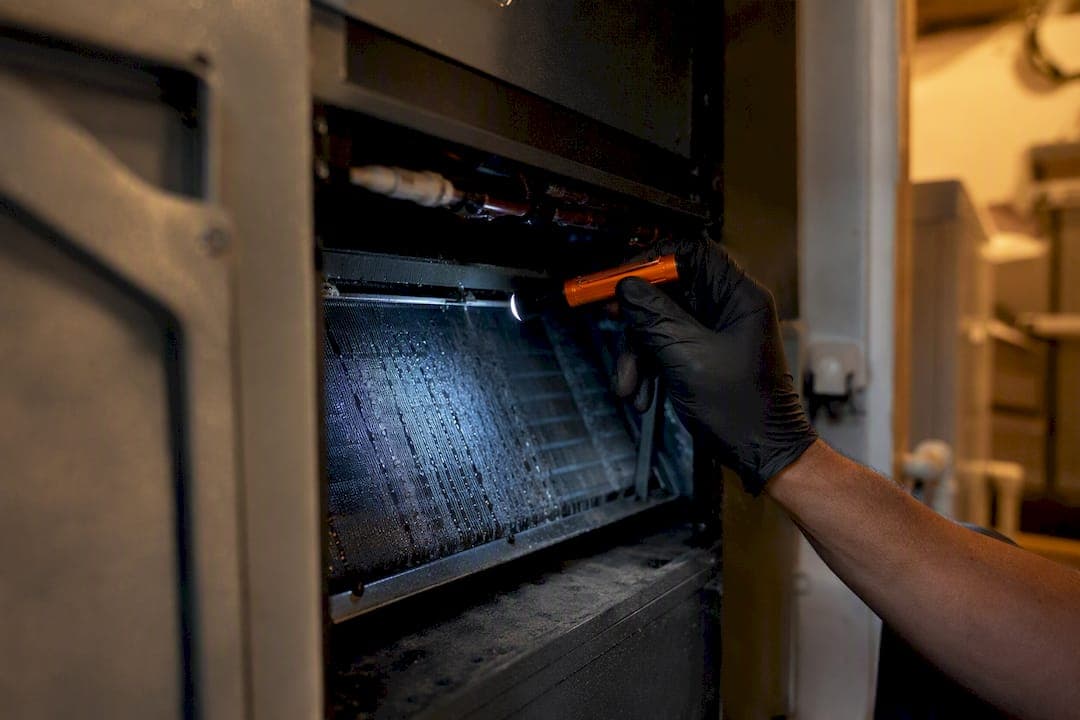
A musty smell from vents almost always means moisture-driven microbial growth somewhere in the indoor coil, drain pan, or ductwork. Start by checking the filter and the condensate drain. If the odor hits hard at startup and fades within about 15 minutes, the coil or drain pan is the likely source. If it lingers or smells like burning plastic, shut the system off and get a professional to look at it.
TL;DR:
- The most common cause of a musty smell from vents is mold or mildew forming on the evaporator coil or in the drain pan, often triggered by microbial growth and moisture buildup.
- A clogged condensate drain causes standing water, which fosters mold growth and results in a persistent musty odor that does not fade quickly.
- Conducting a fade-time test helps identify whether the odor is coming from the indoor coil (fades quickly) or ductwork and building humidity (lingers longer).
- DIY fixes like replacing filters and flushing the drain resolve many odors but fail if the source is deeper microbial growth or moisture issues in ductwork, requiring professional cleaning.
- Call a professional if odors persist beyond 30 minutes, if water or mold is visible, or if electrical and burning smells occur, since these indicate more serious system problems.
Table of Contents
- What Causes a Musty Smell From Vents?
- How Do You Diagnose Where the Smell Is Coming From?
- What Can You Fix Yourself Right Now?
- When Should You Call an HVAC or Duct-Cleaning Pro?
- How Do You Prevent Musty Vent Odors From Coming Back?
- Who's Behind This Guide?
- Why Most Musty-Smell Advice Skips the Useful Part
- Ready to Get Rid of That Smell for Good?
- Sources
- FAQ
What Causes a Musty Smell From Vents?
The evaporator coil is the usual suspect. It stays wet during every cooling cycle, and dust settles on that moisture and turns into a thin biofilm. That biofilm is what produces the classic "dirty sock" odor people report, especially the moment a system kicks on after sitting idle. Mold or mildew forming on this coil is one of the most common triggers for a musty AC smell, and it's often the easiest to trace once you know where to check.
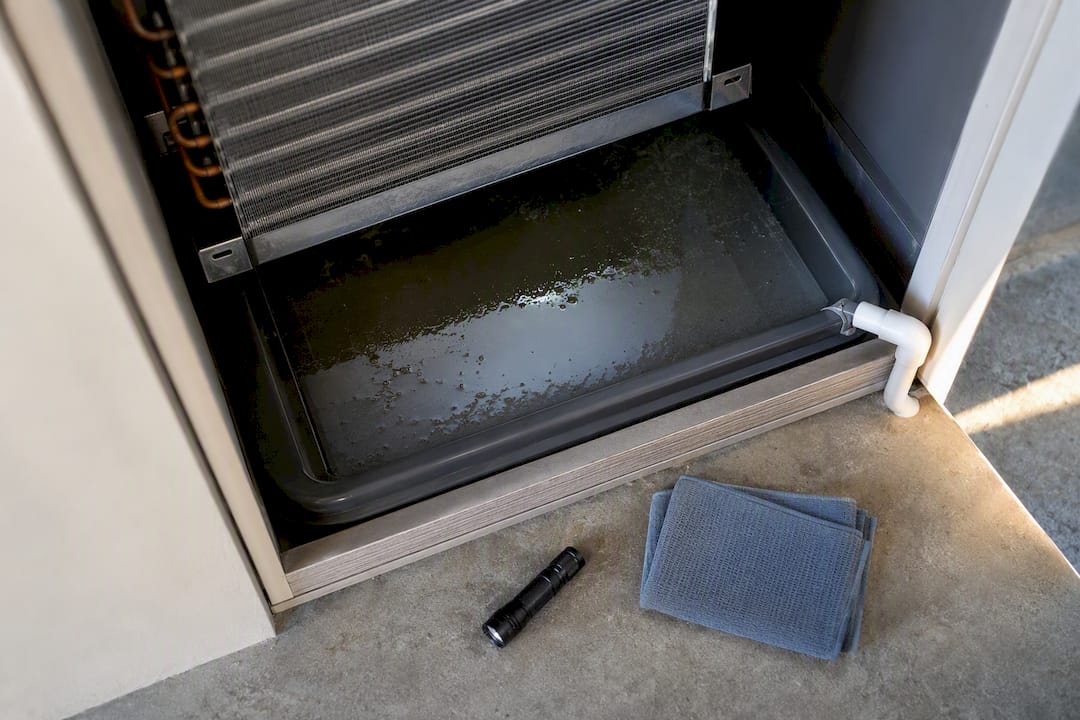
A clogged condensate drain compounds the problem. Water that should exit the system backs up into the drain pan, sits there, and feeds mold growth directly under the coil. Once that pan holds standing water for days, the odor stops being occasional and becomes constant.
Ductwork tells a different story. Moldy air from ducts usually shows up when moisture gets pulled in through a return leak, often in an attic or crawlspace, or when insulation inside flex duct stays damp long enough to grow mold. That smell doesn't fade the way a coil odor does. It persists no matter when you run the system.
Dirty filters make everything worse by trapping moisture against the coil and restricting airflow, which slows drying between cycles. A few causes to keep straight:
- Biofilm on the evaporator coil, most noticeable at startup
- Standing water in a clogged condensate pan
- Mold growth inside ductwork or at return-air leaks
- Overloaded filters holding moisture against the coil
- Building-level humidity feeding all of the above
A burnt smell from an air conditioner or a burning smell from vents is not part of this list, and that distinction matters for what you do next. Electrical or plastic odors point to a different problem entirely and call for an immediate shutdown rather than a filter check.
How Do You Diagnose Where the Smell Is Coming From?
Before touching anything, run a few low-risk tests that pinpoint the source in under ten minutes.
- Startup localization test. Let the system sit off for a few hours, then stand at the return grille as it kicks on, then move to a supply vent, then to the air handler access panel if you can reach it safely. Note where the smell hits hardest.
- Fade-time test. Time how long the odor lasts after startup. A smell that fades within several minutes points to moisture on the coil or in the drain pan(https://homecomforttips.com/ac-smells-musty-after-being-off-overnight/). A smell that holds steady for 30 minutes or longer usually means ductwork or a building moisture issue, not the indoor unit itself.
- Drain check. Look at where the condensate line terminates outside. Steady dripping is normal; no flow at all, or a gurgling sound near the air handler, suggests a clog.
- Room-by-room mapping. Walk through each room while the system runs and note where the odor is strongest. A smell isolated to one or two rooms often traces to a specific duct run or a localized moisture source, like a bathroom exhaust tied into the same chase.
Pro Tip: Do the startup test with the system fully off for at least two or three hours first. A coil that's still running masks the odor pattern you're trying to catch.
Stop immediately and call a professional if you smell anything resembling burning, melting plastic, or gas. That's not a musty ac smell issue. It's an electrical or combustion risk.
What Can You Fix Yourself Right Now?
Most musty odors respond to a short sequence of DIY steps, done in this order.
- Replace the filter. A MERV 8 to MERV 11 filter balances airflow and particle control for most homes; anything denser can choke airflow on older systems. Swap it regularly every few months, or more often if you have pets.
- Flush the condensate drain. Locate the drain line's access point (often a T fitting near the air handler), remove the cap, and pour a cup of white vinegar or a mild, non-bleach drain cleaner through it. Watch for backup at the outdoor termination point; if nothing drains after ten minutes, the clog is deeper than a vinegar flush can reach.
- Clean reachable registers and grilles. Vacuum the vent covers and the first foot or two of visible ductwork, then wipe surfaces with an antimicrobial cloth rated for HVAC use.
- Run the fan and re-test. Set the fan to run for 30 minutes after the compressor cycles off. This helps dry the coil. Pair it with a dehumidifier if indoor humidity runs above 50%, then repeat the fade-time test from the diagnostic step above.
Clearing the drain and replacing a dirty filter resolves a large share of odors that start at the indoor unit. If the smell survives all four steps, the source is probably past what a filter or a vinegar flush can reach.
Pro Tip: Filters trap dust, not odor gas. If replacing one doesn't cut the smell within a day or two, the moisture problem is upstream of what the filter can control.
Stop the DIY approach and call a professional if you see visible mold growth inside the ductwork, notice a burning or electrical smell, or can't safely access the air handler.
When Should You Call an HVAC or Duct-Cleaning Pro?
Call a professional if you notice any of the following:
- Standing water in the drain pan that returns after flushing
- Odor that persists past 30 minutes with no fade
- Visible mold on coils, ducts, or vent covers
- Water stains around vents, ceilings, or the air handler
- A noticeable drop in airflow alongside the smell
- Any burning, plastic, or electrical odor
A musty "dirty sock" smell from mold on the coil often calls for professional coil cleaning, condensate system repair, and duct sealing, work that goes beyond what a vinegar flush can accomplish. A general HVAC inspection typically covers the coil, drain, blower, and accessible ductwork in one visit, which helps confirm whether the fix is targeted cleaning or something larger like duct sealing.
Before hiring anyone, ask about NADCA membership, request before and after photos of the work, and get the scope of service in writing, including whether it covers the drain pan and coil or just the visible ductwork.
How Do You Prevent Musty Vent Odors From Coming Back?
Prevention comes down to keeping moisture from sitting anywhere in the system long enough to grow anything.
- Replace filters on a fixed schedule (every 60 to 90 days for MERV 8 to 11) rather than waiting for visible dirt.
- Flush the condensate line every few months, and check that the drain pan still slopes toward the outlet instead of pooling.
- Run a dehumidifier or improve ventilation if indoor humidity regularly climbs above 50%, since damp air feeds every cause on this list.
- Consider duct sealing if you suspect return-side leaks pulling in attic or crawlspace air, a common source of musty air from ducts that filters can't touch.
UV-C coil sanitizing can help inactivate microbial growth on the coil, but it works alongside moisture control, not instead of it. A UV light on a coil that stays wet just slows the regrowth rate; it doesn't fix the underlying drainage or humidity problem. For more on keeping the whole system dry between service visits, see this rundown of HVAC mold prevention habits that pair well with a filter schedule.
Who's Behind This Guide?
This guide comes from Shaun and the team at Air Duct and Dryer Vent Cleaning Avondale, who work with musty vent complaints on a routine basis across residential and commercial properties. The diagnostic sequence above (startup localization, fade timing, drain checks) mirrors what a technician actually walks through on a service call, just scaled down to what a homeowner can safely do first.
When DIY steps don't resolve the odor, the next step is usually a targeted inspection covering the coil, condensate system, and accessible ductwork, followed by duct cleaning or drain servicing depending on what's found. Realistic outcomes from that kind of service: a coil free of biofilm, a drain that flows properly, and a fade time back down to normal or gone entirely. If odors trace to a specific room or air quality remains a concern after cleaning, testing can confirm whether the fix actually worked.
Why Most Musty-Smell Advice Skips the Useful Part
Most articles on this topic list every possible cause and stop there, leaving you to guess which one applies to your house. That's backwards. The fade-time test matters more than any single cause on the list, because it tells you where to look before you spend money or time guessing. A smell that clears in ten minutes and a smell that never clears are two different repair jobs, and treating them the same wastes a service call.

The other place conventional advice falls short: it treats filter changes as a cure-all. A filter controls dust, not the microbial growth already sitting on a wet coil or in a stalled drain pan. Swapping filters religiously while ignoring a slow drain is why some homeowners report the smell "coming back" every few weeks. It never left.
Prioritize the drain and the coil before anything else. Those two spots cause the majority of startup odors, they're the cheapest to check, and they tell you within fifteen minutes whether you're dealing with a five-minute fix or a problem that needs a technician.
— Shaun
Ready to Get Rid of That Smell for Good?
DIY fixes solve a real share of musty vent complaints, but a stalled drain, a coil coated in biofilm, or ductwork pulling in damp attic air will keep producing the smell no matter how many filters you swap. Professional services handle the parts of the system a filter change and a vinegar flush can't reach: coil servicing, condensate line and drain pan work, and duct cleaning when the odor traces back to the ductwork itself.
If your fade-time test points to something beyond the indoor unit, or if you've already tried the DIY steps above without lasting results, the next move is a proper inspection rather than another round of guessing. Book a duct cleaning evaluation or check air vent cleaning options for your property, and if the smell has lingered long enough that you're worried about indoor air quality overall, an air quality test will confirm exactly what's in the air before any work starts.
Sources
FAQ
Does a Musty Smell Automatically Mean Mold?
Not automatically, but it's the most common explanation. A musty odor usually points to microbial growth (mold or mildew) on the evaporator coil, in the drain pan, or inside ductwork, though the exact species and severity vary by case.
What Does Mold in Air Vents Smell Like?
It typically smells earthy or like a wet basement, often described as a "dirty sock" odor when it's concentrated on the evaporator coil. It's distinct from burning, plastic, or chemical smells, which point to electrical issues instead.
What Neutralizes a Musty Smell From Vents?
Clearing the condensate drain, replacing a dirty filter, and cleaning accessible coil and duct surfaces resolves many cases. Persistent odor after those steps usually needs professional coil cleaning, drain pan servicing, or targeted duct cleaning to actually remove the source rather than mask it.
Is It Bad if My AC Smells Musty?
It's worth addressing quickly, since it usually signals ongoing microbial growth that can affect indoor air quality over time. It's rarely a safety emergency on its own, but a burning or electrical odor is different and calls for an immediate system shutdown.