
TL;DR:
- Cleaning vent covers and sealing plumbing traps can eliminate common odors from home vents.
- Persistent sewer-like smells often indicate hidden plumbing faults or duct leaks needing professional repair.
Reducing odors in vents means cleaning vent covers, vacuuming duct openings, addressing dry plumbing traps, and fixing ventilation gaps that pull sewer gases into your HVAC system. This guide to reducing odors in vents covers every layer of the problem, from surface dust to hidden plumbing faults, so you can stop unpleasant smells at their source. The NADCA (National Air Duct Cleaners Association) sets the professional standard for duct cleaning, and knowing when to apply that standard versus a DIY fix saves you time and money. Airanddryerventcleaningavondale serves homeowners and renters in Avondale, Arizona, who need expert help when the DIY approach reaches its limit.
Guide to reducing odors in vents: tools and materials you need
The right supplies make the difference between a quick fix and a thorough job. Gather everything before you start so you are not stopping mid-task to search for a brush.
Basic supplies for every homeowner:
- Vacuum with a brush attachment (for duct openings and vent covers)
- Mild dish soap and warm water
- Old toothbrush (for grille slats and tight corners)
- Baking soda (odor absorber)
- Microfiber cloths
- Screwdriver (to remove vent covers)
Optional but useful:
- White vinegar (natural deodorizer)
- Essential oils like tea tree or eucalyptus (added freshness)
- Mineral oil (for P-trap maintenance)
- Mastic tape (for sealing leaky return ducts)
- Smartphone with a flashlight or a small LED flashlight (for duct inspection)
The table below shows how each tool category fits into the overall task.
| Tool category | Primary use | When you need it |
|---|---|---|
| Vacuum with brush attachment | Remove loose dust from duct openings | Every cleaning session |
| Soap, water, toothbrush | Wash vent covers | Every 3–6 months |
| Baking soda | Absorb residual odors inside ducts | After vacuuming |
| Mineral oil | Seal P-traps in unused drains | Monthly for unused fixtures |
| Mastic tape | Seal return duct leaks | When sewer odors persist |
| Smartphone camera | Inspect duct interiors for mold or pests | Before deciding on pro help |
Safety gear matters too. Wear a dust mask and gloves, especially if your ducts have not been cleaned in over a year. Disturbing settled dust without protection irritates airways and defeats the purpose of the whole job.
How do you clean vents and remove odors step by step?
A structured process gets better results than random scrubbing. Follow these steps in order, and you will cover both surface odors and the deeper dust that feeds them.
-
Turn off your HVAC system. Cleaning with the system running blows dust back into the room and can scatter contaminants through the house.
-
Remove vent covers. Use a screwdriver to take off each grille. Most covers are held by two screws.
-
Wash covers with soap and water. Scrub the slats with an old toothbrush to dislodge built-up dust. Vacuuming vent covers and washing them every 3–6 months improves airflow and cuts down on odors.
-
Dry covers completely before reinstalling. This step is non-negotiable. Moisture left on covers promotes mold growth inside the duct boot. A low-temperature hair dryer works well for drying tight crevices that a cloth cannot reach.
-
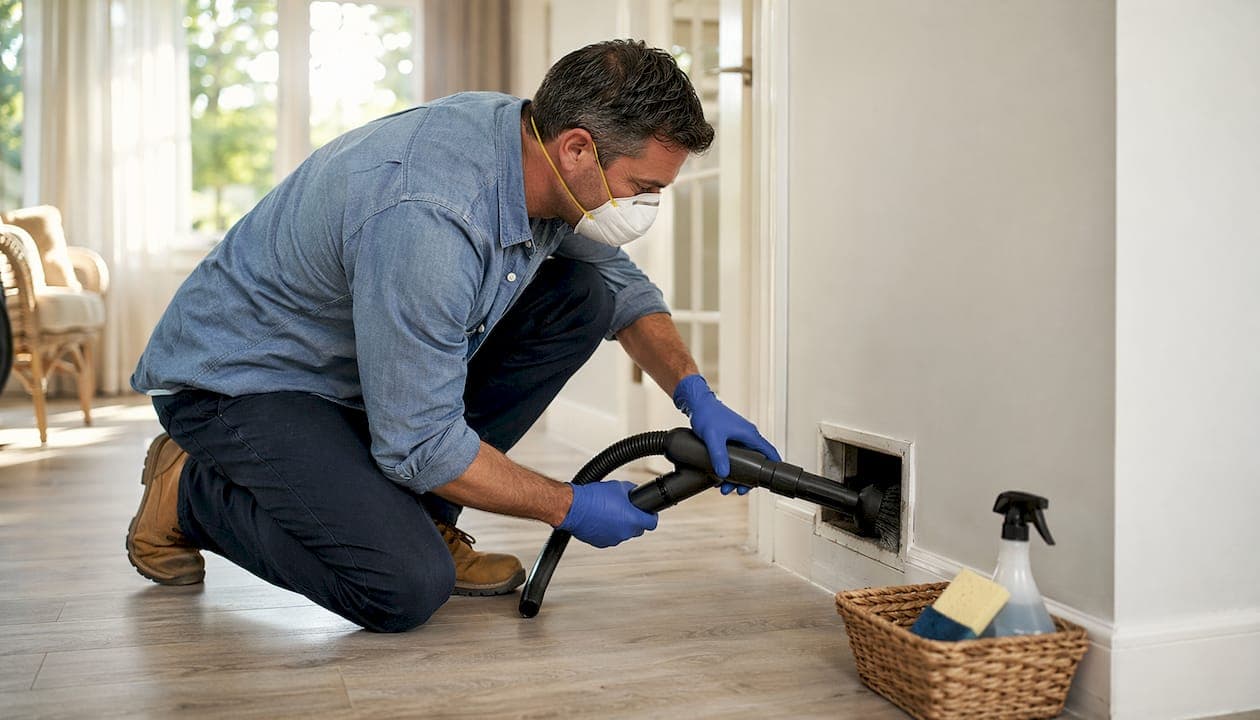
Vacuum the duct opening. Insert the brush attachment a few inches into the duct and vacuum gently. Do not force the attachment deeper, as you risk damaging flexible ductwork.
-
Apply baking soda. Sprinkle a small amount of baking soda into the duct opening. Leave it for 15–20 minutes, then vacuum it out. Baking soda neutralizes acidic odor compounds without leaving residue.
-
Add optional fresheners. A few drops of tea tree oil on a cloth placed near (not inside) the vent adds a clean scent. White vinegar wiped on the inside of the duct boot also neutralizes lingering smells.
Pro Tip: Use your smartphone camera with the flash on to look inside the duct before and after cleaning. A phone camera inspection can reveal mold, pest droppings, or heavy dust buildup that signals you need professional help rather than more DIY effort.
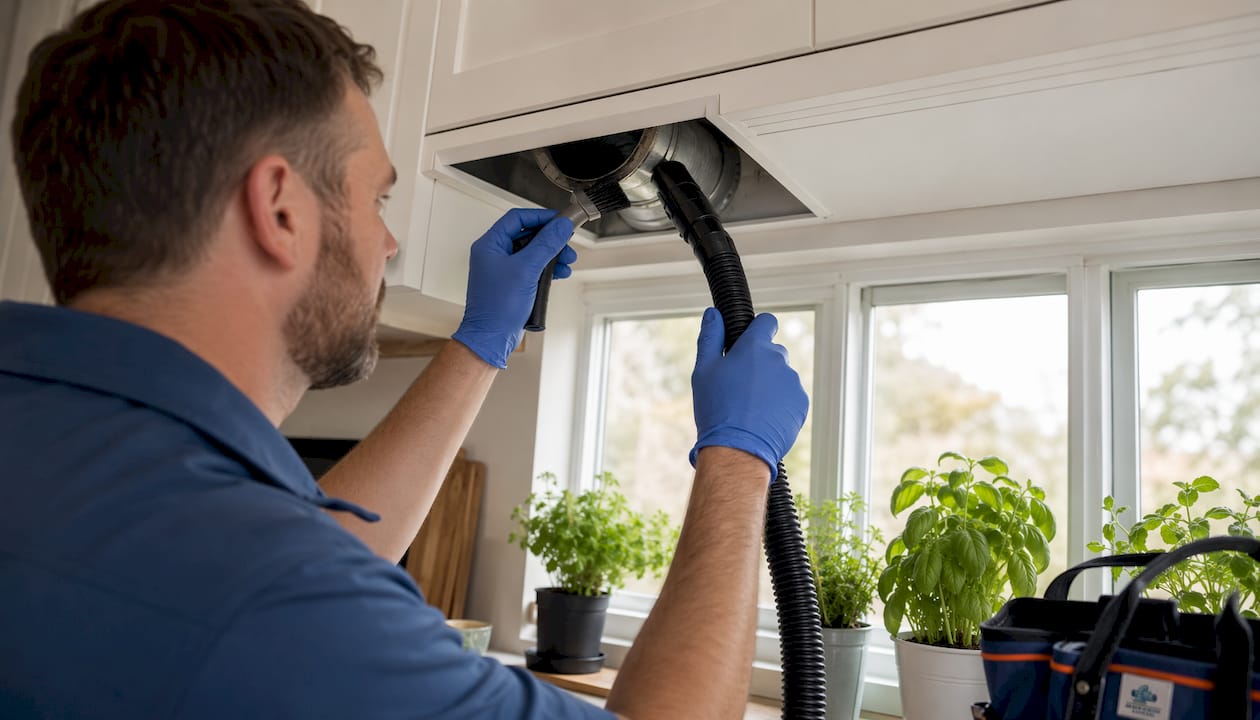
The duct boot, the short metal transition between the vent cover and the main duct, is the most critical spot for odor-causing dust and moisture buildup. Focusing your cleaning here delivers the most noticeable relief. Cleaning this area thoroughly, rather than just wiping the grille, is what separates a real fix from a temporary one.
One caution worth repeating: avoid harsh chemicals and abrasive scrubbing on vent covers. Soap and water clean effectively without corroding the metal or plastic. Damaged covers trap more dust and degrade faster, making your odor problem worse over time.
What plumbing and ventilation issues cause persistent vent odors?
Surface cleaning solves dust-based smells. When a sewer-like or musty odor keeps coming back after you clean, the source is almost always a plumbing or ventilation fault.
Common causes of persistent vent odors:
- Dry P-traps. The P-trap is the curved pipe under sinks, floor drains, and utility tubs. It holds a small amount of water that blocks sewer gas from rising into your home. When a drain goes unused, that water evaporates. One in five cases of sewer-like odors in vents trace back to dry P-traps in floor drains or sinks.
- Leaky return ducts. Return ducts run at negative pressure, meaning they pull air in from their surroundings. A gap or crack near the mechanical room draws in sewer gases, basement odors, or mold spores and distributes them through every vent in the house.
- Blocked outdoor vent pipes. Plumbing vent pipes exit through the roof and allow sewer gases to escape outside. A bird nest, debris, or ice blockage forces those gases back down into the drain system and eventually into your living space.
- Poor indoor air circulation. Stagnant air in rarely used rooms allows odors to concentrate and get pulled into return vents.
How to fix each issue:
For dry P-traps, pour a cup of water into the drain, then add a tablespoon of mineral oil on top. Mineral oil slows evaporation, keeping the trap seal effective for weeks or months. For unused drains, repeat this monthly.
For leaky return ducts, locate the seams near your air handler and seal them with mastic tape. Standard duct tape fails within months because it dries out and peels. Mastic tape seals return duct seams effectively and holds up to temperature changes.
For blocked vent pipes, a visual check from the roof or a plumber's snake clears most obstructions. If you are not comfortable on the roof, this is a job for a professional.
Negative pressure in return ducts is the hidden engine behind many sewer odor complaints. Sealing those duct leaks near the mechanical room stops the HVAC system from acting like a vacuum that pulls sewer gases directly into your living space. Fixing the leak costs far less than chasing the odor with air fresheners for years.
For seasonal home maintenance, checking P-traps and vent pipe clearance twice a year prevents most of these issues before they start.
When should you call a professional for vent odors?
DIY cleaning handles surface dust and minor odors well. Certain situations require professional equipment and expertise that no household vacuum can replicate.
Call a professional when you notice:
- Visible mold growth on or inside vent covers
- Evidence of pests (droppings, nesting material, or sounds inside ducts)
- Disconnected or collapsed ductwork visible through a vent opening
- Persistent odors after two or more rounds of thorough DIY cleaning
- A burning or electrical smell coming from vents (shut off the HVAC immediately)
Professional duct cleaning uses truck-mounted HEPA-filtered vacuum systems with negative air pressure to contain dust during removal. That level of containment is physically impossible with a household vacuum. Look for technicians who hold NADCA certification, which requires demonstrated knowledge of duct system cleaning standards and equipment.
Professional duct cleaning costs typically range between $300 and $600. That figure covers the full system, not just individual vents. When mold or pests are present, remediation adds to that cost, but skipping it risks ongoing health exposure.
The signs you need duct cleaning go beyond smell alone. Increased allergy symptoms, visible dust blowing from vents when the system starts, and a sudden spike in your energy bill all point to a duct system that needs professional attention. DIY cleaning is effective only for surface-level dust. Contaminants deeper in the system require specialized equipment to remove safely.
Key Takeaways
Eliminating vent odors requires cleaning vent covers every 3–6 months, maintaining P-trap seals with water and mineral oil, sealing return duct leaks with mastic tape, and calling a NADCA-certified professional when mold, pests, or persistent smells remain after DIY efforts.
| Point | Details |
|---|---|
| Clean vent covers regularly | Wash covers with soap and water every 3–6 months and dry completely to prevent mold. |
| Maintain P-trap seals | Pour water and mineral oil into unused drains monthly to block sewer gas odors. |
| Seal return duct leaks | Use mastic tape on return duct seams near the air handler to stop odor-pulling gaps. |
| Use baking soda for absorption | Apply baking soda in duct openings after vacuuming to neutralize residual odor compounds. |
| Know when to call a pro | Visible mold, pests, or odors that persist after DIY cleaning require NADCA-certified service. |
What I have learned about keeping vents odor-free year-round
After working with hundreds of homes in Avondale, the pattern I see most often is this: homeowners clean the visible parts and ignore the hidden ones. They wipe the grille, spray an air freshener, and call it done. Three weeks later, the smell is back. The real work happens at the duct boot and inside the P-traps.
The other mistake I see constantly is using the wrong products. Bleach, ammonia-based sprays, and abrasive pads feel like they should work better than soap and water. They do not. They corrode metal grilles, leave chemical residues that attract dust, and sometimes create fumes that the HVAC system then circulates through the entire house. Soap and water, followed by complete drying, outperforms every harsh cleaner I have ever seen applied to a vent cover.
My honest recommendation: set a calendar reminder for every three months. Check your P-traps in rooms you rarely use, like a guest bathroom or a basement utility sink. Run the water, add mineral oil, and move on. That five-minute task eliminates the single most common source of sewer odors in residential HVAC systems.
Seasonal checks also matter more than most homeowners realize. In Avondale, the dry summer heat accelerates P-trap evaporation faster than in humid climates. A trap that holds its seal for three months in Seattle may dry out in six weeks here. Adjust your maintenance schedule to match your local conditions, not a generic national guideline.
The goal is dryness where you want it (vent covers after washing) and moisture where you need it (P-traps in drains). Get those two things right, and most odor problems stay solved.
— Shaun
Professional vent cleaning services in Avondale, AZ
When DIY methods have reached their limit, a professional inspection and cleaning gives you a clear picture of what is actually inside your ducts and how to fix it for good.
Airanddryerventcleaningavondale provides residential and commercial air vent cleaning in Avondale, Arizona, using professional-grade equipment that removes dust, allergens, mold, and debris from the full duct system. Services include air quality testing, duct repairs, and vent replacement, all backed by warranties and flexible scheduling. For commercial properties with more complex duct systems, commercial duct cleaning is also available. Contact Airanddryerventcleaningavondale to schedule an inspection and get a clear answer on what your vents actually need.
FAQ
Why do my vents smell bad even after cleaning?
Persistent odors after surface cleaning usually point to dry P-traps, leaky return ducts, or mold deeper in the duct system. A smartphone camera inspection of the duct interior helps identify whether the problem requires professional remediation.
How often should I clean my air vents?
Clean vent covers every 3–6 months for most homes, and monthly if you have pets or allergy sufferers in the household. Routine maintenance at this frequency reduces dust accumulation and keeps odors from building up.
What is the best way to absorb odors inside ducts?
Baking soda is the most effective household option. Sprinkle it into the duct opening after vacuuming, wait 15–20 minutes, then vacuum it out to neutralize residual odor compounds without leaving chemical residue.
How do I fix a sewer smell coming from my vents?
Pour water and a tablespoon of mineral oil into any infrequently used drains to restore the P-trap seal. If the smell continues, inspect return duct seams near your air handler and seal any gaps with mastic tape.
When does vent odor removal require a professional?
Call a NADCA-certified professional when you see visible mold, find evidence of pests, or when odors persist after two thorough DIY cleaning sessions. Professional cleaning with HEPA-filtered vacuum systems handles contaminants that household equipment cannot safely remove.