
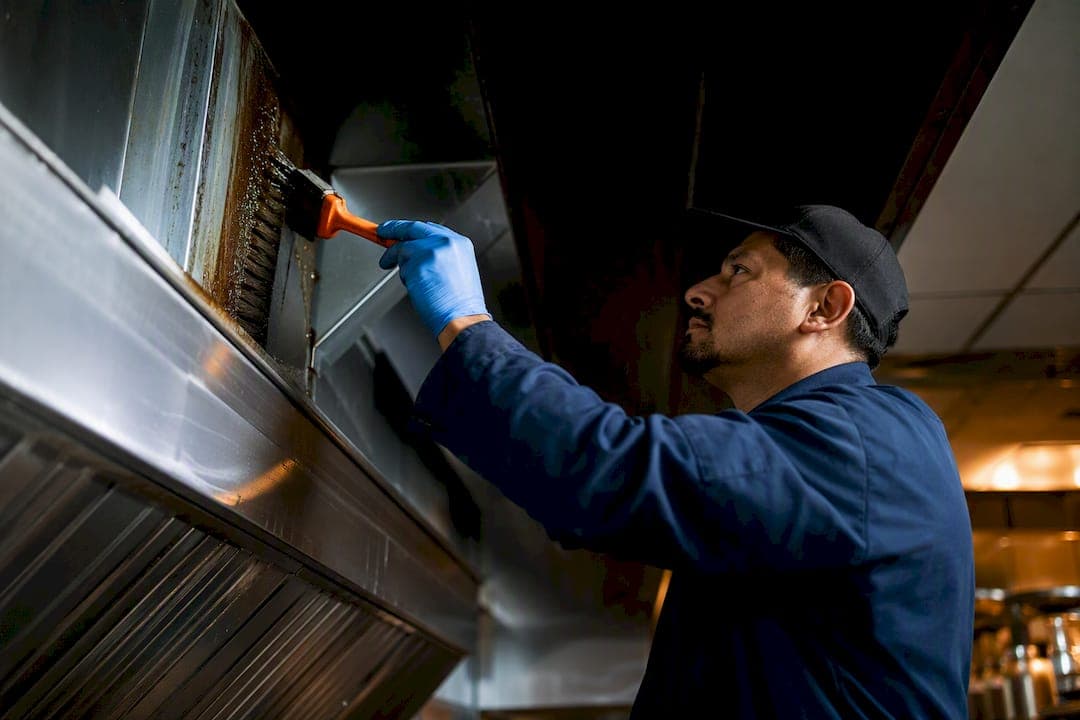
A single hood cleaning typically runs $400 to $1,500 depending on system size, with most independent restaurants paying $350 to $800 per visit. The real budgeting question isn't the per-visit price. It's frequency: multiply your midrange per-visit cost by the cleanings your kitchen requires under NFPA 96, and you have a defensible annual number. Overdue systems and heavy-grease kitchens push both figures higher, so get a documented on-site estimate before assuming a quote is out of line.
TL;DR:
- Cleaning costs vary significantly based on system size, grease load, and access difficulty, with annual expenses reflecting NFPA 96's required cleaning frequency.
- Overdue or neglected systems can take 30 to 40 percent longer to clean, increasing costs beyond standard estimates.
- Full-system NFPA 96 cleaning, including ductwork and fan housing, is more expensive but necessary for fire safety compliance, unlike canopy-only or hood-only services.
- Proper onsite scope, insurance proof, certified technicians, and clear itemized quotes are essential for choosing a reliable contractor.
- Signing a recurring service contract and maintaining filters regularly can reduce yearly expenses without sacrificing compliance.
Table of Contents
- How Much Does Restaurant HVAC Cleaning Cost Per Visit?
- What Drives the Price of a Restaurant Duct Cleaning Job?
- How Often Does NFPA 96 Require Cleaning, and What Does That Cost Annually?
- How Do I Get an Accurate Quote for HVAC Cleaning?
- How Do I Choose a Reliable Restaurant HVAC Cleaning Provider?
- How Can I Lower Annual HVAC Cleaning Costs Without Cutting Corners?
- What Hidden Fees Show Up on a Restaurant Duct Cleaning Invoice?
- Hood-Only vs. Full HVAC System Cleaning: What's the Cost Difference?
- Budgeting for Cleaning Comes Down to One Decision
- Request a Restaurant HVAC Cleaning Estimate in Avondale
- Sources
- FAQ
How Much Does Restaurant HVAC Cleaning Cost Per Visit?
A single-hood restaurant typically pays $400 to $600 per cleaning. Multi-hood systems with moderate grease load land in the $700 to $1,200 range, and large or complex kitchens with multiple exhaust runs, rooftop fans, and long duct paths can exceed $1,500 per service. That's a wide spread, and it's supposed to be. A taco counter with one small hood isn't paying the same as a steakhouse running two charbroilers and a wok station.
Most operators fall somewhere between $350 and $800 per cleaning, with high-volume operations regularly crossing $1,200. The annual cost depends entirely on how often NFPA 96 requires service for your cooking type.
These numbers assume the system is on schedule. A first-time cleaning on a neglected system, or an emergency call after a failed inspection, typically carries a premium on top of the base price. Skip a cycle or two and you're not saving money. You're deferring it at a markup.
What Drives the Price of a Restaurant Duct Cleaning Job?
Grease load is the single biggest multiplier. A salad-and-sandwich kitchen with light frying cleans fast. A barbecue joint running solid-fuel cookers or a wing shop with three fryers and a charbroiler generates carbonized grease that takes far longer to strip to bare metal, which is what NFPA 96 actually requires.
Beyond cooking type, several factors shift the quote:
- Hood count and duct length: more hoods and longer horizontal or vertical duct runs mean more labor hours.
- Rooftop access: a fan housing that requires ladder work or roof access adds time contractors have to price in.
- Missing or blocked access panels: technicians can't clean what they can't reach, and cutting new access panels costs extra.
- Drive time and scheduling: rural locations and after-hours or overnight appointments both add cost, since pricing that ignores drive time or distance loses money for the contractor and gets passed to you either way.
- Insurance and certification overhead: a properly insured, trained crew builds those costs into every job, and it should.
There's also a scope difference that matters more than any of the above. A canopy-only cleaning wipes the visible hood surface and swaps filters. A full-system NFPA 96 cleaning goes to bare metal through the entire duct run to the rooftop fan. The first one is cheaper because it does less.
Pro Tip: Ask every bidder point blank whether the quote includes the vertical duct run and fan housing, not just the hood interior. If the answer is vague, assume it's canopy-only priced as if it were full-system.
How Often Does NFPA 96 Require Cleaning, and What Does That Cost Annually?
NFPA 96 sets four frequency tiers based on cooking volume and fuel type, not on what's printed on your menu. An inspector cares about how much grease your equipment actually produces, and the standard ties frequency directly to cooking type:
- Monthly: solid-fuel cooking operations (wood or charcoal-fired equipment).
- Quarterly: high-volume cooking, including charbroilers, wok cooking, and 24-hour kitchens.
- Semiannual: moderate-volume operations, which covers most full-service restaurants.
- Annual: low-volume kitchens with limited frying or grilling.
When multiplied by the appropriate frequency tier, midrange per-visit costs produce significant annual expenditures that reflect the intensity of the cooking operations, from highest to lowest volume kitchens. If a qualified inspector finds grease accumulating faster than expected, they can shorten your interval regardless of which tier your menu would suggest. That reclassification is common after a kitchen adds a fryer or switches to higher-volume grilling.
How Do I Get an Accurate Quote for HVAC Cleaning?
A comparable quote starts with what you hand the contractor before they ever walk the site. Give them:
- Hood count and duct lengths for every exhaust system on the property, including any rooftop runs.
- Cooking appliance types (fryers, charbroilers, wok ranges, solid-fuel equipment) so they can estimate grease load accurately.
- Last-clean date, if known, so they can flag a likely first-clean premium up front instead of surprising you on-site.
- Access notes, including whether panels exist, whether roof access requires a ladder or lift, and any locked mechanical rooms.
- Photos or a rough floor plan, which lets an estimator scope the job remotely before quoting a site visit.
In return, a legitimate quote should specify the full scope (hood, duct, and fan, not just the visible canopy), a recommended cleaning frequency, any first-clean premium, travel or after-hours fees, and what documentation you receive afterward. Ask directly for proof of liability and workers' compensation insurance, technician training such as IKECA certification, and sample before-and-after photos from a comparable job. A contractor who hesitates on any of those four items isn't one you want responsible for your fire code compliance.
How Do I Choose a Reliable Restaurant HVAC Cleaning Provider?
The cheapest flat quote is usually the most expensive mistake you can make. A bid that's dramatically below every other estimate, uses language like "hood wipe" or "canopy service" instead of full-system cleaning, or comes from a company that can't produce a certificate of insurance on request, is a red flag every time. So is a technician who won't open access panels or claims the duct interior "doesn't need it this time."
Trust signals run the opposite direction:
- A written scope that explicitly references NFPA 96-compliant cleaning to bare metal.
- A signed service report and dated cleaning sticker left on-site for your next inspection.
- Technicians trained through IKECA or an equivalent certification program.
- A clear, itemized pricing breakdown rather than a single round number with no explanation.
On billing structure: flat-rate pricing protects you on routine, recurring service because you know the number before the crew arrives. Hourly billing can make sense for a first-time cleaning on an unknown or heavily neglected system, where the contractor genuinely can't estimate labor until they see the grease buildup firsthand.
Pro Tip: Keep every service report and photo set in one folder. When your local fire marshal or insurance auditor asks for proof of compliance, you want three years of documentation in one place, not scattered receipts.
How Can I Lower Annual HVAC Cleaning Costs Without Cutting Corners?
A few tactics genuinely reduce spend without touching compliance:
- Sign a recurring service contract. Locking in a schedule with one provider commonly cuts per-visit pricing by 10 to 15 percent compared to booking each cleaning separately, and it removes the emergency-scheduling premium entirely.
- Have staff wash or swap filters weekly. Routine filter maintenance reduces grease carryover into the ductwork, which shortens the technician's labor hours at each visit.
- Fix access issues once. Installing proper access panels or improving roof access is a one-time cost that removes a recurring labor premium from every future cleaning.
None of this changes your required NFPA 96 frequency. It just makes each visit cheaper and faster.
What Hidden Fees Show Up on a Restaurant Duct Cleaning Invoice?
The base cleaning price rarely tells the whole story. Several charges show up as line items or, worse, as a surprise on the final invoice.
First-clean or overdue-system premiums are the most common. A system that hasn't been serviced on schedule accumulates hardened, carbonized grease that takes far longer to strip, and that extra labor can raise the next cleaning's cost by 30 to 40 percent over a routine visit.
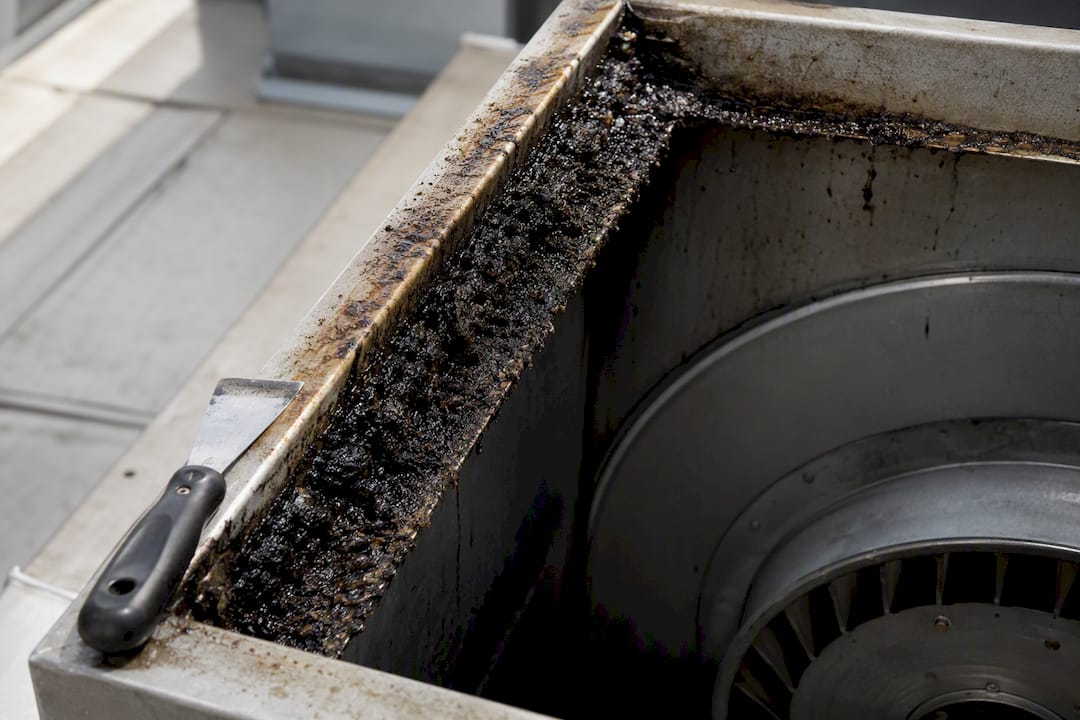
Access panel installation is billed separately when a contractor discovers ductwork with no way to reach the interior. Cutting and installing a panel is a real cost, and it's one you'd rather pay once than have added to every visit as a labor surcharge.
After-hours and emergency fees apply when you need service outside normal business hours, which many kitchens require to avoid closing during service. Expect a premium here, often structured as a flat surcharge or a higher hourly rate.
Travel or drive-time charges show up for locations far from a contractor's base, since pricing that ignores vehicle time and distance is a losing model for the contractor and gets built into the quote for outlying properties.
Repair add-ons are common once a technician is inside your ductwork. Damaged fan belts, seized dampers, or corroded duct sections often surface during a full cleaning, and a reputable contractor will document these with photos and quote the repair separately rather than bundling it invisibly into the cleaning fee.
Ask for an itemized quote up front that names each of these possibilities, even if the answer is "not applicable to your system." A one-line flat number hides exactly the details you need to compare bids fairly.
Hood-Only vs. Full HVAC System Cleaning: What's the Cost Difference?
Hood and filter cleaning alone is the cheapest option on paper, often 30 to 50 percent less than a full-system job, because it covers only what's visible from the kitchen floor. It's also the option most likely to fail a fire marshal inspection, since it leaves the vertical duct run and rooftop fan housing untouched.
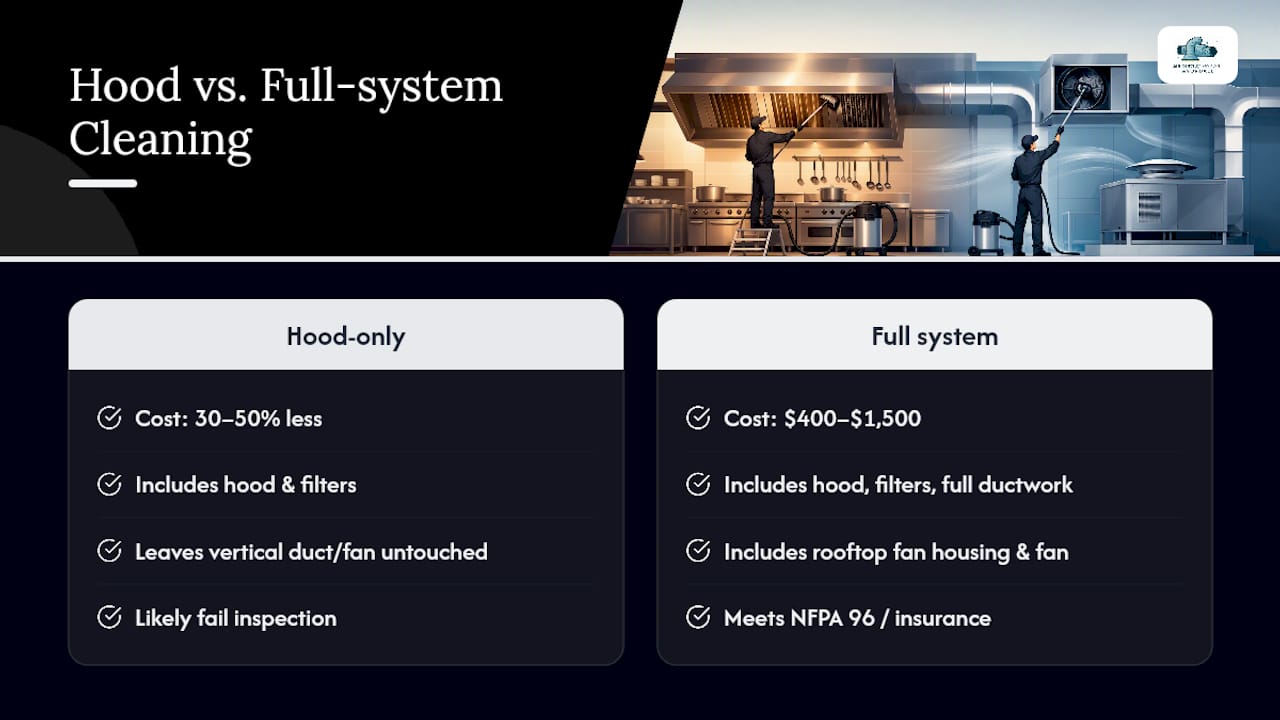
A complete NFPA 96-compliant cleaning covers the hood interior and exterior, all filters, the full ductwork to the rooftop fan housing, the fan itself, and a grease containment check, with before-and-after photos and a written report documenting the work. This is the version that satisfies insurance requirements and local fire code, and it's priced accordingly, landing in the $400 to $1,500 ranges discussed earlier depending on system size.
There's a middle tier some contractors offer: duct-only or fan-only service, typically used between full cleanings on high-volume kitchens that need extra attention on one component without a full system strip. This costs less than a complete cleaning but more than a hood-only wipe, and it should never substitute for your scheduled full-system service under NFPA 96. If a bid separates "hood cleaning" from "duct cleaning" as optional add-ons, read the fine print. What sounds like a discount is often just the canopy-only shortcut priced to look like savings, and it won't pass inspection as full compliance.
Budgeting for Cleaning Comes Down to One Decision
Pick your NFPA 96 frequency tier first. Everything else, the annual budget, the vendor comparison, the contract negotiation, flows from that one decision. Once you know whether you're a monthly, quarterly, semiannual, or annual kitchen, multiply the midrange per-visit number for your system size and you have a number finance can actually plan around.
I'd rather see an operator pay a fair, documented price than chase the lowest bid and gamble on a canopy-only job that fails inspection. Insured, certified, photo-documented service costs more up front and less over three years. Properly cleaned systems can improve airflow by up to 46 percent, which isn't just a compliance number. It's lower energy costs and a kitchen that doesn't overheat during a Friday night rush.
— Shaun
Request a Restaurant HVAC Cleaning Estimate in Avondale
For accurate commercial cleaning estimates, some providers build quotes around an on-site inspection rather than offering flat rates without site visits. That's the gap between the canopy-only bids discussed above and a scope you can hand to your fire marshal without worry.
Air Duct and Dryer Vent Cleaning Avondale's commercial air duct cleaning service covers hood interiors, filters, full duct runs, and vent work, with flexible scheduling for kitchens that can't shut down during service hours. An estimate includes the on-site inspection, a written scope, before-and-after photos, and a service certificate you can file for your next inspection. If a walkthrough turns up damaged access panels or ductwork needing repair, that work is scoped separately through the full services page rather than buried in the cleaning invoice.
Request an on-site estimate through the commercial service page and get a documented scope before you commit to a provider.
Sources
- Commercial Hood Cleaning Cost (2026 DMV Guide)
- Kitchen Exhaust Cleaning: Requirements, Cost, and Finding a Pro | GTL
- How to Price a Hood Cleaning Job (2026 Guide)
- Kitchen exhaust, grease duct and NFPA 96 field guide
FAQ
How Much Does Restaurant HVAC Cleaning Cost Per Visit?
Most restaurants pay $400 to $1,500 per cleaning, with single-hood systems around $400 to $600 and multi-hood systems running higher. The exact price depends on hood count, grease load, and access difficulty.
How Often Do I Need to Clean My Restaurant's Exhaust System?
Frequency depends on cooking type under NFPA 96: monthly for solid-fuel cooking, quarterly for high-volume operations like charbroilers, semiannual for moderate-volume kitchens, and annual for low-volume kitchens. An inspector can shorten your interval if grease builds up faster than expected.
Why Did My First Cleaning Cost So Much More Than Expected?
Overdue or first-time cleanings involve hardened, carbonized grease that takes significantly longer to strip to bare metal. This can raise the cost by 30 to 40 percent over a routine, on-schedule visit.
Does Air Duct and Dryer Vent Cleaning Avondale Offer Commercial Restaurant Cleaning?
Yes. Air Duct and Dryer Vent Cleaning Avondale provides commercial air duct cleaning for restaurants and other commercial properties, with on-site estimates, documented scopes, and flexible scheduling. Current pricing is available by requesting a quote directly through the site.
Can a Service Contract Lower My Annual Cleaning Cost?
Yes. Signing a recurring contract with one provider commonly reduces per-visit pricing by 10 to 15 percent compared to booking each cleaning separately, while also avoiding emergency-scheduling premiums.