
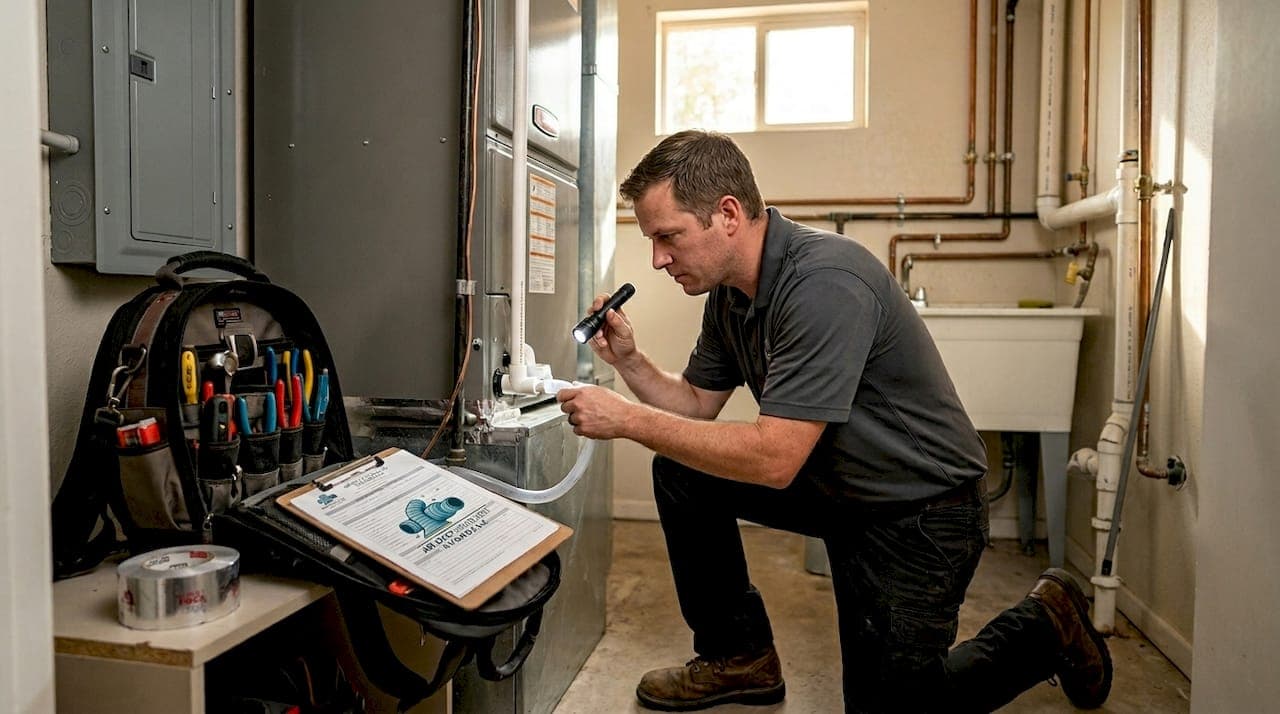
TL;DR:
- Common HVAC issues in Avondale include drain line clogs, electrical failures, and airflow restrictions.
- Proactive maintenance like filter changes and drain line cleaning prevents costly repairs and improves air quality.
- Accurate diagnosis and professional service address root causes, not just symptoms, ensuring lasting system performance.
Your HVAC system can quietly cut your indoor air quality in half and drive up your energy bills before you notice anything unusual. Most Avondale homeowners blame summer heat or dusty winds for stuffy rooms and high utility costs, never suspecting that a clogged drain line or failing capacitor is the real culprit. These hidden problems compound fast in Arizona's climate, where systems run harder and longer than almost anywhere else in the country. This guide walks you through the most frequent HVAC issues affecting Avondale homes and businesses, shows you how to spot the warning signs early, and gives you practical steps to fix or prevent them before they turn into expensive repairs.
Table of Contents
- Understanding the most common HVAC issues
- Drainage and condensate problems: The silent threat
- Electrical and control failures: Small parts, big problems
- Airflow and filter issues: Breathing easier in Avondale
- Preventing HVAC issues: Simple steps for homeowners and businesses
- Our perspective: What most guides miss about HVAC problems
- Get professional help for lasting HVAC performance
- Frequently asked questions
Key Takeaways
| Point | Details |
|---|---|
| Drainage issues are top problem | Clogged or overflowing drain lines quietly damage HVAC systems and risk indoor air quality. |
| Electrical failures cause outages | Capacitor, relay, and wiring faults are a leading cause of HVAC startup and cycling issues. |
| Airflow problems worsen dust | Dirty filters and blocked vents commonly lower efficiency and spread dust indoors. |
| Maintenance prevents most trouble | Simple regular steps like filter changes and drain checks quickly reduce costly breakdowns. |
Understanding the most common HVAC issues
HVAC problems are not just uncomfortable. They cost you money, shorten your system's life, hurt your indoor air quality, and in some cases create real health risks for your family or employees. In Avondale, where air conditioning runs almost nine months a year, even a modest inefficiency compounds into hundreds of dollars in wasted energy. Understanding which problems show up most often gives you a real advantage.
The top categories of HVAC trouble that local technicians see again and again include:
- Condensate drainage failures (clogged drain lines, overflowing pans, water pooling near the unit)
- Electrical and control component failures (bad capacitors, tripped breakers, faulty wiring)
- Airflow restrictions (dirty filters, blocked vents, collapsed or leaking ducts)
- Refrigerant issues (low charge, leaks, which are often misdiagnosed when the real cause is airflow or drainage)
- Thermostat inaccuracies (misreads, calibration drift, and smart control malfunctions)
Condensate system failures are frequent practical issues that can harm equipment and your indoor conditions in ways you might not connect to the HVAC system at first. You might notice a musty smell and assume it's the outdoor air. Meanwhile, a slow drain-line clog is growing mold inside your air handler.
Electrical and control problems can prevent HVAC components from starting correctly or contribute to short-cycling and unpredictable behavior that's hard to trace without proper diagnostics.
Avondale's climate makes all of this worse. Intense heat forces systems to cycle more frequently, which accelerates wear on electrical components. Dust from desert winds clogs filters faster than in humid climates. The result is that systems here need more frequent attention, not less.
Pro Tip: If you hear unusual noises like clicking, humming, or banging, notice weak airflow from vents, or see uneven temperatures room to room, don't wait weeks to investigate. These are early signals, and catching them fast almost always means a cheaper fix. Refer to this Avondale HVAC system repair guide for a deeper look at what each symptom typically means.
Looking into HVAC cleaning services and focusing on improving HVAC efficiency are two of the most impactful starting points for any Avondale property owner dealing with recurring HVAC frustrations.
Drainage and condensate problems: The silent threat
Your HVAC system removes humidity from indoor air as it cools your space. That moisture has to go somewhere. It drips off the evaporator coil into a condensate pan, then flows out through a drain line. Simple in theory. In practice, that drain line is a perfect environment for algae, biofilm, and debris to build up over time, especially during Avondale's seasonal humidity spikes.
When the drain clogs, water backs up into the pan. The pan overflows. Water pools near your air handler, soaks into drywall, and creates conditions where mold thrives. You might not see it happening until the damage is already done.
Here's a comparison of what happens when condensate systems are ignored versus properly maintained:
| Condition | Ignored system | Maintained system |
|---|---|---|
| Drain line status | Clogged with algae/debris | Clear and flowing freely |
| Pan condition | Overflowing or stained | Clean and dry |
| Mold risk | High | Low |
| Equipment damage risk | Significant | Minimal |
| Indoor air quality | Musty, poor | Fresh, healthy |
| System lifespan | Shortened | Extended |
Drain-line clogs, algae buildup, and pan overflow are frequent and risky, leading to equipment problems and water damage that can run into thousands of dollars if left alone.
One important insight worth knowing: frozen coils are not always a refrigerant problem. A blocked drain line restricts airflow and moisture removal, which can cause the coil to ice over. Many homeowners pay for refrigerant service when what they actually needed was a drain line cleaning. Learning how to maintain AC drain lines is a genuinely useful skill for any homeowner here.
Here are the most effective steps to prevent drain problems:
- Pour a cup of distilled white vinegar into the drain line access point every 1-3 months to kill algae
- Check the condensate pan monthly for standing water or discoloration
- Keep the area around your air handler clear so overflow is visible
- Schedule professional cleaning if you notice musty smells or slow drainage
- Ask your technician about preventing drain line clogs with a float switch that shuts the system down before overflow occurs
If you want to stay ahead of drainage issues, schedule HVAC cleaning before peak cooling season, ideally in early spring.
Electrical and control failures: Small parts, big problems
Besides water and drainage, another common source of HVAC frustration stems from the system's electrical and control components. These are the parts most people never think about until the system stops working entirely.
Capacitors, contactors, relays, circuit breakers, and wiring connections are all responsible for starting your system, keeping it running, and shutting it down safely. When any one of them fails, the symptoms can look mysterious. Your system might click but not start. It might run for five minutes and then shut off for no obvious reason. It might trip your breaker every time the temperature hits a certain point.
Electrical failures including bad capacitors, contactors, and wiring cause start-up and operational problems that are frustrating to troubleshoot without proper equipment. These faults account for a significant portion of all HVAC service calls, and they're far more common in hot climates where components age faster under constant heat stress.
If your system is acting up, here are safe steps you can take before calling a technician:
- Check your circuit breaker. Reset it once if it has tripped. If it trips again immediately, stop and call a pro.
- Inspect your thermostat. Replace the batteries. Make sure the settings are correct. Check that it's reading your room temperature accurately.
- Look at your air filter. A severely clogged filter can cause a system to overheat and shut down on safety switches.
- Listen for clicking sounds. Repeated clicking on startup often means a failing capacitor trying to engage.
- Call a licensed technician. If the issue persists after these checks, do not try to access electrical components yourself.
Pro Tip: Many mysterious HVAC problems trace directly to aging capacitors and loose wire connections, not to compressors or refrigerant. Capacitors cost far less to replace than major components, and catching a weak one early prevents a breakdown on the hottest day of the year. Understanding efficient HVAC system features can also help you evaluate whether your system's control setup is working in your favor or against it.
Airflow and filter issues: Breathing easier in Avondale
With water and electrical issues covered, airflow problems and dirty filters form the next big group of HVAC troubles, and they are especially persistent in Avondale's dusty, dry conditions. The air here carries fine particulates that clog filters faster than national averages suggest, meaning standard filter replacement intervals often fall short for local homeowners.
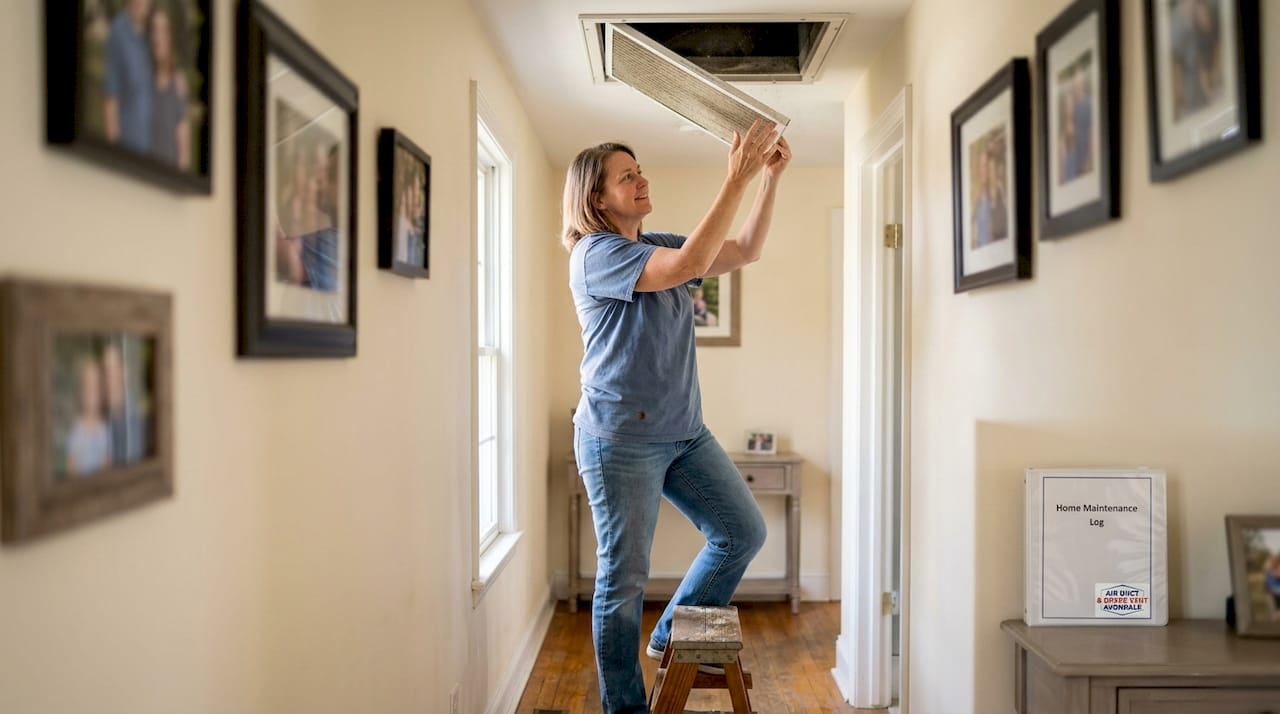
When airflow is restricted, your system has to work harder to move the same amount of conditioned air. The result is uneven temperatures, higher energy bills, and strain on every mechanical component in the system.
Common signs of airflow problems include:
- Hot or cold spots in certain rooms that don't respond to thermostat adjustments
- Dusty buildup around vents even after recent cleaning
- Slow or weak airflow from registers
- System running longer cycles than usual
- Unusually high electricity bills in summer months
Here is a practical comparison of DIY versus professional approaches to airflow and filter issues:
| Task | DIY approach | Professional service |
|---|---|---|
| Filter replacement | Effective every 1-3 months | Also inspects filter housing and fit |
| Vent cleaning | Surface wipe down only | Full duct interior cleaning and inspection |
| Identifying blockages | Visual check of registers | Camera inspection of duct interiors |
| Mold detection | Not possible without testing | Included in quality service |
| Results | Temporary improvement | Lasting improvement with documentation |
One important nuance worth knowing: coil freezing complaints are often a symptom of airflow restriction, not a direct refrigerant leak. A clogged filter or blocked duct reduces airflow across the coil, causing it to drop below freezing and ice over. Many property owners pay for refrigerant service when a simple filter swap or ductwork repair for indoor air quality would have solved the problem.
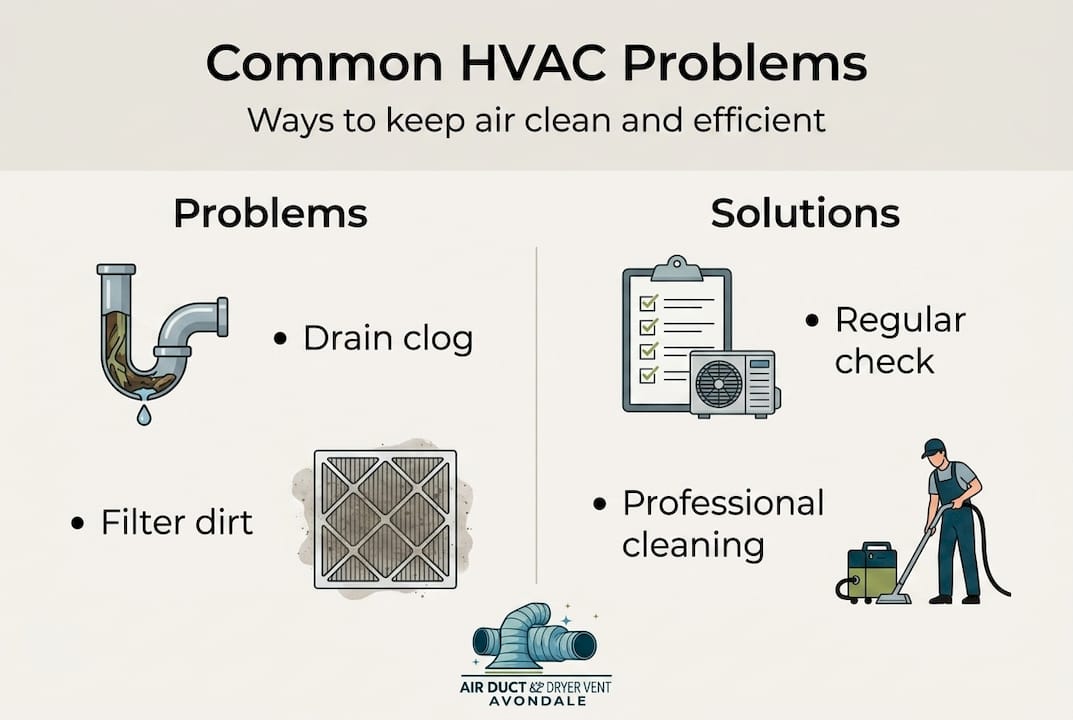
For filter selection, check out choosing HVAC filters to find the right MERV rating for Avondale's specific air conditions without over-restricting your system's airflow.
Preventing HVAC issues: Simple steps for homeowners and businesses
Knowing the top issues is only half the battle. Here is how Avondale system owners can act to prevent frustrations and expenses before they start. Prevention in this climate is not optional. It is the difference between a system that lasts 15 years and one that gives out in 10.
Here is a maintenance sequence that keeps your system in reliable shape year-round:
- Change filters every 30-60 days. In Avondale, monthly changes are realistic during peak season. Dusty conditions clog filters faster than the manufacturer's generic schedule suggests.
- Flush your condensate drain line every 1-3 months. Vinegar or a diluted bleach solution keeps algae from establishing in the line.
- Inspect your drain pan monthly during cooling season and after every major dust storm.
- Check thermostat accuracy twice a year. Electrical connection checks and thermostat calibration are essential parts of maintenance troubleshooting that prevent ghost problems and wasted energy.
- Clear the outdoor unit of debris, dust buildup, and vegetation at least once a month during spring and summer.
- Schedule a professional inspection in early spring before the heavy cooling season begins, and again in fall.
Pro Tip: A smart thermostat is not just convenient. It tracks runtime patterns and flags unusual behavior, like a system cycling too often, before the problem gets serious. This low-cost upgrade can alert you to developing electrical or airflow issues weeks before a breakdown.
For a solid reference on what you can handle yourself versus what needs a licensed technician, this HVAC DIY maintenance guide is worth bookmarking. When recurring issues appear despite regular DIY care, it is time to explore professional HVAC cleaning benefits, which go well beyond what surface-level maintenance can accomplish.
Our perspective: What most guides miss about HVAC problems
Most HVAC articles tell you to change your filter and call a technician if something sounds wrong. That is not wrong advice, but it skips the harder truth: the most damaging HVAC problems in Avondale are almost never the obvious ones.
When a system freezes up, most people assume refrigerant. When it smells musty, people assume outdoor air. When bills spike, people blame the heat. These assumptions keep homeowners stuck in a cycle of treating symptoms while the real cause, whether it is a partially blocked duct, a slow-draining condensate pan, or a failing capacitor, continues doing damage underneath.
We have seen this pattern repeatedly with local properties. A business owner replaces a compressor that did not actually need replacing, because no one looked at the drain pan sitting full of stagnant water below it. A homeowner pays for refrigerant three summers in a row, when the real issue was a collapsed flex duct reducing airflow to one side of the house.
The fix is not always expensive. But it does require diagnosis, not just a guess. Working with a pro who checks HVAC sanitizing and air quality factors alongside mechanical components gives you a full picture, not just a patch. And reviewing evaporator coil cleaning steps as part of seasonal maintenance can reveal hidden contamination driving both efficiency loss and air quality complaints.
Address the cause. Not just the symptom. That one shift in thinking will save you more money and stress than any single repair ever could.
Get professional help for lasting HVAC performance
If you're ready to stop chasing HVAC trouble and start breathing easier, local professional service makes the biggest difference in Avondale's demanding climate.
At Air Duct and Dryer Vent Cleaning Avondale, we address the root causes behind chronic airflow, drainage, and air quality concerns, not just the surface symptoms. Our commercial air duct cleaning service removes the buildup that restricts airflow and harbors allergens in business properties. For homes, air vent cleaning restores proper circulation and reduces the dust load your filters have to manage every day. If you are unsure what's really in your air, our indoor air quality testing gives you data, not guesswork. We offer flexible scheduling and personalized service for Avondale homeowners and businesses ready to invest in lasting comfort and efficiency.
Frequently asked questions
What is the most common cause of HVAC failure in Avondale?
Condensate drain-line clogs and related water issues are among the most frequent causes of HVAC failure in Avondale homes and businesses, often leading to mold growth and equipment damage before the homeowner notices anything.
How can you tell if your HVAC system has an electrical problem?
If your system won't start, cycles on and off rapidly, or restarts unexpectedly, you may have an electrical issue such as a failing capacitor or a loose wire connection that needs professional attention.
How often should HVAC drains and filters be checked in Avondale?
Drains and filters should be inspected every one to three months, with more frequent checks during heavy use periods or after dust storms, since frequent condensate system failures are a documented risk in conditions like Avondale's.
Are water leaks from my HVAC a sign of serious trouble?
Yes, water leaks almost always mean a condensate drain clog or pan overflow, and as drain-line clogs cause pooling and water damage risk, they need to be addressed quickly before structural or mold damage sets in.
Recommended
- Air Duct Cleaning, Dryer Vent Cleaning, HVAC Services, Avondale, AZ
- How HVAC Systems Improve Air Quality and Efficiency
- Key elements of efficient HVAC systems for clean air
- HVAC Cleaning Services: Better Air & 46% More Airflow
- AC Tips for Homeowners: Maximize Comfort & Save Energy
- Automation in HVAC: Boosting Revenue and Efficiency