
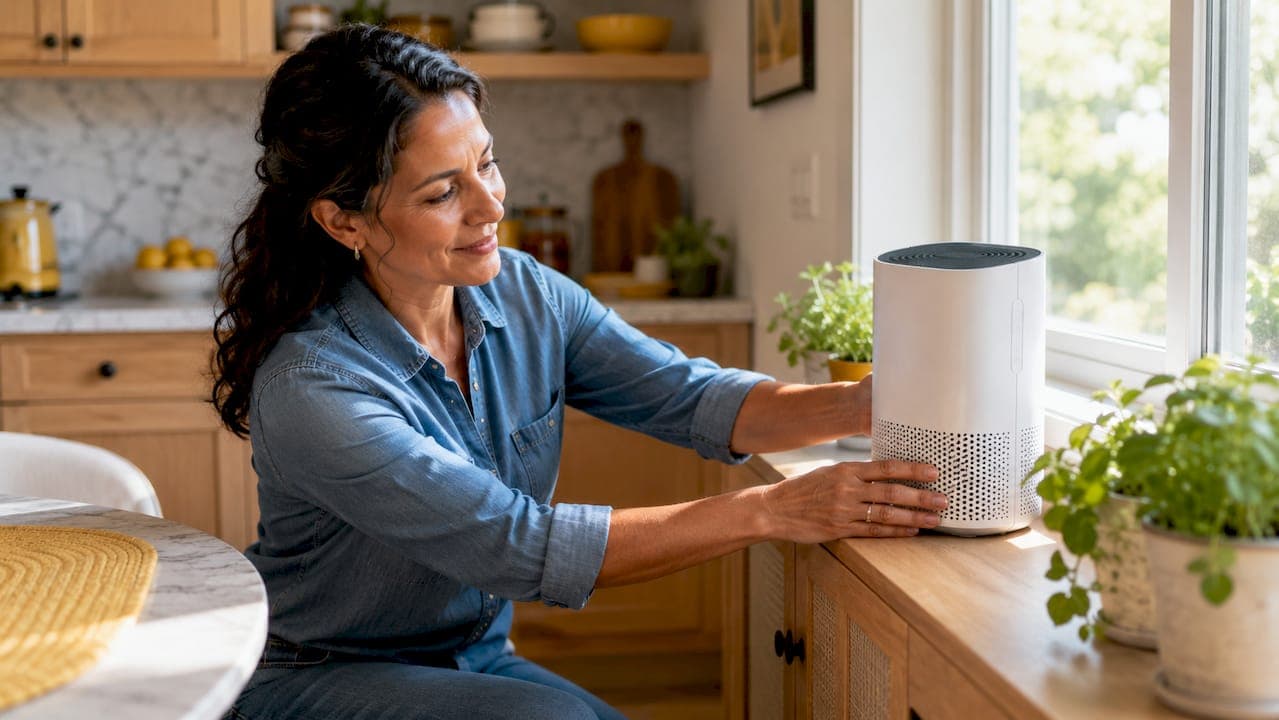
TL;DR:
- Air filtration removes airborne particles and contaminants to improve indoor air quality. Certified HEPA filters capture 99.97% of particles at 0.3 microns, making them the most reliable choice. Proper sizing, placement, and maintenance of filtration systems are essential for effective indoor air improvement.
Air filtration is the process of removing airborne particles and contaminants through physical or mechanical means to improve the cleanliness and safety of indoor air. The role of filtration in air quality is not optional for most homes and commercial buildings. Indoor pollutant concentrations run 2–5 times higher than outdoor levels, making the air inside your home or office a genuine health concern. HEPA filters, activated carbon systems, and properly maintained HVAC units are the primary tools that close that gap. This guide explains how each technology works, what the research actually shows, and how to get the most out of any filtration system you install.
How air filtration systems work to capture pollutants
Air filtration, known in the HVAC industry as particulate air cleaning, relies on forcing air through a physical medium that traps contaminants before they recirculate. Understanding the mechanism helps you choose the right system and avoid wasting money on technology that does not deliver.
Mechanical filtration: the foundation
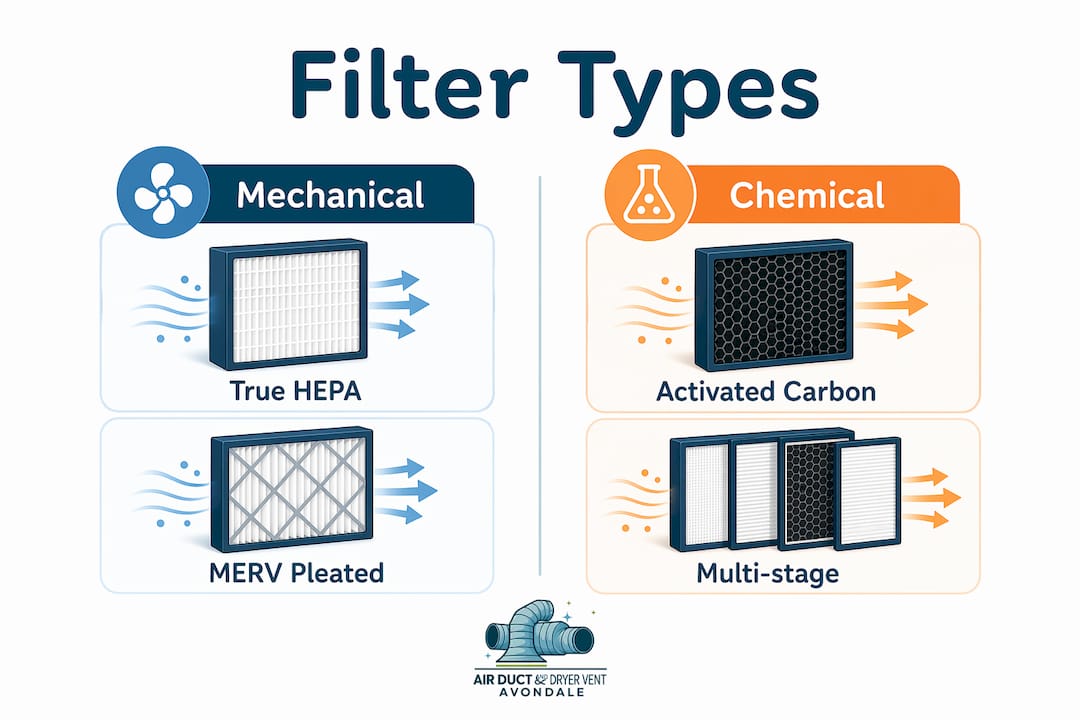
Mechanical filters work by passing air through a dense fiber matrix. Particles collide with fibers and stick. True HEPA filters are the gold standard here. Certified HEPA filters capture at least 99.97% of particles at 0.3 microns, the hardest size to trap. That includes dust mite debris, mold spores, pet dander, and fine particulate matter (PM2.5). "HEPA-like" or "HEPA-style" filters carry no certification and deliver variable, often much weaker, performance. When you see those labels on a budget unit, treat them as a warning.
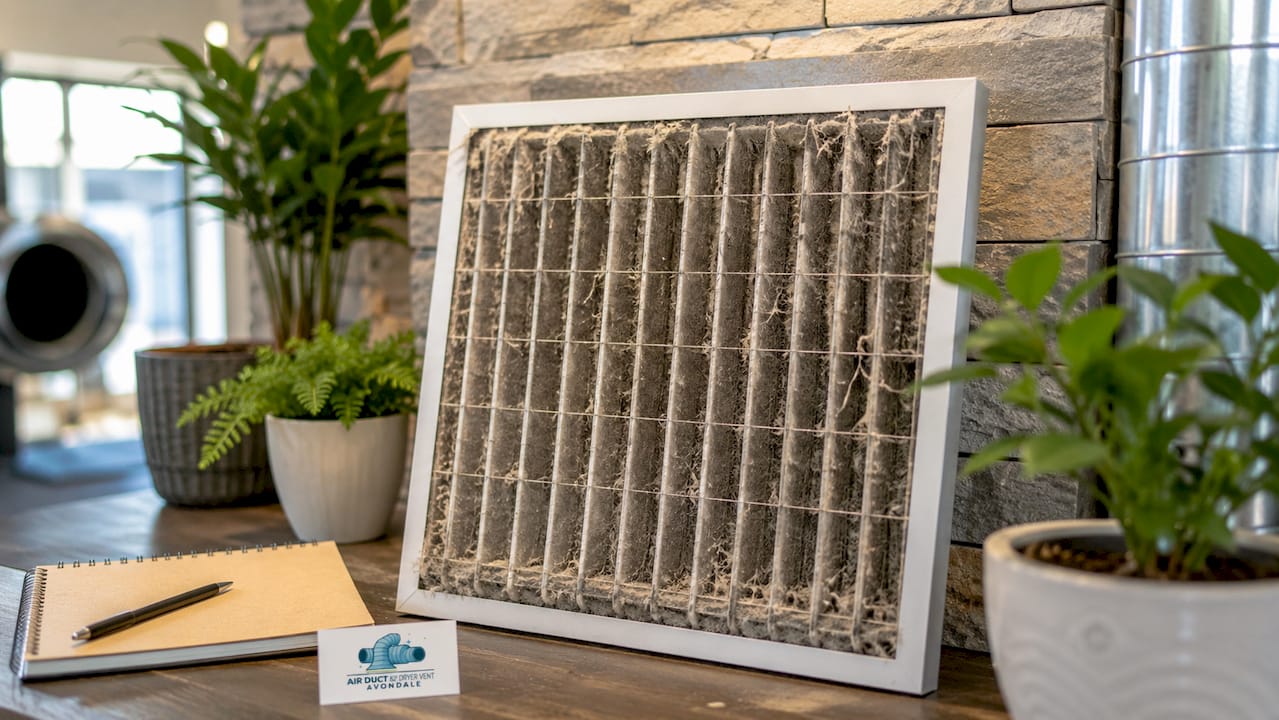
Pleated filters, rated on the MERV scale from 1 to 16, sit below HEPA in particle capture but work well in central HVAC systems where a full HEPA unit would restrict airflow too much. A MERV 11–13 filter handles most residential needs without straining the blower motor. You can explore top HVAC filter examples to match the right rating to your system.
Activated carbon and multi-stage systems
Mechanical filters trap particles but do nothing for gases, odors, or volatile organic compounds (VOCs). Activated carbon adds a second stage by adsorbing chemical molecules onto its porous surface. Quality air purifiers from brands like Blueair, Coway, and Austin Air combine True HEPA with activated carbon layers for full-spectrum coverage. The carbon stage handles cooking odors, paint fumes, and off-gassing from furniture. Without it, a HEPA-only unit leaves chemical pollutants untouched.
Technologies to avoid
Ozone-producing units such as ionizers and ozone generators pose respiratory risks and do not reliably remove airborne particles. Ozone is a lung irritant at concentrations well below the levels these devices can produce in a closed room. The California Air Resources Board has restricted the sale of ozone-generating air cleaners for exactly this reason. If a unit markets itself primarily on ions or plasma, verify it carries a California Air Resources Board certification before buying.
Pro Tip: Look for the AHAM Verifide seal on any portable air purifier. It confirms the Clean Air Delivery Rate (CADR) was independently tested, not just self-reported by the manufacturer.
| Filter type | Best for | Limitation |
|---|---|---|
| True HEPA | Particles, allergens, PM2.5 | Does not remove gases or odors |
| Activated carbon | VOCs, odors, chemical gases | Does not trap particles |
| MERV 11–13 pleated | Central HVAC systems | Lower particle capture than HEPA |
| Ionizer / ozone generator | Marketed for odors | Produces respiratory irritants |
What does the research say about filtration effectiveness?
The science on air filtration is more nuanced than most product marketing suggests. Studies confirm real benefits, but the numbers depend heavily on how and where you use the device.
PM2.5 reduction and health outcomes
Real-world HEPA use reduces indoor PM2.5 concentrations by 29%–56% when units are properly sized and maintained. That range matters. A unit that is too small for the room lands at the low end. A correctly sized unit in an open floor plan can push past 50% reduction. PM2.5 particles are the fraction most linked to cardiovascular and respiratory disease, so even a 29% reduction carries meaningful health value.
Cognitive benefits are now measurable too. A 2026 study published in Scientific Reports found that adults over 40 showed a 12% improvement in cognitive test scores after one month of using HEPA air purifiers. That improvement is comparable to the cognitive gains associated with regular aerobic exercise. The finding reframes air filtration from a comfort feature to a genuine health intervention.
Why lab ratings overestimate real-world performance
CADR values are measured in a sealed, empty test chamber. Your living room is not a sealed, empty test chamber. Real-world performance depends on airflow patterns, room geometry, furniture placement, and how many people are moving through the space. A unit rated for 400 square feet in a lab may effectively clean only 280–300 square feet in a furnished bedroom with a door that opens and closes frequently.
The EDIAQI project, a European multi-site study on portable air purifier performance, confirmed that lab CADR metrics consistently overestimate real-world cleaning capacity. This does not mean CADR is useless. It means you should size up, not down, when selecting a unit.
Pro Tip: When sizing a portable purifier, use the manufacturer's CADR rating for a room 20%–30% smaller than your actual space. That buffer accounts for real-world airflow losses.
| Metric | Lab condition | Real-world condition |
|---|---|---|
| PM2.5 reduction | Up to 56% | 29%–56% depending on sizing |
| Effective coverage | Per CADR rating | 20%–30% less than rated |
| Cognitive improvement | Controlled study | 12% gain in adults 40+ after 1 month |
| Filter lifespan | Manufacturer estimate | Shorter in high-pollution or high-traffic spaces |
Factors that determine your actual results
Room size is the biggest variable, but it is not the only one. Efficacy depends on how well the device fits the room's airflow and occupant activity patterns. A purifier running on low speed in a corner of a large open kitchen will do far less than the same unit running on high in a bedroom with the door closed. Occupant behavior, cooking, cleaning, and foot traffic all generate fresh particle loads that a correctly placed unit can address in real time.
Common limitations and misconceptions about air filtration
Air filtration is powerful, but it is not a complete solution on its own. Several persistent misconceptions lead homeowners to either over-rely on their purifier or give up on it entirely after disappointing results.
-
Filtration supplements ventilation, it does not replace it. HEPA filtration works best as one layer in a broader indoor air quality strategy that includes source control and adequate fresh air exchange. Opening windows when outdoor air quality permits, using exhaust fans in kitchens and bathrooms, and sealing off pollution sources all reduce the burden on your filter.
-
HEPA filters cannot remove settled dust. Settled particles on floors, furniture, and bedding require vacuuming and manual cleaning. A HEPA purifier only captures particles while they are airborne. Disturbing settled dust during cleaning temporarily spikes airborne particle counts, which is why running your purifier on high during and after vacuuming makes sense.
-
Undersized units create a false sense of security. A 150-square-foot-rated purifier in a 400-square-foot living room runs constantly but never achieves meaningful air changes per hour. The unit works hard, the filter clogs faster, and the air quality improvement is marginal.
-
Poor placement kills performance. Devices placed in corners or behind furniture have sharply reduced air circulation and cleaning effectiveness. The unit recirculates the same small pocket of air rather than drawing from the full room.
-
Skipping filter changes reverses your gains. Saturated filters reduce particle capture and can restrict airflow enough to damage the motor. Replacement every 6–12 months is the standard guideline, though households with pets or high dust loads may need changes every 4–6 months.
How to choose and maintain a filtration system for clean air
Selecting the right system and keeping it running well separates households that see real air quality improvement from those that spend money on equipment that underperforms.
1. Size the unit correctly
Match the purifier's CADR rating to your room volume, not just square footage. A room with 10-foot ceilings holds 25% more air than the same footprint with 8-foot ceilings. Use a 2026 sizing guide to calculate the air changes per hour your unit delivers. The EPA recommends at least 4–6 air changes per hour for meaningful particle reduction in occupied spaces.
2. Place the unit strategically
Put the purifier in the room where you spend the most time, typically the bedroom or main living area. Position it at least 18 inches from walls and furniture to allow unrestricted airflow on all sides. In open-plan spaces, place the unit near the primary pollution source, such as the kitchen, rather than in a far corner.
3. Run it consistently
Air purifiers work by continuously cycling room air. Running a unit only when you notice dust or odors means the air has already been compromised. Set the unit to run at a medium speed continuously, and increase to high during cooking, cleaning, or when outdoor air quality is poor. Many modern units from brands like Dyson, Levoit, and Winix include auto modes that adjust fan speed based on real-time particle sensors.
4. Replace filters on schedule
Filter replacement every 6–12 months keeps capture efficiency high and protects the motor. Replacement filters typically cost $20–$100 depending on the brand and filter type. Mark your calendar or set a reminder when you install a new filter. For guidance on maintaining HEPA filters between replacements, including pre-filter vacuuming and housing cleaning, follow a structured maintenance schedule.
Pro Tip: In Avondale, Arizona, desert dust and construction activity accelerate filter loading. Check your pre-filter monthly and vacuum it gently to extend the life of the main HEPA layer.
5. Integrate filtration with your HVAC system
Portable purifiers handle individual rooms well, but your central HVAC system moves air through the entire building. Upgrading to a MERV 13 filter in your air handler and scheduling regular air duct cleaning removes the accumulated dust and debris that recirculates every time the system runs. For commercial spaces, this integration is not optional. A single portable unit cannot address the air volume of an office, retail space, or medical facility. Central filtration upgrades paired with duct maintenance deliver building-wide results.
Key takeaways
Effective air filtration requires the right filter technology, correct sizing, strategic placement, and consistent maintenance working together as a system.
| Point | Details |
|---|---|
| True HEPA is the standard | Only certified HEPA filters guarantee 99.97% particle capture at 0.3 microns. |
| Indoor air is measurably worse | Indoor pollutant levels run 2–5 times higher than outdoor levels without active filtration. |
| Sizing and placement determine results | A correctly sized unit in an open position outperforms an oversized unit in a corner. |
| Filtration is one layer, not the whole solution | Combine filtration with manual cleaning, ventilation, and source control for best results. |
| Filter maintenance is non-negotiable | Replacing filters every 6–12 months preserves capture efficiency and protects equipment. |
Why I think most people are using their air purifier wrong
I have walked through hundreds of homes and commercial spaces in Avondale over the years, and the pattern is almost always the same. There is a quality air purifier sitting in the corner of a room, tucked behind a couch or a filing cabinet, running on low speed, with a filter that has not been changed in two years. The owner bought it after a health scare or a bad allergy season, felt slightly better for a few weeks, and then forgot about it.
The analogy I keep coming back to is food quality. You would not eat food that sat out for two years and expect it to nourish you. Air is no different. You breathe roughly 11,000 liters of it every day. Most Americans spend about 90% of their time indoors. The quality of that air is not a background concern. It is a front-line health variable.
What I have found actually works is treating filtration as a system, not a product purchase. The filter is one component. The duct work it connects to, the ventilation strategy of the building, and the manual cleaning habits of the occupants are the other components. A $400 purifier in a home with filthy ducts and no regular vacuuming routine will underperform a $150 unit in a clean, well-maintained space every single time.
The 2026 cognitive research linking HEPA use to a 12% improvement in mental performance for adults over 40 should be a public health headline. It is not. That gap between what the science shows and what most people know is exactly why I think air filtration deserves the same cultural weight as diet and exercise. The technology works. The problem is almost always execution.
— Shaun
Clean air starts with clean ducts: how Airanddryerventcleaningavondale can help
Your air purifier can only do so much when the ducts feeding your HVAC system are coated in years of dust, allergens, and debris. Airanddryerventcleaningavondale provides professional air duct and vent cleaning for residential and commercial properties throughout Avondale, Arizona. Clean ducts mean your filtration system works with a clean delivery network instead of fighting against a contaminated one.
For businesses managing larger spaces, Airanddryerventcleaningavondale offers commercial air duct cleaning designed to reduce airborne pollutants at scale. If you are unsure where your indoor air quality stands, an air quality test identifies the specific contaminants present and guides the right filtration and cleaning strategy for your space. Flexible scheduling, including after-hours options, makes it easy to fit service into any routine.
FAQ
What is the role of filtration in air quality?
Air filtration physically removes airborne particles, allergens, and contaminants from indoor air by passing it through a filter medium. This process directly reduces concentrations of dust, mold spores, pet dander, and PM2.5 particles that cause respiratory and cardiovascular health problems.
How effective are HEPA filters at reducing indoor pollution?
True HEPA filters reduce indoor PM2.5 concentrations by 29%–56% in real-world conditions when properly sized and maintained. Certified units capture 99.97% of particles at 0.3 microns, making them the most reliable option for particulate removal.
Do air purifiers help with health beyond just cleaner air?
Yes. A 2026 study found that adults over 40 using HEPA purifiers for one month showed a 12% improvement in cognitive test scores. That result places air filtration alongside exercise as a measurable contributor to brain health.
How often should I replace my air filter?
Replace filters every 6–12 months under normal conditions. Homes with pets, high dust loads, or desert environments like Avondale, Arizona may need replacement every 4–6 months to maintain full capture efficiency and protect the unit's motor.
Can an air purifier replace ventilation in my home?
No. Filtration supplements ventilation but does not replace it. Fresh air exchange dilutes gaseous pollutants and CO2 that filters cannot remove. The most effective indoor air quality strategy combines filtration, regular ventilation, and source control together.