
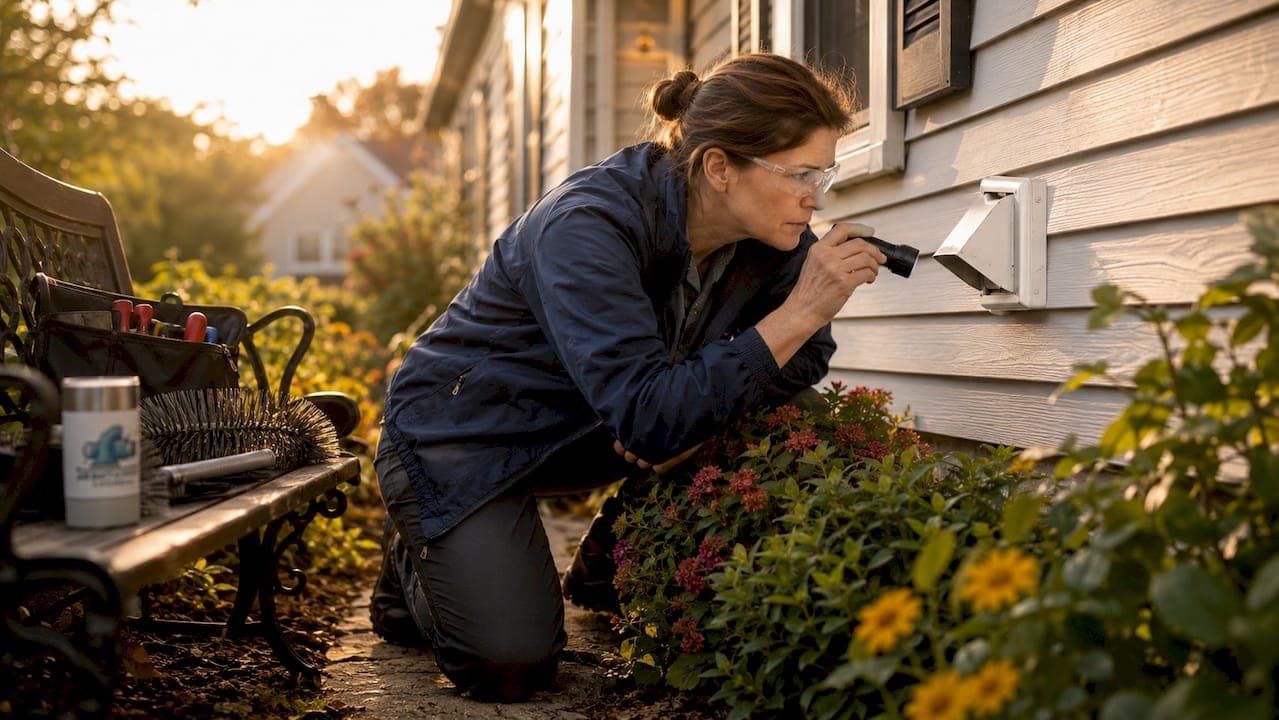
TL;DR:
- Regular vent inspections are essential for fire prevention, indoor air quality, and energy efficiency in homes. They identify hazards like lint buildup, mold risks, and duct damage before they cause costly or dangerous outcomes. Routine checks, both DIY and professional, help ensure ventilation systems work properly and safeguard property and health.
Regular vent inspections are defined as scheduled evaluations of your home's ventilation systems to confirm safe operation, adequate airflow, and acceptable indoor air quality. The role of regular vent inspections covers three core outcomes: fire prevention, healthier air, and lower energy costs. The U.S. Fire Administration reports that dryer fires cause about 2,900 home fires annually, with 34% linked directly to failure to clean dryer exhaust ducts. ASHRAE Standard 180-2018 sets minimum inspection frequencies for HVAC systems and requires documented maintenance schedules. Skipping inspections does not just risk comfort. It risks your property and your family's health.
What role do regular vent inspections play in home safety?
Regular vent inspections catch hazards before they become emergencies. The most common and dangerous hazard is lint buildup inside dryer exhaust ducts. Lint is highly flammable, and it accumulates with every load of laundry. The U.S. Fire Administration identifies failure to clean as the leading cause of dryer fires, which cause roughly 2,900 home fires each year. That number represents real homes, real damage, and preventable losses.
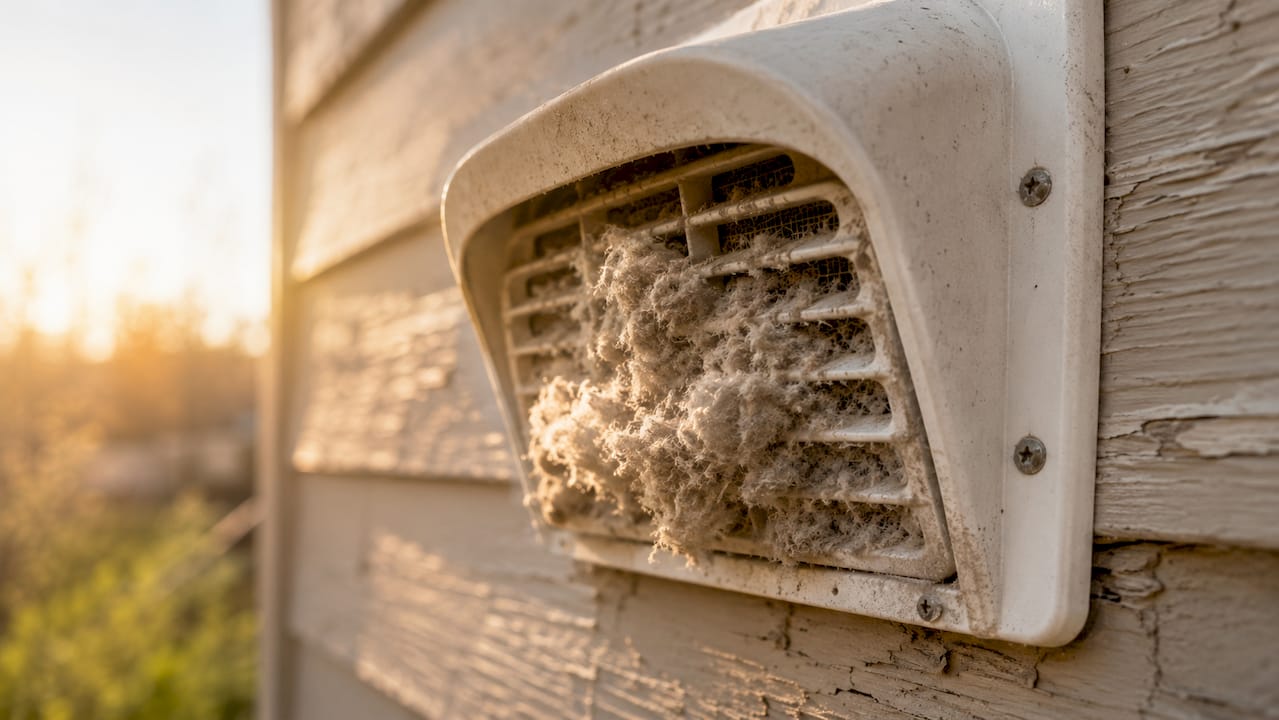
Beyond fire risk, inspections identify restricted airflow in bathroom and kitchen exhaust fans. Restricted fans trap humidity indoors, which feeds mold growth on walls, ceilings, and inside duct walls. Mold spreads quickly in Arizona's monsoon season when outdoor humidity spikes. Catching a partially blocked exhaust fan during a routine check costs nothing. Remediating mold after it spreads costs thousands.
Moisture accumulation is a third hazard inspections detect. When exhaust vents cannot push humid air outside, condensation builds inside duct walls. That moisture weakens insulation, damages drywall, and creates conditions for structural rot over time. A visual inspection of duct connections and termination points catches this early.
Signs you need a vent inspection right now:
- Clothes take more than one cycle to dry fully
- A burning or musty smell near vents or registers
- Visible dust or debris around vent covers
- Bathroom mirrors stay fogged long after a shower ends
- Increased allergy symptoms or unexplained headaches indoors
Pro Tip: Hold your hand near a dryer exhaust termination point outside while the dryer runs. You should feel a strong, warm airflow. Weak or cool airflow signals a blockage that needs professional attention.
How to conduct regular vent audits at home and in rental properties
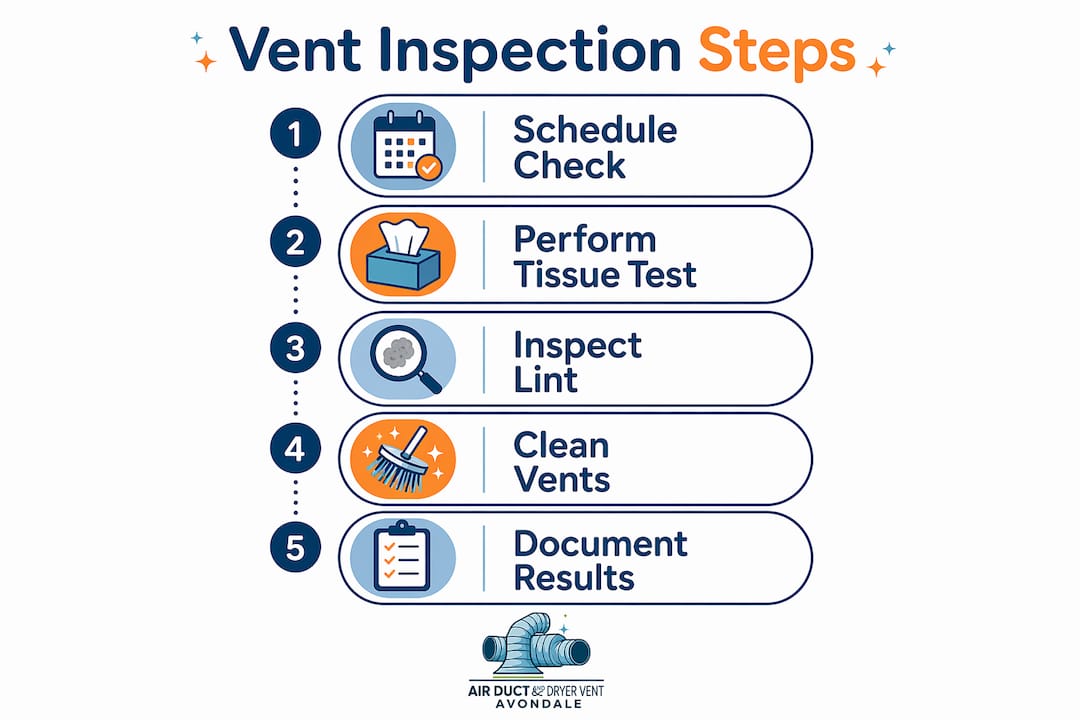
Homeowners and property managers do not need specialized tools to run a basic vent audit. A DIY ventilation audit takes about five minutes and covers the checks most likely to catch early problems. The goal is to verify that each vent system is actually moving air, not just running.
A practical vent audit follows these steps:
- Check for odors. Stand near each exhaust vent and sniff for musty, burning, or chemical smells. Any unusual odor signals a problem inside the duct or at the fan motor.
- Test exhaust fan suction. Hold a single sheet of toilet paper against each bathroom and kitchen fan grille. If the paper pulls firmly toward the grille, the fan is drawing air. If it falls or barely moves, the fan is failing.
- Inspect vent covers and grilles. Look for visible dust buildup, discoloration, or physical damage. Clogged grilles restrict airflow even when the fan motor works fine.
- Check for dampness near duct terminations. Go outside and look at where exhaust vents exit the building. Staining, rust, or moisture around the termination point indicates a sealing or airflow problem.
- Listen to the dryer exhaust. Run the dryer for two minutes and listen for rattling, which can indicate a bird nest or debris blockage inside the duct.
The tissue test is a recognized method used by property managers during routine inspections. Landlords use the tissue test to quickly check bathroom and kitchen fan suction between professional service visits. A failing tissue test indicates heavy restriction or motor failure and triggers a service call before tenants notice a problem. This approach reduces resident disruption and keeps inspection records clean.
Pro Tip: Property managers should log every tissue test result with a date and unit number. That documentation builds a maintenance history that protects you legally and helps prioritize which units need professional service first.
Annual professional inspections go deeper than any DIY check. A trained technician inspects duct routing, measures airflow rates, checks damper positions, and verifies that controls respond correctly. For dryer vents specifically, professional cleaning costs $100–$200 and includes replacing unsafe flexible vinyl duct with rigid metal duct for about $50 in materials. That cost is minor compared to a dryer fire claim.
How do vent inspections improve indoor air quality and energy efficiency?
A system that is running is not necessarily a system that is performing. Performance inspections verify airflow balance, damper positions, condensate pan conditions, and sensor accuracy. These checks confirm that your ventilation system is actually achieving its air quality goals, not just consuming electricity.
Clean, unobstructed ducts move air with less resistance. Less resistance means the fan motor works less hard, which reduces energy consumption. For homeowners in Avondale, Arizona, where HVAC systems run hard through long summers, that efficiency gain shows up directly on monthly utility bills. Dirty or partially blocked ducts force systems to run longer cycles to reach the same result.
The IRC 2018 and IRC 2024 mechanical ventilation requirements require inspections at rough-in and final stages for new construction. These inspections verify duct routing, airflow rates, and control operation. Modern tight-construction homes trap pollutants indoors far more effectively than older homes, making verified ventilation performance a health requirement, not just a comfort preference.
| Benefit | What inspections verify | Outcome without inspection |
|---|---|---|
| Fire prevention | Lint-free dryer exhaust ducts | Elevated fire risk from buildup |
| Air quality | Exhaust fan suction and airflow rates | Humidity, mold, and pollutant buildup |
| Energy efficiency | Duct sealing, damper function, airflow balance | Higher utility bills, longer run cycles |
| Moisture control | Duct termination integrity and condensate pans | Structural damage and mold growth |
| Code compliance | Airflow rates per IRC and ASHRAE standards | Failed inspections, liability exposure |
ASHRAE Standard 180-2018 requires at least two professional HVAC inspections per year for commercial systems. That standard informs best practices for multi-unit residential buildings as well. Property managers who follow this schedule catch problems before they affect multiple units simultaneously.
What inspection approaches fit different vent types?
Not every vent system fails the same way. HVAC air distribution systems, exhaust ventilation fans, and combustion vents each have distinct failure modes. Tailored checklists per vent type are necessary to catch the hazards specific to each system. A single generic checklist misses critical risks.
The table below outlines the key differences in inspection focus by system type.
| Vent system type | Primary failure modes | Key inspection checks | Recommended frequency |
|---|---|---|---|
| HVAC air distribution | Duct leaks, dirty filters, damper failure | Airflow balance, filter condition, damper response | Every 6–12 months |
| Exhaust fans (bath/kitchen) | Motor failure, grille blockage, duct disconnection | Tissue test, grille condition, duct termination | Every 3–6 months |
| Dryer exhaust duct | Lint buildup, crushed flexible duct, bird nests | Airflow at termination, duct material, lint trap | Annually or more often |
| Combustion venting | Backdrafting, corrosion, improper slope | Visual duct condition, draft test, termination clearance | Annually by a licensed technician |
Combustion vents on gas water heaters, furnaces, and dryers carry the highest safety stakes. A backdrafting combustion vent pushes carbon monoxide back into living spaces. This failure mode is invisible and odorless. Only a proper draft test during an inspection catches it. Homeowners should never skip combustion vent checks, even when the appliance appears to be working normally.
For property managers overseeing rental units, the exhaust fan category demands the most frequent attention. Tenants rarely report slow fans until the problem is severe. Between-service mini-tests, like the tissue check, give property managers advance warning without requiring ceiling access or professional visits. That early warning reduces both repair costs and tenant complaints.
The importance of vent inspections also extends to plumbing ventilation systems, which prevent sewer gases from entering living spaces through drain traps. A complete home inspection program covers all vent categories, not just HVAC and dryer ducts.
Pro Tip: After any renovation or construction work in your home, schedule a full vent inspection before moving back in. Construction debris, drywall dust, and displaced duct connections are common post-renovation problems that standard move-in checks miss.
Key takeaways
Regular vent inspections prevent fires, protect indoor air quality, and reduce energy costs by catching problems before they escalate into expensive or dangerous failures.
| Point | Details |
|---|---|
| Fire prevention is the top priority | Dryer exhaust ducts cause 2,900 home fires annually; annual cleaning and inspection cuts that risk directly. |
| DIY audits take five minutes | The tissue test and a visual check of vent covers give homeowners early warning between professional visits. |
| Performance matters more than operation | A running system is not a performing system; inspections verify airflow, damper function, and sensor accuracy. |
| Vent type determines inspection focus | HVAC ducts, exhaust fans, dryer vents, and combustion vents each fail differently and need tailored checks. |
| Documentation protects property managers | Logged inspection records support maintenance prioritization and provide legal protection in rental properties. |
What I've learned from years of watching homeowners skip vent checks
Most homeowners I talk to assume their vents are fine because their dryer runs and their bathroom fan makes noise. That assumption is the most expensive mistake in home maintenance. A fan motor can spin at full speed while pushing almost no air through a clogged or disconnected duct. The noise is reassuring. The performance is not there.
The second oversight I see constantly is treating vent inspections as a one-size-fits-all task. Homeowners check the dryer lint trap and consider the job done. They never look at the exhaust duct termination outside, never test the bathroom fan suction, and never think about combustion venting on their water heater. Each of those systems fails differently. Each requires its own check.
Property managers face a different version of the same problem. They schedule professional HVAC service once a year and assume that covers everything. It does not. Exhaust fans in individual units degrade between service visits. The tissue test takes ten seconds per unit. Running that test quarterly and logging the results catches failing fans months before tenants complain and before moisture damage sets in.
The cost argument for regular inspections is straightforward. A professional dryer vent cleaning costs $100–$200. A dryer fire costs far more in property damage, insurance claims, and potential liability. An annual inspection is not an expense. It is the cheapest insurance you can buy for your home's ventilation systems. Start with a dryer vent inspection if you have not had one in the past year.
— Shaun
Professional vent inspection and cleaning services in Avondale, AZ
Airanddryerventcleaningavondale provides professional vent inspection and cleaning services for homeowners and property managers throughout Avondale, Arizona. Whether you need a full air duct and vent cleaning or a targeted dryer vent service, the team brings the tools and expertise to verify actual performance, not just operational status.
Airanddryerventcleaningavondale covers dryer vents, HVAC air ducts, exhaust fans, and commercial air duct systems with flexible scheduling, including after-hours appointments. Every service includes a performance check, not just a cleaning pass. If your last vent inspection was more than a year ago, or if you have never had one, contact Airanddryerventcleaningavondale to schedule a visit and get a clear picture of your home's ventilation health.
FAQ
How often should homeowners inspect their vents?
Homeowners should perform a basic DIY ventilation audit at least once a year, checking for odors, dampness, and exhaust fan suction. Dryer exhaust ducts need professional inspection and cleaning at least annually, and more often in high-use households.
What is the tissue test for vent inspections?
The tissue test involves holding a sheet of toilet paper against an exhaust fan grille while the fan runs. Strong suction that pulls the paper toward the grille indicates the fan is working; paper that falls or barely moves signals a blockage or motor failure requiring service.
What are the signs you need a vent inspection?
Key signs include clothes taking multiple cycles to dry, musty or burning smells near vents, visible dust around vent covers, persistent indoor humidity, and worsening allergy symptoms indoors. Any one of these warrants an immediate inspection.
Does a running HVAC system mean the vents are fine?
No. A system that is running is not necessarily performing correctly. Performance inspections check airflow balance, damper function, condensate pan condition, and sensor accuracy, all of which can fail while the system continues to operate.
How do vent inspections affect indoor air quality?
Clean, unobstructed vents remove humidity, allergens, and pollutants from indoor air. Blocked or failing vents trap those contaminants indoors, raising pollutant levels and creating conditions for mold growth, which directly harms occupant health.