
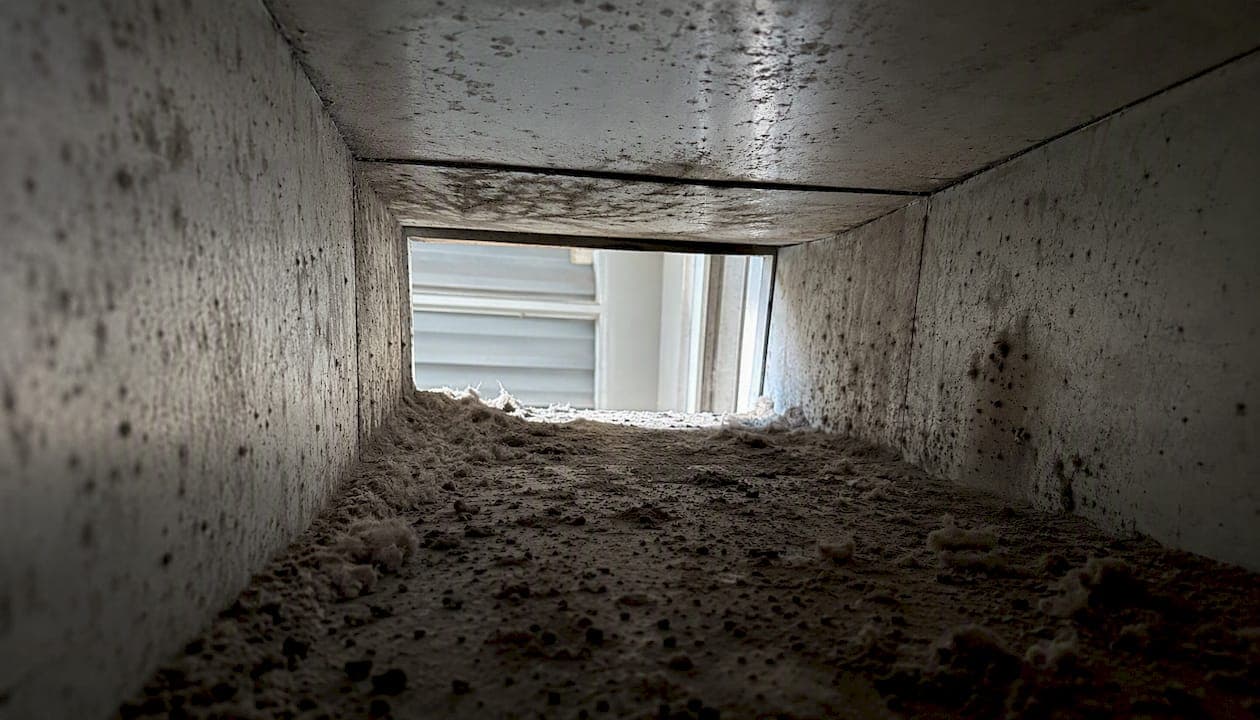
Most air duct contamination falls into two categories: the kind that's annoying and the kind that's genuinely dangerous. Routine light dust sitting on duct surfaces is rarely a health driver on its own. The EPA is direct about this: duct cleaning has not been shown to consistently prevent health problems, and most household pollutants come from cooking, pets, and daily movement rather than duct surfaces. But certain contaminants found inside ductwork are a different story entirely.
The top air duct hazards that warrant immediate action are:
- Mold and microbial growth (especially in humid climates or after water intrusion)
- Pest droppings and nesting materials (rodents, insects)
- Asbestos or transite duct materials in homes built before the 1970s
- Sewage or soil gas intrusion in slab-on-grade duct runs near sewer lines
- Chemical, biological, or radiological residues from prior property uses
- Blocked airflow from heavy debris accumulation
If you suspect any of these, here are three steps to take right now:
- Do a visual check at every register. Look for dark staining, visible debris, insect activity, or unusual odors.
- Stop any DIY cleaning immediately if you see mold, droppings, or suspect asbestos-era materials.
- Call a qualified professional for testing or remediation before running the HVAC system further.
Key Takeaways
Dirty ducts are not automatically a health crisis, but specific contaminants require immediate professional action rather than a wait-and-see approach.
| Point | Details |
|---|---|
| Routine dust is low risk | EPA evidence shows light duct dust rarely causes illness; cleaning is not proven to prevent respiratory disease. |
| High-risk hazards need pros | Mold, pest droppings, asbestos, sewage gases, and chemical residues require specialist assessment, not DIY cleaning. |
| Fix the source first | Cleaning without repairing the moisture or pest entry source leads to rapid re-contamination. |
| Fiberglass liners often need replacement | Wet or moldy fiberglass duct liner cannot be reliably decontaminated; replacement is the recommended standard. |
| Airanddryerventcleaningavondale | Provides inspection-first duct cleaning, replacement, and air quality testing for Avondale, AZ homeowners. |
Table of Contents
- What are the top air duct hazards hiding in your ductwork?
- Do dirty air ducts actually make people sick?
- When is duct cleaning actually justified?
- Which hazards require specialists, not a standard cleaning crew?
- How does professional duct cleaning actually work?
- Why DIY duct cleaning often makes things worse
- How to prevent duct contamination before it starts
- What does professional duct cleaning and remediation cost?
- What tests and inspections should you request?
- Why inspection-first is the only approach worth trusting
- Avondale homeowners: get a documented inspection before any cleaning
- Sources
- FAQ
What are the top air duct hazards hiding in your ductwork?
Not every hazard looks the same, and not every one carries the same risk. Here is a plain-language breakdown of what professionals actually find inside residential duct systems.
Dust and common allergens accumulate in every home. Pet dander, pollen, and skin cells settle on duct surfaces and get recirculated. For most healthy adults, this is a nuisance. For someone with asthma or severe allergies, it can trigger symptoms. Risk level: low to medium depending on occupant sensitivity.
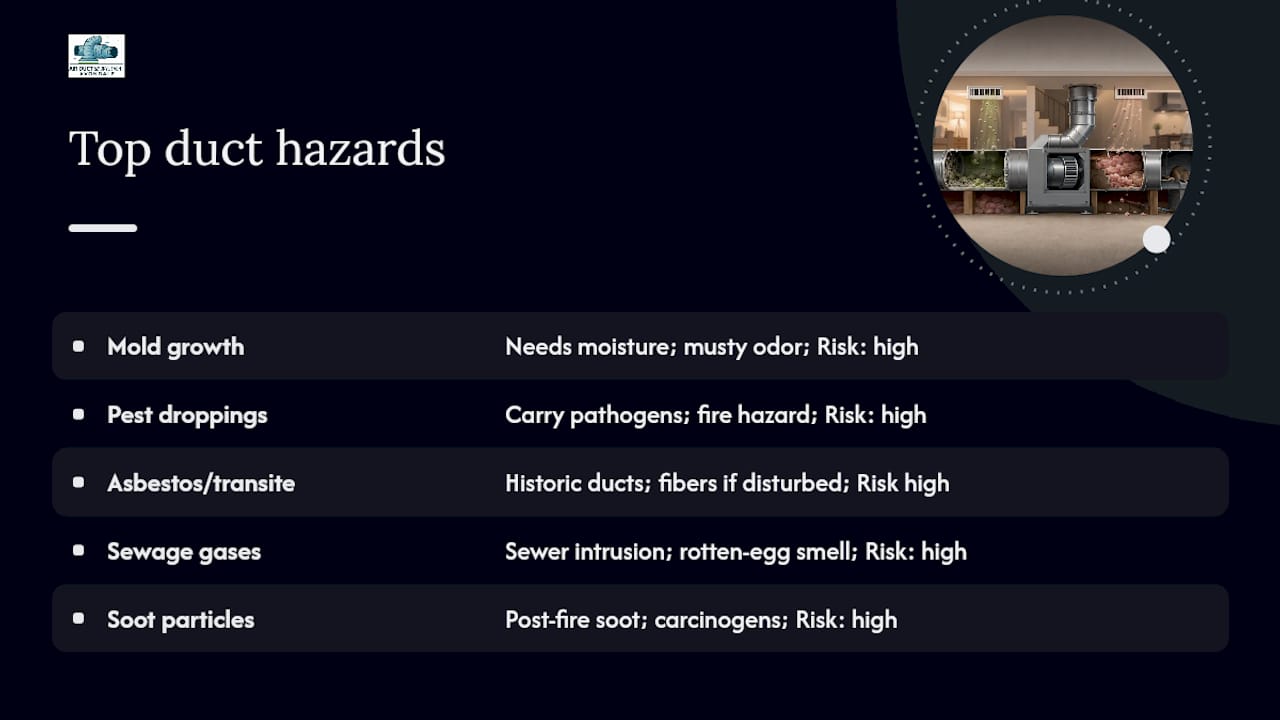
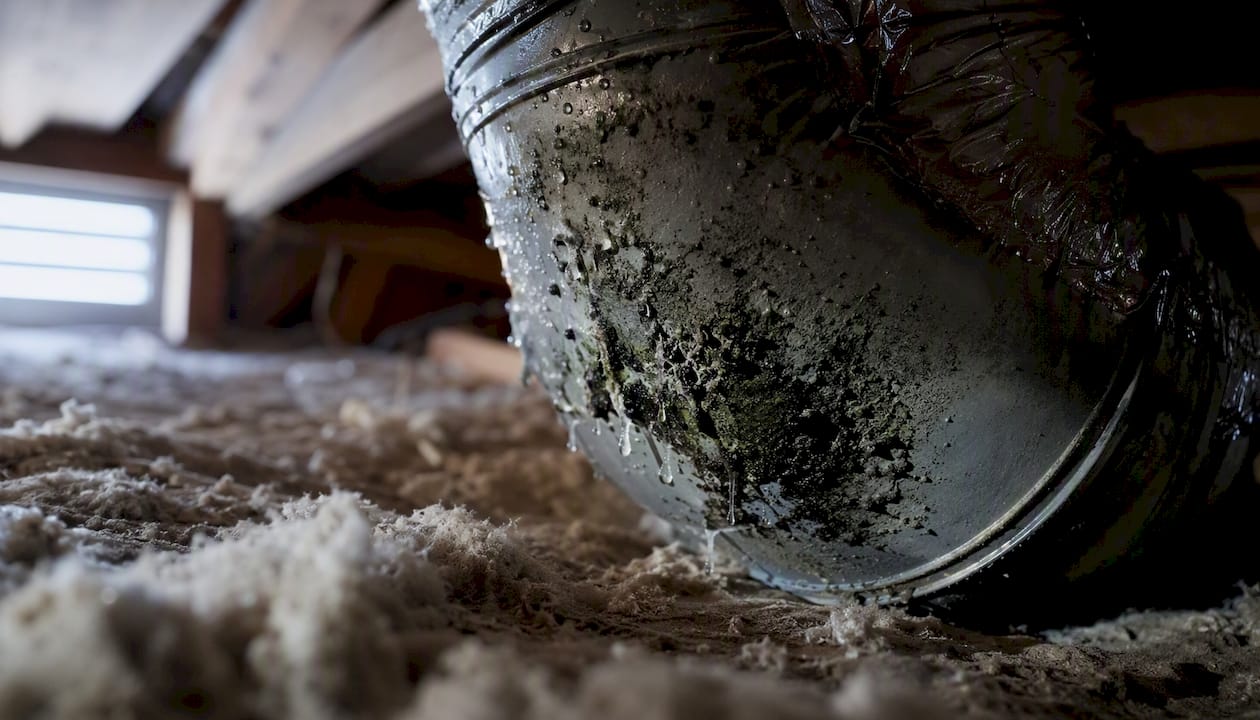
Mold and microbial growth is where things get serious. Mold needs moisture, and ducts near leaky coils, condensate pans, or humid attic spaces can develop active colonies. You may smell a musty odor before you see anything. Visible dark or greenish staining near registers is a red flag. Risk level: high, particularly for occupants with respiratory conditions.
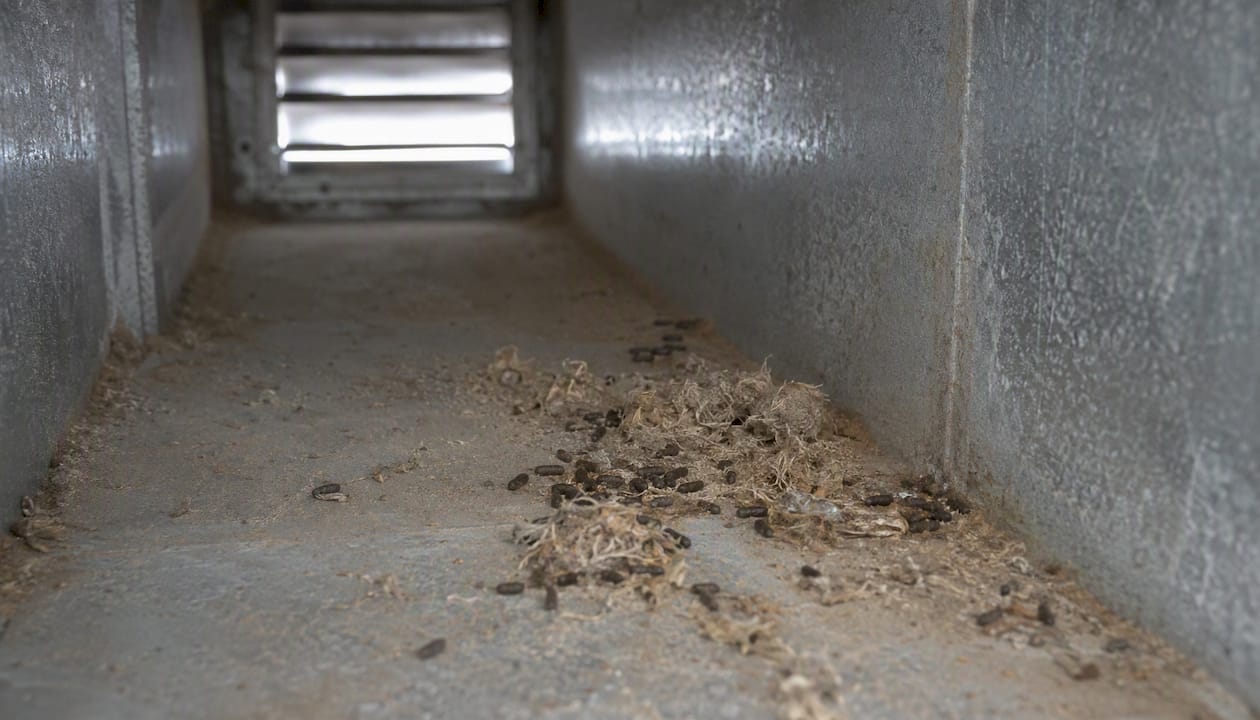
Pest droppings and nesting materials from rodents or insects carry pathogens including hantavirus and salmonella. Nesting debris also creates a fire risk near heat exchangers. Signs include scratching sounds, visible droppings at registers, or a sharp ammonia-like smell. Risk level: high.
Fiberglass insulation fragments from deteriorating internal duct liners can migrate into living spaces. Research from building science investigators has linked deteriorating fiberglass duct liner to IAQ complaints and irritation of the eyes, skin, and respiratory tract. Risk level: medium to high depending on liner condition.
Asbestos and transite ducts are found in homes built before the mid-1970s. Transite is a cement-asbestos composite used in older forced-air systems. Disturbing these materials without abatement procedures releases airborne fibers. Risk level: high. Do not touch, clean, or disturb suspected transite ducts without professional testing first.
Sewage and soil gases can enter in-slab duct runs when the duct system passes near or through sewer lines. A sulfur or rotten-egg smell with no other explanation is a warning sign. Risk level: high.
Chemical residues from prior property uses, renovation products, or pest treatments can coat duct interiors. These are often invisible and require VOC screening to detect. Risk level: variable, potentially high.
Soot and fire particles from a fireplace, furnace malfunction, or structure fire coat duct surfaces with carcinogenic compounds. Risk level: high. Post-fire duct cleaning is not optional.
Blockages restricting airflow from debris, collapsed flex duct sections, or nesting materials reduce system efficiency and can cause overheating. Risk level: medium for health, high for equipment.
A note on construction debris: EPA guidance on duct protection during construction specifically flags that renovation and new construction generate heavy dust loads that contaminate ductwork and cause both IAQ problems and equipment damage if not addressed.
Understanding what causes duct contaminants in your home is the first step toward knowing which ones you are actually dealing with.
Do dirty air ducts actually make people sick?
The honest answer is: it depends on what is in them.
The EPA has reviewed the available research and concluded there is no conclusive evidence that routine duct dust causes respiratory illness or that particle levels in homes increase simply because ducts are dirty. Many indoor air pollutants originate from activities like cooking, smoking, and movement through the home rather than from duct surfaces. Studies are also difficult to interpret because dirt adheres to duct walls rather than freely circulating, and most homes have multiple overlapping pollution sources.
That said, the EPA's position is not a blanket clearance for neglected ducts. The guidance is clear that visible contamination, specifically mold, vermin, or debris that restricts airflow or discharges from registers, is a legitimate trigger for professional cleaning.
The NIH Office of Research Services adds an important caveat: cleaning without fixing the underlying source of contamination is temporary at best. A mold problem caused by a leaking coil will return within weeks if the coil is not repaired.
Populations who need extra caution:
- People with asthma, COPD, or other chronic respiratory conditions
- Immunosuppressed individuals (chemotherapy patients, organ transplant recipients)
- Young children and infants
- Elderly residents, particularly those with cardiovascular conditions
- Anyone with known mold or allergen sensitivities
For these groups, the threshold for professional inspection and cleaning should be lower. A musty smell or visible staining near registers is enough reason to call a pro rather than wait.
When is duct cleaning actually justified?
Use this checklist before scheduling any service. A "yes" to any of the first five items means you should call a professional now, not after the next filter change.
- Visible mold inside the duct system or on components like the air handler or coil housing.
- Evidence of pests including droppings, nesting materials, or live or dead insects/rodents inside ducts.
- Sewage odor or evidence of sewer gas intrusion, particularly in slab-on-grade homes.
- Dust actively discharging from registers when the system runs, beyond normal startup puffing.
- Restricted airflow from debris accumulation or collapsed duct sections.
- Post-construction or post-renovation debris in the duct system after remodeling work.
- Post-fire or post-soot contamination from any combustion event in the home.
If you answered no to all seven, routine cleaning may not be medically necessary. The EPA's guidance supports a conservative approach: clean when there is visible, documented contamination, not on a fixed calendar schedule.
Before you book any service, ask for:
- A written scope of work specifying what will be cleaned and how
- Lab confirmation if mold is suspected (surface swab or bulk sample)
- Before-and-after photos or video documentation
- Confirmation that the provider will address the contamination source, not just the symptom
For a more detailed look at signs you need duct cleaning, the pattern of symptoms and visual indicators matters as much as the calendar.
Which hazards require specialists, not a standard cleaning crew?
Some duct contamination is beyond the scope of a standard HVAC cleaning service. Calling the wrong type of contractor for these situations can make conditions worse.
Hazards that require specialist contractors:
- Asbestos or transite ducts: Requires a licensed asbestos abatement contractor. Testing must come before any disturbance. Do not vacuum, brush, or seal suspected transite materials without a professional assessment.
- Sewage contamination: Requires a licensed biohazard or environmental remediation contractor. Sewage-contaminated ducts carry pathogens and cannot be safely cleaned with standard equipment.
- Large-scale mold in porous liners: Fiberglass-lined ducts with active mold growth are generally not cleanable. InspectApedia's technical guidance and the NIH/ORS fact sheet both recommend replacement over cleaning for wet or moldy fiberglass duct materials.
- Chemical, biological, or radiological residues: CPWR construction safety guidance is explicit: ducts potentially exposed to toxic, corrosive, biological, or radiological materials must be treated as hazardous until characterized and decontaminated. Pre-job planning and appropriate PPE are mandatory.
- Dead vermin with active infestation: Requires pest control first, then biohazard remediation, then duct cleaning in that order.
Immediate steps if you suspect a high-risk hazard:
- Stop running the HVAC system.
- Seal or cover registers in affected areas to limit spread.
- Do not touch, disturb, or attempt to clean suspected materials.
- Evacuate the area if sewage gases or chemical odors are strong.
- Contact the appropriate specialist before re-entering the space.
Pro Tip: Ask any contractor you call whether they will test before they treat. A legitimate specialist will characterize the hazard first. Anyone who quotes remediation pricing before seeing the material is skipping a step that protects both you and them.
How does professional duct cleaning actually work?
A reputable professional cleaning follows a defined process. Here is what it looks like from start to finish.
- Pre-inspection: The technician inspects accessible duct sections, the air handler, coil, and blower. A camera inspection of main trunk lines identifies visible contamination, collapsed sections, or liner damage before any work begins.
- Containment: For mold or pest remediation, affected areas are isolated to prevent cross-contamination during the cleaning process.
- Negative-pressure vacuuming: A truck-mounted or high-powered portable vacuum creates negative pressure inside the duct system. This pulls loosened debris toward the collection unit rather than into the living space. The NIH/ORS fact sheet specifically recommends negative-air machines and HEPA filtration for microbial contamination.
- Agitation tools: Rotary brushes, air whips, or compressed-air tools dislodge debris from duct walls. These are used selectively. On fiberglass-lined ducts, aggressive brushing can shred the liner and create a new hazard.
- Air handler and coil cleaning: The blower, coil, and condensate pan are cleaned as part of a complete service. Skipping these components leaves major contamination sources in place.
- Post-clean inspection and documentation: Photos or video of cleaned sections confirm the work was done. A written report should accompany any job involving mold or pest remediation.
What to require from any provider:
- NADCA membership or certification signals that the provider follows the Air Systems Cleaning Specialist standard
- Written scope of work before the job starts
- Itemized estimate (not a flat "per vent" price that incentivizes rushing)
- Confirmation of insurance and references from local jobs
- Before-and-after photos or video
Pro Tip: Legitimate professionals will not spray biocides on fiberglass duct liners. No EPA-registered biocide is approved for use on porous fiberglass duct material. If a contractor proposes this, it is a red flag. The correct answer for moldy fiberglass liner is replacement, not chemical treatment.
Why DIY duct cleaning often makes things worse
The appeal of DIY duct cleaning is understandable. The reality is that the most common DIY mistakes either damage the system or redistribute the contamination you were trying to remove.
- Shredding flex duct liners: Inserting a shop vacuum hose or brush into flexible duct can tear the inner liner, releasing fiberglass fragments into the airstream. Once the liner is torn, the duct typically needs replacement.
- Inadequate vacuum power: A standard household vacuum does not create enough negative pressure to capture fine particles. Instead of removing dust, it stirs it up and redistributes it through the living space. Professional guidance is consistent: deep cleaning, mold removal, and pest remediation require truck-mounted equipment.
- Disturbing mold or asbestos: Brushing or vacuuming a surface with mold or suspected asbestos-containing material without containment releases spores or fibers into the air. This is worse than leaving it alone.
- Electrical and blower damage: Reaching into the air handler area without shutting down the system creates a real risk of damaging the blower motor or electrical components.
- Biocide misuse: Spraying household disinfectants into ducts without knowing the liner material can damage the system and leave chemical residues that circulate through the home.
Safe DIY tasks for homeowners:
- Wash and dry register covers (the metal grilles) with soap and water
- Vacuum the first few inches of visible duct openings with a HEPA-rated vacuum
- Replace air filters on schedule (every 60–90 days for standard filters, more often with pets)
- Check for visible mold or debris at registers and report findings to a professional
For guidance on what homeowners can safely handle themselves, this DIY air quality resource draws a clear line between safe maintenance and tasks that need professional equipment.
How to prevent duct contamination before it starts
Prevention is cheaper than remediation by a wide margin. Most duct contamination is preventable with consistent maintenance habits.
Moisture control is the single most important factor. Mold cannot grow without it. Fix plumbing leaks promptly, insulate ducts that pass through humid attic or crawl space areas, and use a dehumidifier if indoor humidity consistently exceeds 50%. Clean the condensate drain pan and coil annually.
Filter selection and replacement:
- MERV 8 filters are commonly used in homes to balance particle capture and airflow.
- MERV 11–13 filters offer better allergen capture and are worth the modest pressure-drop tradeoff for households with pets or allergy sufferers.
- MERV 14 and above are generally designed for commercial systems. Forcing them into a residential system can strain the blower and reduce airflow.
- Replace filters every 60–90 days. Monthly replacement is reasonable in high-pet or high-dust households.
Construction and renovation protection:
- Seal all register boots with plastic sheeting and tape before any demolition, drywall, or sanding work begins.
- Shut the HVAC system off during heavy dust phases of construction. The EPA's technical bulletin on duct protection during construction recommends this specifically, noting that flexible duct inner liners trap construction dust and become a persistent contamination source.
- Schedule a professional post-construction cleaning before running the system again.
Sealing and pest exclusion:
- Seal duct penetrations through walls, floors, and ceilings with mastic or foil tape. Gaps are entry points for pests and moisture.
- Inspect exterior duct terminations annually for pest activity or damage.
Pro Tip: In Arizona's climate, attic duct runs are particularly vulnerable. Attic temperatures can exceed 150°F in summer, which accelerates liner degradation and creates conditions where any moisture intrusion leads to rapid mold growth. Insulating attic duct runs and checking for condensation at supply registers each spring is worth adding to your annual maintenance list.
What does professional duct cleaning and remediation cost?
Cost ranges vary by region, home size, and contamination type. Here is a realistic picture for most homeowners.
Standard professional duct cleaning:
- Typical cost for a residential system cleaning varies with home size and contamination.
- Larger homes or multi-system properties may incur higher cleaning costs.
- Timeline: 2–4 hours for a standard cleaning on a typical home
Remediation and replacement:
- Mold remediation involving duct liner replacement costs significantly more, often $1,000–$3,000 or higher depending on the extent of liner damage and duct system size
- Asbestos abatement pricing varies widely by scope and local contractor rates; testing alone typically runs $200–$500 before any abatement work begins
- Post-fire or sewage decontamination is priced by scope and often requires a written estimate after inspection
Buyer tips before signing anything:
- Get at least two written, itemized estimates. A quote that lists only "duct cleaning: EX" without specifying equipment, scope, or number of systems is not a real estimate.
- Confirm the provider carries liability insurance and workers' compensation coverage.
- Ask specifically whether the price includes the air handler, coil, and blower, or only the duct runs.
- Request before-and-after documentation as a condition of the job.
For a sense of how duct cleaning affects energy costs and long-term HVAC performance, the efficiency gains from a clean system often offset a portion of the cleaning cost over time.
What tests and inspections should you request?
Testing is not always necessary, but when contamination is suspected, the right tests prevent expensive mistakes.
- Visual camera inspection: The starting point for any professional assessment. A borescope or duct camera reveals blockages, liner damage, pest activity, and visible mold without destructive access.
- Moisture mapping: A moisture meter applied to duct surfaces and surrounding materials identifies wet areas that are likely mold sources.
- Surface swab or tape-lift sampling: Used to confirm mold species and concentration on duct surfaces. Results guide remediation scope.
- Bulk or air sampling for mold: Air sampling captures spore counts in the living space and compares them to outdoor baseline levels. Useful when occupants report symptoms but visual inspection is inconclusive.
- Asbestos testing: Required before any cleaning, repair, or demolition of ducts in homes built before the mid-1970s. A certified inspector collects bulk samples for lab analysis.
- VOC screening: Photoionization detectors or lab-based air sampling identify chemical residues from prior property uses, pest treatments, or renovation products.
Limits of sampling to keep in mind:
- A single surface swab covers a small area. Mold distribution is uneven, so a negative result does not guarantee a clean system.
- Air sampling results depend heavily on conditions at the time of testing (HVAC on or off, recent disturbance).
- False negatives are possible. If symptoms persist after a negative test, a second opinion from a different lab or inspector is reasonable.
What a credible test report should include:
- Chain-of-custody documentation for all samples
- Lab method and detection limits
- Clear interpretation of results (not just raw numbers)
- Specific remediation recommendations tied to the findings
CPWR's pre-task planning guidance reinforces that ducts with unknown contamination histories should be characterized before any work begins, not after.
Why inspection-first is the only approach worth trusting
The most common mistake in this industry is not skipping a cleaning. It is cleaning without knowing what you are dealing with.
In Avondale and across the Phoenix metro, a significant share of the duct systems we inspect in older homes have attic flex duct runs with degraded inner liners. The liner looks intact from the register end, but a camera inspection reveals cracking, separation, or active debris accumulation along the grooved interior. In several cases, the right call was liner replacement rather than cleaning. Cleaning a compromised liner with rotary tools accelerates the damage and sends fiberglass fragments into the living space.
Post-construction contamination is the other pattern that shows up regularly. Homeowners who ran their HVAC during a kitchen remodel or flooring replacement often have fine drywall dust and silica-bearing particles packed into every flex duct groove. Standard cleaning removes most of it, but only if the technician uses negative pressure and takes the time to work each branch run rather than just the main trunk.
The documentation piece matters more than most homeowners realize. Before-and-after photos are not just a quality assurance tool. They are your evidence if a dispute arises about whether work was completed, and they establish a baseline for the next inspection.
Avondale homeowners: get a documented inspection before any cleaning
Airanddryerventcleaningavondale serves residential and commercial properties in Avondale, Arizona with inspection-first duct cleaning, duct repair, duct replacement, and on-site air quality testing. Every job starts with a camera inspection and a written scope of work. Before-and-after photos are standard, not optional.
For hazardous contamination, including suspected mold, pest infestations, or post-construction debris, the team documents findings and provides a clear recommendation: clean, replace, or refer to a specialist. No guesswork, no pressure to book a service that is not warranted.
If your system needs new duct materials rather than cleaning, duct repair and replacement services are available for both residential and commercial properties. Scheduling is flexible, including after-hours appointments.
Call or book online to schedule your inspection. The first visit includes a visual assessment and a written recommendation with no obligation to proceed.
Sources
These are the primary sources homeowners and contractors should consult for reliable guidance on duct hazards and remediation.
- Should You Have the Air Ducts in Your Home Cleaned? | US EPA
- Fact sheet: HVAC duct cleaning (NIH/ORS)
- Fiberglass HVAC Duct Hazards
- How to Clean HVAC Ductwork: DIY vs. Pro Guide
- Pre-task planning for duct maintenance & demolition (CPWR Construction Solutions)
- Hazards / Problems Associated with Fiberglass Duct Liner and HVAC Insulation
This article is general information, not a substitute for advice from a qualified doctor. Consult a qualified healthcare professional about your own circumstances before acting on anything here.
FAQ
Are my air ducts making me sick?
Probably not from routine dust alone. The EPA has found no conclusive evidence that dirty duct surfaces cause illness in healthy occupants. If mold, pest droppings, or chemical residues are present, those specific contaminants can cause symptoms, particularly in people with asthma or compromised immune systems.
What kind of hazard is ductwork?
Ductwork itself is not a hazard, but it can harbor several serious ones: mold, asbestos in older transite ducts, sewage gases, pest droppings, fiberglass fragments from deteriorating liners, and chemical residues. The risk level depends entirely on what is inside the system.
What are the most common problems with residential AC ducts?
The most common issues are dust and allergen buildup, mold growth near leaking coils or humid attic runs, collapsed or disconnected flex duct sections, and post-construction debris. In older Arizona homes, degraded fiberglass liner is a frequent finding during camera inspections.
Can dirty air ducts cause headaches?
They can, if the contamination involves VOCs, sewage gases, mold spores, or chemical residues circulating through the system. Routine dust is unlikely to cause headaches in healthy adults. If symptoms correlate with HVAC operation, a professional air quality test can identify whether the duct system is the source.
How do I know if I need duct cleaning or duct replacement?
Cleaning is appropriate when ducts are structurally sound and contamination is surface-level. Replacement is the right call when fiberglass liners are wet, moldy, or physically damaged, or when asbestos-containing materials are confirmed. A camera inspection by a qualified contractor is the only reliable way to tell the difference.