
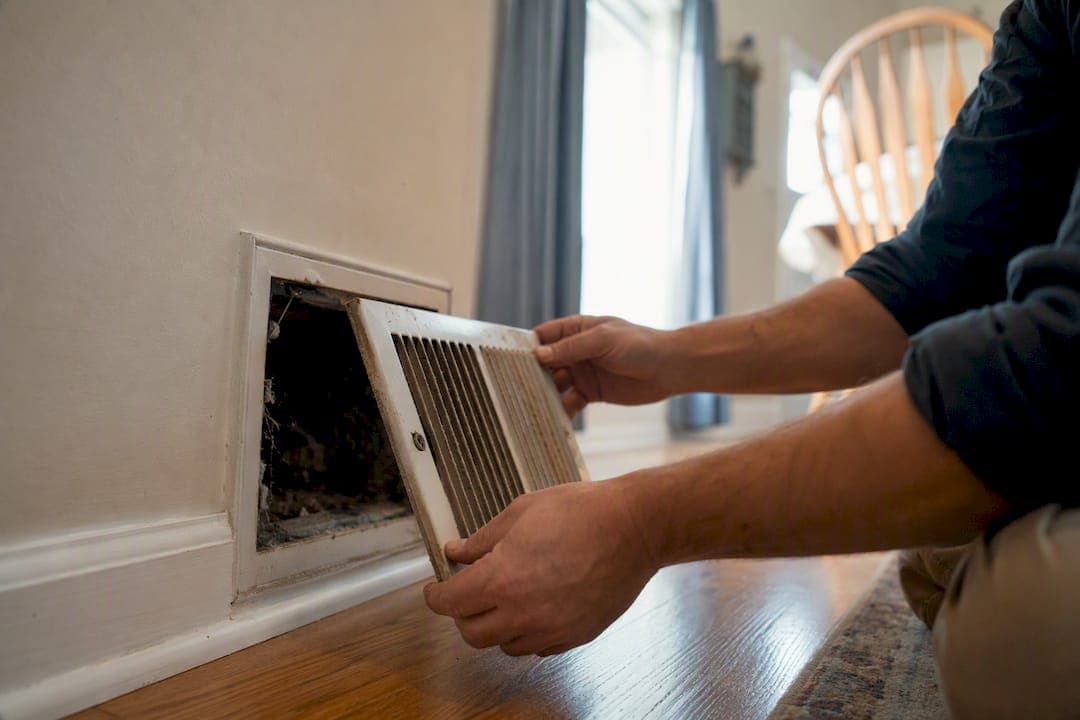
Weak airflow, rusted or bent grilles, musty odors, and vents that no longer match your décor are the top reasons homeowners replace vents. Add poor sizing, cracked plastic, and rooms that never seem to hit the right temperature, and you've got the full list.
- Airflow and efficiency problems
- Damage, rust, and corrosion
- Mold, moisture, and indoor air quality concerns
- Wrong size or poor fit
- Material failure (cracked plastic, warped wood)
- Style updates and renovation matching
If more than one of these shows up in the same room, stop patching and start planning a replacement.
Quick next step: walk your house room by room, check each vent for these signs, and call a pro if three or more vents show trouble at once.
Key Takeaways
Vent replacement solves airflow, moisture, and safety problems that cosmetic fixes alone can't touch, and proper sizing determines whether a new vent actually performs.
| Point | Details |
|---|---|
| Airflow signals matter | Weak delivery, longer run cycles, and uneven room temperatures often trace back to a poorly fitted vent. |
| Damage often means moisture | Rust, staining, or musty odors near a vent frequently point to a leak or mold risk worth a professional look. |
| Material should match the room | Resin resists moisture best in bathrooms and basements; metal and wood suit drier living spaces. |
| Sizing is a five-minute fix with a big payoff | Measure the actual duct opening, not just the register face, before buying a replacement. |
| Multiple symptoms mean call a pro | Airanddryerventcleaningavondale offers inspection, replacement, sealing, and airflow testing for systemic issues across several vents. |
Where to Learn More
- Step-by-step vent replacement guide for procedural detail
- Duct replacement cost factors for a broader look at pricing drivers
- Ask a pro before major purchases if you suspect duct damage or mold
Table of Contents
- Improve Airflow, Efficiency, and Comfort
- Aesthetics and Matching Renovations
- Damage, Corrosion, Moisture, and Air Quality Risks
- Materials and Durability: Metal, Resin, and Wood Tradeoffs
- Sizing, Fit, and Function: Why Measurements Matter
- When to Replace Vents: Lifespans and Warning Signs
- Costs and Whether to DIY or Hire a Pro
- How to Pick the Right New Vents
- Pro Perspective: When a Vent Job Needs a Specialist
- Indoor Air Quality and Health Considerations
- Compatibility With Your Existing HVAC System
- Energy Savings and Environmental Benefits
- Common Mistakes When Choosing Replacement Vents
- Get a Professional Vent Inspection and Replacement in Avondale
- Sources
- FAQ
Improve Airflow, Efficiency, and Comfort
A vent that's properly sized and fitted moves air the way your HVAC system was designed to move it. When it isn't, the visible vent head affects whole-room airflow, and the wrong head or a poorly sized opening drags down efficiency, causes noise, and forces your system to run longer than it should.
Blocked grilles, bent fins, and mismatched vent heads all create pressure losses between the duct and the room. That pressure loss shows up as rooms that never quite reach the thermostat's setting, even though the system runs constantly.
Watch for:
- Weak airflow you can barely feel with your hand near the register
- Longer cooling or heating cycles than usual
- One room running hot or cold compared to the rest of the house
- A thermostat that overshoots its target before the room actually feels right
Pro Tip: Hold a tissue or a lit incense stick a few inches from the vent. If the draft is weak or pulls sideways instead of straight out, you likely have a fit or blockage problem worth investigating before you assume the whole HVAC system is failing.
Aesthetics and Matching Renovations
Style is a legitimate reason to replace a vent, not just a functional one. A tarnished metal grille from 1998 sticks out in a freshly painted room, and swapping it is one of the cheapest upgrades in a renovation budget.
Common style-driven swaps include:
- Old stamped-metal grilles replaced with low-profile, flush-mount registers
- Painted finishes matched to trim color instead of raw aluminum or brass
- Decorative registers in living rooms and entryways where the vent is impossible to hide
- Floor-to-wall conversions during flooring projects
Just don't let looks override function. A decorative grille with tight, ornamental slats can restrict airflow more than a plain one, so check the free area rating before you fall in love with a design.
Damage, Corrosion, Moisture, and Air Quality Risks
Rust, bent fins, and moisture stains on a vent cover are rarely cosmetic problems alone. They usually point to a leak, condensation issue, or early mold growth behind the wall or in the ductwork, and that's when replacement stops being optional. Restricted or uneven airflow paired with rusted or damaged vents is one of the clearest signals that a system needs attention.
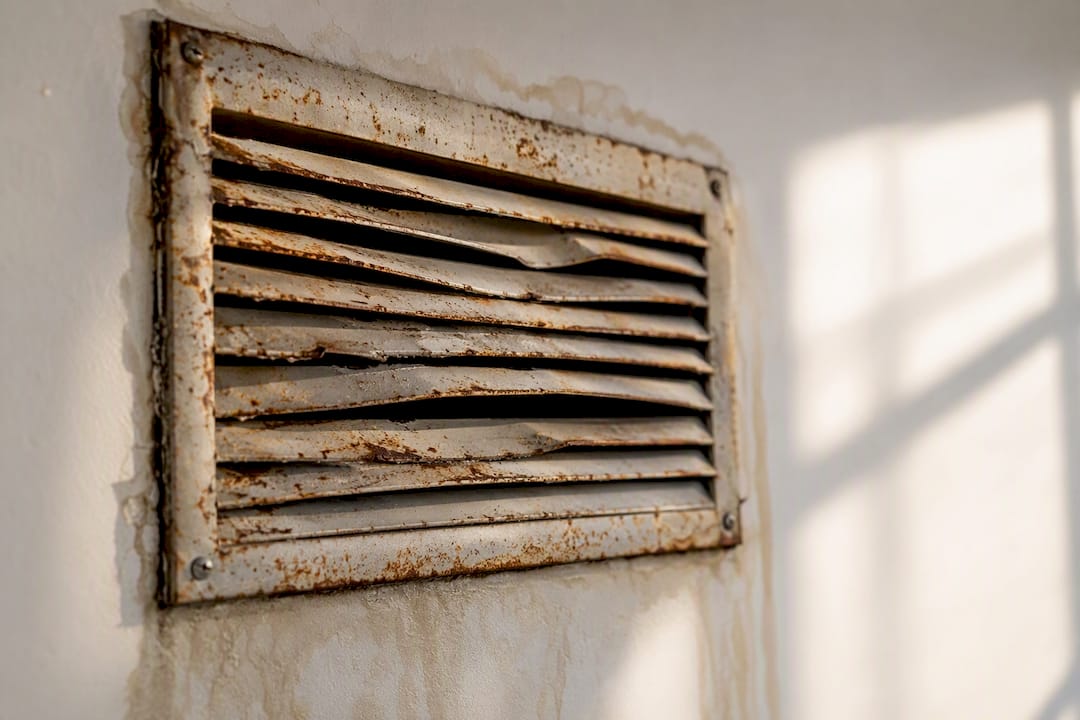
A damaged vent doesn't just look bad. It can let dust, insulation fibers, and other contaminants leak into your living space, and it often hides a bigger duct-level problem behind a small, visible symptom.
Signs worth acting on:
- Musty or stale odors near the register
- Visible mold, black staining, or condensation on the grille
- Flaking rust or corrosion on metal vents
- Dust buildup that returns within days of cleaning
If you suspect mold or contamination rather than simple wear, get a professional air quality assessment before you touch anything. Replacing the vent won't fix a moisture source hiding in the wall cavity.
Materials and Durability: Metal, Resin, and Wood Tradeoffs
Material choice determines how long a vent lasts and how well it holds up in specific rooms. Stamped metal is durable and inexpensive but prone to rust in humid spaces. High-density resin resists moisture and won't corrode, making it the better call for bathrooms, basements, and laundry rooms. Wood and decorative composites look great in formal living areas but need sealing and don't belong anywhere near steady moisture.
- Metal: long-lasting, budget-friendly, weak in humid rooms
- Resin/plastic: moisture-resistant, low-maintenance, ideal for basements and baths
- Wood/decorative: best for style-focused rooms, requires finish upkeep, poor moisture tolerance
Sizing, Fit, and Function: Why Measurements Matter
Getting the size right is a five-minute step that prevents years of noise and wasted energy. Undersized registers choke airflow. Oversized decorative grilles leave gaps around the flange that let conditioned air escape into the wall cavity or attic.
Common sizing mistakes include:
- Buying a decorative grille that's larger than the duct opening it needs to cover
- Installing a register with the wrong flange type for the duct boot
- Assuming register face size equals actual duct opening size
Measure the duct opening itself, not just the visible register face, and always test-fit before sealing anything permanently.
Pro Tip: Air leaks around vent assemblies waste more energy than most homeowners realize. A bead of high-temperature sealant around the flange after installation closes those gaps in minutes and costs almost nothing.
When to Replace Vents: Lifespans and Warning Signs
Most vents last 15 to 25 years depending on material and how much moisture or dust they're exposed to, though ceiling vents in particular are often swapped every 15 to 20 years as rust and dust buildup accelerate wear.
Replace sooner if you notice:
- Physical cracking, warping, or rust that won't clean off
- Airflow problems that persist after cleaning
- Recurring mold or odor near the register
- Cosmetic damage discovered mid-renovation
Costs and Whether to DIY or Hire a Pro
Swapping a single cosmetic register is a reasonable DIY project. Suspected duct damage, mold, or a whole-house pattern of airflow problems is not, and that's where a professional earns their fee.
Cost mostly comes down to material, how many vents need replacing, how hard they are to access, and whether any duct repair is needed alongside the swap. Local labor rates add another variable, so get a quote before assuming the worst.
DIY makes sense when:
- The vent is a simple, accessible register with no visible duct damage
- You're only updating style, not fixing an airflow or moisture issue
- You're comfortable measuring, cutting, and sealing around the opening
Call a pro when:
- You suspect mold, hidden moisture, or a duct leak
- The job requires attic or crawlspace access
- Multiple vents in the house show the same symptom, suggesting a system-wide issue
If three or more vents in your home show trouble at once, that pattern usually means a duct-level problem, not a vent problem, and it's worth a full inspection rather than a patch job. Expert duct replacement services exist precisely for that scenario.
How to Pick the Right New Vents
Size and airflow come first. Material, finish, and style come second. Get the fit wrong and no amount of style will fix the comfort problem.
- Measure the actual duct opening, not the old register's outer frame
- Confirm whether it's a supply or return vent, since the airflow requirements differ
- Choose material based on room humidity: resin for baths and basements, metal or wood elsewhere
- Consider adjustable louvers or dampers for rooms that run too hot or cold
- Confirm the new register's flange matches your existing duct boot
Before buying, ask about warranty coverage, return policy on custom sizes, fire rating if it's a dryer vent component, and the sealant the manufacturer recommends for installation.
Pro Perspective: When a Vent Job Needs a Specialist
Suspected mold, a significant duct leak, or several vents showing the same symptom at once are the moments to call a specialist instead of reaching for a screwdriver.
A trained technician checks things most DIYers skip entirely: duct sealing quality, pressure balance across the whole system, moisture hiding behind the register, and whether the register-to-duct adapter actually fits. Professionals also carry workmanship warranties and know how to handle hazardous findings like mold safely, which matters more than most homeowners expect until they're staring at black staining behind a grille.
- Systemic symptoms across multiple rooms
- Any sign of moisture or mold near the vent
- Access challenges in attics, crawlspaces, or finished ceilings
Indoor Air Quality and Health Considerations
A damaged vent is more than an eyesore. It's a direct pathway for whatever is circulating in your ductwork, and that includes dust, pet dander, and in some cases mold spores that have taken hold near a moisture source.
Replacing worn or clogged vents improves air circulation, reduces allergens and dust, and lowers energy costs by easing the load on your HVAC system. That matters most for households with allergy sufferers, asthma, or young children, where even modest improvements in circulation can reduce symptom triggers.
Dust that returns within days of cleaning, a persistent musty smell, or visible dark specks around a register are all reasons to look past the vent cover itself and consider what's happening inside the duct. Contaminants inside dryer vents in particular carry specific risks homeowners should understand before assuming a simple wipe-down solves the problem.
Replacing the vent alone won't clean the duct behind it. If a family member has unexplained respiratory irritation and you've ruled out obvious sources, an indoor air quality test is a reasonable next step before spending money on cosmetic fixes that won't touch the underlying issue.
Compatibility With Your Existing HVAC System
A new vent has to match more than the hole in your wall or ceiling. It has to work with the static pressure, airflow volume, and duct design your HVAC system was built around, and mismatches here cause real performance problems.

Installing a register with a different free-area rating than the original can throw off the balance across your whole duct system. One room gets starved for air while another gets too much, and your system compensates by running longer, which shows up on your energy bill before you ever connect the dots back to a single vent swap.
Smart vents that adjust airflow by room deserve a mention here too. They can meaningfully reduce wasted conditioning in rooms that sit empty most of the day, but only when paired with a compatible HVAC system that can handle the added zoning logic. Bolting one onto an incompatible system can create pressure imbalances instead of solving them.
If you're replacing more than a couple of vents, it's worth having someone check the whole system's pressure balance rather than assuming each swap is an isolated fix. Vents are one small piece of a system that has to work together.
Energy Savings and Environmental Benefits
Every gap, rust hole, or poorly fitted register is a small energy leak, and small leaks add up across a whole house. Sealing and replacing worn vents cuts down on wasted conditioning and reduces how hard your HVAC system has to work to hit the thermostat's target.
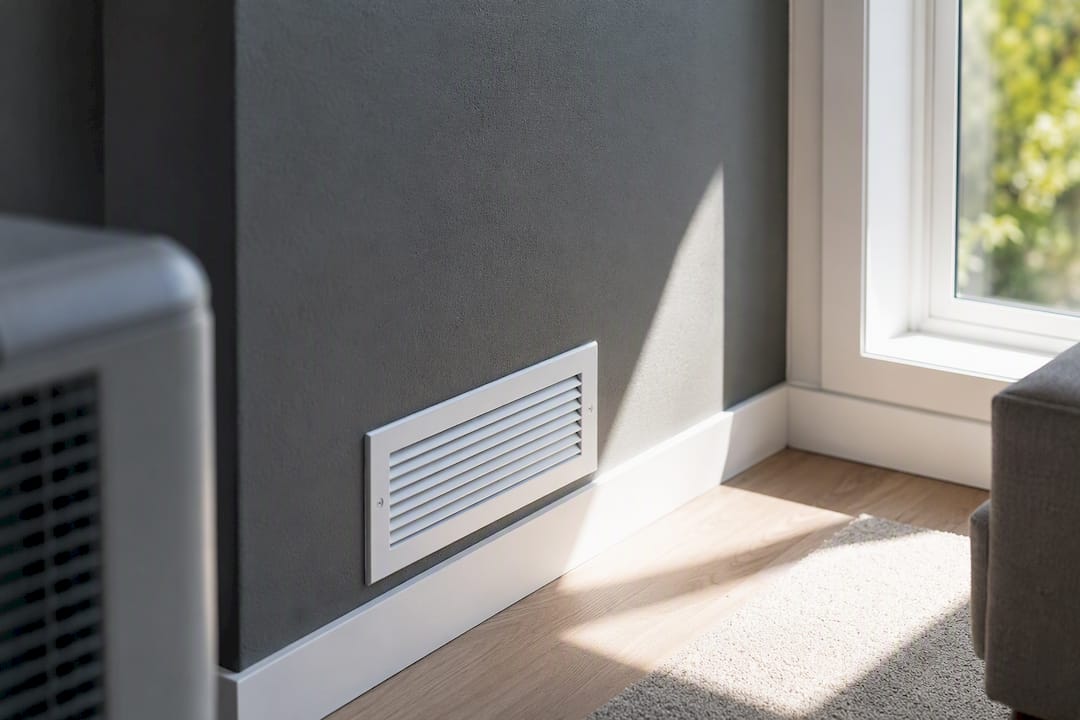
Reduced HVAC runtime from better airflow translates directly into lower utility bills, and less runtime also means less wear on the compressor and blower motor, extending the life of the whole system.
There's an environmental angle too. A system that runs less often consumes less electricity or gas over its lifespan, and equipment that lasts longer means less material waste from premature replacement. None of this requires a full HVAC overhaul. Fixing the vents that are actively leaking air is often the cheapest efficiency upgrade available in an older home.
Common Mistakes When Choosing Replacement Vents
The most common mistake is buying based on appearance alone and ignoring the free-area rating, which determines how much air can actually pass through the grille. A gorgeous decorative register that chokes airflow will make comfort worse, not better.
Other red flags to watch for:
- Guessing the size instead of measuring the actual duct opening
- Ignoring flange type, which causes gaps and air leaks around the register
- Choosing metal for humid rooms like bathrooms or basements, inviting rust within a year or two
- Skipping the sealant step, letting conditioned air escape around the edges
- Assuming a vent swap fixes a duct problem, when the real issue is upstream
Pairing an incompatible vent style with an older duct system is another frequent misstep. Vent covers that don't fit well can create turbulence noise that gets blamed on the HVAC unit itself, when the real fix was a proper-fitting register all along. Take the time to measure twice before you buy once.
A Quick Note From Shaun
The mistake I see most often is homeowners replacing a vent cover for looks while ignoring a musty smell right next to it. If you only fix one thing, fix airflow and moisture issues first. Style can wait; mold can't.
Get a Professional Vent Inspection and Replacement in Avondale
Airanddryerventcleaningavondale gives Avondale homeowners a faster path to fixing vent problems than guessing your way through a hardware store aisle. Instead of buying a register that might not match your duct boot, a technician measures, seals, and installs the right fit the first time.
A typical visit covers a full vent inspection, replacement of any damaged or corroded registers, sealing around the flange to stop air leaks, and an airflow test to confirm the fix actually worked. If mold or moisture shows up during the inspection, the team can also point you toward indoor air quality testing before anything gets sealed up. For dryer vent concerns specifically, including lint buildup that raises fire risk, the dryer vent cleaning service covers that separately from standard air vent work.
If you've spotted rust, weak airflow, or a musty smell in more than one room, request a quote for air vent replacement and get a technician out to assess the whole system, not just the symptom you noticed first. Workmanship guarantees mean the fix is backed even after the technician leaves.
Sources
- When Should You Replace Ductwork or Vents in Florida? | Graham Heating & Air
- Signs You Need an AC Vent Replacement | American Attic Services
- Vent Covers | Replacements
- How to Replace Your Air Conditioner Ceiling Vent for Better Efficiency - Alpha Air
FAQ
Should You Replace 20 Year Old Ductwork?
Ductwork in that age range often shows leaks, crushed sections, or insulation failure, so a professional inspection is worth scheduling even if you haven't noticed obvious symptoms yet.
How Often Should Vent Covers Be Replaced?
Most vent covers last 15 to 25 years, though ceiling vents in humid or dusty environments often need replacement closer to the 15 to 20 year mark.
What Are the Disadvantages of Vent Covers?
Decorative covers with tight, ornamental slats can restrict airflow more than plain grilles, and poorly fitted covers create turbulence noise that's often mistaken for an HVAC problem.
When Should HVAC Ducts Be Replaced?
Replace ducts when you see persistent airflow imbalance, rising energy bills, frequent rattling or whistling, or physical damage that cleaning and sealing don't resolve.
Can I Replace Just One Vent Instead of the Whole System?
Yes, a single damaged or outdated vent can be replaced on its own, but if several vents show the same symptoms at once, Airanddryerventcleaningavondale recommends a full system inspection rather than piecemeal fixes.