
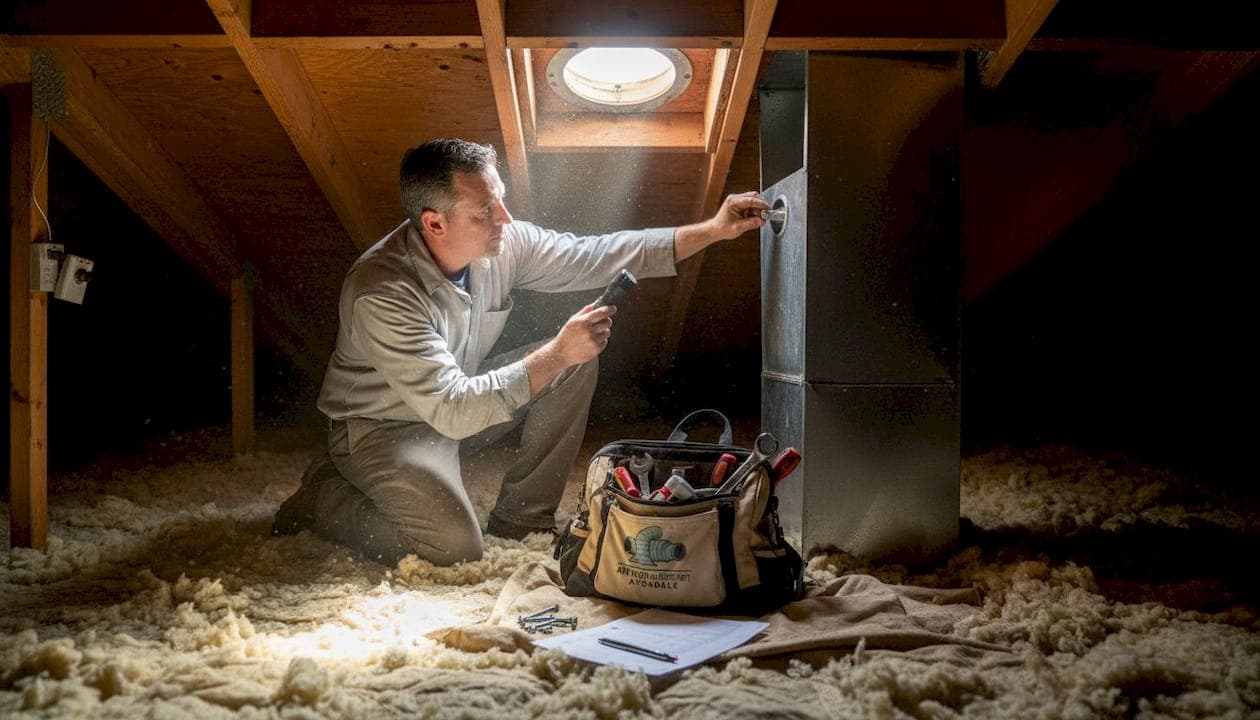
Picking the right air duct type in Avondale, Arizona is not a minor detail. Attic temperatures here can exceed 150°F in summer, and that extreme heat turns a poorly chosen duct system into an energy drain and a health hazard. The material, shape, and installation quality of your ducts directly affect how much you pay each month, how clean your indoor air is, and how comfortable your home or business stays year-round. This guide walks you through every major duct type, what makes each one perform well or poorly in our desert climate, and how to match the right option to your specific situation.
Table of Contents
- How to evaluate air ducts: What really matters
- Exploring the main types of air ducts used in Avondale
- Side-by-side comparison: Efficiency, air quality, and costs
- Making the right choice: Matching ducts to real-world needs
- Why the basics miss the real risks: A local expert's take
- Get expert help for clean, efficient air in Avondale
- Frequently asked questions
Key Takeaways
| Point | Details |
|---|---|
| Sheet metal leads for IAQ | Rigid sheet metal ducts offer the best cleanliness, airflow, and longevity if properly installed and sealed. |
| Install matters as much as type | Even the best duct type will underperform if it’s poorly installed or not maintained. |
| Hybrid and flex for Arizona attics | Hybrid systems using flex and sheet metal work well for tight spaces and heat when designed right. |
| Sealing saves energy | Proper sealing and regular inspections can cut duct energy losses dramatically in Avondale’s climate. |
How to evaluate air ducts: What really matters
Before you compare materials, you need to know what criteria actually matter in Avondale's climate. The intense attic heat, dry air, and persistent dust create conditions that punish the wrong duct choice faster than almost anywhere else in the country.
Here are the key factors to weigh when evaluating any duct system:
- Airflow efficiency: How easily air moves through the duct without friction losses
- Insulation value: How well the duct resists heat gain from a scorching attic
- Indoor air quality (IAQ): Whether the material sheds fibers, harbors mold, or traps dust
- Lifespan: How long the material holds up under thermal stress and UV exposure
- Noise: Whether the duct transmits or dampens HVAC system sounds
- Maintenance and cleaning ease: How accessible and cleanable the interior surfaces are
- Installation risks: Whether improper setup can immediately undermine performance
For attic-routed systems in our region, R-8 flex or insulated sheet metal are the top recommendations to minimize heat gain. That insulation rating is not optional here. It is the difference between a system that works and one that fights itself all summer.
Leakage is the other major threat. Leaky ducts waste 25-40% of your HVAC energy output, which translates to hundreds of dollars lost every year. ENERGY STAR sets the bar at no more than ≤4 CFM25 per 100 sq ft of conditioned space. Most older homes in Avondale do not come close to meeting that standard without professional sealing.
Regular HVAC cleaning services also play a direct role in maintaining airflow efficiency. Dust buildup inside ducts restricts airflow and forces your system to work harder.
Pro Tip: Schedule annual duct inspections and ask your technician to check for leaks at every joint and connection. Catching a small gap early costs far less than replacing a section of duct that has been cooking in a 150°F attic for three summers.
Exploring the main types of air ducts used in Avondale
With the criteria clear, let's look at what options you actually have in Avondale homes and workplaces. Main duct types include rigid sheet metal, flexible ducts, fiberglass duct board, semi-rigid ducts, and fabric ducts.
-
Sheet metal ducts (galvanized steel or aluminum): The gold standard for durability and airflow. Available in round, rectangular, and oval shapes. Sheet metal lasts 30-50+ years when properly sealed and insulated. Best for main trunk lines and high-demand commercial runs.
-
Flexible ducts: A plastic inner liner wrapped in insulation and an outer jacket. Lightweight and easy to route around obstacles in tight attic spaces. Lifespan is typically 10-15 years. Highly dependent on proper support to avoid kinking.
-
Fiberglass duct board: Rigid panels of compressed fiberglass formed into rectangular ducts. Built-in insulation is a plus. Quieter than sheet metal but harder to clean and can erode over time, releasing fibers into your air supply.
-
Semi-rigid ducts: A middle ground between flex and sheet metal. Usually aluminum, with more shape retention than flex but easier to install than full sheet metal. Good for short branch runs.
-
Fabric ducts: Used in large commercial or industrial spaces like gyms, warehouses, and open-plan offices. They distribute air evenly across wide areas but are not practical for residential use.
"Installation matters as much as material. Poorly supported flex duct collapses and reduces airflow just as badly as a leaky joint in sheet metal."
For air duct cleaning Avondale purposes, sheet metal is the easiest to clean thoroughly because its smooth, non-porous surface does not trap debris the way fiberglass does.
Pro Tip: Combine sheet metal trunk lines with flex duct branches. You get the durability and cleanability of metal where it matters most, and the flexibility of flex where routing gets complicated.
Side-by-side comparison: Efficiency, air quality, and costs
With the main materials in mind, a head-to-head comparison will make the decision clearer.
| Duct type | Airflow efficiency | Lifespan | Insulated | IAQ risk | Cost | Noise | Cleaning ease |
|---|---|---|---|---|---|---|---|
| Sheet metal | Excellent | 30-50+ yrs | No (add wrap) | Low | High | Moderate | Easy |
| Flexible duct | Good (if supported) | 10-15 yrs | Yes | Low-Moderate | Low | Low | Moderate |
| Fiberglass duct board | Good | 20-30 yrs | Yes | Moderate | Moderate | Very low | Difficult |
| Semi-rigid | Good | 15-25 yrs | No (add wrap) | Low | Moderate | Low | Easy |
| Fabric duct | Variable | 10-20 yrs | No | Low | High | Very low | Easy |
Rigid sheet metal delivers the best airflow, lowest friction loss, and top longevity in most applications. It is the benchmark everything else is measured against.
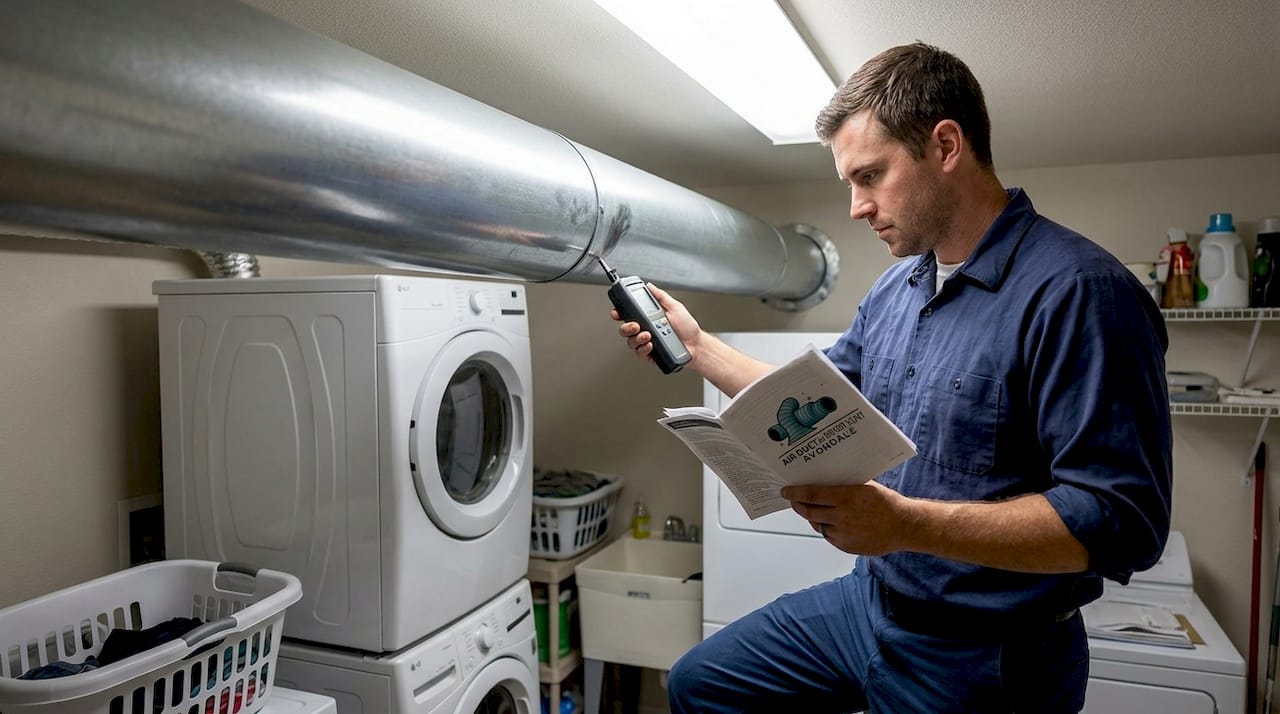
Fiberglass duct board is quieter but significantly harder to clean and can degrade over time, releasing microscopic fibers into your living space. That is a real concern for anyone with asthma or allergies.
Key highlights by type:
- Sheet metal: Durable, cleanable, and efficient. Requires added insulation wrap in attic installs.
- Flex duct: Adaptable and economical, but sagging or kinking from poor support causes most residential airflow complaints.
- Duct board: Quiet and insulated from the start, but the fiber erosion risk makes it a poor choice for high-IAQ households.
When you schedule duct cleaning, the duct material directly affects how thorough the cleaning can be. Non-porous surfaces like sheet metal allow technicians to remove nearly all contaminants. Pairing the right duct type with the right HVAC filter options compounds the air quality benefit significantly.
Meeting HVAC duct standards for leakage is easier with rigid systems because joints can be sealed more reliably than the connections on flexible duct.
Making the right choice: Matching ducts to real-world needs
Knowing how each type compares, here's how to apply your knowledge to real choices.
| Property type | Best duct type | Why | Caution |
|---|---|---|---|
| Residential (allergy household) | Sheet metal | Non-porous, easy to clean | Add R-8 insulation wrap in attic |
| Residential (attic retrofit) | Supported flex duct | Easy to route, insulated | Must be properly supported every 4 ft |
| Small commercial office | Sheet metal or semi-rigid | Durable, cleanable | Higher upfront cost |
| Large open commercial space | Fabric duct | Even air distribution | Not for residential |
| Noise-sensitive bedroom area | Fiberglass duct board | Excellent sound dampening | Monitor for fiber erosion |
Here is how to prioritize your decision:
- Air quality first: If anyone in the building has allergies, asthma, or respiratory issues, sheet metal is the clear choice.
- Cost constraints: Flex duct is the most budget-friendly option for retrofits, but only if installed with proper support.
- Installation complexity: Tight attic spaces or unusual layouts may make flex the only practical option for branch runs.
- Cleaning access: If long-term maintenance matters to you, avoid fiberglass duct board in hard-to-reach areas.
For commercial air duct cleaning, rigid systems are far easier to service at scale. Businesses with high foot traffic and demanding air quality standards benefit most from sheet metal or semi-rigid systems.
For air duct replacement Avondale projects, high IAQ needs favor sheet metal, noise-sensitive spaces lean toward fiberglass board, and tight attic retrofits work best with properly supported flex.
Pro Tip: Demand written airflow testing results after any new duct installation. A technician who resists providing that data is a red flag. Numbers do not lie, but appearances can.
Why the basics miss the real risks: A local expert's take
Every comparison chart and material guide will tell you sheet metal is the best. And it often is. But after years of working inside Avondale attics, the pattern we see most is not people choosing the wrong material. It is people choosing the right material and then watching it fail because of poor installation or zero follow-up.
Poorly supported flex duct collapses and restricts airflow just as badly as a cracked sheet metal joint. Sheet metal's clear advantages disappear the moment a contractor skips the mastic sealant on the joints. In Arizona's extreme attic heat, those failures accelerate fast.
The uncomfortable truth is that annual inspections and airflow testing matter more here than in almost any other climate. A hybrid system built with sheet metal mains and properly supported flex branches, inspected every year and scheduled for HVAC cleaning on a consistent schedule, will outperform a premium all-sheet-metal system that nobody maintains. Material choice is step one. Ongoing care is what actually protects your investment.
Get expert help for clean, efficient air in Avondale
Ready to act on what you've learned? Here's how Avondale experts can help.
Understanding duct types is valuable, but the real gains come from professional evaluation, cleaning, and targeted upgrades matched to your specific system.
At Air Duct and Dryer Vent Cleaning Avondale, we offer Avondale air duct cleaning for both residential and commercial properties, along with indoor air quality testing to give you a clear picture of what is actually circulating through your home or business. If your ducts are aging, damaged, or simply the wrong type for your needs, our duct repair and replacement service covers everything from sealing leaks to full system upgrades. Flexible scheduling and after-hours availability make it easy to get started without disrupting your day.
Frequently asked questions
Which air duct type is best for improving air quality in Arizona homes?
Rigid sheet metal is the top choice for indoor air quality because its smooth, non-porous surface does not release fibers and allows thorough cleaning that removes allergens and dust.
How often should air ducts be inspected or cleaned in Avondale's climate?
Annual inspections are critical in Arizona due to extreme attic heat and high dust levels, which accelerate wear on seals, joints, and duct material faster than in milder climates.
What is the typical lifespan of flexible ducts compared to sheet metal?
Flexible ducts last 10-15 years under normal conditions, while properly maintained sheet metal systems can last 30-50 years or more, making metal the better long-term investment.
Can using the wrong duct type affect energy bills?
Yes. Leaky or inefficient ducts waste 25-40% of your HVAC energy output, which adds up to hundreds of dollars annually until the system is sealed, upgraded, or replaced.