
TL;DR:
- Debris buildup in vents results from dust, pet dander, mold spores, and pollen accumulating inside HVAC systems. It worsens indoor air quality and causes higher energy costs by forcing HVAC systems to work harder. Professional cleaning is necessary only when hazardous mold, pests, or extensive post-renovation debris are present.
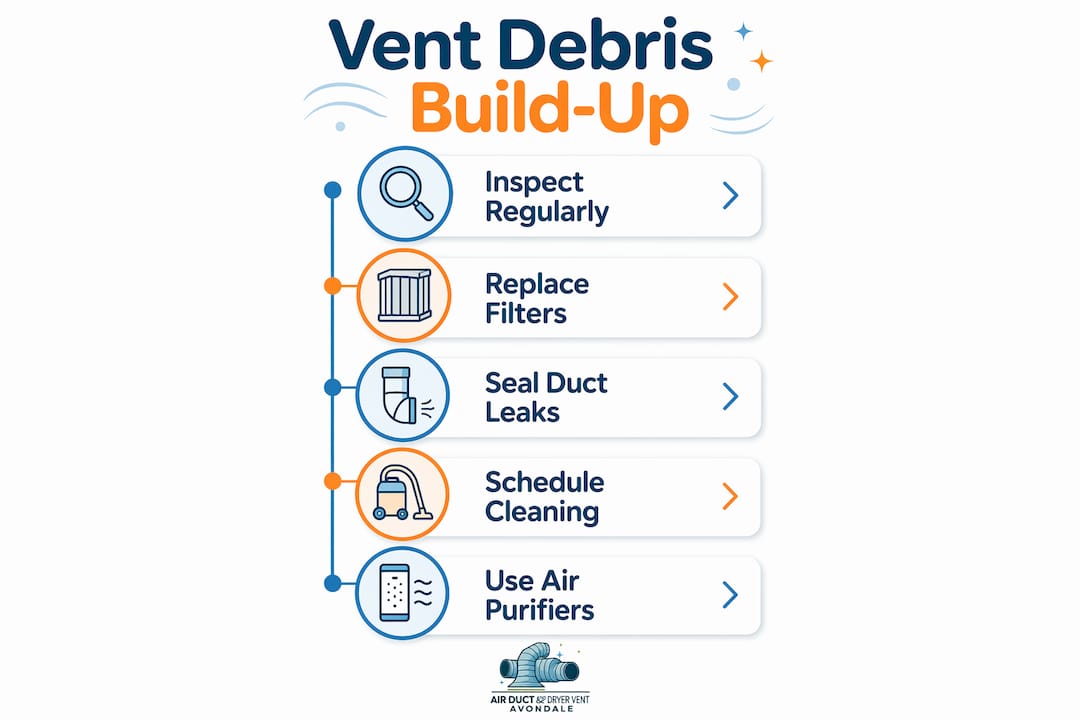
Debris buildup in vents is defined as the accumulation of dust, pet dander, mold spores, pollen, and other airborne particles inside your HVAC ductwork, registers, and air handling components. The industry term for this condition is particulate accumulation in ductwork, though most homeowners and property managers simply call it vent debris or duct buildup. Left unaddressed, this accumulation degrades indoor air quality and forces your HVAC system to work harder, raising energy costs and shortening equipment life. The EPA guidance on duct cleaning confirms that while some dust in ducts is normal, specific contamination conditions require direct action. Understanding what triggers buildup, how to spot it, and when to call a professional gives you real control over your home's air and comfort.
What is debris buildup in vents and what causes it?
Debris accumulation in HVAC systems starts with the air your home already contains. Every time your system runs, it pulls in air carrying dust, skin cells, pet dander, pollen, and microscopic particles. Filters catch most of this material, but not all of it. What slips through settles on duct walls, inside bends, and around registers.
Several specific factors accelerate this process:
- Infrequent filter changes. Neglecting filter changes forces the HVAC system to work harder and allows debris to bypass filters entirely, depositing directly inside ductwork. Homes with pets or high pollen exposure need filter changes as frequently as every 30 days.
- Duct leaks and loose joints. Gaps in ductwork pull in unconditioned air from attics, crawl spaces, and wall cavities. That air carries concentrated dust and insulation fibers directly into the system.
- Construction and renovation work. Drywall dust and plaster particulate are far finer than normal household dust. They bypass standard filters, accumulate rapidly, and can physically damage HVAC components if not removed immediately after renovation.
- Pest activity. Rodent droppings, nesting material, and insect debris inside ducts create both blockages and serious health hazards.
- Poor airflow balance. Low-velocity zones inside ducts allow particles to settle rather than stay suspended and get filtered out. These dead spots are common in older or improperly designed duct systems.
Pro Tip: If you run your HVAC during any home renovation, even minor drywall patching, seal all supply and return vents with plastic sheeting first. Construction dust bypasses standard filters and contaminates the entire duct system within hours.
The source of debris matters as much as the amount. Duct leaks pulling in attic air and faulty filters that allow bypass are system integrity problems that cause ongoing buildup regardless of how often you clean. Fixing those root causes always comes before cleaning.
How does debris buildup affect indoor air quality and health?
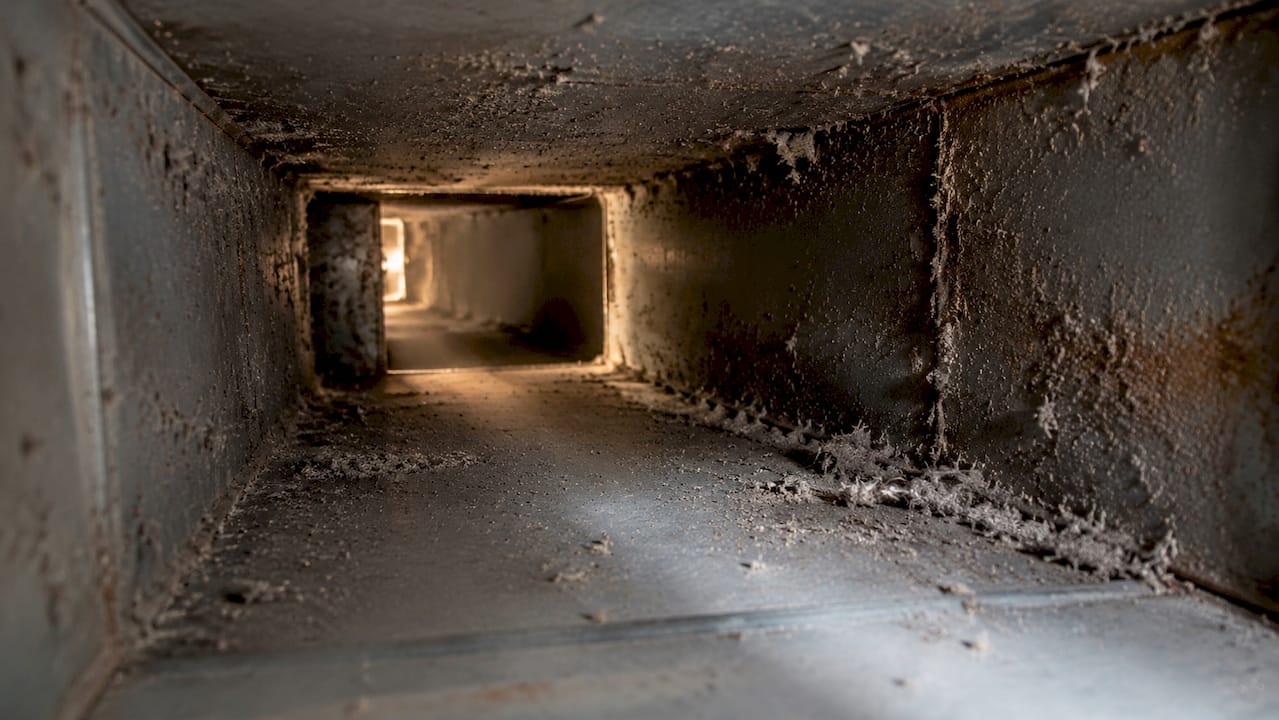
Heavy particulate accumulation in ductwork turns your HVAC system into a recirculation machine for allergens and irritants. Every time the system cycles on, it redistributes whatever has settled in the ducts back into your living spaces.
The health effects depend on what the debris contains. Common concerns include:
- Allergen recirculation. Pet dander, pollen, and dust mite particles suspended in duct debris trigger allergic reactions and worsen asthma symptoms with each system cycle.
- Mold spore distribution. Moisture combined with organic debris creates conditions for mold growth inside ducts. Once established, mold spores spread through the entire home every time the fan runs.
- Respiratory irritation. Fine particles from construction debris or pest contamination irritate airways, particularly in children, elderly residents, and anyone with existing respiratory conditions.
- Odor problems. Decomposing organic material, mold, and pest waste produce persistent musty or stale odors that no amount of air freshener resolves.
The EPA notes that a light amount of dust in ducts is normal and not conclusively linked to health risks. The concern arises when debris contains mold, pest contamination, or excessive particulate that releases visibly into living spaces.
The distinction between normal dust and harmful buildup is critical. Most household dust enters homes through normal activity, not through ducts themselves. Duct cleaning alone does not significantly reduce household dust levels. The real risk comes from contaminated buildup: mold colonies, pest debris, or post-renovation particulate that the system actively spreads. Knowing the difference prevents unnecessary cleaning and ensures you act when it genuinely matters.
You can find a detailed breakdown of how specific particles affect air quality in this guide on debris and indoor air quality.
What are the signs that indicate critical debris buildup in vents?
Your HVAC system gives clear physical signals when debris accumulation has crossed from normal to problematic. Recognizing these signs early saves you from larger cleaning bills and health consequences.
- Dust clouds at startup. A visible puff of dust or debris when the system first kicks on signals heavy accumulation near the registers or in supply ducts close to the vents.
- Dark rings around vent registers. Dust clouds at startup and dark vent rings are two of the clearest physical indicators of heavy debris accumulation inside the duct system.
- Musty or stale odors. Persistent odors that appear or intensify when the HVAC runs point to mold growth or decomposing organic material inside the ducts.
- Rattling or whistling noises. Loose debris, nesting material, or physical blockages inside ducts create sounds that change with airflow. Whistling often indicates a partial blockage or duct damage.
- Excessive dust inside the home. If surfaces collect visible dust within a day or two of cleaning, your ducts may be redistributing settled debris faster than normal activity accounts for.
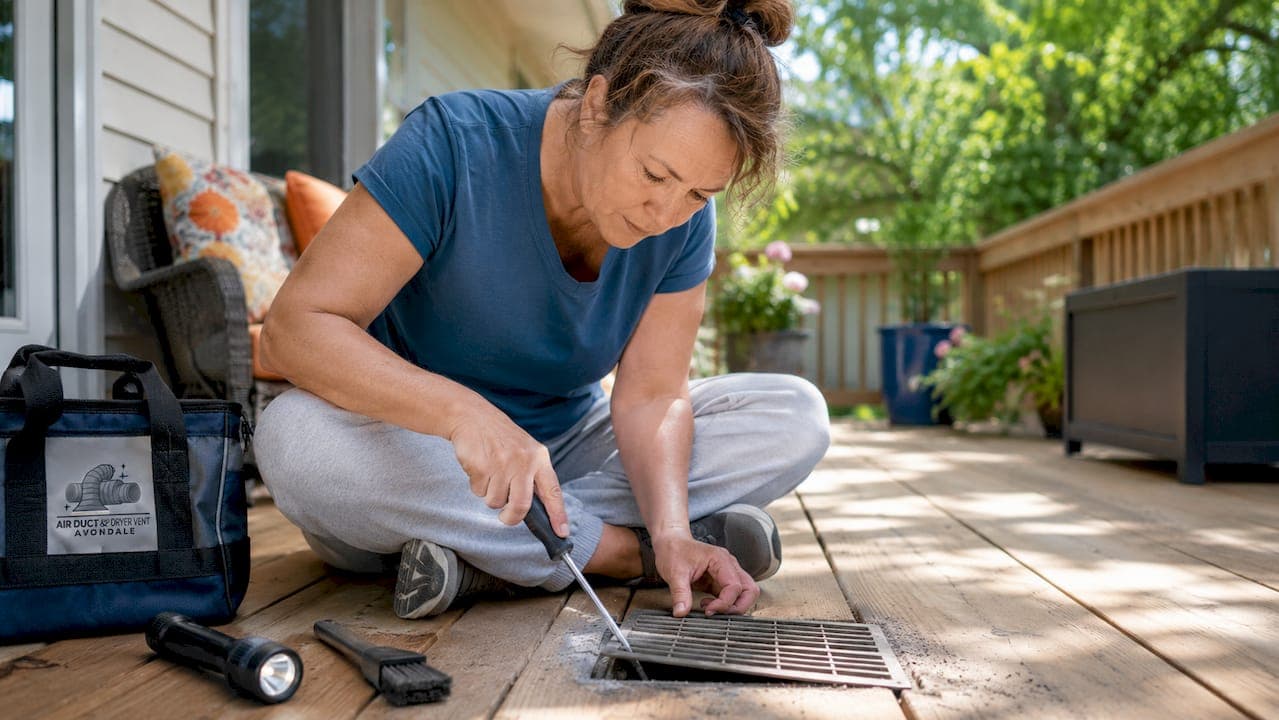
- Visible buildup through the register. Shine a flashlight through an open return vent. Flashlight visual inspection is the most practical early detection method available to homeowners without professional equipment.
Pro Tip: Check your return air vents first, not supply vents. Return vents pull air in and accumulate debris faster. Remove the register cover and use a phone flashlight to look at the first 12–18 inches of duct. Visible dust piles or dark coating on duct walls means buildup has progressed beyond surface dust.
Property managers should add this flashlight check to their HVAC maintenance checklist for each unit at least twice a year. Catching buildup early keeps remediation costs low and tenant complaints lower.
How to prevent and remove debris buildup: maintenance and cleaning best practices
Prevention is more cost-effective than remediation. The single most effective action you can take is consistent filter maintenance. Proper filter maintenance is the most effective way to prevent debris accumulation inside ductwork. Everything else is secondary.
Filter replacement schedule:
- Standard homes without pets: every 60–90 days
- Homes with one pet: every 30–60 days
- Homes with multiple pets or allergy sufferers: every 20–30 days
- High-pollen seasons in Arizona: increase frequency by one interval
Beyond filters, regular surface maintenance keeps debris from migrating into the system:
- Vacuum vent covers and surrounding wall or ceiling areas monthly.
- Wipe register grilles with a damp cloth to remove surface dust before it gets drawn back in.
- Keep the area around return vents clear of furniture, rugs, and curtains that restrict airflow and create turbulence that pulls debris in.
For more detail on building a consistent maintenance routine, the air filter replacement guide covers frequency, filter ratings, and what MERV ratings actually mean for debris capture.
DIY cleaning versus professional service
| Situation | DIY approach | Professional service needed |
|---|---|---|
| Surface dust on registers | Wipe and vacuum covers | No |
| Mild dust visible in first duct section | Vacuum with brush attachment | Possibly |
| Visible mold inside ducts | Do not disturb | Yes, immediately |
| Post-renovation debris | Seal vents during work | Yes, after renovation |
| Pest evidence inside ducts | Do not disturb | Yes, with pest remediation |
| Dark rings and recurring dust despite cleaning | Inspect filters and seals | Likely yes |
Household vacuuming cannot reach debris lodged in duct bends and joints. Deep duct debris in those locations requires professional equipment to extract safely. Attempting to dislodge it without proper containment spreads particles throughout the home.
Whole-home air purifiers with HEPA filtration work as a complementary layer, capturing particles that filters miss. They do not replace duct cleaning when contamination is present, but they reduce the rate of new accumulation between professional service intervals.
When and why professional air vent cleaning is necessary
The EPA does not recommend routine annual duct cleaning as a standard practice. Annual duct cleaning is not typically needed unless specific conditions are present. That guidance protects homeowners from unnecessary spending, but it also means that when those conditions do appear, cleaning becomes urgent rather than optional.
Professional cleaning is necessary when you observe:
- Visible mold growth inside ducts or on other HVAC components
- Confirmed pest infestation with droppings or nesting material inside the duct system
- Excessive debris visibly releasing particles into living spaces during system operation
- Post-renovation contamination from drywall dust, insulation fibers, or plaster particulate
- Persistent odors that do not resolve after filter changes and surface cleaning
The risks of ignoring these conditions go beyond air quality. Blocked ducts reduce airflow, which forces the HVAC system to run longer cycles to reach set temperatures. That translates directly to higher energy bills and accelerated wear on the blower motor and heat exchanger.
What professional cleaning actually involves
Qualified professionals use HEPA-filtered vacuum systems operating under negative pressure. Professional cleaning with HEPA vacuums requires cleaning all system components, not just accessible duct sections. Partial cleaning risks immediate re-contamination as debris from uncleaned sections migrates back into cleaned areas. Any service provider who cleans only the registers and a few feet of duct is not performing a complete job.
Pro Tip: Ask any prospective duct cleaning provider whether they clean the air handler, coils, and drain pan in addition to the ductwork itself. A complete system clean covers every component. If a provider only cleans the ducts, debris from the air handler will re-contaminate the system within days.
For property managers, the cost-benefit calculation is straightforward. A full professional cleaning every 3–5 years, combined with consistent filter changes, costs far less than an HVAC replacement driven by debris-related component failure. Airanddryerventcleaningavondale provides professional duct cleaning services for both residential and commercial properties in Avondale, Arizona, following industry protocols that address the full system.
Key takeaways
Debris buildup in vents becomes a genuine health and efficiency problem only when it contains mold, pest contamination, or post-renovation particulate. Regular filter changes and visual inspections prevent most cases from reaching that threshold.
| Point | Details |
|---|---|
| Define the problem accurately | Debris buildup is particulate accumulation in ducts; normal dust differs from harmful contamination. |
| Filter changes are the top prevention | Replace filters every 20–90 days depending on pets, allergies, and pollen levels. |
| Know the warning signs | Dark vent rings, dust clouds at startup, musty odors, and rattling noises all signal critical buildup. |
| DIY has clear limits | Household vacuuming cannot reach deep duct debris; professional HEPA extraction is required for contamination. |
| Professional cleaning has specific triggers | EPA guidance reserves professional cleaning for mold, pests, excessive debris, or post-renovation contamination. |
What I've learned from years of watching homeowners get this wrong
Most homeowners fall into one of two traps. The first group ignores their vents entirely until a problem forces their hand. The second group schedules annual duct cleaning as a ritual, spending money on a service they may not need while neglecting the one thing that actually prevents buildup: changing the filter on time.
The filter is the gatekeeper. I have seen homes with spotless duct interiors because the owner changed a quality MERV-8 or MERV-11 filter every 30 days without fail. I have also seen homes where a duct cleaning was done six months prior, but the filter had not been changed since, and the ducts were already coated again. The cleaning was wasted money.
The flashlight inspection is underused. Homeowners who pull a register cover and look inside with a phone light every six months catch problems early. They see the difference between a light gray film of normal dust and the dark, packed accumulation that signals a real issue. That five-minute check has saved more than a few people from expensive remediation.
My honest recommendation: understand your filter replacement schedule first, then do a visual inspection twice a year. If you see mold, smell something persistent, or recently finished a renovation, call a professional immediately. Do not wait for symptoms to appear in your household. By the time people are coughing, the contamination has been circulating for weeks.
The vent cleaning workflow that Airanddryerventcleaningavondale uses addresses the full system, not just the visible registers. That matters because partial cleaning is almost as bad as no cleaning.
— Shaun
Professional vent cleaning services in Avondale, AZ
Debris accumulation in vents is a manageable problem when you have the right team behind you.
Airanddryerventcleaningavondale provides residential and commercial air vent cleaning for homeowners and property managers throughout Avondale, Arizona. Every service uses HEPA-filtered equipment and covers the full HVAC system, including air handlers, coils, and ductwork, to prevent re-contamination. The team also handles dryer vent cleaning and duct repairs for properties dealing with leaks that drive ongoing debris issues. Flexible scheduling, including after-hours appointments, makes it practical for property managers overseeing multiple units. Contact Airanddryerventcleaningavondale to schedule an inspection and get a clear picture of your system's condition before problems escalate.
FAQ
What is debris buildup in vents exactly?
Debris buildup in vents is the accumulation of dust, pet dander, mold spores, pollen, and other particles inside HVAC ductwork and registers. The industry term is particulate accumulation in ductwork, and it becomes a health concern when it includes mold, pest material, or post-renovation contaminants.
How often should air ducts be professionally cleaned?
The EPA does not recommend routine annual cleaning. Professional cleaning is warranted when there is visible mold, confirmed pest infestation, excessive debris releasing into living spaces, or contamination from construction work.
What are the most reliable signs of vent debris buildup?
Dark rings around vent registers, visible dust clouds when the HVAC starts, persistent musty odors, and rattling or whistling noises are the clearest physical indicators. A flashlight inspection through an open return vent confirms whether buildup has progressed beyond surface dust.
Can I remove vent debris myself?
You can clean register covers and the first few inches of accessible duct with a vacuum and brush attachment. Deep debris lodged in duct bends and joints requires professional HEPA-filtered equipment. Attempting to dislodge deep buildup without proper containment spreads particles throughout the home.
Does duct cleaning reduce household dust levels?
Not significantly. Most household dust enters through normal activity, not through ducts. Duct cleaning addresses contamination inside the system but does not replace consistent filter changes, which remain the most effective way to reduce overall dust accumulation.