
TL;DR:
- Vent blockages in plumbing and HVAC systems block airflow, trap harmful sewer gases, and demand urgent maintenance. Ignoring early signs risks health hazards, fire, and costly system failures. Regular inspections and professional cleaning prevent dangerous buildup and ensure home safety.
Vent blockages are obstructions in your home's plumbing vent stacks or HVAC ductwork that disrupt airflow, trap sewer gases, and force your systems to work harder than they should. Addressing vent blockages is not optional maintenance. It is a direct safety requirement. Blocked plumbing vents allow harmful sewer gases, including methane, ammonia, and hydrogen sulfide, to enter your living spaces by siphoning water out of P-traps. The EPA classifies ventilation maintenance as a core indoor air quality control. Homeowners and property managers who ignore early warning signs risk health hazards, fire exposure, and expensive system failures.
Why address vent blockages before they become dangerous
Vent blockages fall into two categories: plumbing vent stack obstructions and HVAC duct blockages. Both share the same core problem. They restrict airflow in systems that depend on free movement of air to function safely. The industry term for the plumbing side is "drain-waste-vent" (DWV) system failure, and it carries consequences far beyond a slow drain.
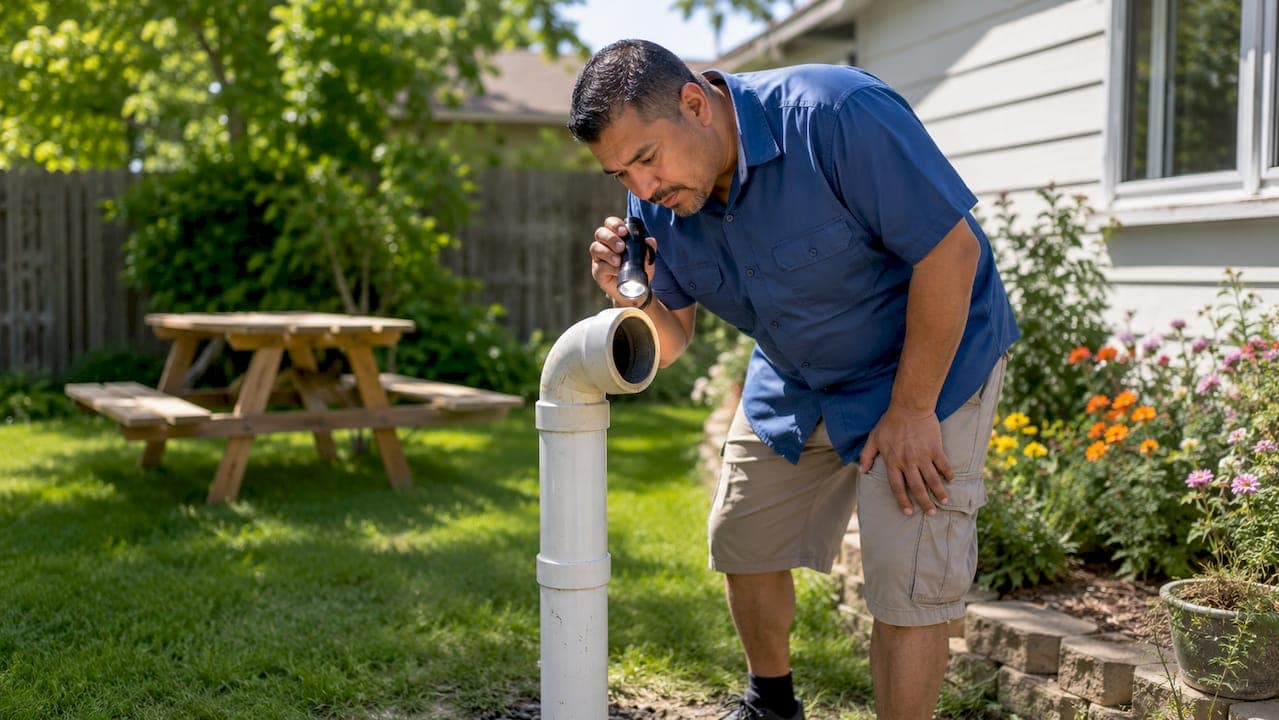
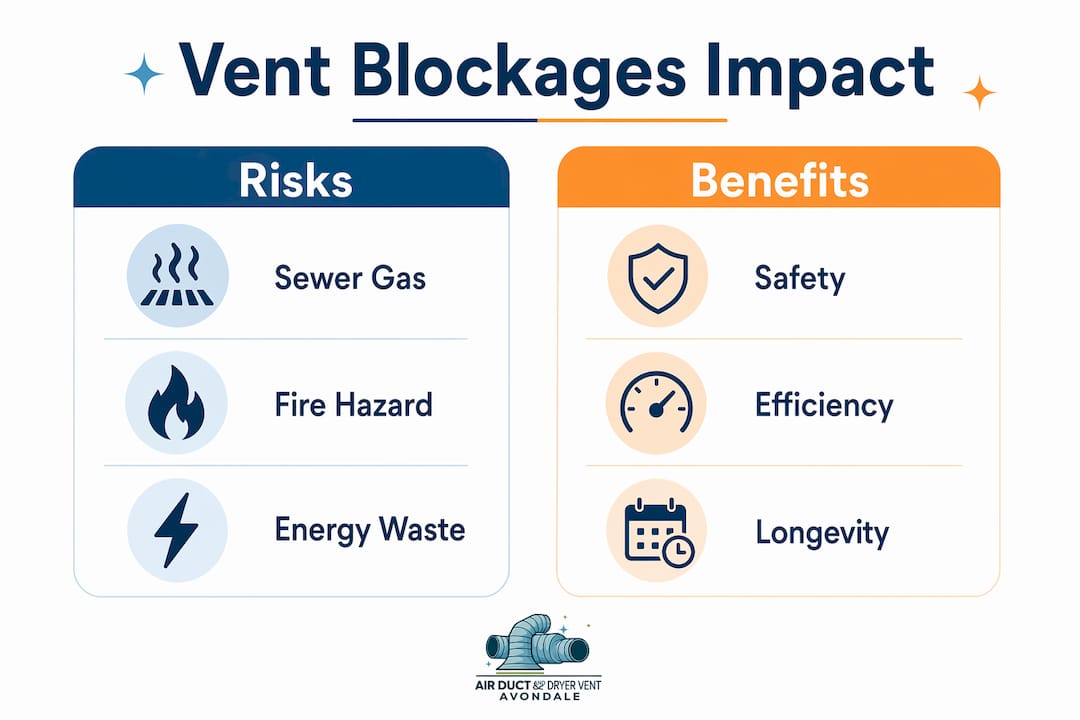
The most immediate danger is gas infiltration. Sewer gases like methane are flammable. Hydrogen sulfide is toxic at low concentrations. Ammonia irritates the respiratory system. When a vent stack is blocked, these gases have nowhere to escape through the roof. They push back through your drains instead. That rotten egg smell near your bathroom sink is not a minor nuisance. It is a warning sign that your DWV system has lost its pressure balance.
On the HVAC side, poor vent maintenance increases energy consumption by 11% or more and shortens equipment lifespan. That means your air conditioner or furnace works harder, wears out faster, and costs you more every month. In Avondale, Arizona, where summer cooling loads are extreme, a partially blocked duct system compounds the problem significantly.
Scheduled inspections prevent these failures from compounding silently. Ventilation is a critical safety system, not just equipment, and proactive maintenance is the only reliable way to catch blockages before they cause damage.
What causes vent blockages and how do you spot the signs?
Common causes of vent blockages
Organic debris, bird or animal nests, ice formation, and improper installation pitch are the four most frequent causes of vent blockages. Each one behaves differently and requires a different response.
- Organic debris: Leaves, cottonwood seeds, and twigs accumulate at the top of roof vent stacks, especially in spring and fall. Cottonwood trees are a known seasonal hazard in the Southwest, and their fiber-like seeds compact quickly inside vent openings.
- Bird and animal nests: Birds, squirrels, and wasps build nests directly inside vent stacks. These obstructions are dense and often go unnoticed for months.
- Ice formation: In colder climates, moisture inside vent pipes freezes near the opening, sealing the stack entirely. This is less common in Avondale but relevant for property managers overseeing multiple locations.
- Improper installation pitch: Flat or downward-pitched vent pipe runs trap moisture and debris, creating hardened blockages that cleaning alone cannot fix. These installations require re-piping, not just clearing.
Signs your vent is blocked
Recognizing the signs early saves you from costly repairs. Here is what to watch for:
- Gurgling sounds after flushing a toilet or draining a sink. This sound is air being pulled through water in the P-trap because the vent cannot equalize pressure.
- Slow drains across multiple fixtures. A single slow drain usually points to a localized clog. Multiple fixtures draining slowly and gurgling after toilet flushing signal a vent issue, not a pipe clog.
- Foul odors near drains. Sewer gas smell near any fixture means P-trap water has been siphoned out. The gas barrier is gone.
- Weak airflow from HVAC registers. Rooms that never reach the set temperature despite a functioning unit often have blocked or collapsed duct sections.
The critical distinction: vent blockages masquerade as drain clogs. If a plumber snakes your drain and the problem returns within days, the vent stack is the actual source.
How do vent blockages impact indoor air quality and home safety?
Blocked vents create a pressure imbalance inside your drain-waste-vent system. This pressure imbalance siphons water from P-traps, removing the water seal that blocks sewer gases from entering your home. Once that seal is gone, methane, hydrogen sulfide, and ammonia flow freely into your living space through every open drain.
The health stakes are real. Methane is flammable and can accumulate to explosive concentrations in enclosed spaces. Hydrogen sulfide causes headaches, nausea, and eye irritation at low levels, and is lethal at high concentrations. Ammonia aggravates asthma and other respiratory conditions. These are not theoretical risks for a home with a blocked vent stack.
The EPA's indoor air quality guidelines identify ventilation as a primary control for maintaining safe air in residential buildings. Routine vent cleaning is critical when mold, pests, or excessive debris are present. The EPA's position is clear: preventive maintenance, including regular inspections and filter changes, is the standard, not the exception.
Beyond gas infiltration, blocked HVAC vents create a different but equally serious problem. When supply or return air ducts are partially blocked, your system cannot maintain proper airflow. The result is uneven temperatures, higher humidity, and mold growth inside ductwork. Mold spores then circulate through your home every time the system runs. For families with allergies or asthma, this is a direct health trigger.
The energy cost is also measurable. Minor vent blockages increase energy consumption by 11% or more. That percentage translates directly to higher utility bills every month the blockage goes unaddressed. Over a full Arizona summer, the financial impact adds up fast.
Scheduled inspections prevent invisible failures that lead to dangerous sewer gas buildup and fire hazards. Treating ventilation as a safety system, rather than background infrastructure, is the mindset shift that protects your home and your family.
How to inspect, diagnose, and clear vent blockages safely
Visual and auditory inspection
Start from inside the home. Walk through each bathroom and kitchen and listen for gurgling sounds when you run water or flush. Check every drain for slow drainage. Note whether the problem affects one fixture or several. Multiple affected fixtures point directly to the vent stack.
Next, inspect the roof vent opening from the ground using binoculars if needed. Look for visible debris, nesting material, or any obstruction at the pipe opening. Do not climb the roof without proper safety equipment and footwear. Roof falls are a leading cause of home improvement injuries.
Tools and methods for clearing blockages
- Garden hose flushing: For debris near the top of the vent stack, insert a garden hose into the vent opening from the roof and run water at full pressure. This dislodges loose leaves, cottonwood, and light debris effectively.
- Plumber's snake (drain auger): Feed a plumber's snake down the vent stack to break up or retrieve compacted material. Standard residential snakes reach 25 feet, which covers most roof-to-drain distances.
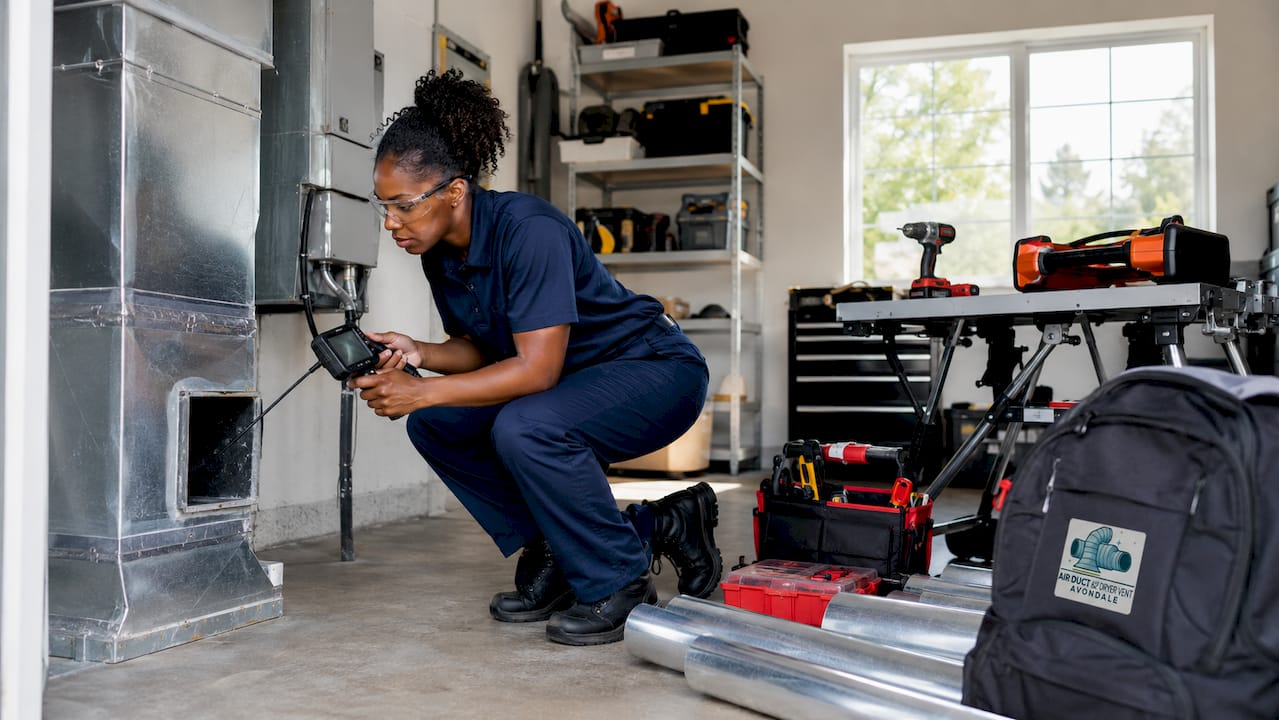
- Electrician's fish tape or probe: For HVAC duct inspections, a flexible probe with a camera attachment lets you see inside duct runs without cutting into walls. This is the diagnostic step before any cleaning.
- Wet/dry vacuum: At the vent opening, a wet/dry vacuum can pull out loose nesting material or debris before flushing.
Pro Tip: Before going on the roof, run water in every fixture and have someone inside the home listen for gurgling. If the gurgling stops when you cover the vent opening with your hand, the blockage is confirmed in that stack.
Limitations of DIY clearing
Most DIY attempts fail because obstructions sit deep in vent stacks, beyond the reach of standard tools. Roof work also carries real safety risks. Incorrect clearing attempts can push debris deeper, create partial fixes that return within weeks, or damage the vent pipe itself. For a DIY vent inspection, the goal is diagnosis, not full resolution. Know your limits before you start.
DIY vs. professional vent maintenance: which is right for you?
| Factor | DIY approach | Professional service |
|---|---|---|
| Cost | Low upfront, tools required | Higher upfront, lower long-term risk |
| Effectiveness | Works for surface debris | Reaches deep blockages reliably |
| Safety | Roof access risk | Trained with proper safety equipment |
| Diagnosis accuracy | Limited without camera tools | Camera inspection confirms full picture |
| Recurring blockages | Often returns without root cause fix | Identifies installation defects |
| Time investment | Several hours per attempt | Scheduled, completed efficiently |
DIY maintenance works well for one specific scenario: routine visual checks and clearing of loose debris near the vent opening. If you can safely access your roof, a garden hose flush once or twice a year is a reasonable preventive step.
Professional service becomes necessary in four situations. First, when the blockage recurs within weeks of clearing. Second, when multiple fixtures are affected and DIY clearing has not resolved the problem. Third, when the vent pipe shows signs of improper pitch or installation defects, which require re-piping. Fourth, when roof access is unsafe due to pitch, height, or surface condition.
Pro Tip: Schedule a professional vent inspection every 1–2 years as a baseline. In areas with heavy tree cover or known wildlife activity, annual inspections are the smarter interval.
Homeowners consistently underestimate vent blockage risks and address only the drain clog while ignoring the ventilation system entirely. That pattern leads to repeat service calls and avoidable damage. A professional who identifies an installation defect on the first visit saves you from years of recurring problems.
The importance of vent maintenance extends beyond clearing blockages. Regular professional inspections catch mold growth, pest intrusion, and duct deterioration before these issues affect your air quality or your utility bills. That is the real value of professional service: not just fixing the current problem, but preventing the next one.
Key takeaways
Addressing vent blockages protects your home from sewer gas infiltration, fire risk, energy waste, and HVAC failure, making regular inspection the single most cost-effective maintenance step a homeowner can take.
| Point | Details |
|---|---|
| Sewer gas is the primary danger | Blocked vents allow methane, hydrogen sulfide, and ammonia to enter living spaces through open drains. |
| Multiple slow drains signal vent issues | System-wide drainage problems point to the vent stack, not individual pipe clogs. |
| Energy costs rise with blockages | Even minor vent obstructions increase HVAC energy consumption by 11% or more. |
| DIY works only for surface debris | Deep blockages and installation defects require professional tools and diagnosis. |
| Annual inspections prevent compounding damage | Scheduled professional checks catch mold, pests, and defects before they escalate. |
What years of vent work have taught me about homeowner blind spots
Most homeowners call about a slow drain. They have already poured a bottle of drain cleaner down the pipe, maybe run a snake, and gotten temporary relief. What they have not done is look up. The vent stack is almost never on their radar.
The uncomfortable truth I have seen play out repeatedly: the drain clog is a symptom. The vent blockage is the cause. When the vent cannot equalize pressure, every drain in the system fights against negative pressure every time water moves through it. That is why the problem keeps coming back after a standard drain cleaning.
The other misconception I run into constantly is that foul odors mean a dirty drain. Sometimes that is true. But when the smell is sulfurous or ammonia-like and it appears near multiple fixtures, that is sewer gas. That is a ventilation failure, not a cleaning problem. Pouring more cleaner down the drain does nothing to fix it and can actually mask the warning sign long enough for gas to accumulate.
What I tell every homeowner: treat your vent system the way you treat your smoke detectors. You do not wait for the alarm to go off before you check the batteries. You check them on a schedule because the cost of failure is too high. A blocked vent stack that goes unaddressed long enough is not just an inconvenience. It is a fire risk and a health hazard sitting inside your walls.
The good news is that prevention is genuinely simple. A visual roof inspection once a year, combined with a professional cleaning every one to two years, is enough to catch the vast majority of problems before they become dangerous. The homeowners who call me with the worst situations are almost always the ones who skipped that step for three or four years running.
— Shaun
Get your vents professionally inspected and cleared in Avondale
Vent blockages do not announce themselves until the damage is already building. If you have noticed slow drains, gurgling sounds, or unexplained odors in your home, those are signals worth acting on now.
Airanddryerventcleaningavondale provides professional air vent cleaning and dryer vent cleaning services for residential and commercial properties throughout Avondale, Arizona. The team uses camera inspection tools to diagnose blockages accurately, not just clear surface debris. Services include air duct cleaning, vent replacement, air quality testing, and HVAC repairs, all backed by warranties and flexible scheduling. If you want a clear picture of what is happening inside your vent system, Airanddryerventcleaningavondale is the local expert to call.
FAQ
What are the main reasons to address vent blockages?
Vent blockages allow dangerous sewer gases like methane and hydrogen sulfide to enter your home, cause drainage failures, and force your HVAC system to consume more energy. Clearing blockages protects your health, safety, and equipment.
What are the signs of a vent blockage in a home?
Gurgling sounds after flushing, slow drains across multiple fixtures, and sewer gas odors near drains are the clearest signs. When several fixtures are affected at once, the vent stack is the likely cause rather than an individual pipe clog.
Can I clear a vent blockage myself?
You can clear loose surface debris near the vent opening using a garden hose or wet/dry vacuum. Deep blockages, recurring problems, and installation defects require professional tools and expertise to resolve safely and completely.
How often should vent systems be inspected?
Professional inspection every 1–2 years is the standard recommendation for most homes. Properties near heavy tree cover or with known wildlife activity benefit from annual inspections to catch nesting and debris buildup early.
Do blocked vents affect energy bills?
Yes. Poor vent and duct maintenance increases HVAC energy consumption by 11% or more, according to commercial HVAC data. In high-heat climates like Avondale, Arizona, that increase shows up clearly on monthly utility bills.