
TL;DR:
- Extreme Arizona heat accelerates duct insulation degradation, leading to significant energy loss.
- Proper inspection, sealing, and upgrading to higher R-values improve efficiency and indoor air quality.
- Sealing leaks before insulation yields the best ROI and helps prevent costly reassessment.
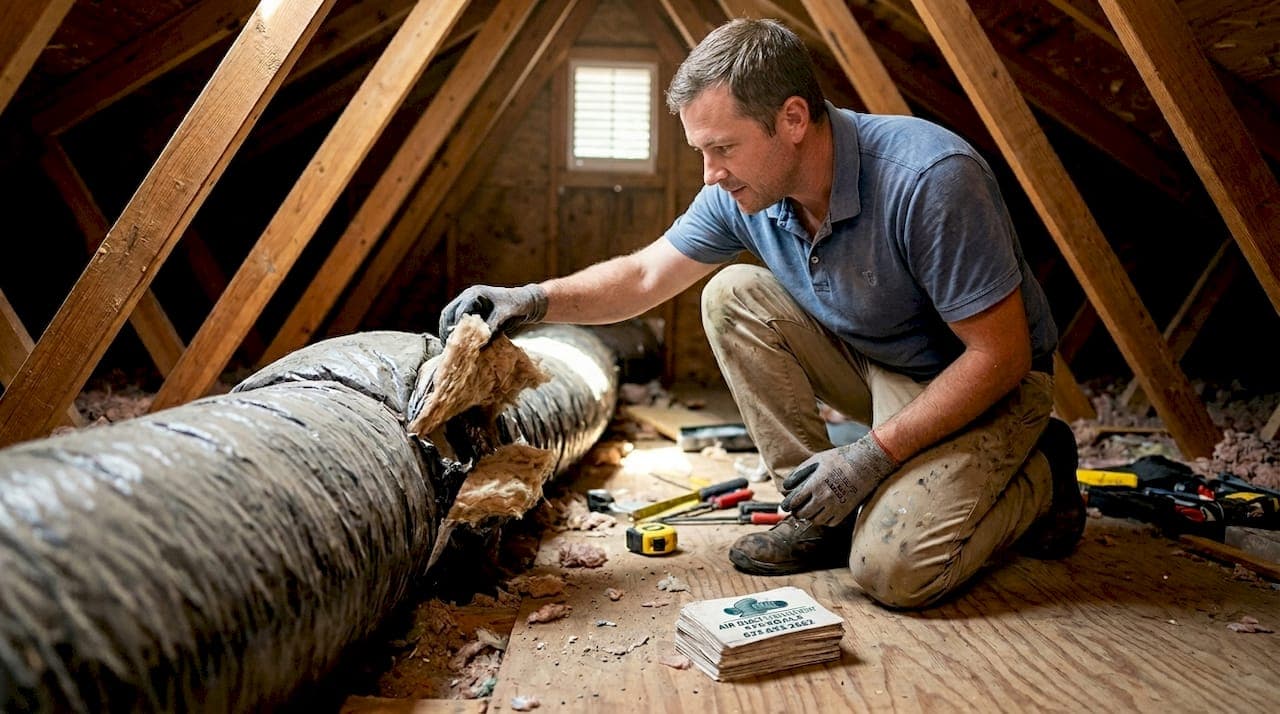
When your attic hits 150°F on a summer afternoon, even a small gap in duct insulation can drain 20 to 30% of your cooling straight into that superheated space. For homeowners and businesses in Avondale, Arizona, that is not a minor inconvenience. It shows up on your energy bill every single month. Degraded or displaced insulation reduces R-value, forces your AC to work overtime, and leaves rooms uncomfortably warm no matter how low you set the thermostat. This guide walks you through what a proper duct insulation inspection looks for, why Avondale's extreme climate makes it especially urgent, and the practical steps you can take right now to protect your comfort and your budget.
Table of Contents
- Why Avondale's climate makes duct insulation inspection critical
- What a duct insulation inspection reveals
- Energy savings, compliance, and indoor air quality gains
- When to repair, replace, or upgrade duct insulation
- The hidden ROI and what most duct guides miss
- Enhance efficiency and air quality in Avondale
- Frequently asked questions
Key Takeaways
| Point | Details |
|---|---|
| Arizona heat accelerates insulation issues | Attic temperatures over 150°F make regular duct insulation checks critical in Avondale. |
| Inspection reveals hidden problems | A professional can spot gaps, degradation, and code issues that raise energy bills and lower air quality. |
| Seal before insulating for best results | Fixing leaks before upgrading insulation can boost cooling savings by up to 15%. |
| Upgrade to R-8 whenever possible | Going beyond minimum code delivers better comfort and long-term ROI in Arizona’s climate. |
Why Avondale's climate makes duct insulation inspection critical
Avondale sits in Arizona's Sonoran Desert, and the summer heat is not just uncomfortable. It is actively destructive to your duct system. Attic temperatures in this region routinely climb past 150°F from June through September, creating conditions that rapidly break down insulation materials, vapor barriers, and the flexible duct coverings that carry cooled air throughout your home or business.
Here is the core problem: your air conditioning system cools air and pushes it through ducts. If those ducts run through an unconditioned attic, every foot of poorly insulated ductwork acts like a heat exchanger working against you. The 20 to 30% cooling energy loss that can result from degraded or displaced insulation means your system cycles longer, wears faster, and costs you more every season.
R-value is the measure of insulation's thermal resistance. A higher R-value means less heat transfer. When insulation gets compressed, shifted, or cracked, its R-value drops, sometimes dramatically, even if it still looks intact from a distance.
Local and state building codes recognize the severity of Arizona's conditions. Climate Zone 2B requirements under the IECC set a minimum R-6 for ducts in unconditioned spaces, though many Avondale inspectors and contractors recommend R-8 as the real-world standard for effective protection here.
What makes Avondale's situation unique compared to, say, a home in the Midwest?
- UV radiation: Intense desert sunlight degrades flexible duct outer jackets faster than in other climates, creating cracks that leak air and invite moisture.
- Thermal cycling: The dramatic swing between day and night temperatures causes materials to expand and contract repeatedly, loosening connections and compressing insulation over time.
- Dry heat: Low humidity means mold is less common, but it also dries out adhesives and vapor barriers faster, leading to delamination.
- Attic radiant heat: Without a radiant barrier attic insulation layer, heat radiates directly onto duct surfaces, accelerating material breakdown.
- Dust accumulation: Fine desert dust infiltrates any gap, coating duct interiors and degrading air quality simultaneously.
The result is that an Avondale duct system that received no inspection in the last three to five years may be operating well below its designed efficiency, costing you real money every day the AC runs.
Now that you understand why this topic hits home for Avondale, let's dig into what a duct insulation inspection actually checks for and what it can uncover.
What a duct insulation inspection reveals
With a clear view of Avondale's climate factors, you're ready to follow what an actual inspection covers. A qualified technician does far more than a quick visual scan. Here is the stepwise process:
- Visual survey of all accessible ductwork. The technician notes obvious damage, gaps, exposed metal, or areas where insulation has fallen away or been compressed by foot traffic in the attic.
- R-value verification. Insulation thickness is measured and compared to the required minimum. Compressed batting often measures at the correct depth but delivers a fraction of the rated R-value.
- Vapor barrier check. In Avondale's dry but occasionally humid monsoon season, vapor barriers on flex ducts and ductboard matter. Inspectors look for tears, delamination, and moisture intrusion points.
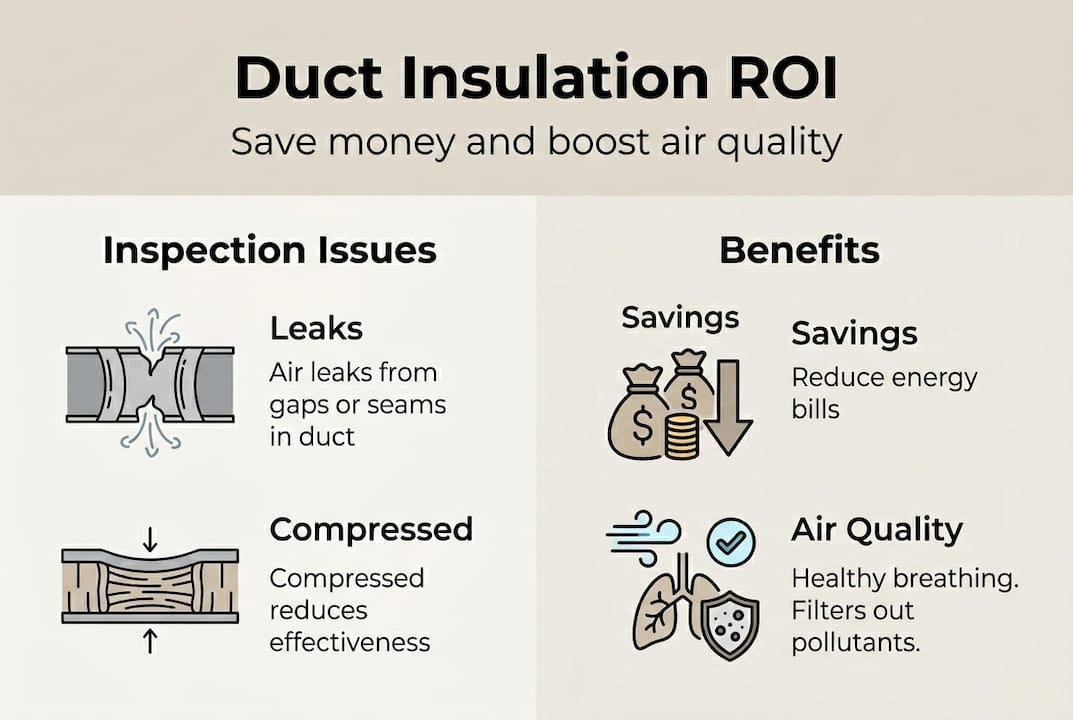
- Pressure testing for hidden leaks. A blower or duct pressurization test identifies leaks that cannot be seen. Leaks exceeding 30% of airflow can drive energy bills up by 20 to 40%, and many of these leaks hide under intact-looking insulation.
- Fire rating verification. Exposed ductwork in mechanical rooms or commercial spaces must use NFPA 90A fire-rated materials. Inspectors confirm compliance and flag any sections using non-rated products.
- Age and condition assessment. Ductboard over 15 years old, or any section showing delamination, gets flagged for replacement rather than repair.
Pro Tip: Before any insulation work begins, clean the ducts first. Trapping dust, debris, or pest residue under new insulation is a common mistake that degrades air quality and can create odor problems. Consider reviewing DIY duct cleaning basics or scheduling professional vent cleaning before any insulation upgrade.
Here is what inspectors commonly find in Avondale homes and what each finding means:
| Finding | What it means | Action needed |
|---|---|---|
| Compressed insulation | Lower R-value than rated | Re-insulate or add layer |
| Gaps at duct joints | Air and heat leakage | Seal with mastic, then insulate |
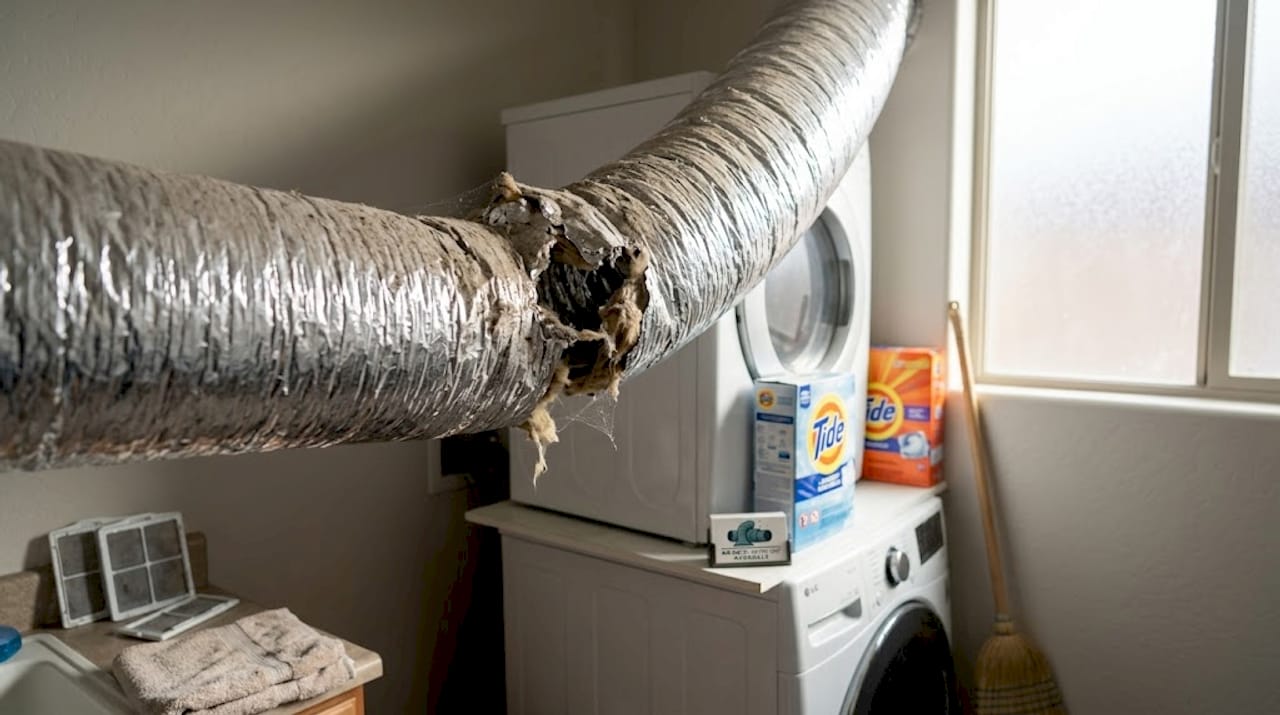
| Cracked flex duct jacket | UV damage, possible leaks | Replace affected sections |
| Delaminated ductboard | Structural failure, contamination risk | Full replacement |
| Missing vapor barrier | Moisture risk during monsoon | Repair or rewrap |
| Non-rated exposed duct | Fire safety violation | Replace with NFPA 90A materials |
One often-overlooked benefit of inspection is the soundproofing duct insulation effect. Proper insulation also reduces the noise of airflow and mechanical vibration, which matters in both homes and commercial spaces.
Energy savings, compliance, and indoor air quality gains
Once you know what an inspection highlights, here is how the findings translate into big wins for your wallet and your well-being.
The numbers are clear. Upgrading from R-4 to R-8 insulation on attic ductwork yields 8 to 15% cooling savings per season. In a desert climate where AC runs five to seven months a year, that adds up fast. But insulation upgrades alone are not the whole story.
Sealing leaks delivers the biggest ROI. Leakage dominates insulation as the primary driver of energy waste in most Arizona homes. A duct system leaking more than 30% of its airflow can push your monthly cooling costs up by 20 to 40%, no matter how thick the insulation is. Seal the leaks first, then insulate.
Here is a comparison of common duct upgrade scenarios:
| Scenario | Est. cooling savings | Primary benefit |
|---|---|---|
| Insulation only (R-4 to R-8) | 8 to 15% | Reduced heat gain |
| Sealing only (leaks under 30%) | 10 to 20% | Direct airflow improvement |
| Seal + insulate upgrade | 18 to 30%+ | Maximum efficiency gain |
| No action (degraded system) | 0% (losses compound) | None |
Beyond the energy math, there are compliance and air quality benefits you cannot put a price on so easily.
- Code compliance: Inspections verify your system meets current standards, protecting you from violations if you sell the home or renew a commercial lease.
- Reduced contaminant movement: Gaps in duct insulation are often paired with gaps in the duct itself. Sealing them means fewer particles, allergens, and desert dust entering your airstream. This is a direct indoor air quality win.
- Less HVAC wear: A system that isn't fighting heat gain through every foot of duct runs fewer cycles, extending compressor and blower life significantly. Learn more about when upgrading your HVAC system makes sense after addressing duct issues.
- Insurance and resale value: Documented compliance and recent inspection records can support your homeowner's insurance claims and add confidence for buyers.
For a deeper look at the full picture of duct replacement for energy savings, including when full replacement beats repair, you will find that inspection data drives every smart decision. And reviewing duct inspection benefits can help you frame what to expect before booking a technician.
When to repair, replace, or upgrade duct insulation
With clear benefits in mind, here is how to act on your inspection results, whether the result is a simple fix or a full upgrade.
Not every inspection finding requires a full overhaul. Here is a practical decision checklist:
- Minor compression or shifting: Re-insulate the affected sections. Add an additional layer if the existing material is otherwise intact and less than 10 to 12 years old.
- Gaps at joints or connections: Seal with mastic compound rather than duct tape. Mastic outlasts tape significantly in Arizona's dry heat, where adhesive tapes dry out and fail within a few seasons.
- Cracked or UV-damaged flex duct jacket: Replace the damaged section entirely. Patching is a short-term fix in extreme heat conditions.
- Ductboard over 15 years old or delaminated: Full replacement is required, not re-insulation. Delaminated ductboard can release fibers into your airstream and creates a contamination risk.
- Failed vapor barrier: Rewrap or replace the barrier before re-insulating. A torn vapor barrier during monsoon season can trap moisture against the duct surface.
- Exposed ductwork failing fire rating: Replace with NFPA 90A compliant ducting immediately. This is a safety issue, not just a code question.
The golden rule for Avondale duct upgrades: inspect, seal, then insulate. Skipping the seal step wastes your insulation investment and leaves the biggest energy losses untouched.
Pro Tip: Ask your technician specifically about pressure testing, not just visual inspection. In a climate this extreme, hidden micro-leaks add up. A technician who only looks is missing half the story. For step-by-step guidance on fixing what inspection reveals, the repairing ductwork tips resource covers common repair methods in practical detail.
Flex duct in Arizona deserves special attention. The outer jacket on flex duct breaks down faster here than almost anywhere else in the country due to UV exposure and constant thermal cycling. If your home has flex duct in the attic and it has not been inspected in five or more years, treat it as a high-priority item regardless of age.
The hidden ROI and what most duct guides miss
Most articles on duct insulation stop at a basic explanation of R-values and call it done. In our experience working in Avondale's specific conditions, that misses the point entirely.
Here is what we see repeatedly: homeowners insulate to the code minimum of R-6, check the box, and move on. But the step-up to R-8 often costs only marginally more and delivers measurably better returns in a climate where your AC runs relentlessly. The R-8 ROI advantage is real, and most guides simply do not make that case clearly enough.
Visual inspection also has a ceiling. In Arizona's dry heat, low humidity means mold is rare, which is good. But it also means UV cracking and flex duct degradation can progress invisibly from the outside while insulation appears intact. A pressure test quantifies what your eyes cannot see. We have found significant hidden leakage in systems that looked perfectly fine on the surface.
There is also an order-of-operations problem that costs homeowners money. Insulating before sealing is one of the most common and expensive mistakes we see. Sealing first, then adding or replacing insulation, is the only sequence that delivers the full duct inspection benefits in 2026. Reversing those steps locks in energy losses under a fresh layer of insulation. The stepwise approach, inspect first, seal every leak, then insulate to the appropriate R-value, is the framework that consistently delivers the best results in this climate.
Enhance efficiency and air quality in Avondale
Ready to put these steps into action? Here is how Avondale professionals can help you safeguard comfort, savings, and clean air.
Knowing what to look for is only half the job. Having a qualified local team carry out the inspection, sealing, and insulation work is what turns findings into measurable improvements. At Air Duct and Dryer Vent Cleaning Avondale, we handle the complete process from start to finish.
Our team provides thorough Avondale air duct and vent cleaning to prepare your system before any insulation upgrade, ensuring no contaminants get sealed in. We also offer indoor air quality testing to give you a before-and-after baseline for your investment. For businesses managing larger systems, our commercial duct cleaning services are designed for minimal disruption and maximum efficiency gains. Flexible scheduling, including after-hours appointments, means we work around your life, not the other way around. Contact us today to book your inspection.
Frequently asked questions
How often should duct insulation be inspected in Avondale, AZ?
Inspect duct insulation every 2 to 3 years due to rapid heat and UV degradation unique to Arizona attics. Flex duct in AZ heat degrades faster than in most other climates, making more frequent checks a sound investment.
Can damaged duct insulation affect indoor air quality?
Yes, gaps or degraded insulation often accompany duct leaks that let dust and contaminants enter your airstream, reducing the quality of your indoor air. Better insulation and sealing directly reduce particle movement through your ductwork.
Should I seal duct leaks before adding new insulation?
Absolutely. Seal all leaks first to prevent energy loss and ensure the insulation delivers full savings. Insulating over active leaks is one of the costliest mistakes in duct maintenance.
What's the minimum R-value for duct insulation in Avondale, AZ?
Local codes require at least R-6 in unconditioned spaces, but R-8 offers better efficiency and ROI for Avondale's extreme summer conditions. Investing the small additional cost for R-8 pays off consistently over time.
Recommended
- DIY duct cleaning: improve air quality and save energy
- What is duct inspection? Benefits for Avondale homes in 2026
- Schedule duct cleaning for healthier air and lower bills
- What is ductwork replacement? Improve air and save energy
- Why Schedule Professional HVAC Inspection for Your Property - HVAC Service and Repair | Louisville, KY | Project Heating & Cooling