
TL;DR:
- Laundromats need professional dryer vent cleaning every two to three months due to high-volume operation that causes lint buildup. This buildup significantly raises fire risks, energy costs, and equipment wear if neglected. Regular cleaning and maintenance protect safety, extend equipment lifespan, and ensure regulatory compliance.
Dryer vent service is the single most critical maintenance task a laundromat can schedule, directly determining fire safety, energy costs, and regulatory standing. The National Fire Protection Association (NFPA) links failure to clean dryer vents to about one-third of all dryer-related structure fires, with laundromats facing higher property losses because machines run continuously across dozens of daily loads. Unlike residential dryers, commercial units in laundromats generate lint at a rate that makes annual cleaning dangerously insufficient. Understanding why laundromats need dryer vent service means understanding the gap between what a lint trap catches and what actually builds up inside your ductwork.
Why laundromats need dryer vent service more than any other facility
Laundromat dryers operate under conditions no residential machine ever faces. A single commercial dryer may complete 15 to 20 cycles per day, seven days a week, with no cooling intervals between loads. That continuous operation accelerates lint accumulation to a pace that reaches hazardous levels in as little as three months. The industry term for the maintenance response to this is "commercial dryer vent cleaning," a service that goes well beyond the basic lint trap check most operators perform between loads.
The core problem is volume. Residential dryers run a few loads per week. Laundromat dryers process fabric from dozens of different customers, each load shedding lint into a duct system that may serve multiple machines through a shared exhaust manifold. That shared design means one neglected machine can compromise the airflow of every dryer connected to the same run. Laundromat dryer safety depends on treating the entire duct network as a system, not a collection of individual machines.
Airanddryerventcleaningavondale works specifically with commercial operators in Avondale, Arizona, and the pattern is consistent: facilities that rely on lint trap checks alone accumulate dangerous duct blockages within weeks of a professional cleaning. The lint trap is a filter, not a solution. It is the starting point of a maintenance program, not the end of it.
What are the fire risks of neglected dryer vents in laundromats?
Lint is highly flammable. When it accumulates inside ductwork, it creates a fuel source that sits inches from a heat-generating appliance running for hours every day. Dryer-related incidents cause roughly 15,600 structure fires annually in the United States, and lint is the first material ignited in 27% of those fires. That statistic means more than one in four dryer fires starts with the material your machines produce every single cycle.
Laundromats face a compounding risk that residential settings do not. The ductwork in a commercial laundry facility typically includes long horizontal runs, vertical risers, multiple 90-degree bends, and shared exhaust manifolds. Each of those features is a lint trap in its own right. Fire can travel through that complex ductwork and spread to wall cavities before any visible smoke or alarm triggers. By the time an operator notices a burning smell, the system is already at fire risk.
Blocked vents create a second, less visible hazard. When exhaust cannot escape properly, negative pressure builds inside the duct system. That pressure can cause backdrafting of carbon monoxide and other combustion gases back into the laundromat. Carbon monoxide is odorless and colorless. Customers and staff can be exposed without any awareness of the danger.
The warning signs most operators wait for, including burning smells, dryers shutting off mid-cycle, or clothes taking two cycles to dry, are late-stage indicators. A laundromat that waits for those signals is already operating in a fire-risk environment. The right response is a scheduled cleaning program that removes lint before it reaches ignition levels, not after the symptoms appear.
Key fire risk indicators to monitor between professional cleanings:
- Clothes taking longer than one normal cycle to dry fully
- Dryer exterior feeling unusually hot to the touch during operation
- Burning or musty smell coming from machines or the exhaust area
- Visible lint accumulation around the exterior vent hood
- Dryers shutting off before the cycle completes
How does a blocked dryer vent affect energy use and equipment life?
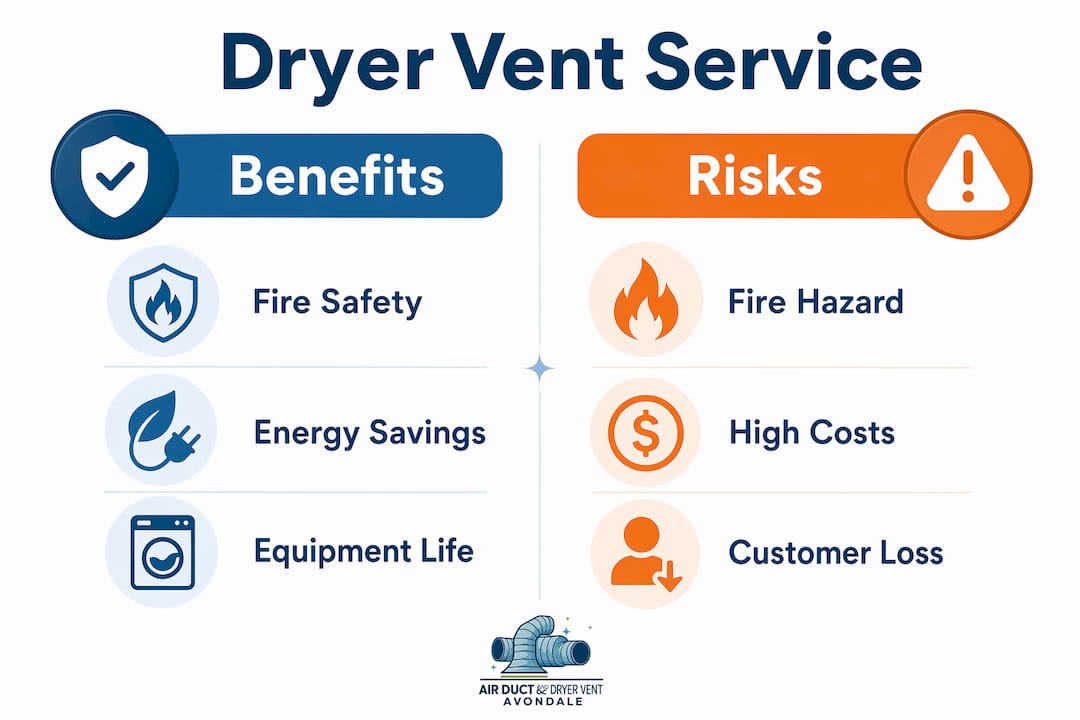
A dryer operating with 50% vent blockage consumes up to 30% more energy per cycle. For a laundromat running dozens of machines across hundreds of cycles per week, that energy penalty compounds into a significant monthly utility cost. The machines work harder, run hotter, and take longer to dry each load, all without producing better results for customers.
The equipment damage that follows is equally costly. When a dryer cannot exhaust heat efficiently, internal temperatures rise beyond design specifications. That excess heat degrades motor windings, stresses heating elements, and accelerates wear on drum bearings and belts. Blocked vents can reduce a commercial dryer's operational lifespan nearly by half. Replacing a commercial dryer is a significant capital expense. Replacing several machines in the same year because of preventable vent neglect is a business problem, not just a maintenance issue.
Customer experience takes a direct hit as well. Slow-drying machines frustrate customers and push them toward other facilities. A laundromat's reputation depends on machines that work reliably and quickly. When blocked vents force customers to run a second paid cycle just to finish drying, some leave and do not return. The benefits of dryer vent service include protecting that customer experience, not just the equipment behind it.
Scheduled preventive maintenance on commercial HVAC and ventilation systems is consistently shown to extend equipment life. The same principle applies directly to dryer vent systems in laundromats.
Pro Tip: Log each dryer's average cycle time weekly. A measurable increase in drying time, even 10 to 15 minutes per load, is one of the earliest and most reliable indicators of vent restriction before any visible symptoms appear.
Here is how vent blockage affects laundromat operations across three key areas:
- Energy consumption: A 50% blockage increases energy use by up to 30% per cycle, raising monthly utility bills across every affected machine.
- Equipment lifespan: Excess internal heat from poor exhaust degrades motors and heating elements, potentially cutting machine life nearly in half.
- Customer throughput: Slower drying times reduce the number of loads a machine can complete per day, directly cutting revenue per machine.
- Maintenance frequency: Overheating machines require more frequent repairs, increasing labor and parts costs between major service intervals.
Why is professional cleaning necessary beyond lint trap maintenance?
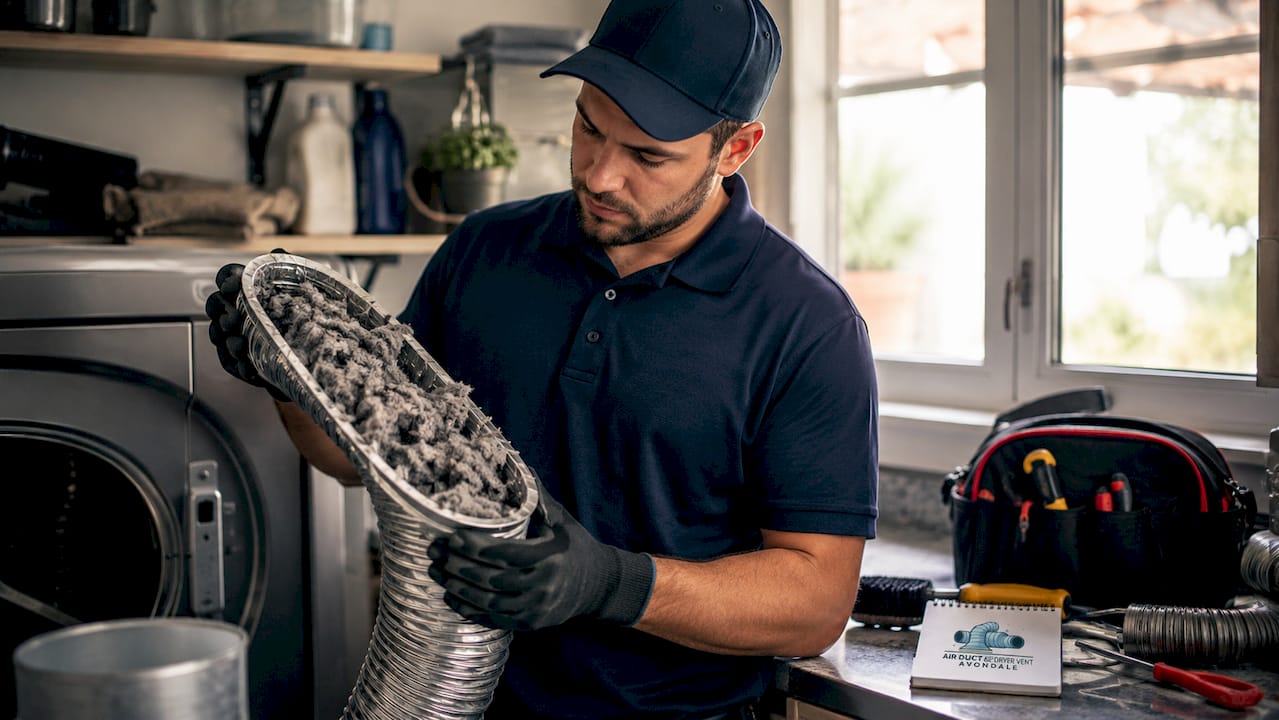
Lint traps catch approximately 70% of debris produced during a drying cycle. The remaining 30% bypasses the trap and moves into the duct system, where it settles on duct walls, collects at bends, and builds up inside shared exhaust manifolds. That 30% is invisible during routine operations. No amount of lint trap cleaning removes it.
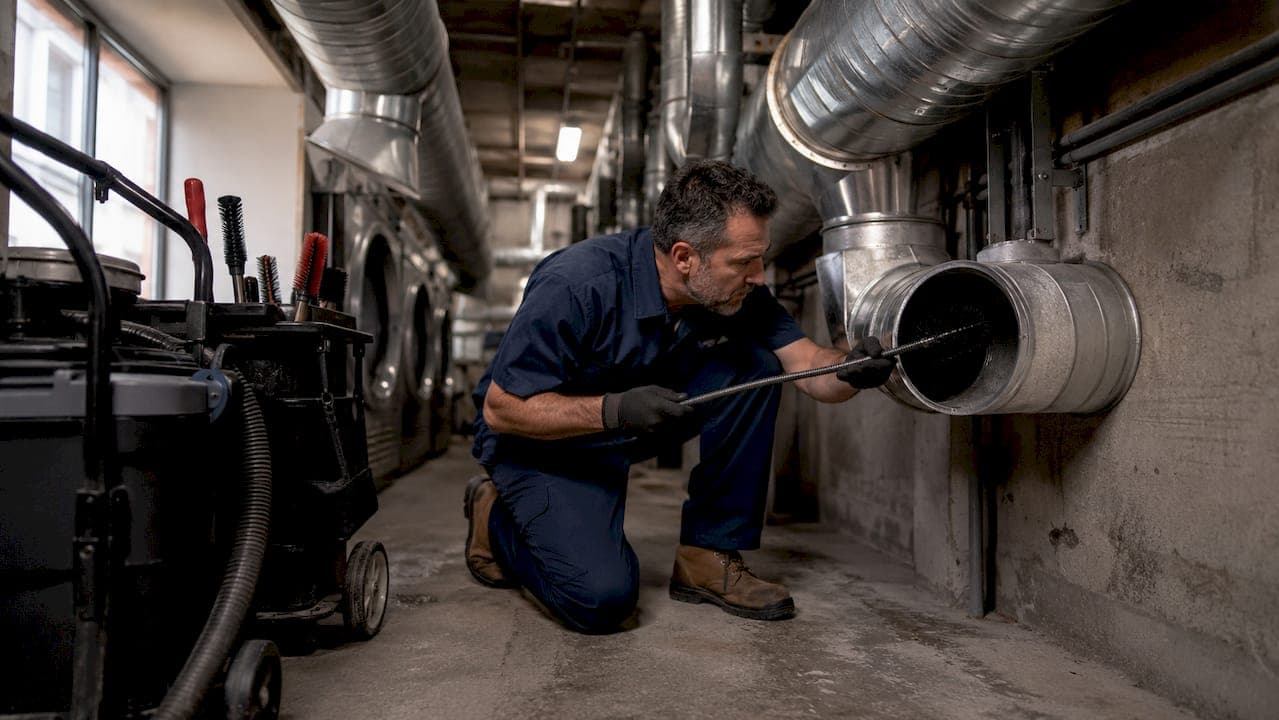
Commercial laundromat duct systems have a design complexity that makes self-service cleaning impractical. The ductwork includes long horizontal and vertical runs, shared exhausts, and multiple bends where lint accumulates well beyond the reach of any standard brush or vacuum. Clearing those areas requires industrial rotary brush systems and high-powered vacuum equipment designed specifically for commercial duct configurations. A residential dryer vent cleaning kit from a hardware store does not address the problem.
Many laundromat owners wrongly equate "clean" with a clear lint trap. That misconception is one of the most common drivers of preventable dryer fires in commercial laundry facilities. The lint trap is the first line of defense. Professional duct cleaning is the system-wide solution that addresses what the trap misses.
The compliance dimension adds another layer of necessity. Fire codes and insurance policies in many jurisdictions require documented professional cleaning at defined intervals. A laundromat that cannot produce cleaning records may face higher insurance premiums, denied claims after a fire, or failed inspections. Documented service from a certified provider is not optional in those markets. It is a legal and financial requirement.
Pro Tip: Request a written service report after every professional cleaning. That document is your proof of compliance for insurance audits, fire marshal inspections, and lease renewals. Keep at least two years of records on file.
The table below compares what lint trap maintenance covers versus what professional vent cleaning addresses:
| Maintenance type | What it addresses | What it misses |
|---|---|---|
| Lint trap cleaning | Debris caught at the trap screen | All lint that bypasses the trap into ductwork |
| DIY brush cleaning | Lint within 3–4 feet of the dryer | Deep duct runs, bends, shared manifolds |
| Professional vent cleaning | Full duct length, bends, manifolds, exterior vent | Nothing, when performed with industrial equipment |
What is the right dryer vent cleaning frequency for laundromats?
High-volume laundromats should schedule professional dryer vent cleaning every 2–3 months. That interval reflects the pace at which continuous commercial operation deposits lint into ductwork. Residential dryers, by contrast, typically require annual cleaning. The difference is not a matter of preference. It reflects the actual rate of lint accumulation in each environment.
Facilities with particularly high throughput, such as those near universities, apartment complexes, or military bases, may need service closer to the two-month mark. The right interval depends on machine count, daily load volume, and duct length. A professional inspection can establish the correct schedule for a specific facility rather than applying a one-size-fits-all rule.
Between professional cleanings, daily lint trap maintenance is non-negotiable. Staff should clear lint traps after every load or at minimum at the start and end of each shift. The exterior vent hood should be checked weekly for visible lint accumulation or debris blocking the flap. These steps do not replace professional cleaning. They slow the rate of buildup between scheduled service visits.
Proper ventilation balance also matters. Fresh make-up air supply is critical to avoid backdrafting and the health hazards that come with it. A facility that seals gaps to reduce heating or cooling costs may inadvertently create the negative pressure conditions that push exhaust gases back inside. A professional assessment covers both vent cleanliness and ventilation balance.
Recommended maintenance schedule for laundromats:
- Daily: Clear lint traps after every load; inspect visible duct connections for loose fittings
- Weekly: Check exterior vent hoods for blockages; wipe down dryer interiors and door seals
- Monthly: Inspect accessible duct sections for visible lint buildup or damage
- Every 2–3 months: Schedule professional industrial duct cleaning for the full system
- Annually: Commission a full ventilation assessment including make-up air supply and exhaust balance
Proactive scheduling, rather than reactive service calls, is what separates compliant, efficient laundromats from those that face fire marshal citations or equipment failures. Facility managers who treat scheduled vent servicing as a fixed operational cost, like utility bills or equipment leases, consistently avoid the larger costs that come from neglect.
Key Takeaways
Laundromats require professional dryer vent cleaning every 2–3 months because continuous high-volume operation generates lint at a rate that creates fire, health, and compliance risks within weeks, not years.
| Point | Details |
|---|---|
| Fire risk is real and rapid | Lint reaches ignition levels in as little as three months in high-volume commercial dryers. |
| Lint traps are not enough | About 30% of lint bypasses the trap and accumulates deep inside ductwork. |
| Energy costs rise with blockage | A 50% vent blockage increases energy consumption by up to 30% per cycle. |
| Compliance requires documentation | Fire codes and insurance policies in many jurisdictions require written proof of professional cleaning. |
| Cleaning frequency differs from residential | Laundromats need service every 2–3 months versus the annual schedule for home dryers. |
What years of commercial vent work actually taught me
Most laundromat operators I have worked with are not negligent. They are busy. They clean lint traps religiously, they notice when a machine acts up, and they call for service when something breaks. The problem is that dryer vent systems are designed to fail quietly. There is no dashboard warning light. There is no error code. There is just a slow, invisible buildup of lint inside ductwork that nobody sees until something goes wrong.
The insight that changes how operators think about this is simple: the lint you can see is not the lint that will cause a fire. The lint trap debris you pull out every shift is the easy part. The lint packed into a 40-foot horizontal duct run behind your wall, around three bends, and into a shared manifold serving six machines is the part that matters. That lint does not announce itself.
What I have seen work consistently is treating professional cleaning as a fixed line item in the operating budget, the same way you budget for water, electricity, or machine repairs. Operators who schedule cleaning every two to three months and keep the service records do not have emergency calls. They do not have insurance disputes after incidents. They do not have fire marshal visits that result in temporary closure. The ones who wait for a symptom before calling for service are the ones who end up with those problems.
The compliance angle is also underappreciated. A denied insurance claim after a dryer fire, because you cannot produce cleaning records, can cost more than years of professional service combined. That is not a hypothetical. It is a documented pattern in commercial laundry operations. Proactive maintenance is not just a safety practice. It is financial protection.
— Shaun
Professional dryer vent cleaning for Avondale laundromats
Laundromat operators in Avondale, Arizona have a local resource built specifically for commercial vent systems.
Airanddryerventcleaningavondale provides commercial dryer vent cleaning designed for the demands of high-volume laundry facilities, using industrial rotary brush systems and vacuum equipment that reach the full length of complex commercial ductwork. Service schedules are matched to your facility's actual load volume, not a generic residential timetable. Every cleaning comes with written documentation for insurance and fire code compliance. Flexible scheduling, including after-hours appointments, keeps your machines running without disrupting business hours. Contact Airanddryerventcleaningavondale to schedule an inspection and get a cleaning program built around your operation.
FAQ
How often should laundromat dryer vents be cleaned?
High-volume laundromats should schedule professional dryer vent cleaning every 2–3 months. That interval reflects the rapid lint accumulation from continuous commercial operation, which is far faster than the annual schedule recommended for residential dryers.
What are the signs your dryer vent needs service?
The clearest signs include clothes taking more than one cycle to dry, dryers running unusually hot, burning smells near machines, and visible lint around exterior vent hoods. These are late-stage indicators, meaning the vent system is already restricted by the time they appear.
Can blocked dryer vents cause health problems?
Blocked vents can cause negative pressure that pushes carbon monoxide and other combustion gases back into the laundromat. That backdrafting creates a health hazard that is invisible without professional monitoring or air quality assessment.
Does cleaning the lint trap replace professional vent cleaning?
Lint traps capture approximately 70% of debris from each drying cycle. The remaining 30% bypasses the trap and accumulates deep inside ductwork, where only industrial cleaning equipment can remove it. Lint trap maintenance and professional vent cleaning serve different functions.
Do fire codes require documented dryer vent cleaning for laundromats?
Many jurisdictions require documented professional dryer vent cleaning as a fire code and insurance compliance condition. Laundromats that cannot produce cleaning records may face denied insurance claims, higher premiums, or failed fire marshal inspections.