
TL;DR:
- Neglecting routine HVAC maintenance leads to silent wear that results in costly repairs and shortened system lifespan. Regular tasks like filter changes, coil cleaning, and professional tune-ups prevent excessive strain, saving money and improving indoor air quality. Proactive care ensures HVAC systems operate efficiently for 15 to 20 years, avoiding expensive emergency repairs.
Most homeowners assume their HVAC system is built to run indefinitely with little intervention. That assumption is expensive. Understanding why prevent HVAC wear matters comes down to a single reality: every hour your system runs with a clogged filter, dirty coil, or restricted duct, it works harder than it should. That extra strain compounds quietly over months and years until you're facing repair bills or a full replacement you never budgeted for. This article breaks down what actually causes wear, how routine care stops it, and what practical steps you can take starting today.
Table of Contents
- Key takeaways
- Why prevent HVAC wear: the real cost of doing nothing
- How routine maintenance stops wear before it starts
- Practical HVAC wear prevention tips you can use now
- Common myths that put your HVAC system at risk
- My take on why this matters more than most people realize
- Protect your system with professional duct and vent cleaning
- FAQ
Key takeaways
| Point | Details |
|---|---|
| Wear builds silently | Small issues like dirty filters compound over time into major failures costing thousands. |
| Neglect cuts lifespan in half | A well-maintained HVAC system lasts 15 to 20 years; a neglected one lasts 7 to 10. |
| Prevention saves real money | Reactive repairs cost 2 to 5 times more than routine preventive maintenance. |
| Filters are your first defense | Replacing filters every 30 to 90 days prevents the number one cause of system failure. |
| Professionals catch what you miss | Seasonal tune-ups find small problems before they become expensive emergencies. |
Why prevent HVAC wear: the real cost of doing nothing
Your HVAC system has one job: move conditioned air through your home efficiently. When wear sets in, that job gets harder, and the system pays the price in energy waste, component stress, and shortened life. Here are the main culprits:
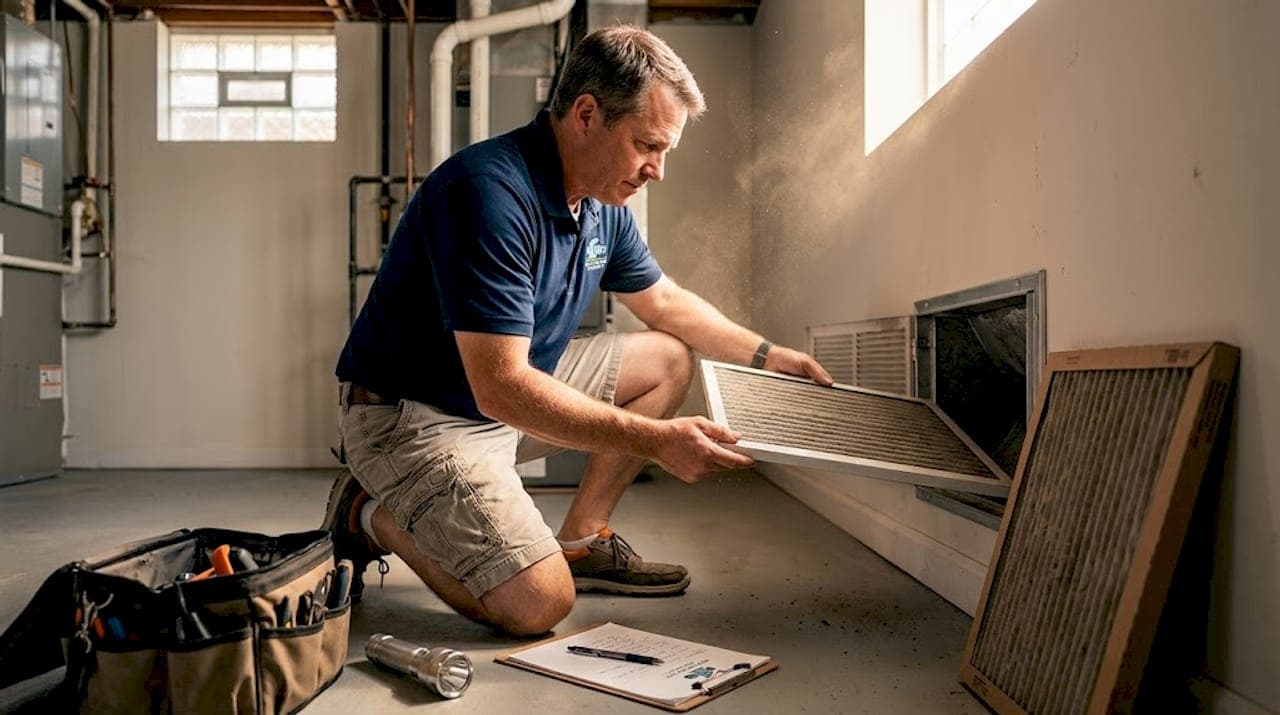
- Dirty air filters. A clogged filter reduces airflow by 15%, putting strain on the blower motor and compressor comparable to high blood pressure in a human body. Both components are expensive to replace.
- Clogged or dirty coils. Evaporator and condenser coils accumulate dust and debris over time. When coated, they lose their ability to transfer heat, which forces the compressor to run longer cycles and draws more electricity per degree of cooling.
- Leaky or dirty ductwork. Duct leaks account for 20 to 30% of conditioned air loss in many homes. That means your system generates cool or heated air that never reaches your living spaces, so it just keeps running to compensate.
- Electrical strain. Loose connections, aging capacitors, and overworked motors all degrade faster when the system runs inefficiently. One failing component pulls others down with it.
- Regional environmental factors. In desert climates like Avondale, Arizona, dust and particulate matter accumulate faster than in mild regions. High dust loads clog filters more quickly and coat outdoor unit fins, reducing efficiency and accelerating wear year-round.
The cascading effect is the real danger. A small airflow restriction does not stay small. It forces the blower to work harder, which heats up the motor, which stresses the capacitor, which can eventually trigger compressor failure. A compressor replacement on a residential system typically runs $1,200 to $2,500. A full system replacement runs $5,000 to $12,000 or more. The filter change that could have prevented it costs about $20.
The data makes this stark: 50% of HVAC failures stem from inadequate maintenance. That's not a fringe statistic. Half of all breakdowns are preventable with consistent upkeep.
How routine maintenance stops wear before it starts
Preventive care is not complicated. It targets the same causes listed above with direct, practical interventions that keep wear from building in the first place.
Here is how a solid maintenance routine addresses each wear factor:
- Change air filters on schedule. Replacing filters every 30 to 90 days removes the single biggest cause of system failure. Households with pets or allergy sufferers should lean toward the 30-day end of that range.
- Clean the evaporator and condenser coils annually. Coil cleaning restores heat transfer efficiency and allows the compressor to run shorter, less stressful cycles. This one step, combined with filter changes, improves efficiency by 5 to 15% and directly reduces utility bills.
- Inspect and seal ductwork. A duct inspection catches leaks that quietly drain your system's output. Sealing those leaks means the system moves more air where it is needed, which reduces runtime and wear.
- Schedule professional tune-ups twice a year. Seasonal professional inspections catch small issues like worn belts, low refrigerant, and failing capacitors before they become emergency repairs. A technician can identify problems invisible to a homeowner's eye.
- Keep the outdoor unit clear. Trim vegetation at least two feet from the condenser unit. Clear away leaves, dust, and debris from the fins after storms or high-wind events.
What the numbers actually show
| Maintenance approach | Average cost | Likely outcome |
|---|---|---|
| Routine preventive care | $150 to $400 per year | System lasts 15 to 20 years |
| Reactive repair (one incident) | $300 to $1,200 per event | Frequent breakdowns, shorter life |
| Full system replacement | $5,000 to $12,000 | Required 7 to 10 years with neglect |
Reactive maintenance costs 2 to 5 times more than preventive care when you average it across a system's lifetime. The gap widens sharply when a neglected system reaches the point of full replacement, which can cost 10 to 20 times more than the preventive work that could have extended its life.
Pro Tip: Set calendar reminders for filter changes and schedule both spring and fall professional inspections before peak seasons hit. Fall tune-ups are especially easy to book and prevent the cold-weather emergency calls that cost premium rates.
Preventive maintenance also does something the repair bills don't show: it improves your indoor air quality. Clean filters, clean coils, and sealed ducts mean less dust, fewer allergens, and reduced mold risk circulating through your home. Reducing dust and allergen buildup through regular maintenance benefits everyone in the building, particularly those with asthma or respiratory sensitivities.
Practical HVAC wear prevention tips you can use now
Knowing why maintenance matters is one thing. Actually building it into your routine is where most homeowners fall short. These steps are straightforward and apply whether you manage a single-family home or a multi-unit property.
- Check your filter monthly, even if you don't replace it. Hold it up to light. If you can't see light through it, replace it regardless of when you last swapped it. Dusty climates like Avondale can clog filters in under four weeks.
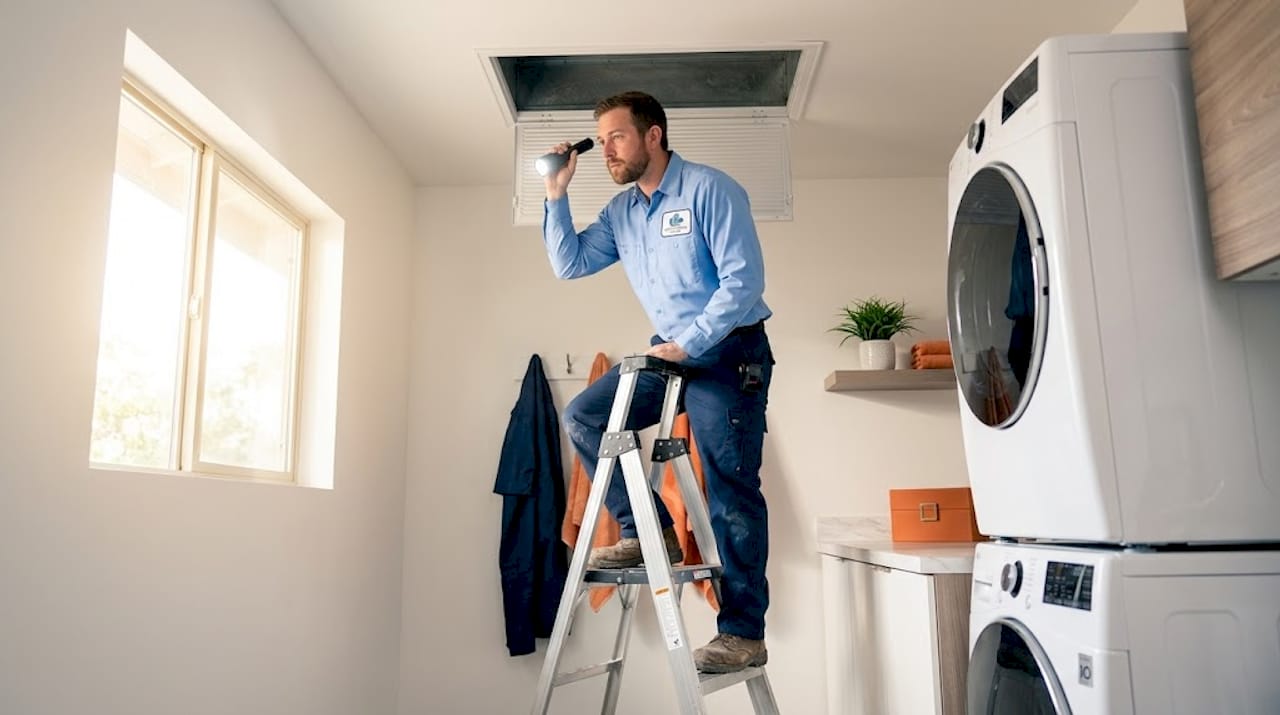
- Keep vents unobstructed. Furniture, rugs, and curtains placed over supply or return vents restrict airflow and push the system harder. Walk your space and check vent clearance at least twice a year.
- Use programmable or smart thermostat settings wisely. Avoid dramatic temperature swings. Setting the thermostat to 85°F when you leave and demanding 70°F when you return forces the system into a long, hard run. A 5 to 7 degree setback is enough to save energy without stressing the system.
- Monitor your energy bills. A sudden spike in electricity costs without a change in usage habits often signals declining HVAC efficiency. Treat it as a warning sign that calls for inspection, not just thermostat adjustment.
- Call a professional when something sounds wrong. Clicking, grinding, or rattling sounds are not normal HVAC behavior. Waiting to see if they resolve on their own almost always turns a small fix into a major repair.
Pro Tip: For property managers overseeing multiple units, create a simple maintenance log for each property. Track filter change dates, professional inspection dates, and any reported issues. Pattern recognition across units often reveals systemic problems before they become tenant complaints or large repair bills.
Understanding HVAC filters and their role in protecting your system is one of the highest-return investments of time you can make as a homeowner or property manager. The filter is the system's first line of defense, and it is the easiest one to maintain.
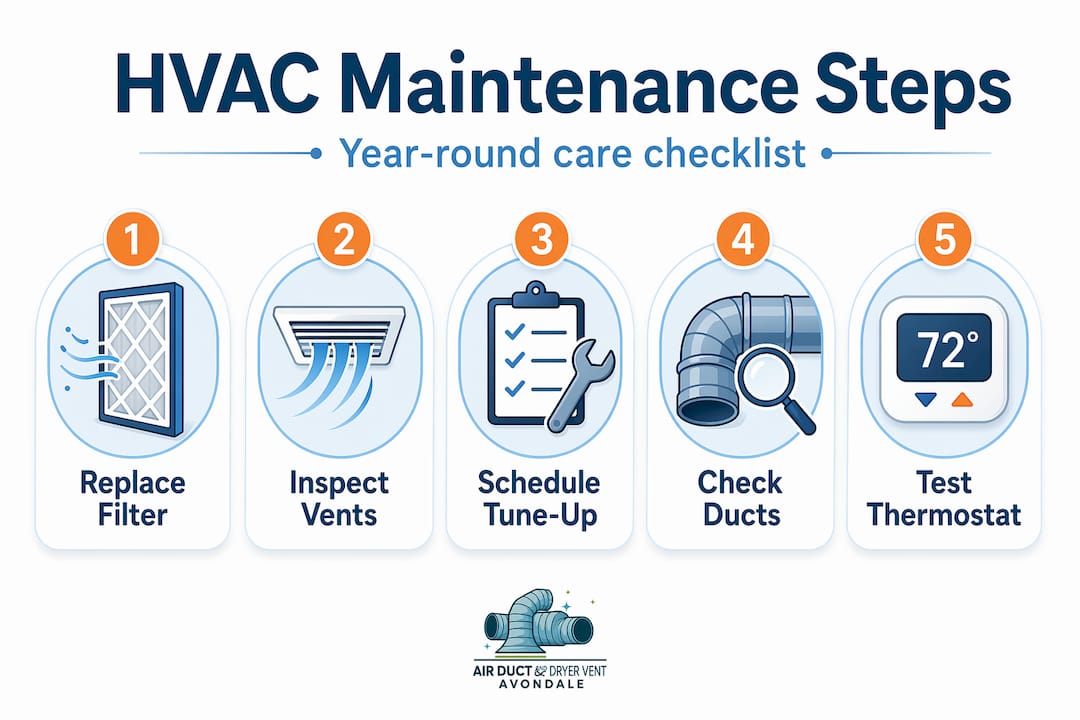
A simple seasonal checklist
Spring: Replace filter, schedule professional cooling tune-up, clear debris from outdoor unit, test thermostat accuracy.
Fall: Replace filter, schedule professional heating tune-up, check duct connections in attic or crawl space, test carbon monoxide detectors near the furnace.
Monthly: Visually inspect filter, check that all vents are open and clear, listen for unusual sounds during operation.
Common myths that put your HVAC system at risk
A lot of the wear that shortens HVAC systems comes not from carelessness but from genuinely held misconceptions. Here are the ones that do the most damage:
- "My system is new, so it doesn't need maintenance yet." New systems benefit most from early preventive care because proper calibration and clean components set the baseline for long-term performance. Skipping early maintenance establishes bad wear patterns from day one.
- "If it's still cooling, it's fine." An HVAC system can lose 20% of its efficiency and still produce conditioned air. You won't feel the difference in comfort, but you'll see it in your electric bill. By the time cooling noticeably drops, significant wear has already occurred.
- "I can just fix it when it breaks." Reactive repair costs 2 to 5 times more than prevention. Beyond cost, a system failure during peak summer heat in Arizona is not an inconvenience. It is a health hazard, especially for children and elderly residents.
- "DIY maintenance is enough." Basic tasks like filter changes and keeping the outdoor unit clear are things any homeowner can handle. But checking refrigerant levels, testing electrical connections, and inspecting heat exchangers require tools, training, and professional licensing. Trying to DIY these creates safety risks and can void manufacturer warranties.
- "Poor air quality is just a comfort issue." Dirty ducts and neglected systems increase dust and allergen circulation, which worsens respiratory conditions and can accelerate wear by pushing contaminants through critical components. Poor air quality and system wear feed each other in a loop that only gets worse over time.
Delaying minor repairs is the most financially painful mistake. A refrigerant leak caught during an inspection might cost $150 to fix. Left alone, it causes the compressor to overheat and fail, which turns a $150 fix into a $2,000 repair or full system replacement.
My take on why this matters more than most people realize
I've worked alongside HVAC systems long enough to see a pattern that frustrates me every time. Homeowners invest tens of thousands of dollars in their properties and then hesitate to spend $300 a year keeping the system that regulates their entire indoor environment in working order.
What I've found is that the hesitation isn't about the money. It's about visibility. A healthy HVAC system is invisible. It just works. So spending money to maintain something you don't see or think about feels abstract. A broken AC unit, on the other hand, is very visible and very urgent. That urgency is what drives most people to act, and by then, they're paying two to five times what proactive care would have cost.
Here's what I believe after seeing this play out repeatedly: treating HVAC maintenance as an operating expense rather than an emergency fund is one of the smartest financial decisions a property owner can make. You budget for insurance, property taxes, and lawn care. Budget for HVAC upkeep the same way.
The other thing I want to be direct about is the DIY limit. I'm not against homeowners doing filter changes and outdoor unit cleanup. Those are genuinely useful tasks. But I've seen plenty of systems where a well-meaning owner tried to flush a coil with a garden hose or "adjust" refrigerant and created problems that cost more to undo than the original issue. Know where your expertise ends, and call a professional for the rest.
Proactive care is not a luxury for people with high-maintenance homes. It's the baseline for getting the full value out of any HVAC system.
— Shaun
Protect your system with professional duct and vent cleaning
If you've been following a maintenance routine but haven't addressed your ductwork and vents, you're leaving a significant source of wear untreated. Dirty ducts push contaminants through your system constantly, coating coils and filters faster than they should and reducing airflow through every register in your home. At Airanddryerventcleaningavondale, we specialize in exactly this kind of targeted service for homeowners and commercial properties in Avondale, Arizona.
Our residential air vent cleaning removes the buildup that your filter catches too late, and our commercial duct cleaning services keep larger systems running efficiently across multi-unit and business properties. We also offer dryer vent cleaning, air quality testing, and duct repairs to cover every angle of your system's health. Flexible scheduling, including after-hours appointments, makes it easy to fit professional cleaning into any property management routine. Contact Airanddryerventcleaningavondale today to schedule a service and give your HVAC system the support it needs to last.
FAQ
What is the main reason to prevent HVAC wear?
Preventing HVAC wear protects your investment by extending system life from 15 to 20 years versus 7 to 10 years with neglect, while avoiding repair costs that run 2 to 5 times higher than routine maintenance.
How often should I replace my HVAC air filter?
Replace your air filter every 30 to 90 days, depending on your home's dust levels, whether you have pets, and any allergy sensitivities. In high-dust climates, check monthly and replace as needed.
Can dirty ducts actually cause HVAC wear?
Yes. Leaky or dirty ducts cause 20 to 30% conditioned air loss, which forces your system to run longer and harder, accelerating wear on the blower motor, compressor, and other key components.
When should I call a professional instead of doing it myself?
Call a professional for refrigerant checks, electrical inspections, coil cleaning, and any unusual sounds or sudden efficiency drops. DIY care covers filters and outdoor unit clearance, but licensed technicians handle the rest safely and correctly.
Does HVAC maintenance improve indoor air quality?
Yes. Regular maintenance reduces dust, allergens, and mold circulating through your system, improving air quality for everyone in the home and preventing contaminants from accelerating internal component wear.