
TL;DR:
- Construction dust and debris quickly infiltrate home air vents during renovation, degrading indoor air quality and system efficiency. Professional cleaning with containment is essential to prevent mold growth, reduce allergen circulation, and extend HVAC lifespan. Conduct thorough inspections and scheduled cleanings post-renovation to ensure a healthier, safer indoor environment.
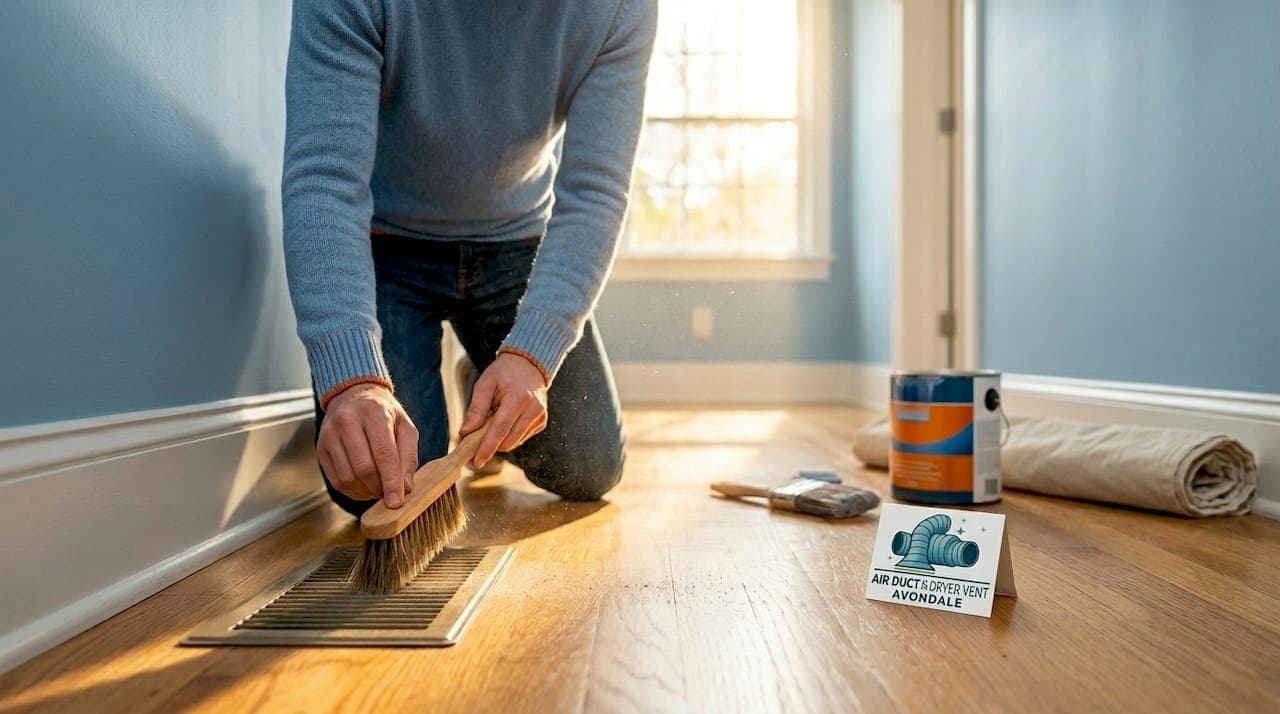
Renovation projects transform homes, but they leave behind something you can't always see: construction dust and debris that work their way deep into your air vents. Understanding why remove construction debris from vents matters goes beyond cosmetic cleanliness. Drywall dust, sawdust, insulation fibers, and fine particles settle inside your ductwork and keep circulating through your home every time the HVAC runs. Left unchecked, this debris quietly degrades your indoor air quality, strains your system, and creates conditions where mold can take hold.
Table of Contents
- Key takeaways
- How construction debris gets inside your vents
- Risks of leaving construction debris in vents
- When and how to decide if debris removal is needed
- Best practices for managing post-construction vents
- Benefits of proper vent debris removal
- My honest take after years of post-renovation cleanings
- Protect your home's air quality after renovation
- FAQ
Key takeaways
| Point | Details |
|---|---|
| Debris enters ducts fast | Running your HVAC during renovation pulls particles deep into ductwork within hours. |
| Health risks are real | Construction dust aggravates allergies, asthma, and respiratory conditions for everyone in the home. |
| System efficiency drops | Debris blocks airflow, forcing your HVAC to work harder and driving up energy costs. |
| Know when cleaning is needed | Visible dust blowing from vents after renovation is a reliable sign that cleaning cannot wait. |
| Professional cleaning beats DIY | Improper cleaning can release more dust than it removes, making qualified help worth the investment. |
How construction debris gets inside your vents
Most homeowners picture debris as the visible dust on countertops after a renovation. The problem runs deeper than that. During any construction or remodeling project, the HVAC system becomes one of the most efficient debris-collection machines in the building.
When workers cut drywall, sand surfaces, or drill through framing, they generate fine particles that stay airborne for hours. If the HVAC system is running during this process, the return air registers act like vacuum inlets. They pull those particles straight into the ductwork, where the debris coats interior duct walls, settles on coils, and clogs filters far faster than normal.
Common debris types that accumulate inside vents include:
- Drywall dust: Extremely fine and alkaline, it coats duct surfaces evenly and is difficult to remove without proper equipment
- Sawdust and wood particles: Larger but still disruptive, they can block airflow at register openings and collect around duct bends
- Insulation fibers: Pink or yellow fibers blowing from vents often signal torn insulation inside or around ductwork
- Microbial growth potential: Once dust settles and any moisture is present, debris inside ducts becomes a reservoir for mold, bacteria, and odors
The timing of when the HVAC runs during construction matters enormously. Sealing supply and return registers before work begins and keeping the system off until cleanup is complete prevents the bulk of contamination. Most contractors do not do this automatically. You have to ask for it.
Pro Tip: Before any renovation begins, purchase foam register covers or heavy plastic sheeting and tape. Cover every vent opening in the work area. This single step costs under $20 and can prevent hundreds of dollars in duct cleaning costs later.
Risks of leaving construction debris in vents
Once debris is inside your ductwork, the effects start immediately and compound over time. This is not a wait-and-see situation.
-
Degraded indoor air quality. Every time your HVAC cycles on, it redistributes whatever is sitting in the ducts. Fine drywall particles and insulation fibers are small enough to bypass standard filters and become airborne inside your living spaces. People with asthma, allergies, or compromised immune systems feel this first.
-
Reduced HVAC airflow and higher energy bills. Debris blocks airflow and creates back-pressure in the system. Your blower motor compensates by running longer and harder. The result is higher electricity consumption without better comfort.
-
Mold and microbial growth. Dust-coated duct walls trap moisture. Arizona homes deal with humidity spikes during monsoon season, and that moisture combined with organic debris creates ideal conditions for mold. Once mold establishes inside ductwork, allergens from ducts spread through the entire home with every HVAC cycle.
-
Fire hazard from airflow restriction. Blocked vents stress the HVAC system, causing components to overheat. This is especially relevant when debris builds up near the heat exchanger or in return ducts that feed the air handler.
-
Shortened equipment lifespan. Debris that reaches the blower, coils, and drain pans accelerates wear. Coils caked with construction dust transfer heat poorly, forcing compressors to run hotter and longer than they were designed to.
"The real danger with post-renovation debris is not what you see blowing out of the vent on day one. It's the material that settles quietly inside the duct system and keeps exposing your family to contaminants for months or years without anyone connecting the symptoms to the renovation."
The effects on air quality are not theoretical. Construction dust contains compounds from adhesives, joint compound, and treated lumber that have no business circulating through a home's breathing air indefinitely.
When and how to decide if debris removal is needed
Not every renovation requires a full professional duct cleaning. Knowing what actually warrants cleaning saves you money and avoids unnecessary disruption.
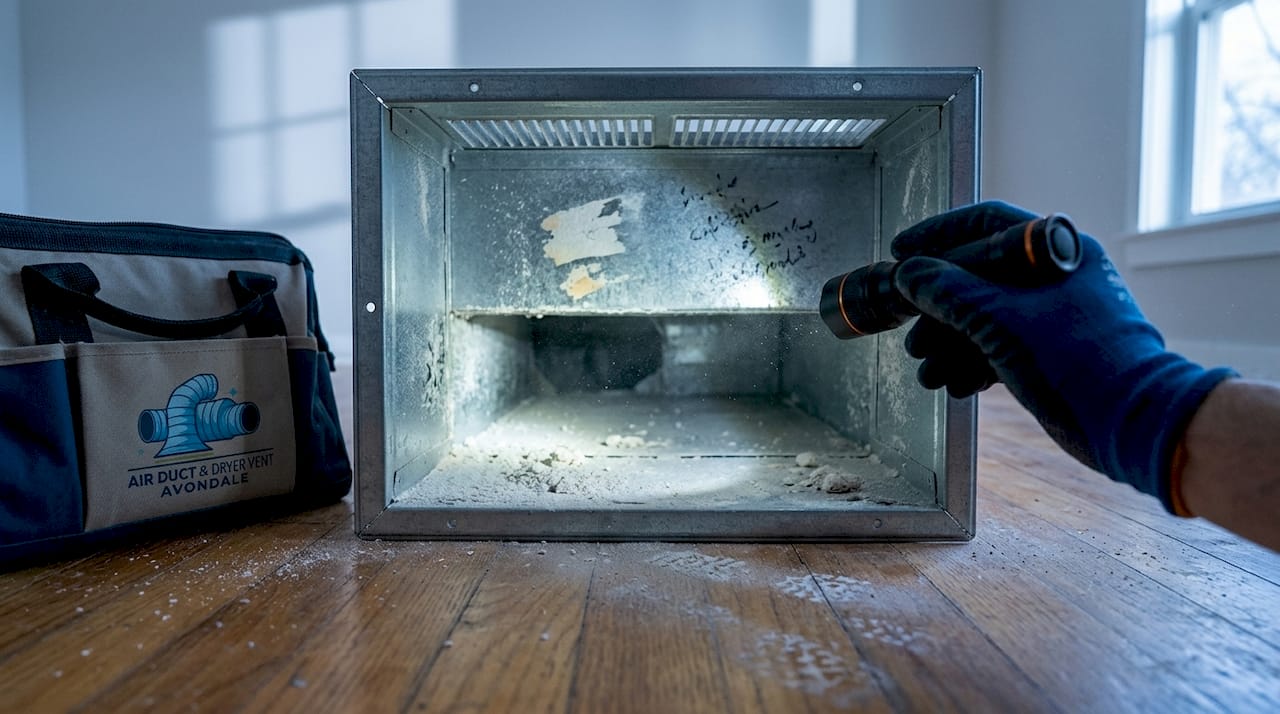
The clearest signal is what comes out of your vents. Visible dust emitting from vents when the HVAC restarts after construction is a reliable, direct indicator that debris removal is necessary. Check each vent with a flashlight. If you see dust clouds or feel gritty particles on surfaces near registers within days of the renovation, you have your answer.
The EPA's position is practical: duct cleaning is "as-needed", not routine for every home. The key criteria is whether substantial visible debris is actively releasing into living spaces. A thin coating of settled dust that is not being disturbed poses a lower immediate risk than active particle emission.
Here is how DIY cleaning compares to professional service for post-renovation situations:
| Factor | DIY cleaning | Professional cleaning |
|---|---|---|
| Equipment | Household vacuum, brushes | HEPA vacuums, rotary brushes, air whips |
| Risk of recontamination | High. Standard vacuums lack containment | Low. Negative pressure prevents debris dispersal |
| Coverage | Registers and short duct sections only | Full system including coils, blower, and drain pans |
| Mold detection | None | Inspection and testing available |
| Cost | Low upfront | Higher upfront, prevents costly repairs later |
The risk of incomplete cleaning is serious. Inadequate vacuum systems can release more dust during the cleaning process than if the ducts had been left alone. A shop vac inserted into a duct opening without negative pressure containment pushes debris further into the system or into the room.
Pro Tip: Before hiring any duct cleaning company, ask whether they use negative pressure containment during cleaning. If a company cannot explain how they prevent debris from becoming airborne during the process, find someone who can.
Best practices for managing post-construction vents
Prevention and timely action together keep the problem manageable. Whether you are mid-renovation or have just wrapped up a project, these steps apply directly.
Before and during construction:
- Seal every supply and return register with foam covers or plastic sheeting and tape before work begins
- Shut off the HVAC system for the duration of dusty work. Keeping the system off until all gross debris is removed from surfaces prevents ductwork contamination at the source
- Replace the air filter immediately after construction completes. Filters that ran during construction are compromised and can no longer protect the duct system. Dirty filters contribute directly to debris entering ducts
- Ask your contractor to use plastic sheeting barriers around the work zone to reduce how far particles travel
After construction is complete:
- Do a visual inspection of every register before restarting the HVAC. Remove register covers and look inside with a flashlight
- Run the system briefly, then check for visible dust emission from any vents. This is your most practical post-renovation diagnostic step
- Monitor for musty odors in the weeks after renovation. This is often the first sign that moisture has combined with debris to promote microbial growth
- Consider scheduling a professional inspection for any renovation that involved drywall, insulation work, or any major teardown. These generate the highest debris loads
Pro Tip: Check the signs you need duct cleaning at least once a week for the first month after a renovation. Post-construction debris settles in waves as the HVAC runs and redistributes material from deeper in the system.
Benefits of proper vent debris removal
Clearing construction debris from vents is not just about what you remove. It is about what you restore.
Cleaner air, fewer symptoms. Once debris stops circulating, occupants with allergies and asthma typically report noticeable improvement within days. Children and elderly residents, who are most sensitive to airborne particles, benefit most. This matters especially in Avondale, where outdoor allergens already put pressure on respiratory health for much of the year.
Better HVAC performance and lower bills. Clean ducts move air the way the system was designed to. Airflow restrictions caused by debris force systems to run longer cycles. Once debris is removed, many homeowners see measurable drops in monthly energy costs. Clean air ducts directly impact energy savings and reduce the load on your compressor.
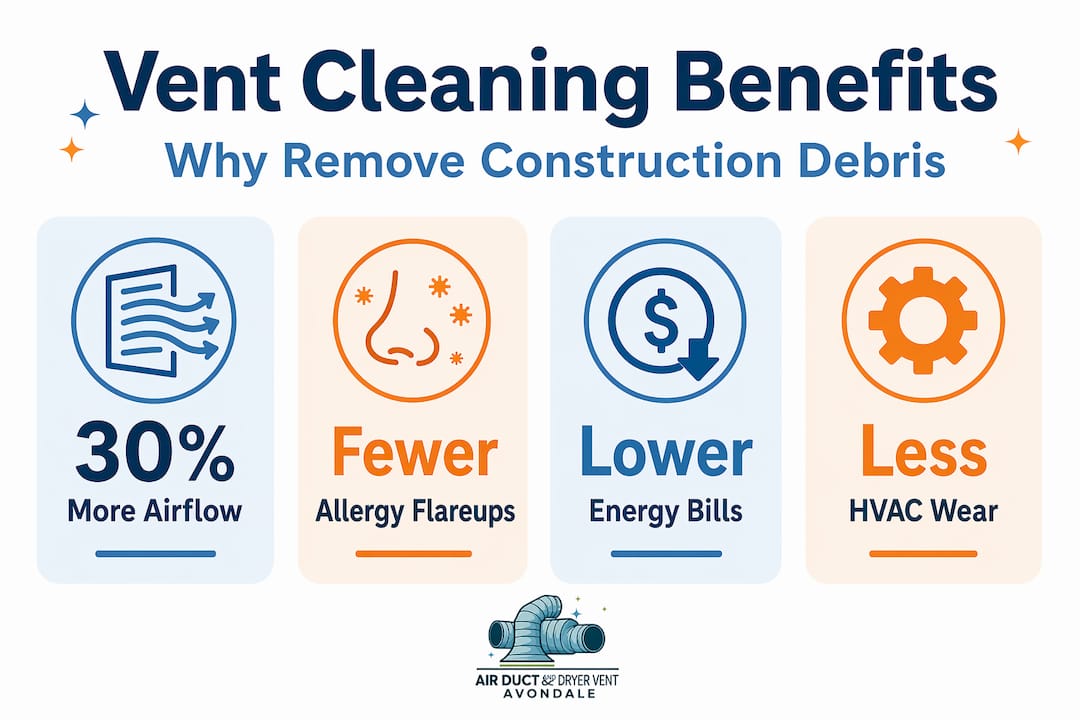
Extended equipment life. Debris that reaches the blower wheel, evaporator coil, and drain pan degrades components faster than normal wear. A post-renovation cleaning protects the full investment in your HVAC equipment. Replacing a compressor costs thousands. A professional duct cleaning costs a fraction of that.
Reduced mold risk. A thorough cleaning that includes registers, duct interiors, the blower, coils, and drain pans eliminates the debris that mold needs to get started. Professional cleaning with HEPA containment offers a level of mold prevention that surface cleaning simply cannot match.
Quick stat: HVAC cleaning services that clear post-construction debris can improve airflow by up to 46%, meaning the system delivers more conditioned air with less effort.
The construction debris removal benefits stack quickly. Better air quality, lower bills, fewer repairs, and real protection against mold are all connected to one decision made soon after renovation wraps up.
My honest take after years of post-renovation cleanings
I have walked through hundreds of homes after renovations, and the pattern is always the same. Homeowners see the clean new floors and freshly painted walls and assume the job is done. What I see is a duct system that has been running like a sponge for weeks, absorbing everything the construction process threw into the air.
In my experience, the most overlooked mistake is partial cleaning. A homeowner runs a vacuum wand down two or three registers, assumes they have handled it, and never touches the blower compartment or the coils. Weeks later, they wonder why the new renovation still smells like drywall, or why someone in the house keeps coughing. The full system requires cleaning, including registers, duct interiors, the blower, coils, and drain pans. Skipping any component means the debris you dislodge from one area simply migrates to another.
I also want to push back on the idea that debris in vents is a minor inconvenience. I have seen post-renovation ductwork with insulation fibers compacted around the blower wheel, drywall dust caked on evaporator coils, and moisture-trapped debris that had started growing mold within four weeks of a bathroom renovation. These are not edge cases.
What I tell every homeowner is this: your renovation budget should always include a line item for post-construction vent inspection. Not because it is guaranteed to be needed, but because the cost of finding out is far smaller than the cost of ignoring it. And when you do need professional cleaning, make sure whoever you hire explains exactly how they contain debris during the process. That detail separates a company that improves your air from one that stirs up new problems.
— Shaun
Protect your home's air quality after renovation
Post-renovation homes in Avondale deal with specific challenges: fine desert dust already in the air, plus all the construction particles that ended up in the ductwork. That combination makes professional cleaning after any remodeling project especially worthwhile. Airanddryerventcleaningavondale specializes in exactly this situation. The team provides thorough air vent cleaning that covers the full duct system, not just the register covers, using containment methods that keep debris from becoming airborne during the process.
For commercial properties or larger residential projects, the commercial air duct cleaning service handles high-volume debris from major renovation work. Airanddryerventcleaningavondale also offers air quality testing to confirm what is actually in your air after a renovation, giving you data rather than guesswork. Flexible scheduling, including after-hours options, means you do not have to rearrange your life to get this done. If your home has recently gone through any renovation work, schedule an inspection before the debris problem compounds into something bigger.
FAQ
Why remove construction debris from vents after renovation?
Construction debris left in vents circulates through your home every time the HVAC runs, degrading air quality and straining the system. Removing it protects both your family's health and your HVAC equipment's lifespan.
How do I know if my vents need cleaning after construction?
Visible dust blowing from registers when the HVAC restarts is the clearest indicator. The EPA identifies active particle release as the key criteria for deciding whether cleaning is necessary.
What are the dangers of debris in vents if left too long?
Beyond poor air quality, debris in vents can promote mold growth when moisture is present, restrict airflow enough to cause system overheating, and accelerate wear on blower motors and coils.
Can I clear construction debris from vents myself?
Light surface cleaning of register covers is manageable, but cleaning inside ducts without negative pressure containment can push debris deeper or release it into living spaces. Improper cleaning often makes air quality worse, not better.
How long after a renovation should I wait before cleaning vents?
Do not wait. Once construction dust has settled and the gross cleanup is complete, inspect vents immediately. The sooner debris is removed, the less time it has to compact inside ducts or create conditions for mold.