
TL;DR:
- Indoor air is 2-5 times more polluted than outdoor air, posing hidden health risks in Avondale homes. Testing identifies pollutants like mold, radon, VOCs, and dust, enabling targeted mitigation before symptoms develop. Regular professional testing and HVAC maintenance are essential for maintaining safe indoor air quality.
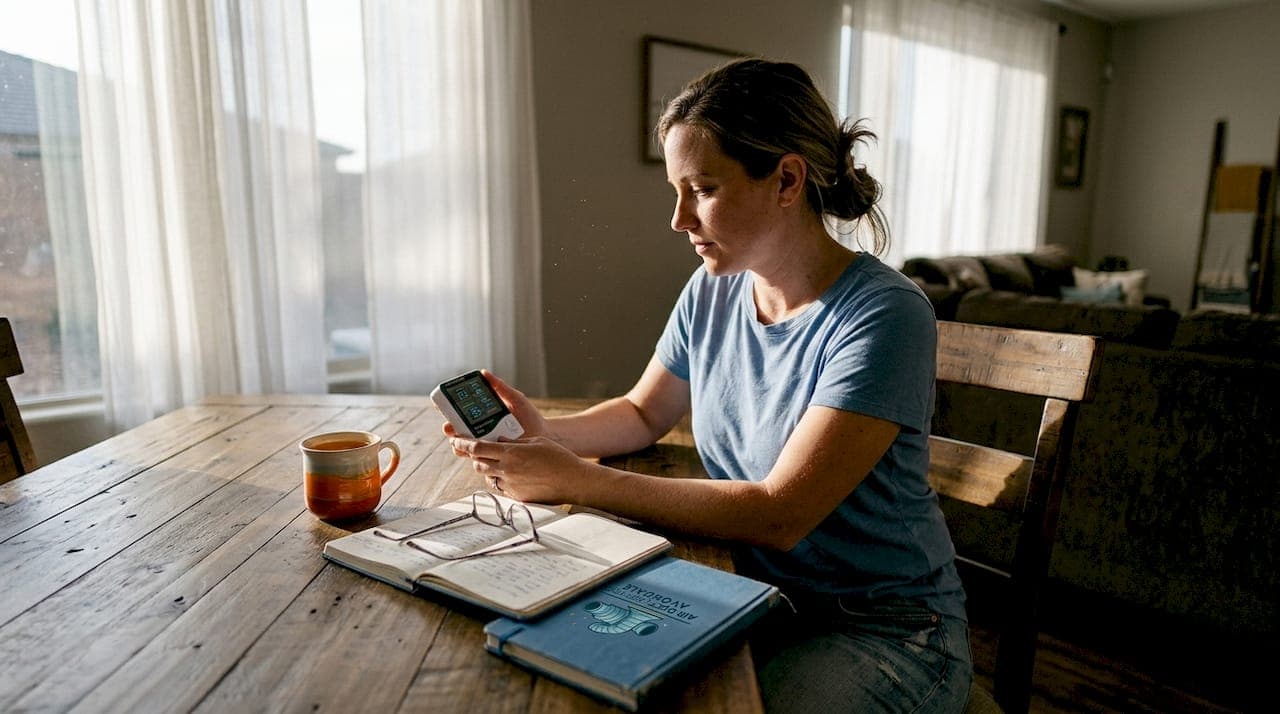
Most people assume the air inside their home or office is cleaner than what's blowing down the street. That assumption is wrong, and it can cost you your health. Indoor air is 2-5 times more polluted than outdoor air, and Americans spend roughly 90% of their time indoors. In Avondale, Arizona, where desert dust, extreme summer heat, and tightly sealed buildings are part of daily life, the risks are even more concentrated. Understanding why indoor air quality testing matters and how to act on the results is one of the most practical things you can do for your family or employees.
Table of Contents
- Why indoor air pollution is a hidden threat
- What are common indoor air pollutants in Avondale?
- Why testing is essential: health risks and benchmarks
- When should you test, and should you DIY or hire a pro?
- What to do after testing: fixing air quality issues
- Our perspective: testing is prevention, not just reaction
- Take control of your indoor air quality in Avondale
- Frequently asked questions
Key Takeaways
| Point | Details |
|---|---|
| Indoor air often riskier | Indoor air can be far more polluted than outdoor air, leading to serious health risks. |
| Know your local threats | Avondale homes and businesses face unique risks from both modern and older building pollutants. |
| Testing protects health | Regular air quality checks can prevent illness and guide cost-effective, timely solutions. |
| Pro help beats DIY | Certified professionals provide more accurate, comprehensive results than home test kits. |
| Prevention works best | Routine air quality testing and maintenance keep your environment healthy year-round. |
Why indoor air pollution is a hidden threat
The frustrating thing about indoor air pollution is that you usually can't see it, smell it, or taste it until something goes wrong. By the time someone develops a nagging cough, persistent headaches, or worsening asthma, the pollutants responsible may have been building up for months or even years. The EPA confirms that indoor air can be 2-5 times more polluted than outdoor air, which is particularly troubling when you consider how much time people spend inside.
Avondale homes face a compounding set of challenges. During summer, residents keep windows shut for weeks at a time to manage the extreme heat. This limits natural ventilation and allows contaminants to accumulate without any fresh air to dilute them. Older homes in the area may have dated insulation, older HVAC equipment, or materials that were standard decades ago but are now known to release harmful particles over time. Newer construction, on the other hand, is often built so tightly for energy efficiency that without proper ventilation systems, pollutant levels rise quickly.
"The health risks from indoor air pollution can be immediate or long-term. Short-term effects include irritation of the eyes, nose, and throat, headaches, dizziness, and fatigue. Long-term effects can include respiratory diseases, heart disease, and cancer." — U.S. Environmental Protection Agency
Understanding what causes indoor air pollution in local homes is the first step toward protecting your household. Most people don't connect their symptoms to air quality because the link isn't always obvious. A child who keeps getting sick might be reacting to mold spores in the duct system. An adult with chronic sinus issues might be breathing in fine dust particles that settle into the HVAC every time the system runs. Without testing, these causes go unidentified and untreated.
Key reasons indoor air pollution gets overlooked:
- No visible warning signs: Many pollutants are colorless and odorless, making them hard to detect without equipment.
- Gradual exposure: Low-level exposure over time doesn't trigger immediate alarm bells, but it adds up.
- False sense of security: People assume modern homes are safe, especially new builds.
- Symptom misattribution: Headaches, fatigue, and respiratory issues are often blamed on allergies or stress rather than the air.
Getting familiar with the full range of essential indoor pollutants found in Avondale properties gives you a much clearer picture of what you're dealing with and why waiting for symptoms is not a smart strategy.
What are common indoor air pollutants in Avondale?
Avondale's indoor air carries a wide range of potential contaminants. Some come from the desert environment itself, tracked in through doors or pulled through the HVAC system. Others are generated inside the building through everyday activities, building materials, or equipment. Knowing what you're up against is critical before you can take meaningful action.
Common indoor pollutants include particulate matter, volatile organic compounds (VOCs), mold, radon, carbon monoxide, and biological contaminants like bacteria, dust mites, and pet dander. Each one carries distinct health risks and requires different testing methods.
Here's a breakdown of the most relevant pollutants for Avondale properties:
| Pollutant | Source | Health Effect | Detection Method |
|---|---|---|---|
| PM2.5 / PM10 | Desert dust, smoke, HVAC debris | Lung and heart damage | Air particle monitor |
| VOCs | Paint, cleaning products, new furniture | Headaches, liver damage | VOC sensor or lab test |
| Mold spores | Moisture intrusion, AC condensation | Asthma, allergies, infections | Air and surface sampling |
| Radon | Soil and bedrock beneath the home | Lung cancer | Radon test kit or monitor |
| Carbon monoxide | Gas appliances, attached garages | Poisoning, death | CO detector or sensor |
| Bacteria/allergens | Dust mites, pet dander, pests | Respiratory irritation | Air sampling |
| Asbestos | Older homes (pre-1980 materials) | Mesothelioma, lung cancer | Professional sampling |
| Lead particles | Old paint, plumbing in older homes | Neurological damage | Lab analysis |
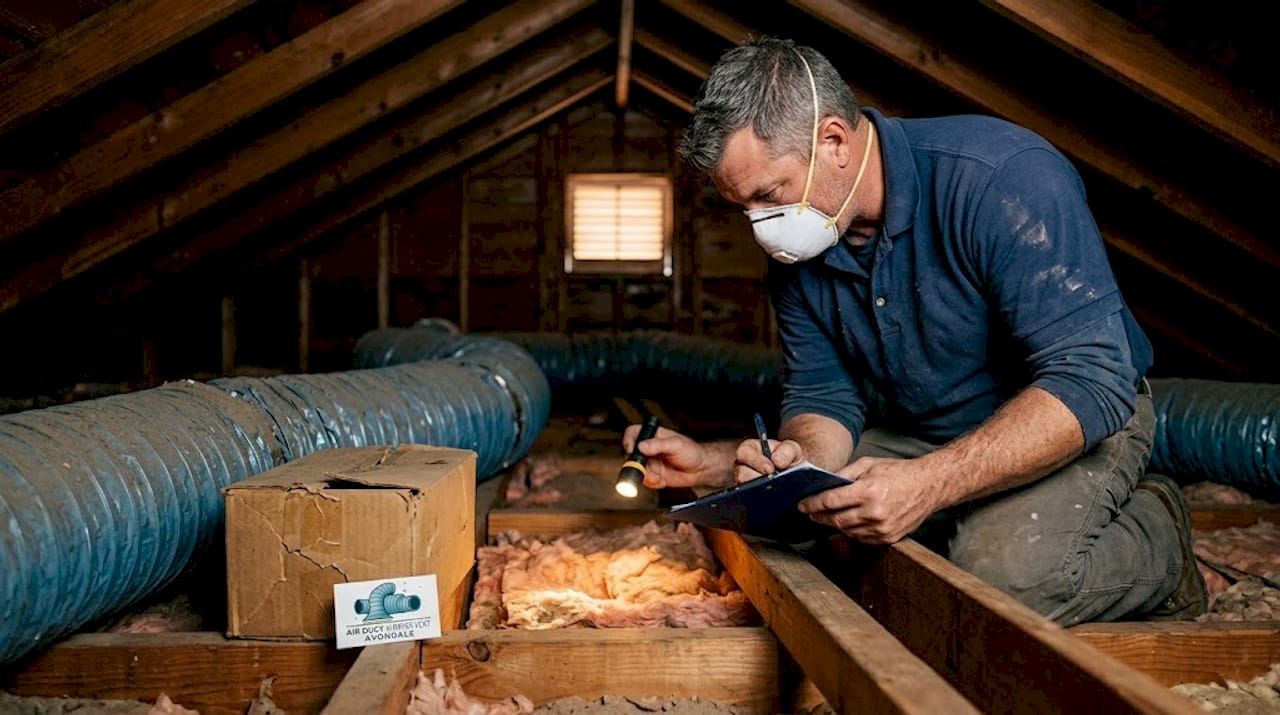
Older Avondale homes, particularly those built before 1980, may still contain asbestos in insulation, floor tiles, or pipe wrapping. Lead-based paint in older structures can also release particles if the surface deteriorates or is disturbed during renovation. These are not problems you can identify with a basic consumer device.
Newer homes present a different set of concerns. When a house is freshly built or recently renovated, materials like flooring adhesives, carpeting, cabinetry, and paint release VOCs through a process called off-gassing. This can continue for months after construction ends, and the tight building envelopes used in modern construction mean those gases have nowhere to go unless the ventilation system is working properly.
Some of the most dangerous contaminants are the ones you can't detect without help. Radon is a naturally occurring radioactive gas that seeps up from the ground and collects in enclosed spaces. Carbon monoxide is produced by combustion appliances like gas stoves, water heaters, and furnaces. Both are colorless and odorless. Exploring the examples of air pollutants specific to Avondale homes illustrates just how varied these threats can be and why a single type of test rarely covers everything you need.
Why testing is essential: health risks and benchmarks
Understanding which pollutants exist is useful. Understanding what they actually do to your body makes testing feel urgent. The health effects of poor indoor air quality range from short-term nuisances to life-altering chronic conditions, and some effects show up years after the original exposure.
Elevated pollutant levels are directly linked to asthma flare-ups, cardiovascular disease, neurological damage, and certain cancers. The World Health Organization and the EPA have established reference levels for several key pollutants to give homeowners and businesses a clear benchmark. If you're above these levels, the risk to occupants increases significantly.
| Pollutant | Safe Benchmark | Concern Level | Source |
|---|---|---|---|
| Radon | Below 100 Bq/m³ (WHO) | Above 148 Bq/m³ (EPA action) | Soil gas infiltration |
| PM2.5 (annual mean) | Below 5 µg/m³ (WHO) | Above 12 µg/m³ (EPA standard) | Dust, smoke, combustion |
| Carbon monoxide | Below 9 ppm (8-hour) | Above 35 ppm is dangerous | Combustion appliances |
| VOCs | Varies by compound | Sustained exposure above 300 µg/m³ | Off-gassing materials |
"The most health-damaging particles are those with a diameter of 10 microns or less, which can penetrate and lodge deep inside the lungs. PM2.5 particles are so fine that they can get into the bloodstream." — World Health Organization
Avondale homes face specific heightened risks around radon, mold, and fine particulates. Arizona's geology means radon levels vary significantly across the state, and testing is the only way to know what's happening beneath your specific home. Mold thrives in the moisture that accumulates around HVAC condensation drip pans and air handler units, especially during the monsoon season when humidity spikes. Implementing mold prevention tips specific to HVAC systems can reduce that risk, but only if you first confirm whether mold is already present.
For business owners, the stakes include more than just employee health. Poor indoor air quality reduces cognitive function and productivity, increases absenteeism, and in some cases creates liability exposure. Studies have shown that workers in buildings with better ventilation and lower pollutant levels perform measurably better on cognitive tasks. That's a real business case for testing, not just a health consideration.
When should you test, and should you DIY or hire a pro?
Timing and method both matter when it comes to air quality testing. Not every situation calls for the same approach, and the consequences of relying on inadequate testing can be serious.
The right moments to test include:
- Buying or selling a home: Testing at the point of sale protects both parties and prevents inheriting a costly air quality problem.
- After any renovation: Dust, debris, and newly installed materials introduce new pollutants. Wait a few weeks after construction ends, then test.
- When symptoms appear: Unexplained headaches, fatigue, frequent illness, or worsening allergies among household members warrant immediate testing.
- Moving into a new build: Off-gassing from new construction materials peaks in the first several months.
- In older properties: Homes built before 1980 carry elevated risk for asbestos and lead particles.
- Annually or biannually as a preventive measure: Especially relevant in Avondale given the climate and seasonal HVAC demands.
The EPA recommends all homes test for radon and have functioning carbon monoxide and smoke alarms as a minimum baseline. These are the entry-level protections. But radon test kits from hardware stores and basic CO detectors only cover two of a much longer list of potential threats.
DIY kits have real limitations compared to professional lab testing when it comes to accuracy, especially in older homes or following renovations where multiple contaminants may be present simultaneously. Consumer-grade air quality monitors can give you useful real-time readings for particles and CO2, but they don't test for VOCs at a compound-specific level, they can't identify mold species, and they don't measure radon accurately without proper placement and exposure time.
Pro Tip: If you're experiencing persistent air quality symptoms and a basic DIY test comes back clean, don't stop there. Professional testing uses calibrated laboratory instruments and trained technicians who know how to collect samples correctly. A DIY sample taken from the wrong location, at the wrong time of day, or left exposed for too long will produce misleading results.
Comprehensive guidance on how to test air quality in Avondale homes explains the specific protocols that apply here, including how to account for Arizona's seasonal patterns. For business owners, air quality testing advice tailored to commercial settings addresses the additional complexity of larger HVAC systems and multi-occupant environments where source identification is more challenging.
What professional testing typically includes that DIY doesn't:
- Multi-pollutant sampling with laboratory analysis
- Mold spore identification by species and concentration
- Radon measurement with certified test kits following EPA protocol
- Thermal imaging and moisture assessment to find hidden sources
- Written reports with specific remediation recommendations
- Certified results for real estate transactions or insurance documentation
What to do after testing: fixing air quality issues
A test result means nothing unless you act on it. The good news is that most indoor air quality problems are fixable, and addressing them sooner is always less expensive than waiting until the situation becomes critical.
Practical steps after a positive test finding:
- Source control first: Remove or fix the origin of the problem. This might mean repairing a leaking pipe that's feeding mold growth, replacing deteriorating insulation, removing old carpeting that harbors allergens, or fixing an improperly vented gas appliance.
- Improve ventilation: Open windows when outdoor air quality permits. Add or upgrade bathroom and kitchen exhaust fans. In Avondale, timing matters. Early mornings before the heat peaks are usually the best opportunity.
- Upgrade air filtration: If your HVAC uses a basic fiberglass filter, upgrading to a MERV-13 or higher rated filter captures significantly more fine particles. HEPA air purifiers provide additional protection for specific rooms.
- Schedule HVAC cleaning and maintenance: Dirty ducts recirculate dust, mold spores, and debris every time your system runs. Regular cleaning removes accumulated buildup and helps your system perform as designed.
- Address moisture: In Avondale, monsoon season brings sudden humidity spikes. A whole-home dehumidifier or properly maintained AC system helps prevent mold from taking hold in your ducts and walls.
- Treat contaminated materials professionally: Asbestos, lead, and significant mold infestations require licensed remediation contractors, not DIY removal.
Proactive source control and updated filtration are the two most reliable strategies for preventing long-term health damage from indoor air pollution. Both require knowing what you're dealing with, which brings it back to testing.
Understanding how improving air quality with HVAC works in practice shows that your heating and cooling system is both a potential source of contamination and your most powerful tool for cleaning the air. When it's dirty, it spreads pollutants. When it's well maintained, it filters and circulates cleaner air throughout your entire property.
Scheduling HVAC cleaning on a regular cycle rather than waiting for something to break is one of the most cost-effective decisions you can make. And learning about the key elements of efficient HVAC systems helps you understand why a well-maintained system does double duty: it saves energy and protects your air at the same time.
Pro Tip: After any remediation work, schedule a follow-up air quality test within 30 to 60 days to confirm the fix actually worked. Mold remediation in particular should always be verified by post-remediation testing before you consider the job complete.
Our perspective: testing is prevention, not just reaction
Here's something most air quality articles won't say directly: waiting until something feels wrong is the most expensive approach you can take. We see it regularly. A homeowner notices musty smells, calls for an inspection, and discovers mold that has been growing in the ductwork for two or three years. The mold remediation, duct replacement, and follow-up testing cost several times what a routine annual inspection would have.
The conventional wisdom seems to be: test when you suspect a problem. We think that's backward. Testing creates the knowledge that lets you prevent the problem. In Avondale's climate, where HVAC systems run almost continuously for five to six months out of the year, the stress on your equipment and ductwork is substantial. Heat cycles, cooling cycles, monsoon humidity, and desert dust create conditions where contamination builds faster than in milder climates.
There's also a psychological element worth addressing. People tend to believe their home is fine because they feel okay. But indoor air quality affects different people differently. A healthy adult might tolerate elevated VOC levels with only mild headaches, while a child, an elderly person, or someone with asthma in the same household develops more serious symptoms. By the time the most vulnerable person shows clear signs of distress, the exposure has been ongoing for a long time.
Watching for signs your HVAC system needs attention can give you early clues, but those signs are about equipment wear, not pollutant levels. Equipment wear and pollutant accumulation often happen together, but not always at the same pace. You need both perspectives to get a full picture of what's happening in your home.
Our position is straightforward: treat air quality testing the way you treat a dental checkup or a car inspection. You don't wait for a toothache to visit the dentist. You don't ignore your oil change until the engine seizes. Scheduling an annual or biannual air quality review is the same principle. It's far cheaper to find and address a small issue before it becomes a large one, and far healthier to live in an environment where you know the air is safe rather than hoping it is.
Take control of your indoor air quality in Avondale
If this article has you thinking about the air in your home or business, that's exactly the right response. Knowledge without action doesn't protect anyone. Air and Dryer Vent Cleaning Avondale provides certified air quality testing services for both residential and commercial properties throughout Avondale, with fast scheduling, detailed lab-backed results, and clear recommendations for what to do next.
Once testing identifies what's in your air, our team can handle the follow-up work too. From thorough air vent cleaning that removes accumulated dust, mold, and debris from your system to dryer vent cleaning that reduces fire risk and improves airflow, we cover every part of the indoor air equation. We serve homeowners and business owners alike, offer flexible after-hours scheduling, and back our work with service warranties. Contact us today to schedule your air quality test and get a clear, honest picture of what you're breathing.
Frequently asked questions
How often should I test for air pollutants in Avondale?
Test at least every two years as a baseline, but also after any renovation project or whenever unexplained health symptoms appear among occupants. Post-renovation testing is especially important because construction disturbs settled contaminants and introduces new ones.
What are signs I should immediately test my indoor air?
Persistent musty odors, visible mold patches, unexplained headaches, worsening allergy symptoms, or recent construction work are all strong signals to test right away. Symptoms without an obvious cause often point to air quality issues that only professional testing can confirm.
Is DIY air quality testing accurate enough?
DIY kits work as a starting point for radon and basic particulate checks, but professional lab accuracy is far superior when you need results that are actionable, especially for mold, VOC compounds, and older homes with complex contamination histories.
What pollutants can indoor air tests detect?
A professional test can identify VOCs, particulates, mold, carbon monoxide, radon, bacteria, and allergens, giving you a complete profile of what's present in your indoor air at measurable concentrations.
Does Arizona's climate affect indoor pollutant risks?
Absolutely. Desert dust infiltration, extreme heat that keeps buildings sealed for months, and monsoon season humidity spikes all create conditions where pollutant concentrations rise faster than in temperate climates, making regular testing particularly wise for Avondale residents.