
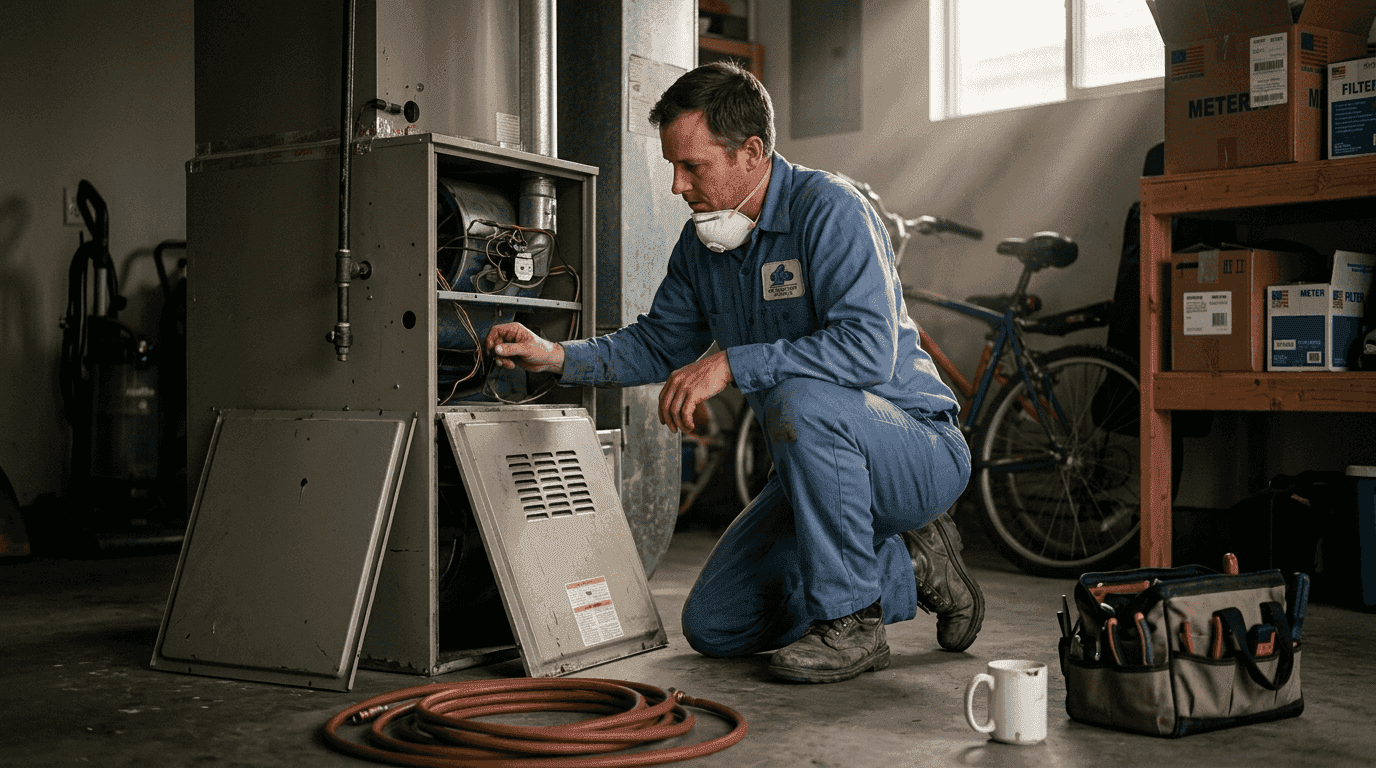
Many homeowners believe replacing HVAC filters is enough to maintain clean indoor air and efficient heating and cooling. The reality is far different. Your air handler, the heart of your HVAC system, accumulates dust, mold, and allergens that filters alone cannot address. In Avondale's desert climate, where dust storms and dry conditions intensify contamination, neglecting air handler cleaning compromises both air quality and energy efficiency. This guide clarifies what air handler cleaning involves, why it matters for your health and wallet, and how to approach maintenance in our unique environment.
Table of Contents
- Understanding Air Handlers And Their Role In Indoor Air Quality
- How Air Handler Cleaning Improves HVAC Performance And Energy Efficiency
- Air Handler Cleaning Process And Choosing A Professional Service
- Special Considerations For Avondale Homes And Small Businesses
- Enhance Your Indoor Air Quality With Professional Air Handler Cleaning In Avondale
- Frequently Asked Questions
Key takeaways
| Point | Details |
|---|---|
| Improved air quality | Regular cleaning removes dust, mold, and allergens that circulate through your home or business. |
| Extended HVAC lifespan | Maintenance prevents mechanical failures and adds years to your system's operational life. |
| Energy savings | Clean components reduce energy waste by 25 to 40 percent, lowering monthly utility bills. |
| Professional advantage | Expert service protects warranties and ensures thorough, safe cleaning of sensitive components. |
Understanding air handlers and their role in indoor air quality
Your air handler is the indoor component of your HVAC system that circulates conditioned air throughout your property. It houses several critical parts: the blower motor that pushes air through ducts, the evaporator coil that cools refrigerant, air filters that trap particles, and a drain pan that collects condensation. Each component plays a vital role in maintaining comfortable temperatures and clean air.
Over time, contaminants accumulate inside the air handler despite filter use. Dust particles bypass filters or enter during maintenance. Moisture from the evaporator coil creates ideal conditions for mold growth. Pet dander, pollen, and construction debris settle on internal surfaces. These pollutants then circulate repeatedly through your living or working spaces with every heating and cooling cycle.
The health implications are significant. Mold spores trigger allergic reactions and respiratory issues. Dust mites thrive in accumulated debris, worsening asthma symptoms. Bacteria multiply in stagnant drain pans, releasing unpleasant odors and potential pathogens. For Avondale residents, the desert environment compounds these problems. Frequent dust storms deposit fine particles that penetrate even well maintained systems. Low humidity preserves allergens rather than breaking them down naturally.
Common pollutants found inside neglected air handlers include:
- Dust and dirt particles from outdoor air and indoor activities
- Mold and mildew growing on damp coils and drain pans
- Pollen and plant debris entering through ventilation systems
- Pet hair and dander accumulating on blower components
- Bacteria and viruses thriving in moisture rich environments
Regular air handler cleaning improves indoor air quality by removing these contaminants before they circulate. Professional air vent cleaning addresses the entire ventilation pathway, ensuring pollutants are eliminated from every part of your HVAC system. Understanding what accumulates inside your air handler makes clear why periodic deep cleaning is essential for maintaining healthy indoor environments.
How air handler cleaning improves HVAC performance and energy efficiency
Dirty air handlers force your HVAC system to work harder, consuming more energy and risking mechanical failure. When dust coats the evaporator coil, heat transfer becomes inefficient. The coil cannot absorb heat effectively from indoor air, causing the compressor to run longer cycles. In extreme cases, restricted airflow causes the coil to freeze, shutting down cooling entirely until the ice melts.
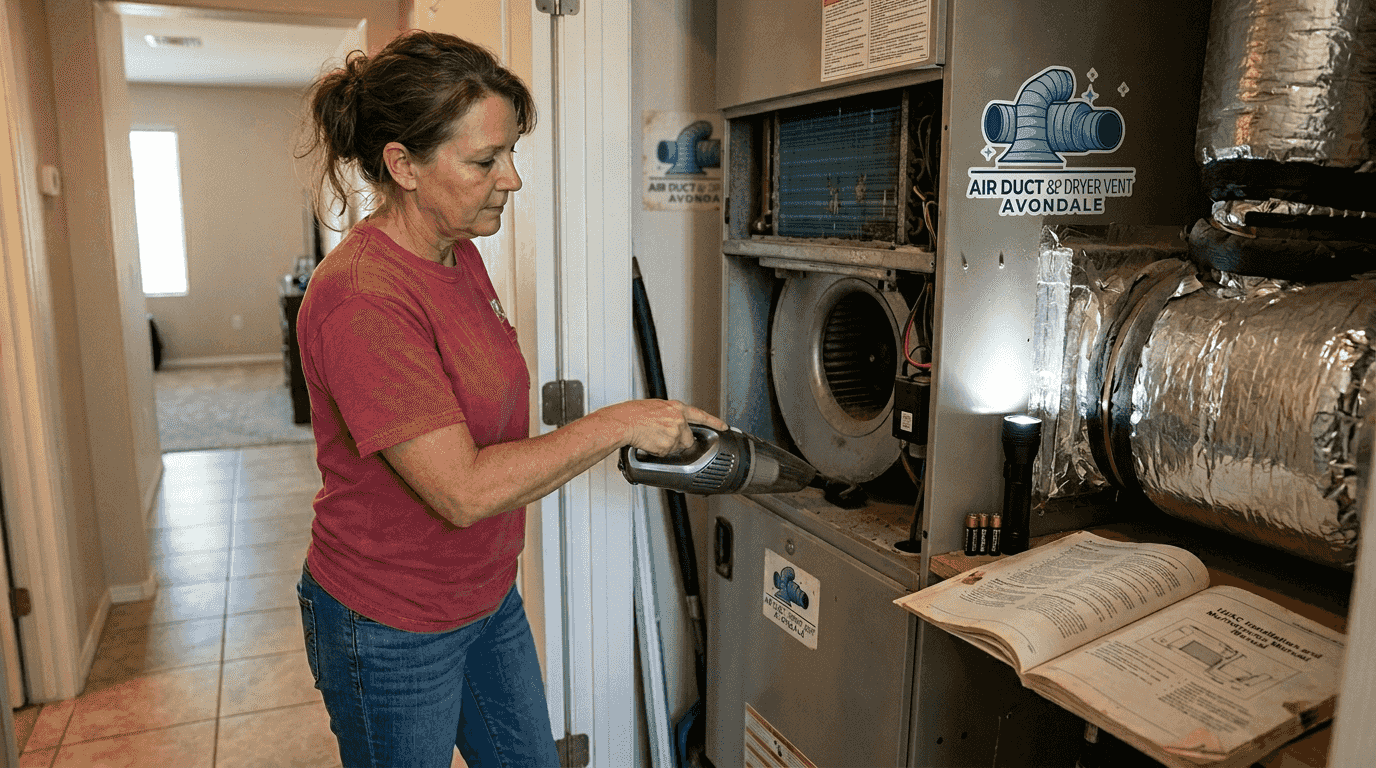
Grime on the blower motor and fan blades creates similar problems. The motor strains to spin contaminated components, drawing excess electricity and generating heat that accelerates wear. Reduced airflow means your system runs continuously trying to reach thermostat settings, never achieving the efficiency it was designed for. Dirty HVAC systems waste 25 to 40 percent of heating and cooling energy, translating directly into inflated utility bills month after month.
Mechanical risks multiply with neglect. Blower motors burn out prematurely when forced to overcome resistance from accumulated debris. Bearings fail faster under increased friction. Drain pans overflow when clogs prevent condensation drainage, causing water damage to surrounding components and structures. Regular maintenance extends HVAC lifespan by several years and prevents costly emergency repairs.
Benefits of maintaining clean air handler components:
- Lower monthly energy bills through improved heat transfer efficiency
- Consistent temperatures throughout your property without hot or cold spots
- Quieter operation as motors and fans spin without obstruction
- Fewer service calls and unexpected breakdowns during peak seasons
- Extended equipment lifespan reducing replacement costs
Pro Tip: Replace your air filters every 30 to 90 days depending on usage and dust levels. Clean filters protect the evaporator coil from contamination, reducing how often deep cleaning is needed. Check filters monthly in Avondale's dusty climate and replace them sooner if they appear gray or clogged. This simple step maintains airflow and prevents particles from reaching sensitive internal components.
The connection between cleanliness and performance is direct and measurable. Clean coils transfer heat efficiently. Clean blowers move air freely. Clean drain systems prevent moisture problems. Together, these factors determine whether your HVAC system operates as intended or struggles inefficiently. For homeowners and business owners focused on controlling costs, air filter replacement benefits extend beyond air quality to include substantial energy savings and equipment protection.
Air handler cleaning process and choosing a professional service
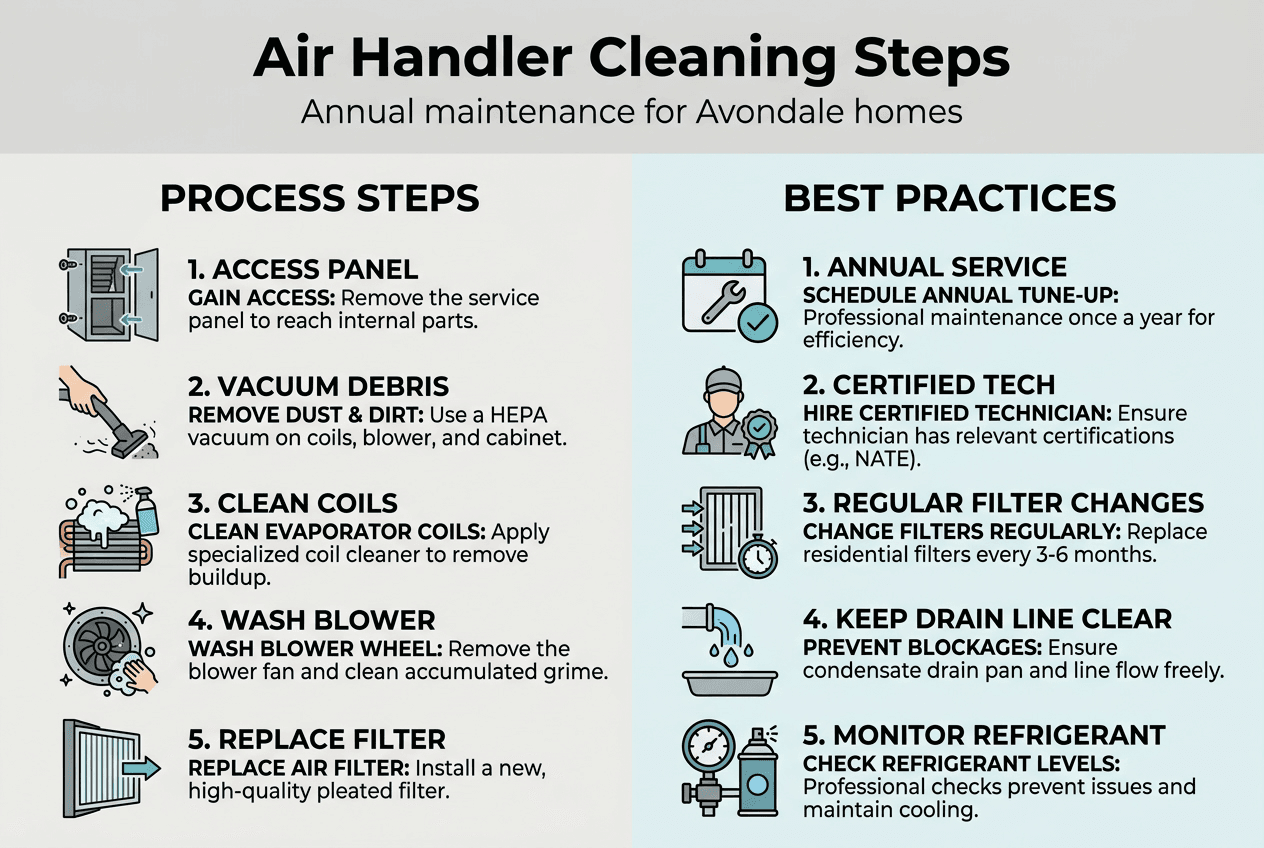
Professional air handler cleaning follows a systematic approach that addresses every component. Technicians begin with a thorough inspection, checking for visible mold, excessive dust, mechanical issues, and refrigerant leaks. They then power down the system and access the air handler cabinet, removing panels to reach internal parts.
The cleaning process involves several detailed steps:
- Evaporator coil cleaning using specialized foaming agents that break down grease and grime without damaging delicate fins
- Blower assembly removal and cleaning, including fan blades, motor housing, and bearings
- Drain pan sanitizing to eliminate mold and bacteria, followed by drain line flushing to prevent future clogs
- Cabinet interior wiping to remove dust and debris from all surfaces
- Air filter replacement with appropriate MERV rated filters for your system
- Final inspection and testing to verify proper operation and airflow
Complete air handler cleaning takes approximately three hours, depending on system size and contamination levels. This timeframe reflects the careful attention required to clean components without causing damage. Rushing through the process or skipping steps compromises results and potentially harms sensitive equipment.
Hiring professionals offers several advantages over DIY attempts. Technicians have specialized tools like coil cleaning wands, foaming agents, and inspection cameras that homeowners typically lack. They understand refrigerant handling regulations and electrical safety protocols. Most importantly, DIY maintenance can invalidate warranties that require professional service records. Manufacturers specify professional maintenance to ensure work meets quality standards and protects their liability.
Pro Tip: Verify that cleaning technicians hold relevant certifications such as NATE (North American Technician Excellence) or EPA Section 608 for refrigerant handling. Ask about their experience with your specific HVAC brand and model. Established companies provide detailed service reports documenting work performed, findings, and recommendations for future maintenance.
Cleaning frequency depends on several factors. Residential systems typically need annual cleaning, scheduled before cooling season begins. Commercial properties with higher occupancy and longer operating hours benefit from semi annual service. Properties with pets, ongoing construction, or residents with allergies may require quarterly attention. Consult with professionals familiar with Avondale conditions to establish an appropriate schedule for your situation. Regular service prevents problems rather than reacting to failures, ultimately saving money and extending equipment life. Following a residential air vent cleaning guide helps coordinate air handler maintenance with broader HVAC system care.
Special considerations for Avondale homes and small businesses
Avondale's desert environment presents unique challenges for HVAC maintenance. Dust storms deposit fine particles that infiltrate even well sealed systems. Low humidity preserves allergens and allows static electricity to attract more dust to components. Summer temperatures exceeding 110 degrees force air conditioners to run nearly continuously, accelerating contamination as more air passes through the system.
Homeowners in Avondale should prioritize regular air handler cleaning to combat desert dust and allergens. The combination of outdoor pollutants and indoor sources like cooking, pets, and household products creates a contamination load that exceeds what systems in milder climates experience. Neglecting maintenance in these conditions leads to faster performance degradation and more frequent repairs.
Residential and commercial properties have different maintenance needs:
| Factor | Residential Systems | Commercial Systems |
|---|---|---|
| Operating hours | 8 to 12 hours daily | 12 to 24 hours daily |
| Occupancy load | 2 to 6 people typically | 10 to 100+ people depending on business |
| Contamination sources | Cooking, pets, household dust | Customer traffic, product inventory, industrial processes |
| Recommended cleaning frequency | Annually, before cooling season | Semi annually or quarterly |
| Filter replacement schedule | Every 30 to 90 days | Every 30 days or more frequently |
Small business owners face additional considerations. Retail stores with frequent door openings introduce more outdoor air. Restaurants generate grease laden air that coats HVAC components. Medical offices require stricter air quality standards to protect vulnerable patients. Each business type benefits from customized maintenance plans that address specific contamination sources and operational demands.
Steps to protect indoor air quality in Avondale properties:
- Schedule professional air handler cleaning before summer heat arrives
- Replace filters more frequently during dust storm season (typically June through September)
- Install higher MERV rated filters if occupants have allergies or respiratory conditions
- Seal ductwork connections to prevent dust infiltration from attics and crawl spaces
- Consider whole house air purifiers for additional particle removal
- Monitor humidity levels and use dehumidifiers if condensation issues develop
Local property owners benefit from working with service providers familiar with desert climate challenges. Technicians experienced in Avondale understand how dust affects systems and can recommend preventive measures specific to our environment. They recognize when contamination levels exceed normal expectations and can identify sources like damaged ductwork or inadequate filtration. Commercial air duct cleaning services address the higher contamination loads that businesses experience, using industrial grade equipment and extended service times to thoroughly clean larger systems.
Enhance your indoor air quality with professional air handler cleaning in Avondale
Your HVAC system works hard in Avondale's extreme climate. Professional air handler cleaning protects your investment while improving the air you breathe daily. Expert technicians remove accumulated contaminants, restore energy efficiency, and extend equipment lifespan through thorough, warranty compliant service.
Local specialists understand desert conditions and tailor maintenance to address dust, allergens, and the unique challenges our environment creates. Whether you own a home or operate a small business, customized cleaning schedules ensure your system performs optimally year round. Services include complete air vent and duct cleaning, addressing the entire ventilation pathway for comprehensive results. Business owners benefit from flexible scheduling and commercial air duct cleaning services designed for larger systems and higher occupancy demands. Consider starting with indoor air quality testing to establish baseline conditions and identify specific concerns affecting your property.
Frequently asked questions
How often should I have my air handler cleaned?
Most residential systems need annual cleaning, ideally scheduled before cooling season begins in late spring. Homes with pets, allergies, or recent construction benefit from semi annual service. Commercial properties typically require cleaning every six months due to higher usage and occupancy.
Can I clean my air handler myself?
While you can replace filters and wipe accessible surfaces, thorough cleaning requires specialized tools and knowledge. DIY attempts risk damaging delicate coils, voiding warranties, and missing hidden contamination. Professionals have equipment and training to clean safely and completely.
What signs indicate my air handler needs cleaning?
Watch for reduced airflow from vents, unusual odors when the system runs, visible dust around registers, increased allergy symptoms, and higher energy bills. Ice forming on the outdoor unit or water leaking from the indoor unit also suggest contamination problems requiring attention.
Does air handler cleaning really improve energy efficiency?
Yes, significantly. Clean evaporator coils transfer heat efficiently, reducing how long your system runs to reach desired temperatures. Clean blowers move air freely without motor strain. Studies show dirty systems waste 25 to 40 percent of energy, making cleaning a cost effective efficiency improvement.
How does Avondale's climate affect air handler maintenance?
Desert dust storms deposit fine particles that penetrate systems faster than in other climates. Low humidity preserves allergens rather than breaking them down. Extreme summer heat forces longer operating hours, moving more contaminated air through components. These factors make more frequent cleaning necessary compared to milder regions.
Will cleaning my air handler eliminate all indoor air quality problems?
Cleaning significantly improves air quality by removing accumulated contaminants, but it works best as part of comprehensive HVAC maintenance. Combine it with regular filter changes, duct sealing, and addressing moisture issues. For persistent problems, air quality testing identifies specific pollutants requiring targeted solutions beyond routine cleaning.