

TL;DR:
- Regular vent inspections help prevent fire hazards, improve indoor air quality, and reduce energy costs. Homeowners should promptly detect signs like musty odors, gurgling sounds, and increased bills to avoid costly repairs and hazards. Routine maintenance, including cleaning and visual checks, is essential for all vent systems to ensure safe, efficient airflow.
Vent blockages are defined as obstructions inside air, dryer, or plumbing vents that restrict the flow of air, gases, or moisture out of a building. Knowing why check for vent blockages matters is not optional for homeowners and business owners. Blocked vents force your HVAC system to work harder, raise utility bills, and push allergens, mold spores, and combustion gases back into your living or working space. The U.S. Fire Administration links thousands of residential fires annually to clogged dryer vents alone. Regular vent inspections are the single most cost-effective step you can take to protect your health, your property, and your energy budget. Airanddryerventcleaningavondale recommends treating vent maintenance as a scheduled task, not a reaction to a problem.
Why check for vent blockages in your home or business
Vent blockage inspection is the practice of systematically checking every vent opening in a building to confirm that air, moisture, and gases can move freely. The industry standard for maintenance calls for DIY cleaning monthly, a deeper vacuum clean every 3–6 months, and professional duct cleaning every 3–5 years. That schedule exists because blockages build gradually. Dust, lint, and debris accumulate in layers, and by the time you notice a symptom, the restriction is already severe.
The consequences of skipping inspections fall into three categories: health, safety, and cost. On the health side, blocked air vents trap dust, pet dander, and mold inside ductwork, which then recirculates through every room. On the safety side, a clogged dryer vent is a direct fire hazard, and a blocked plumbing vent stack allows sewer gas to enter the building. On the cost side, a restricted HVAC system consumes more electricity to move the same volume of air, which shows up immediately on your utility bill.
Homeowners often treat vents as passive holes in the wall rather than active components of a building's health system. That mindset is the root cause of most preventable vent problems. Air ducts directly impact both energy savings and indoor air quality, and the connection between the two is tighter than most people realize.
What types of vents get blocked and what happens next
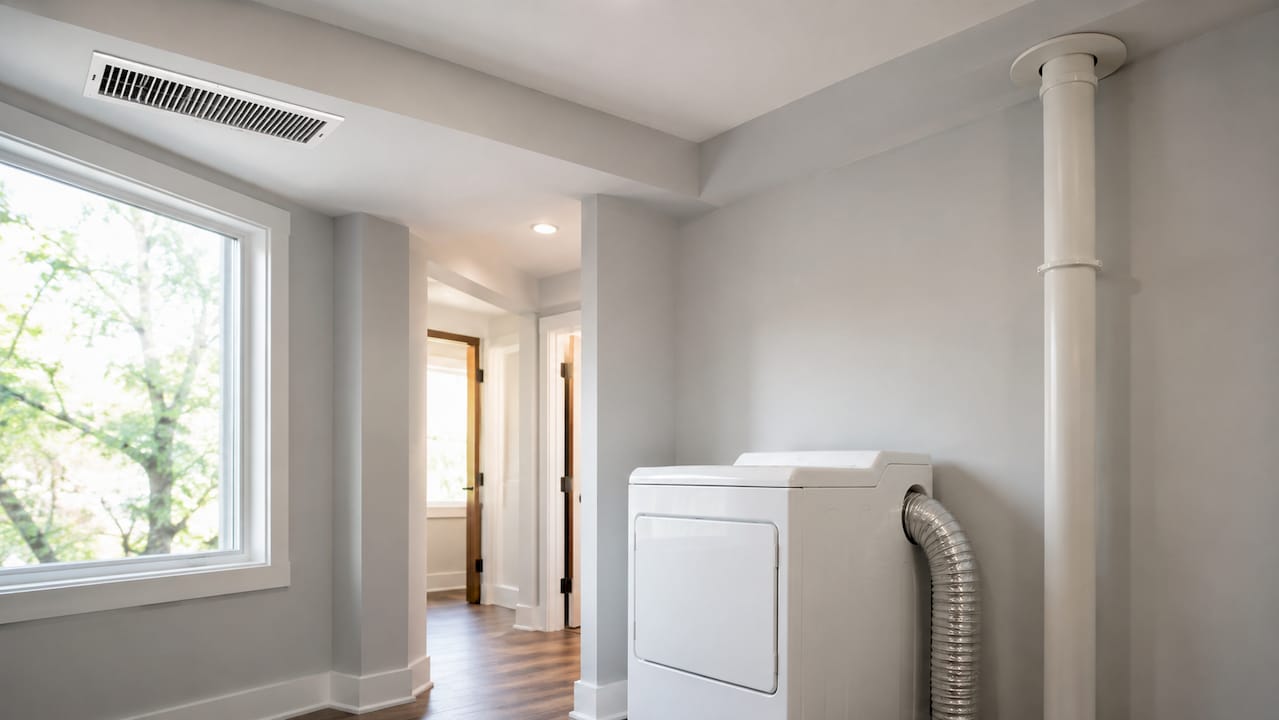
Three distinct vent systems run through most homes and commercial buildings. Each one fails differently when blocked, and each failure carries its own risk profile.
Air supply and return vents (HVAC system)
These are the grilles you see on walls, floors, and ceilings. They move conditioned air from your HVAC unit into each room and pull stale air back for reconditioning. When dust, furniture, or debris blocks them, the system loses pressure balance. The blower motor strains, energy consumption rises, and air quality drops as particulates build up inside the ducts.
Dryer vents
Dryer vents exhaust hot, moist air and lint from your dryer to the outside. Lint is highly flammable. A partially blocked dryer vent traps heat inside the appliance, extends drying times, and creates the conditions for a fire. This is not a theoretical risk. It is the leading cause of home appliance fires in the United States.
Plumbing vent stacks
Plumbing vents run from your drain pipes up through the roof. Their job is to equalize pressure in the drain system and let sewer gases escape safely outside. When a plumbing vent is blocked by a bird nest, leaves, or ice, negative pressure damages pipe joints over time and forces sewer gas back into the building through drain traps.
Common causes of blockages across all three vent types include:
- Accumulated lint and dust inside ducts and dryer exhaust lines
- Bird nests, wasp nests, or rodent debris at exterior vent openings
- Leaves, twigs, and seasonal debris on roof-mounted plumbing vents
- Ice formation at vent terminations during cold weather
- Furniture or rugs placed directly over floor supply registers
- Closed or partially closed dampers left in the wrong position after seasonal changes
Each of these causes is preventable with a routine inspection schedule. The blockage itself is rarely the real problem. The real problem is that it goes undetected for months.
What are the signs that a vent is blocked?
Blocked vents announce themselves through a consistent set of symptoms. Catching these signals early prevents the kind of damage that requires professional repair rather than a simple cleaning.
Physical and performance symptoms
Clothes that take two or more cycles to dry fully are the clearest sign of a blocked dryer vent. A dryer that feels hot to the touch on the outside is another. For HVAC vents, rooms that are consistently warmer or cooler than the thermostat setting point to restricted airflow in that zone.
Auditory clues
Gurgling sounds from multiple drains at the same time indicate a blocked plumbing vent stack, not a clogged drain. Snaking individual drains only masks the symptom temporarily because the real problem is negative pressure from the vent, not debris in the pipe. Whistling or hissing sounds near HVAC registers suggest air is forcing itself through a partial blockage.
Visual clues
Dark dust streaks around vent grilles, sometimes called "ghost lines," signal that air is leaking around the boot seal rather than flowing through the register. Ghost lines near vents mean your system is heating or cooling wall cavities instead of the room. Visible lint or debris at the exterior dryer vent cap is a direct warning sign.
Health and odor indicators
Sewer gas has a distinctive rotten-egg smell. If you notice it near sinks or floor drains, a blocked plumbing vent is the most likely cause. Musty odors from HVAC vents suggest mold growth inside the ductwork. Residents who experience increased allergy symptoms, headaches, or respiratory irritation at home often find that a blocked or dirty vent system is the source.
Energy cost signals
A sudden increase in your electricity or gas bill without a change in usage habits is a reliable indicator that your HVAC system is working harder than it should. Restricted airflow forces the blower motor to run longer cycles to reach the set temperature. That extra runtime adds up quickly on a monthly bill.
Pro Tip: Keep a simple log of your utility bills month by month. A spike of more than 10–15% with no obvious cause is worth investigating at the vents before calling an HVAC technician.
How to inspect vents for blockages safely and effectively
Inspecting vents for blockages does not require specialized training, but it does require the right tools and a methodical approach. The goal is to confirm that air is moving freely through every vent in the building.
Tools you need
Basic DIY vent inspection requires three items that together cost under $30: a flashlight, a tissue or thin piece of paper, and an anemometer (a small handheld device that measures airflow speed). The flashlight lets you see inside duct openings and dryer exhaust lines. The tissue and anemometer confirm whether air is actually moving.
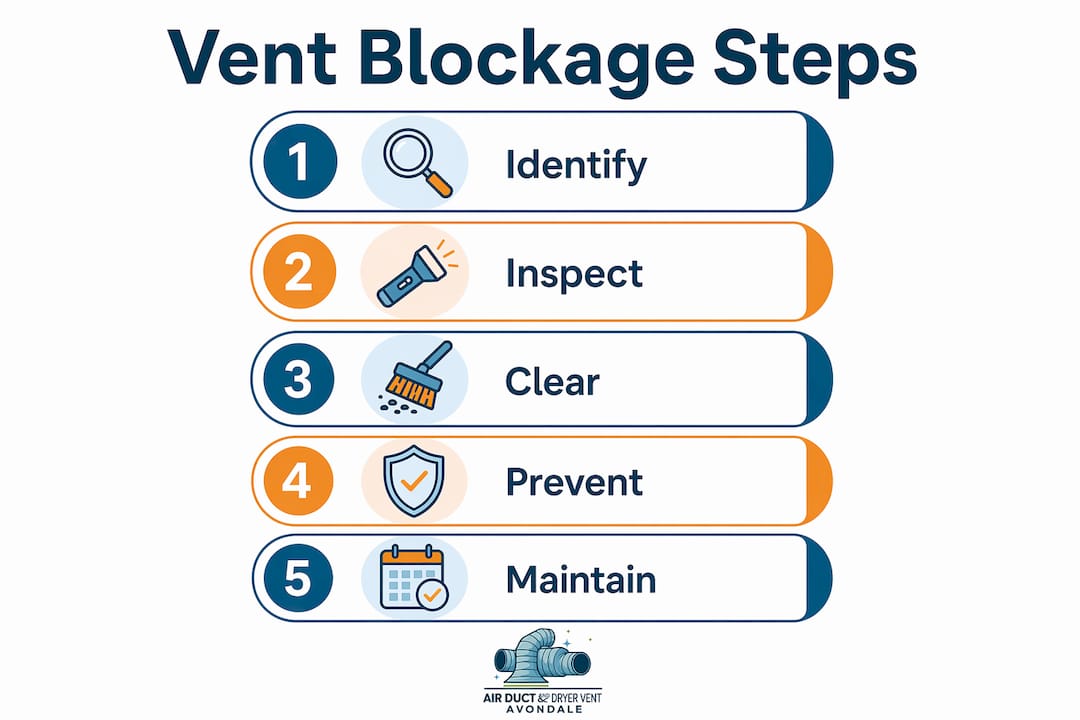
Step-by-step inspection process
-
Check all HVAC supply registers. Remove each grille and shine a flashlight into the duct opening. Look for visible dust buildup, debris, or obstructions. Hold a tissue in front of the open register with the system running. Tissue flutter at vents confirms airflow is present. No movement suggests a blockage or a failing blower.
-
Check return air vents. These are larger grilles, usually on walls or ceilings. Remove the cover and inspect for dust accumulation on the filter behind it. A clogged return filter is the most common cause of reduced HVAC airflow.
-
Inspect the dryer vent. Disconnect the dryer from the wall and use a flashlight to look inside the exhaust duct. Check the exterior vent cap outside the house. The flap should open freely when the dryer runs. If it stays closed or barely moves, the duct is restricted.
-
Check plumbing vent stacks. This step requires going on the roof. Roof vent inspections take 15–20 minutes and should happen at least once a year. Look for bird nests, leaf debris, or ice blocking the pipe opening. Use a flashlight to check a foot or two down into the pipe.
-
Test plumbing vents from inside. Run water in multiple fixtures at the same time. If you hear gurgling from drains that are not in use, the vent stack has a pressure problem. This test costs nothing and takes two minutes.
-
Document what you find. Note the date, which vents you checked, and any issues. This record helps you track how quickly blockages return and whether a professional cleaning is due.
Pro Tip: Schedule your annual roof vent inspection in early fall, before leaves accumulate and before cold weather creates ice blockages. Pair it with gutter cleaning to make the roof trip worthwhile.
When to call a professional
DIY inspection identifies most blockages. Call a professional when you find a blockage you cannot clear, when odors or gurgling return within days of clearing a drain, or when persistent odors signal a structural issue like a collapsed pipe or improper installation. A professional CCTV camera inspection can locate the exact depth and nature of the problem without any guesswork.
How to prevent vent blockages and maintain healthy airflow
Prevention costs far less than repair. A consistent maintenance routine keeps all three vent systems clear and extends the life of every appliance and HVAC component connected to them.
Establish a cleaning schedule and stick to it
- Wipe down HVAC vent grilles monthly with a damp cloth to remove surface dust.
- Vacuum inside duct openings every 3–6 months using a brush attachment.
- Clean the dryer lint trap after every single load without exception.
- Disconnect and clean the full dryer exhaust duct at least once a year.
- Schedule a professional air vent cleaning every 3–5 years to clear buildup that household tools cannot reach.
Protect exterior vent openings
Install pest-proof vent covers on all exterior HVAC and dryer vent terminations. Standard mesh screens keep birds and rodents out but can trap lint. Use covers designed specifically for dryer vents, with flaps that open under airflow pressure and close when the dryer is off. Inspect these covers every spring and fall for damage or debris.
Avoid blocking vents indoors
Never place furniture, rugs, or storage boxes over floor registers or in front of wall vents. Even partial obstruction forces the HVAC system to compensate, which increases wear on the blower motor and raises energy costs. Keep a minimum of 18 inches of clear space around every return air vent.
Maintain your HVAC filter
A clogged air filter is the fastest path to a blocked system. Replace standard 1-inch filters every 30–60 days. Thicker 4-inch media filters can last 6–12 months, but check them monthly during heavy-use seasons. A clean filter is the simplest and cheapest vent maintenance step available.
Pro Tip: Set a recurring phone reminder on the first of each month to check your HVAC filter and wipe down vent grilles. The whole task takes under five minutes and prevents the most common causes of airflow restriction.
Schedule professional inspections for commercial properties
Commercial buildings have more ductwork, more vents, and higher occupancy than homes. That combination accelerates debris accumulation and raises the stakes for air quality failures. Commercial air duct cleaning on a defined schedule protects employees, meets building code requirements, and keeps HVAC systems running at rated efficiency.
Key Takeaways
Checking for vent blockages is the most direct action homeowners and business owners can take to protect indoor air quality, prevent fire hazards, and control energy costs year-round.
| Point | Details |
|---|---|
| Inspection frequency | Perform DIY checks monthly and schedule professional cleaning every 3–5 years. |
| Three vent systems at risk | Air supply vents, dryer vents, and plumbing vent stacks each carry distinct blockage risks. |
| Tissue test for airflow | Hold tissue at a supply vent with the system running to confirm air is moving freely. |
| Ghost lines signal energy loss | Dark dust streaks around registers mean air is leaking into walls, not into the room. |
| Persistent symptoms need a pro | Recurring odors or gurgling after DIY clearing indicate a structural issue requiring camera inspection. |
What I've learned from years of watching homeowners ignore their vents
Most homeowners I talk to have never once looked inside a duct opening. They change their HVAC filter when they remember, and they assume the rest of the system takes care of itself. That assumption is exactly how a $200 dryer vent cleaning turns into a $1,500 appliance replacement or, worse, a fire.
The thing that surprises people most is the plumbing vent connection. Nobody thinks of their roof as part of their plumbing system. But a bird nest sitting in a vent stack on the roof is what causes the gurgling sound in the kitchen sink. Homeowners spend months treating it as a drain problem, snaking pipes that are not the issue, before someone finally checks the roof. Blocked vent pipes create negative pressure that stresses joints throughout the drain system. By the time the real cause is found, there is often secondary damage that a simple annual roof inspection would have prevented entirely.
The other pattern I see constantly is people closing vents in unused rooms to "save energy." It sounds logical. It is the opposite of helpful. Closing vents increases static pressure in the duct system, which forces air through gaps and seams rather than through registers. That means energy loss, uneven temperatures, and accelerated duct wear.
My honest advice is this: treat your vents the way you treat your smoke detectors. Check them on a schedule, not when something goes wrong. The cost of a monthly five-minute inspection is zero. The cost of ignoring a blocked dryer vent can be everything.
— Shaun
Professional vent cleaning services in Avondale, AZ
Airanddryerventcleaningavondale serves homeowners and business owners across Avondale, Arizona with professional air duct, air vent, and dryer vent cleaning backed by real expertise and flexible scheduling.
Whether you need a full dryer vent cleaning to eliminate a fire risk, a complete air duct and vent cleaning to restore indoor air quality, or an indoor air quality test to get a clear picture of what is circulating through your building, Airanddryerventcleaningavondale has the tools and experience to handle it. The team offers after-hours appointments, service warranties, and customized maintenance plans for both residential and commercial properties. Scheduling a professional inspection is the fastest way to know exactly where your vent systems stand.
FAQ
Why should I check for vent blockages regularly?
Blocked vents restrict airflow, raise energy bills, and create health and fire hazards. Regular checks catch problems early, before they cause appliance damage or require costly repairs.
How do I inspect wall vents for blockages at home?
Remove the vent grille, shine a flashlight inside, and hold a tissue in front of the opening with the HVAC system running. No tissue movement indicates a blockage or a failing blower motor.
How often should dryer vents be cleaned?
Clean the lint trap after every load and clear the full exhaust duct at least once a year. Households that run the dryer daily may need professional cleaning more frequently.
What causes gurgling drains if the pipes are clear?
Gurgling from multiple fixtures at once points to a blocked plumbing vent stack, not a clogged drain. Negative pressure from blocked vents pulls air through drain traps, creating the gurgling sound.
When should I call a professional instead of doing it myself?
Call a professional when blockages return quickly after DIY clearing, when you detect persistent sewer odors, or when a roof vent inspection reveals debris you cannot safely remove. These signs often indicate a structural issue that requires camera inspection to diagnose correctly.