
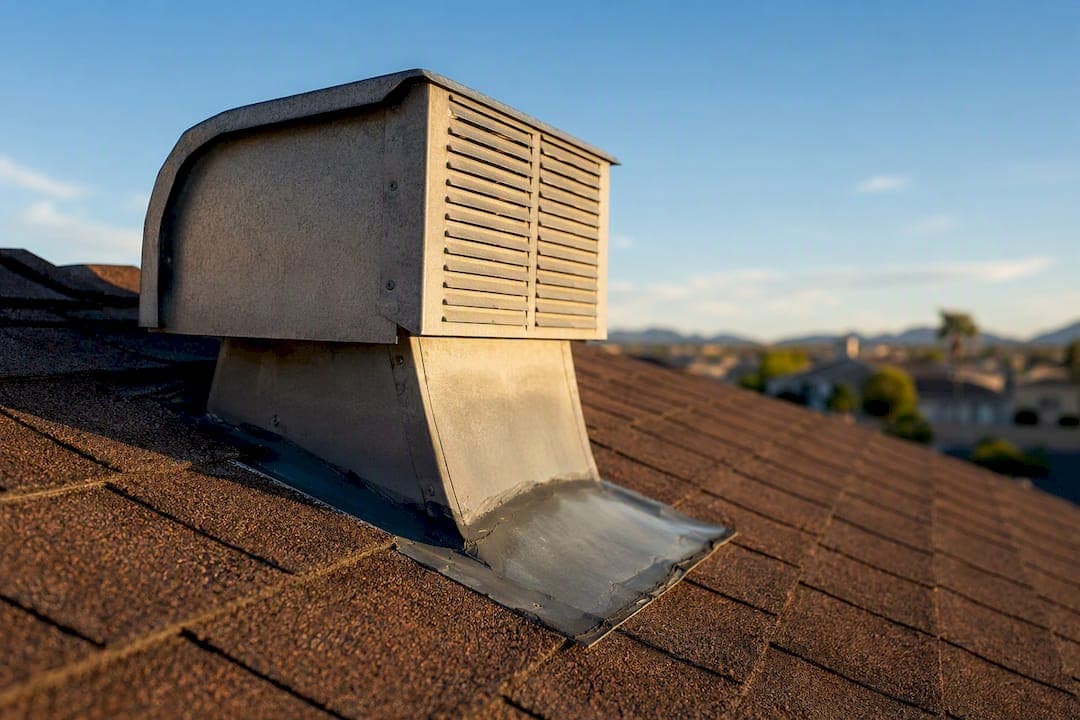
A dryer vent that exits through the roof is legal in most jurisdictions, but it carries more maintenance burden and more failure points than a sidewall termination. If your dryer is taking longer to dry clothes, the cabinet feels hot to the touch, or you smell something musty near the laundry room, stop running it and inspect the line before you use it again. Air Duct and Dryer Vent Cleaning Avondale can check a roof-terminated vent and fix what a roofline exit typically breaks.
TL;DR:
- Roof-terminated dryer vents are more prone to lint buildup, pest intrusion, and moisture damage, especially in long vertical runs, requiring more frequent inspections.
- Building codes demand rigid metal duct, no screens at the cap, a backdraft damper, and proper sealing; flexible duct and screenless caps are common violations.
- Signs of a clogged roof vent include longer drying times, hot dryer or duct, musty odors, visible lint, and ceiling or attic stains, necessitating immediate professional inspection if detected.
- Semiannual cleaning and professional maintenance are recommended, especially for long or inaccessible roof runs, to prevent fire risk and ensure proper airflow.
- Upgrading to dryer-specific roof caps and rerouting the duct to a wall outlet can significantly reduce maintenance hassles, fire hazards, and roof leak risks.
Table of Contents
- Common Dryer Vent Roof Problems and What Causes Them
- What Codes Require for Roof-Terminated Dryer Vents
- Signs Your Roof Dryer Vent Is Clogged
- How to Clean and Maintain a Roof-Terminated Dryer Vent
- Roof Hardware That Actually Reduces Risk
- When to Stop Using the Dryer and Call a Professional
- A Field Perspective on Roof Vent Failures
- Getting Your Roof Vent Fixed the Right Way
- Sources
- FAQ
Common Dryer Vent Roof Problems and What Causes Them
Vertical duct runs fight gravity. Lint that would slide out of a short sidewall vent instead settles in every horizontal offset and elbow on its way up through the attic and out the roof, and that buildup is the single biggest driver of dryer vent roof problems.
That trapped lint does more than slow drying. It's also fuel. NFPA guidance calls for cleaning the vent at least once a year, more often if drying times start creeping up, specifically because lint accumulation in long or vertical runs is a known fire risk.
Roof terminations add three problems a wall vent never faces:
- Condensation and rot. Warm, moist exhaust air cools fast in an unconditioned attic, and the moisture it drops can rot framing or grow mold around the duct.
- Pest access. Birds and rodents nest in roof caps constantly, and a nest behind a stuck damper is one of the most common blockages we find on service calls.
- Access difficulty. You can't casually check a roof cap the way you'd glance at a wall vent, so problems go unnoticed longer.
A dryer straining against a blocked roof vent also runs its heating element longer per cycle, which shows up as higher energy bills before it shows up as a safety issue.
What Codes Require for Roof-Terminated Dryer Vents
Building codes treat dryer exhaust differently from bathroom exhaust for good reason: dryer duct carries lint, and lint plus a screen equals a clog.
Smooth, rigid metal duct is required for dryer exhaust, screens are prohibited at the termination point, and a backdraft damper must be present to keep outside air and pests from moving back into the house.
The IRC's chapter on exhaust systems caps total developed duct length at 35 feet in most installations, and that number shrinks with every elbow, so a roof run with several bends may already be pushing past what's allowed.
Key non-negotiables to check:
- Rigid or corrugated metal duct only, never flexible plastic or foil transition hose for the full run
- No screens or mesh at the roof cap
- A working backdraft damper at the termination
- Local permit and inspection sign-off for any new roof penetration
Flexible ductwork is fine for short transition connections behind the dryer, but it's a fire hazard and often a code violation when used for the long haul up to the roof.
Signs Your Roof Dryer Vent Is Clogged
Run through this checklist before you assume the dryer itself is broken, since most of these symptoms point to airflow, not the appliance.
- Drying takes noticeably longer than it used to, sometimes two full cycles for one load.
- The dryer or the duct behind it feels hot to the touch during a normal cycle.
- A musty or faintly smoky odor shows up in the laundry room or hallway.
- Lint is visible around the roof cap or built up at the base of the termination.
- Ceiling stains, frost, or ice appear near where the duct runs through the attic.
If you can get eyes on the roof cap while the dryer runs and don't see steady airflow, treat the line as clogged even if nothing else looks obviously wrong.
Pro Tip: Have someone watch the roof cap while you start a cycle. Steady, visible exhaust within the first minute is the fastest confirmation that air is actually moving all the way through.
How to Clean and Maintain a Roof-Terminated Dryer Vent
Annual cleaning is the floor, not the target, for roof vents. Bump that to every six months if you run a full-size household, own pets that shed, or notice drying times creeping up between cleanings.
For short, accessible runs, a safe DIY sequence works:
- Unplug the dryer, or shut off the gas supply valve first if it's a gas unit, and pull it away from the wall.
- Detach the transition duct at the back of the dryer and brush out lint by hand.
- Run a long, flexible cleaning brush through the accessible duct sections.
- From a safe, stable access point, clear lint from the roof cap opening itself.
- Vacuum any loose debris, reconnect everything, and run a test cycle while checking exterior airflow.
That approach works well for short, ground-accessible ducts, but long vertical roof runs are a different job. Roof access alone rules out DIY for a lot of homeowners, and a multi-story vertical run with several elbows often needs a professional-grade brush system and static pressure testing to confirm the fix actually worked, not just a visual once-over.
Pro Tip: If your attic access is tight, unfinished, or requires walking a roof pitch to reach the cap, that's the point to call a professional rather than improvise.
A professional cleaning includes a full-line inspection, mechanical cleaning of every section, cap or damper repair if needed, and an airflow test before the technician leaves.
Roof Hardware That Actually Reduces Risk
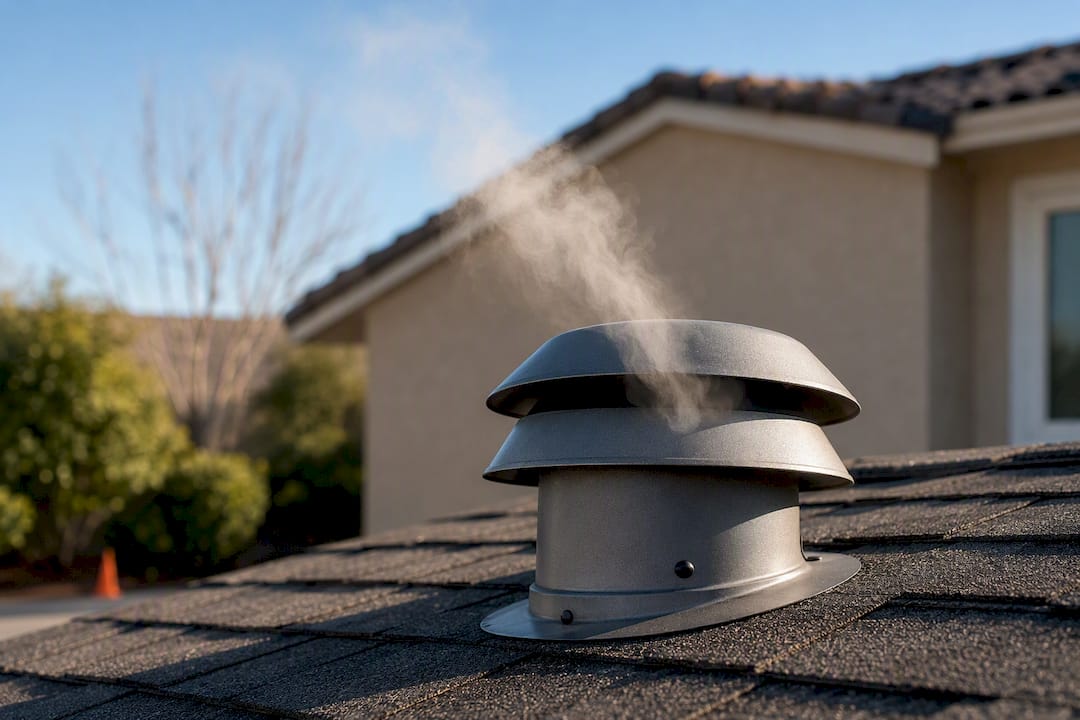
A shocking number of roof-terminated dryer vents are capped with a bath-fan style vent cover, and that's a mismatch that causes ongoing problems. Bath-fan caps are built for low-volume, lint-free air. They clog fast under dryer exhaust and give pests an easy foothold.
- Dryer-specific roof terminals, like the DryerJack, are built with the clearance and damper design dryer exhaust actually needs, and they resist clogging far better than a repurposed fan cap.
- Proper flashing and a sealed vent boot matter as much as the cap itself. Poor sealing around the roof penetration is a common source of slow leaks that show up as ceiling stains long before anyone traces them to the dryer vent.
- A functioning backdraft damper and pest barrier keep the line from becoming a bird or rodent entry point, which is one of the most common blockage causes we see.
- Switching to rigid metal duct if any part of the run still uses flexible or foil hose.
If the layout allows it, rerouting the whole run to a nearby exterior wall eliminates the roof leak risk, the ice dam risk, and the higher labor cost of roof access, all at once.
When to Stop Using the Dryer and Call a Professional
Some warning signs mean stop now, not schedule a cleaning for next week.
- A burning or scorched smell during or right after a cycle
- Visible lint packed solid at the roof cap opening
- Moisture stains or discoloration on the ceiling below the duct run
- No detectable airflow at the roof termination when the dryer is running
A technician responding to any of these checks the full duct path, tests airflow, and typically repairs or replaces the cap, flashing, or damper. If the duct itself has degraded or was undersized to begin with, replacement or rerouting is the fix. Roof access is the biggest cost driver on these jobs, since steep pitches, multiple stories, and tight attic space all add labor time beyond what a simple sidewall job requires.
A Field Perspective on Roof Vent Failures
Most roof vent failures we encounter share one root cause: someone installed a bath-fan cap where a dryer-rated terminal belonged. Swapping that single part is often the highest-impact fix available, ahead of any duct work.
We push clients toward rigid metal duct, a dryer-specific cap, and a written cleaning schedule rather than a one-time fix, because roof vents punish neglect faster than wall vents do. Property managers handling multiple units do best with a simple annual calendar reminder tied to each building's laundry equipment.
— Shaun
Getting Your Roof Vent Fixed the Right Way
Air Duct and Dryer Vent Cleaning Avondale handles the exact roof-vent problems covered above, and unlike a one-off handyman call, every visit includes a full airflow test, not just a visual check. We clean dryer vents end to end, repair or replace failing roof caps and flashing, handle full duct replacement when a run is undersized or damaged, and run indoor air quality testing when moisture or mold is a concern.
Booking starts with an inspection so you know exactly what's wrong before any work happens, followed by a clear estimate and a safety check on your dryer's airflow and connections. If you're in Avondale and any of the warning signs above sound familiar, schedule a dryer vent cleaning now rather than waiting for a longer dry cycle to turn into a bigger repair. Homes dealing with duct damage beyond routine buildup can also look into our air duct replacement services for a permanent fix.
Sources
For the underlying rules and standards cited above, see the IRC exhaust systems chapter, NFPA dryer safety tips, and NSPIRE inspection standards for dryer exhaust vents. Homeowners curious about interior damage from poor airflow can also read how dryer vent maintenance affects rugs and flooring.
- Don't Vent Your Clothes Dryer Through the Roof
- Dryersafety
- How to Clean a Dryer Vent | Family Handyman
FAQ
Should a dryer vent go through the roof?
It's allowed under most codes, but a sidewall termination is usually safer and cheaper to maintain because it avoids the lint buildup, ice dam risk, and access problems that come with a roof exit.
What are the common problems with dryer vent ducts?
The biggest issues are lint buildup in bends and vertical runs, condensation and moisture damage, pest nesting at the termination, and reduced airflow that raises drying time and energy use.
What is the best dryer roof vent option?
A dryer-specific terminal, such as a DryerJack-style cap, outperforms a repurposed bath-fan cover because it's built for lint-heavy exhaust and resists clogging better.
My dryer vent on my roof is clogged. What should I do?
Stop using the dryer, check for visible lint at the roof cap and airflow while running a test cycle, and if you can't clear or confirm the blockage safely, call a professional like Air Duct and Dryer Vent Cleaning Avondale to clean and inspect the full line.