
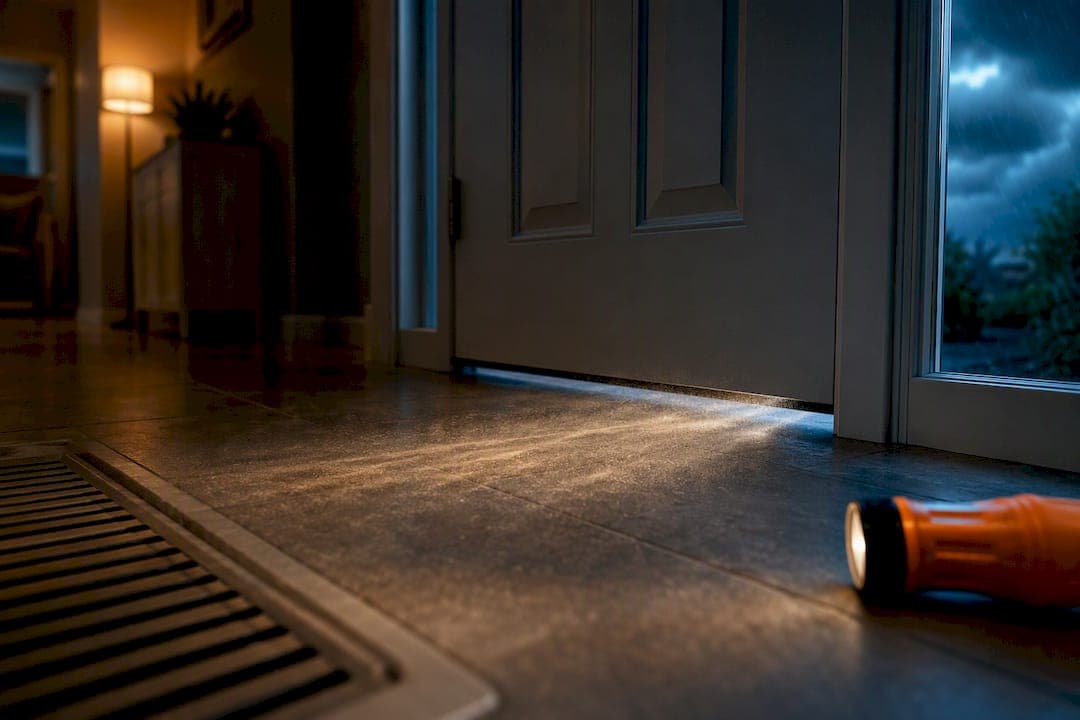
If you can see dust clouds puffing from your registers, smell a musty odor when the AC kicks on, or notice your dryer taking longer to finish a load, you likely need a professional inspection now. The EPA flags heavy visible contamination and clogged ducts as clear signals for cleaning, and blocked dryer vents carry real fire risk. A professional provider can check both in one visit.
TL;DR:
- Professional duct cleaning is necessary when visible dust blows from registers, black mold appears, pests infest the system, or debris visibly releases into the home.
- Heavy monsoon dust enters ducts through open vents, gaps, or poorly sealed attic hatches, building up in layers if storms repeat frequently.
- Dryer vents require urgent cleaning after dust storms to prevent blockages that significantly increase fire risk, with exterior vent hoods often showing visible dust.
- An effective cleaning should include inspection, mechanical agitation, vacuum extraction, and component cleaning, with replacement of moldy liners; superficial cleaning is inadequate.
- Cost ranges from $450 to $1,000 for whole-system cleaning, with dryer vent cleaning often prioritized for quick turnover due to fire hazard.
Table of Contents
- How monsoon dust gets into your ducts and vents
- When to hire a professional: EPA-backed criteria and signs to watch
- What a professional cleaning includes
- Dryer-vent fire risk after dust storms and why some cases are urgent
- Immediate homeowner checklist after a heavy dust event
- How to choose a qualified Avondale provider
- Typical cost range and timeline for post-monsoon cleaning
- A local technician's view on post-monsoon calls
- Book an inspection or cleaning with Air Duct and Dryer Vent Cleaning Avondale
- Sources
- FAQ
How monsoon dust gets into your ducts and vents
Haboob-driven dust does not need an open window to get inside. It rides in through door gaps opened during storms, poorly sealed attic hatches, gaps around roof penetrations, and return-air dampers that were not fully closed before the wind picked up. Once fine particulate reaches the duct interior, it tends to stick to surfaces rather than blow straight through, especially on the rough interior of fiberglass-lined ducts.
Avondale's monsoon dust carries a mix of fine desert silt and organic debris that clings readily to duct walls and coils. Because storms often repeat several times each summer, deposits build in layers rather than clearing on their own.
Common entry points worth checking after a storm:
- Attic access panels and roof vents that were not sealed tight
- Return air grilles left uncovered during high wind
- Gaps around dryer vent exteriors and exhaust hoods
- Loose ductwork connections in crawlspaces or attics
When to hire a professional: EPA-backed criteria and signs to watch
The EPA does not recommend cleaning ducts on a routine schedule. It points to specific triggers instead: substantial visible mold growth inside the ducts, an active pest infestation, or ducts so clogged with dust and debris that particles are visibly released into the home. Light dust on interior surfaces is normal and usually does not justify a full cleaning.
One field study found mechanical duct cleaning can meaningfully reduce dust that has adhered to duct surfaces, according to EPA research, even though its effect on airborne indoor particle counts was less consistent.
Watch for these practical warning signs after a heavy dust event:
- Visible dust or debris blowing out of supply registers when the system runs
- A persistent musty or moldy smell when the HVAC cycles on
- Recent heavy exterior dust exposure combined with a poorly sealed attic or crawlspace
- Pest droppings or nesting material visible near vent openings
What a professional cleaning includes
A legitimate duct cleaning job follows a mechanical process the EPA describes clearly: technicians dislodge debris from duct walls, then pull it out with a negative-air vacuum system so nothing gets pushed deeper into the home.
- Inspection and setup: the technician inspects accessible ductwork and seals off supply and return openings.
- Mechanical agitation: brushes, air whips, or compressed air loosen dust stuck to duct walls.
- Vacuum extraction: a negative-air vacuum collects loosened debris and vents it outside or into a sealed container.
- Component cleaning: registers, grilles, the blower housing, coils, and condensate pans are cleaned along with the ducts themselves, and the dryer vent exterior is checked.
- Liner assessment: porous or fibrous duct liner that is wet or shows mold should be replaced, not cleaned, per EPA guidance.
If a contractor only touches the registers and skips the blower housing or coils, re-contamination is likely within months.
Pro Tip: Ask to see the collected debris before it's disposed of. A reputable provider will show you before and after photos and a written scope covering every component, not just the visible ductwork.

Dryer-vent fire risk after dust storms and why some cases are urgent
Dryer vents deserve faster attention than air ducts after a dust event. NFPA research found that failure to clean dryer vents contributed to a significant share of home dryer fires, and lint or dust ignition is a leading cause. Monsoon dust adds extra particulate load on top of normal lint buildup, which can fully block an exterior vent hood.
If you suspect a blocked vent:
- Stop using the dryer until the vent is inspected
- Check the exterior vent hood for dust caking or a flap that will not open
- Call for same-day dryer vent service if you find any blockage
Immediate homeowner checklist after a heavy dust event
What you do in the first day after a haboob matters more than what happens afterward.
- Shut down the system if dust is actively circulating. Turn off the HVAC and avoid running the dryer if you suspect the vent is blocked.
- Upgrade your filter. Install a high-efficiency filter, MERV-13 where your system is compatible, and vacuum accessible registers with a HEPA-capable vacuum.
- Document what you see. Photograph visible contamination and seal off affected rooms rather than probing the ductwork yourself, since DIY poking can push debris deeper into the system.
- Call a qualified pro once you spot the EPA's cleaning triggers or find a dryer vent obstruction.
Pro Tip: Replacing a clogged filter takes five minutes and immediately reduces the dust load your system has to fight while you wait for an inspection. See our filter replacement guide for details.
How to choose a qualified Avondale provider
Not every company that answers the phone will do a thorough job. Before you book, ask whether the quote covers the entire system, registers, blower housing, coils, and condensate pans, or just the visible duct runs. Ask what extraction method they use and whether they will show before-and-after photos or the debris they collected.
Confirm they carry insurance, provide a written estimate and a warranty, and can share references from local jobs. Ask about scheduling flexibility for urgent cases like a blocked dryer vent.
Red flags to walk away from:
- Absolute claims that cleaning will cure allergies or eliminate all household dust
- Refusal to document contamination with photos or samples
- A rock-bottom price quoted before anyone has inspected the system
Some companies perform on-site inspections and cleaning for both residential and commercial properties, which makes it a straightforward option when you would rather have someone qualified look first before committing to a service.
Typical cost range and timeline for post-monsoon cleaning
Whole-system duct cleaning typically runs from $450 to $1,000, according to EPA materials, with the final number driven by system size, level of contamination, and how easy the ductwork is to access.
Dryer vent cleaning is usually a smaller, faster job, and given the fire risk NFPA documents, most providers prioritize it for quicker turnaround than a full duct job.
- Inspection alone: roughly 15 to 30 minutes
- Full duct cleaning: commonly 2 to 5 hours depending on system size
- Dryer vent cleaning: often completed same day when scheduled urgently
If your attic ventilation is also compromised, worth a look is this residential roof ventilation guide, since poorly sealed roof vents are one of the paths dust uses to reach your ductwork in the first place.
A local technician's view on post-monsoon calls
After a big haboob, the same problems show up again and again: fine silt caked on return grilles, dryer vent hoods packed shut, and coils dusted thick enough to see from across the room. The first thing I check on any call is the dryer vent termination because that is the one that cannot wait.
— Shaun
Book an inspection or cleaning with Air Duct and Dryer Vent Cleaning Avondale
When a storm leaves your ducts coated and your dryer vent questionable, hiring a local team that handles both in one visit saves you a second appointment and a second bill. Some providers offer air duct cleaning, dryer vent cleaning, air filter replacement, and air quality testing for homes and businesses with flexible scheduling for urgent jobs.
- Air duct cleaning: full-system cleaning for homes with heavy monsoon deposits
- Dryer vent cleaning: priority service when a blockage creates fire risk
- Air quality testing: diagnostic check before or after cleaning to confirm results
- Commercial duct cleaning: scheduled around business hours for property managers
| Service | Best for |
|---|---|
| Air Duct Cleaning | Homes with visible dust, mold, or clogged registers |
| Dryer Vent Cleaning | Blocked or slow-drying dryer vents after a storm |
| Air Quality Test | Confirming contamination before booking a full clean |
| Commercial Air Duct Cleaning | Property managers and business owners |
If you've spotted any of the warning signs above, request an air duct cleaning estimate or book dryer vent service directly.
Sources
- Should You Have the Air Ducts in Your Home Cleaned? | US EPA
- Evaluating Residential Air Duct Cleaning and IAQ: Results of a Field Study Conducted in Nine Single-Family Dwellings
- Home Dryer Fires (NFPA research)
FAQ
Do I need to clean my ducts after every monsoon storm?
No, light dust after a single storm usually does not require cleaning. The EPA recommends cleaning only when there's substantial visible mold, pests, or ducts clogged enough to release debris into your home.
How much does duct cleaning cost in Avondale?
Whole-system duct cleaning typically falls between $450 and $1,000, depending on the size of the system and how contaminated it is. Dryer vent cleaning is usually less and can often be scheduled the same day when a blockage is found.
Can monsoon dust actually cause a dryer fire?
Yes, dust and lint buildup in a blocked vent is a documented fire risk. NFPA data attributes a large share of home dryer fires to failure to clean vents, and monsoon dust adds extra load that can seal an exterior vent shut.
What should a professional duct cleaning include?
A thorough job cleans the entire system, registers, grilles, ducts, blower housing, coils, and condensate pans, using mechanical agitation followed by negative-air vacuum extraction as described in EPA guidance. Ask for before-and-after photos and a written scope so you know every component was addressed.
How long does a duct or dryer vent cleaning take?
An inspection alone usually takes 15 to 30 minutes, while a full duct cleaning commonly runs 2 to 5 hours depending on system size. Dryer vent cleaning is typically faster and can often be completed the same day when the vent is blocked.